



Have you ever wondered why some injuries seem to linger forever? Often, it’s because your body’s natural healing process has stalled. The area stops getting the blood flow and cellular attention it needs to fully repair. Shock wave therapy is designed to break this cycle. By delivering focused energy waves directly to the injured tissue, the treatment creates a controlled, micro-level response. This signals your body to restart the healing cascade, flooding the area with oxygen-rich blood and the building blocks needed for tissue regeneration. It’s a way to give your body a targeted push to finish the job it started.
Key Takeaways
- Re-activates your body’s healing process: Shock wave therapy uses targeted acoustic waves to stimulate blood flow and cellular repair, addressing the source of chronic pain in tendons and fascia instead of just masking it.
- Offers a fast recovery with no downtime: As a non-invasive alternative to surgery, this treatment lets you walk out of the office after a short session and continue your daily life, helping you return to training much sooner.
- Provides a solution for stubborn injuries: It is highly effective for chronic conditions like plantar fasciitis and Achilles tendonitis that have not improved with rest or other traditional methods. A consultation is the best way to see if it’s the right choice for you.
What Is Shock Wave Therapy?
If you’re an athlete or just an active person, dealing with a nagging injury that won’t heal can be incredibly frustrating. Shock Wave Therapy is a modern, non-invasive treatment that uses powerful acoustic waves to target injured areas and kickstart your body’s natural healing abilities. It was first used to break up kidney stones without surgery, and now that same technology helps resolve stubborn muscle, tendon, and bone issues. Think of it as a way to wake up your body’s repair mechanisms, helping you address the root cause of your pain and get back to your routine without the long downtime associated with surgery.
How It Works to Heal Your Body
So, how can sound waves actually heal an injury? The therapy machine sends short, intense energy pulses directly to the painful spot. These pulses create tiny, controlled disruptions in the tissue, which triggers a powerful healing response from your body. This process can increase blood flow to the area, bringing the oxygen and nutrients needed for repair. It also stimulates the cells responsible for creating new bone and connective tissue. Essentially, the treatment gives your body a strong signal to focus its healing efforts on a chronic injury that it may have stopped working on.
The Different Types of Shock Wave Therapy
Not all shock wave treatments are the same, and the technology can be tailored to your specific injury. There are two main types of therapy: Radial and Focused. Radial Pressure Wave (RPW) therapy is best for conditions closer to the skin’s surface, like tendon and fascia problems, as the waves spread out to cover a wider area. Focused Shockwave (FSW) therapy sends energy deeper into the body with pinpoint accuracy. This makes it ideal for treating issues in deeper tendons, fascia, and even bone. Dr. Singh will determine the right approach for you based on your specific condition and recovery goals.
What Conditions Can Shock Wave Therapy Treat?
If you’re dealing with a nagging pain that just won’t quit, you know how frustrating it can be. It’s the kind of chronic ache that sidelines you from your favorite sport, makes your daily run feel like a chore, or simply disrupts your life. When rest, ice, and stretching aren’t enough, it’s easy to feel stuck. This is where shock wave therapy comes in. It’s an incredibly versatile treatment that can address a wide range of musculoskeletal conditions, especially the stubborn ones that have lingered for six weeks or more. While we specialize in foot and ankle pain, this technology is effective for issues all over the body, from your shoulder to your heel.
Shock wave therapy is particularly successful for treating chronic tendinopathies, which are injuries caused by repetitive stress and overuse. These are common among athletes and active individuals. Instead of just masking the pain, the acoustic waves stimulate your body’s own healing mechanisms. The therapy increases blood flow, helps break down scar tissue, and triggers cellular repair at the source of the injury. Think of it as a way to restart the healing process in an area that has been “stuck” in a cycle of pain and inflammation. It’s a powerful, non-invasive solution for anyone who wants to heal from chronic injuries and get back to their life without resorting to injections or surgery.
Common Sports Injuries and Tendinopathies
For athletes, dealing with an overuse injury can feel like a constant battle. Conditions like jumper’s knee (patellar tendinopathy), hip pain, and chronic shoulder pain can keep you from performing at your best. These injuries often involve tendons that have become degenerated and painful over time from repetitive strain. Shock wave therapy directly targets these problem areas. By delivering focused energy waves to the damaged tissue, it stimulates a healing response that your body may have given up on. This process helps reduce pain and inflammation while promoting the regeneration of healthy tendon tissue, allowing you to build strength and return to your sport with confidence.
Stubborn Plantar Fasciitis and Heel Pain
Do you dread those first few steps out of bed in the morning? That sharp, stabbing pain in your heel is the classic sign of plantar fasciitis, a notoriously stubborn condition. The plantar fascia is a thick band of tissue that runs across the bottom of your foot, and when it becomes inflamed, the pain can be debilitating. For those who have tried everything from stretching to custom orthotics without relief, shock wave therapy has emerged as a highly effective treatment option. It targets the inflamed tissue directly, promoting circulation and healing the ligament from the inside out. It’s one of the key regenerative services we offer to help patients finally find lasting relief from chronic heel pain.
Tennis Elbow and Golfer’s Elbow
You don’t have to play tennis or golf to suffer from these painful conditions. Tennis elbow (lateral epicondylitis) and golfer’s elbow (medial epicondylitis) are overuse injuries caused by any repetitive gripping or wrist-turning motion. They result in persistent pain on the outside or inside of your elbow, respectively. When the pain has been present for several weeks or months, it’s considered a chronic tendinopathy. Shock wave therapy is an excellent choice for these situations. The treatment helps to break down scar tissue and stimulate repair in the affected tendons, reducing pain and improving your ability to grip and lift without wincing.
Persistent Achilles Tendon Pain
The Achilles tendon is the largest tendon in your body, and for runners and athletes, it’s a common source of pain. Achilles tendinopathy causes pain, stiffness, and swelling along the back of the ankle. It can make running, jumping, or even walking feel impossible. When this condition becomes chronic, the tendon tissue can begin to degenerate, making recovery slow and difficult. Shock wave therapy is a game-changer for this injury because it directly addresses the unhealthy tissue. The acoustic waves create a controlled micro-trauma that stimulates blood flow and promotes healing in the affected tendon. This helps you rebuild a stronger, healthier tendon and get back on your feet.
How Shock Wave Therapy Compares to Other Options
When you’re dealing with a persistent injury, it can feel like your only options are invasive surgery or endless physical therapy. But what if there was another way? Shock wave therapy offers a modern approach, standing out as a powerful middle ground. It provides the healing impact you need without the significant downtime or risks associated with more aggressive procedures. Let’s look at how it stacks up against other common treatments so you can make an informed choice about your recovery.
A Powerful, Non-Invasive Alternative to Surgery
For many athletes, surgery is a last resort, often meaning months of recovery and time away from the sport you love. Shock wave therapy presents a compelling alternative. As one of several regenerative medical therapies, it requires no incisions, anesthesia, or hardware. Instead, it uses targeted sound waves to stimulate healing from outside the body. This approach allows you to sidestep the risks of surgical complications and get a powerful treatment that works with your body’s natural processes, all without the lengthy recovery surgery demands. It’s a way to address the root cause of your pain and get back on your feet right away.
A Faster Recovery Than Traditional Methods
If you’ve tried steroid shots, pain medication, or months of physical therapy without seeing the results you want, you’re not alone. These methods don’t always resolve chronic issues, but shock wave therapy can succeed where they fall short. Instead of just masking pain, it directly triggers your body’s healing response at the site of the injury. Many patients experience significant improvement and achieve their recovery goals within just three to four weeks. For an athlete, that accelerated timeline means less time on the sidelines and a quicker, more confident return to your training and competition.
A Solution When Other Treatments Fail
Chronic pain is frustrating, especially when you feel like you’ve exhausted all your options. Shock wave therapy is particularly effective for stubborn injuries that have lingered for weeks or months. If you have a nagging case of plantar fasciitis, tennis elbow, or Achilles tendinopathy that just won’t quit, this treatment could be the breakthrough you need. Research shows it can create positive outcomes even in difficult cases. For example, patients with severe tennis elbow who hadn’t improved with other treatments saw less pain and better grip strength after shock wave therapy. It’s a proven option for finally getting over those chronic conditions.
The Benefits of Shock Wave Therapy for Athletes
As an athlete, you know your body is your most important piece of equipment. You push it to its limits, and you expect it to perform. So when a nagging injury like plantar fasciitis or Achilles tendonitis sidelines you, the frustration is real. You’re faced with a choice: rest and wait, which feels like an eternity, or consider more invasive options that come with long recovery times. But what if there was another way? A treatment that works with your body to heal the injury from the inside out, getting you back to your sport faster and stronger.
That’s where shock wave therapy comes in. This innovative treatment is a cornerstone of modern regenerative medicine, offering a powerful, non-surgical solution for chronic soft tissue injuries. Instead of just masking pain, it addresses the root cause of your discomfort by stimulating your body’s own repair mechanisms. It’s an ideal solution for athletes who can’t afford to be out of commission. At our clinic, we use advanced regenerative therapies like shock wave therapy to help you bypass surgery and get back to peak performance with minimal interruption to your training schedule. This approach is all about working smarter, not harder, to overcome injuries that just won’t quit.
Find Quick, Lasting Pain Relief
When you’re dealing with a chronic injury, finding relief that actually lasts can feel impossible. Shock wave therapy offers a solution by going beyond temporary fixes. The acoustic waves used in the treatment penetrate deep into the tissue, breaking up scar tissue and calcifications that can cause stiffness and pain. More importantly, this process promotes healing in the essential structures athletes rely on, like tendons, ligaments, and fascia. By stimulating repair at the cellular level, the therapy helps your body resolve the injury for good, leading to significant and lasting pain reduction.
Get Back in the Game with Minimal Downtime
One of the biggest advantages of shock wave therapy for any athlete is the minimal downtime required. Unlike surgery, which involves incisions, anesthesia, and a lengthy rehabilitation period, shock wave therapy is a completely non-invasive treatment. Each session is quick, typically lasting only a few minutes, and is performed right in our office. You can walk out immediately after your appointment and, in most cases, can continue with your daily activities. While you may need to modify your training slightly, you won’t be stuck on the couch for weeks. This means you can maintain your fitness and get back to your sport much faster than with traditional surgical interventions.
Activate Your Body’s Natural Healing Response
Shock wave therapy doesn’t introduce anything foreign into your body. Instead, it gives your natural healing abilities a major jump-start. The targeted sound waves create a series of micro-traumas in the injured tissue, which sounds counterintuitive, but it’s exactly what your body needs. This controlled stress signals your system to get to work. The therapy helps kick-start the body’s natural healing process by increasing blood flow, forming new blood vessels, and recruiting stem cells to the area. This flood of oxygen and nutrients accelerates tissue regeneration and reduces inflammation, allowing your body to repair itself more effectively than it could on its own.
What to Expect During Your Treatment
Thinking about trying shock wave therapy can bring up a lot of questions, especially about what the process actually involves. It’s completely normal to want to know what you’re signing up for. The good news is that the treatment is straightforward, non-invasive, and designed to get you back to your life with as little interruption as possible. From the moment you walk into our office, our goal is to make you feel comfortable and informed. Dr. Singh will personally guide you through every step, ensuring your treatment plan is tailored specifically to your injury and your goals. We believe in a partnership approach to your health, where you’re always in the loop. Below, we’ll walk through what a typical treatment looks like, from the session itself to your recovery afterward.
The Treatment Process and What It Feels Like
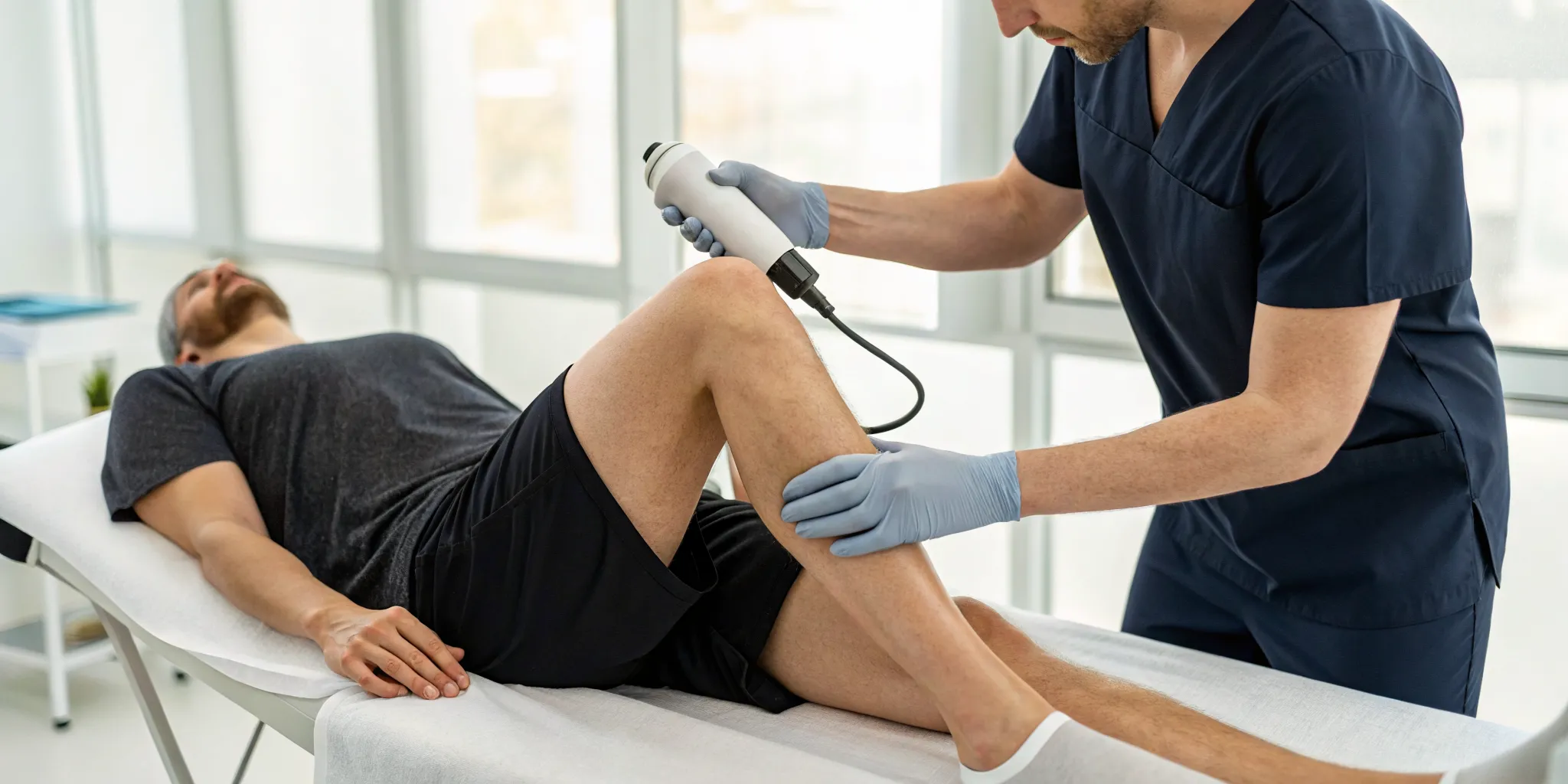
During your appointment, we’ll have you get comfortable in a treatment room. Dr. Singh will apply a special gel to the injured area, which helps the shock waves travel effectively into your tissue. He will then use a handheld device that delivers acoustic waves directly to the source of your pain. Many patients describe the sensation as a strong tapping or pulsing. While you might feel some mild discomfort, especially over tender spots, the intensity is adjustable to keep you comfortable. The entire process is quick, usually lasting only about 10 to 15 minutes. It’s a completely non-invasive treatment, meaning no incisions or needles are involved.
Your Recommended Treatment Schedule
One of the best parts of shock wave therapy is that it delivers results without a huge time commitment. While every person’s healing journey is unique, a typical treatment plan involves three to five sessions. We usually schedule these appointments about a week apart to give your body time to respond and begin the natural healing process. During your initial consultation, Dr. Singh will assess your specific condition and athletic goals to create a personalized schedule for you. This tailored approach ensures you get the most effective care from our regenerative medicine services, helping you achieve lasting relief as efficiently as possible.
How to Prepare and Care for Yourself After
There’s very little you need to do to prepare for your session. Afterward, you can get right back to your day. Unlike surgery, there’s no significant downtime, and most people can continue their normal activities. You might notice some mild redness, swelling, or even slight bruising in the treated area, but this is a positive sign. It indicates increased blood flow and shows that your body’s healing response has been activated. We generally advise patients to take it easy for the first 24 to 48 hours and avoid high-impact activities to let the healing process work its magic. Your body is doing important work, and giving it a little rest helps support that natural recovery.
Is Shock Wave Therapy Safe?
It’s smart to ask about the safety of any medical treatment. When you’re an athlete dealing with a nagging injury, the last thing you want is a setback. The good news is that shock wave therapy is a well-regarded, non-invasive treatment with a strong safety record. It’s an FDA-cleared technology that has been used for decades to treat various musculoskeletal conditions, helping people avoid surgery and get back to their lives faster.
Like any effective therapy, it’s important to understand the full picture, including potential side effects and situations where it might not be the best fit. A key part of our process is a thorough evaluation to confirm that you are an ideal candidate. We’ll review your health history and discuss your goals to ensure this treatment aligns with your specific needs. Your safety and a successful outcome are our top priorities.
Understanding Temporary Side Effects
After a shock wave therapy session, it’s common to experience a few mild and temporary side effects. You might notice some redness, minor bruising, or slight swelling at the treatment site. Some patients also report a bit of numbness or tenderness in the area. Think of these reactions as signs that your body is kicking its natural healing process into gear. The energy waves stimulate a powerful inflammatory response, which is exactly what we want for tissue repair. These effects typically fade on their own within a day or two, and most people can return to their normal activities right away.
Who Might Need an Alternative Treatment
While shock wave therapy is safe for most people, it’s not the right choice for everyone. A careful review of your medical history is essential to ensure your safety. For example, this treatment is generally not recommended if you are pregnant, have a blood clotting disorder, or take blood-thinning medications. It’s also avoided in areas with active infections, cancerous growths, or for those with significant nerve damage from conditions like diabetes. During your consultation, a specialist like Dr. Singh will discuss your health history to determine if you’re a good candidate or if another approach would be better for you.
Important Safety Considerations
Your safety is the most important factor. The most critical rule is that shock wave therapy should never be used over areas with cancerous tumors or on a developing fetus. Beyond these major contraindications, the primary considerations revolve around ensuring the treatment is performed correctly by a trained professional. When administered by an expert in regenerative medicine, shock wave therapy is an exceptionally safe procedure with minimal risk. The side effects are typically mild and short-lived, making it a reliable alternative to more invasive options like injections or surgery for many chronic pain conditions.
Common Myths About Shock Wave Therapy
When you’re dealing with a nagging injury, you want a solution that works. As shock wave therapy gains recognition, it’s natural for questions and misconceptions to pop up. If you’ve heard things that make you hesitant, you’re not alone. Let’s clear the air and separate fact from fiction so you can make an informed decision about your health. We’ll look at some of the most common myths surrounding this treatment and give you the real story.
Myth: The Treatment Is Painful
One of the biggest worries I hear from patients is that shock wave therapy will be painful. The name itself can sound intense, but the reality is much gentler. This is a non-invasive treatment, meaning no incisions or needles are involved. The goal is to relieve your pain, not cause more of it. Most people describe the sensation as a series of strong pulses or tapping on the skin. While you might feel mild discomfort over a tender area, the intensity is adjusted to your tolerance. The procedure is done in our office, and you can walk out and go about your day immediately after.
Myth: It Requires a Long Recovery
This myth likely comes from confusing shock wave therapy with surgery. Surgical procedures often require weeks or even months of downtime, a major setback for any athlete. Shock wave therapy is the complete opposite. Because it’s non-invasive and stimulates your body’s own healing mechanisms, there is virtually no recovery time. You can leave your appointment and get right back to your daily routine. We’ll give you specific advice based on your injury, but most patients don’t need to plan for any downtime. This is a huge advantage for athletes who want to avoid long layoffs and get back to their sport safely.
Myth: It Only Works for Specific People
While shock wave therapy is a game-changer for athletes, its benefits aren’t limited to them. This myth couldn’t be further from the truth. We use this versatile treatment to help a wide range of people, from weekend warriors to individuals with chronic pain from their jobs or daily activities. If you’re suffering from plantar fasciitis, Achilles tendinopathy, or other stubborn soft-tissue injuries, this could be the solution. That said, it isn’t a universal cure. Your health and medical history determine if you’re a good candidate. The only way to know for sure is to have a thorough evaluation. Dr. Singh provides personalized care and will help you determine if this is the right path for your recovery.
Are You a Good Candidate for This Treatment?
Shock wave therapy is a game-changer for many people, but it’s not a one-size-fits-all solution. The best way to know if it’s right for you is to have a thorough conversation about your injury, your activity level, and your health history. This treatment works best for specific types of injuries and for people who meet certain health criteria. Let’s walk through what makes someone an ideal candidate for this powerful, non-invasive therapy.
Ideal for Athletes with Nagging Injuries
If you’re an athlete who has been sidelined by a stubborn injury that just won’t heal, you are exactly the type of person who could benefit from shock wave therapy. It’s especially effective for chronic issues that haven’t responded to traditional methods like rest, ice, and stretching. We often see fantastic results for nagging conditions like chronic ankle pain, jumper’s knee, and IT band pain. Instead of just masking the pain, this treatment targets the root cause of the injury, stimulating your body’s own healing mechanisms to repair the damaged tissue. It’s a way to finally move past that frustrating plateau in your recovery and get back to performing at your best.
Best for Certain Chronic Conditions
Shock wave therapy is particularly successful for specific chronic conditions affecting the tendons and fascia. If you’ve been battling plantar fasciitis for months or are dealing with persistent Achilles tendonitis, this treatment could be the breakthrough you need. It works by sending acoustic waves into the tissue, which helps reduce pain and promotes healing in bones, tendons, and ligaments. Because it triggers a natural healing response, it’s an excellent option for stress fractures that are slow to mend. Our regenerative medical therapies are designed to help your body repair itself, and shock wave therapy is one of the most effective tools we have for these stubborn conditions.
Reviewing Your Health and History
Your safety and success are our top priorities. That’s why a detailed review of your health history is a critical first step. While shock wave therapy is very safe, it’s not recommended for everyone. For example, we would explore other options if you are pregnant, have certain blood-clotting disorders, or have an active infection in the treatment area. During your one-on-one consultation, Dr. Singh will personally review your case to determine if this is the right path for you. This personalized approach ensures you receive the most effective and appropriate care for your specific needs, helping you achieve your recovery goals safely.
Why Choose Dr. Singh for Your Shock Wave Therapy?
Choosing the right provider for your treatment is just as important as the treatment itself. When you’re dealing with a persistent injury, you want a specialist who not only has the right tools but also understands your goals. At our clinic, we combine deep expertise in regenerative medicine with a patient-first approach to get you back to your life, pain-free. Dr. Singh is dedicated to providing effective, non-invasive solutions that work with your body’s natural healing processes.
Our Expertise in Regenerative Medicine
As a leader in regenerative medicine, Dr. Singh focuses on treatments that help your body heal itself. Shock wave therapy is a cornerstone of this philosophy. It’s a non-invasive treatment that uses acoustic waves to stimulate blood flow and tissue repair, effectively addressing the root cause of your pain without surgery or medication. This approach is perfect for athletes and active individuals who want to recover from injuries like plantar fasciitis or tendonitis and avoid long periods of downtime. We see it as a way to work with your body, not just mask the symptoms, to achieve lasting relief and get you back to performing at your best.
Personalized, Concierge-Style Patient Care
We believe exceptional care goes beyond the treatment room. Our clinic operates on a concierge model, which means your experience is completely tailored to you. From your first consultation to your final session, you will be seen by Dr. Singh himself. This ensures you receive consistent, expert care from a doctor who truly understands your condition and recovery goals. We prioritize your comfort and make sure you feel heard and supported every step of the way. Your care team should place a high value on patient comfort, and our patient testimonials show that we do just that. You’re not just another appointment on the calendar; you’re a partner in your own healing journey.
Advanced Technology for Immediate Relief
We invest in the latest technology to give our patients the best possible outcomes. Our advanced shock wave therapy equipment delivers precise radial pressure waves to the injured area, triggering your body’s natural healing response. This method is becoming increasingly popular because it’s safe, highly effective, and doesn’t require surgery. For athletes, this means a faster and more efficient path back to training and competition. Many patients experience significant pain relief after just a few sessions. By combining this cutting-edge technology with our other regenerative services, we create a comprehensive plan to help you heal quickly and completely, so you can put pain behind you for good.
Related Articles
- Acoustic sound wave and regenerative medical therapy helps overcome oxygen deprivation
- 5-Trusted by the Pros: SoftWave Therapy for Sports Injuries and Athletic Recovery
- 6-Trusted by the Pros: SoftWave Therapy for Sports Injuries and Athletic Recovery
Frequently Asked Questions
What does shock wave therapy actually feel like? This is a very common question, and it’s understandable to be curious. The treatment is not painful; instead, most people describe it as a series of strong, rhythmic pulses or tapping against the skin. You might feel some mild discomfort when the applicator passes over a particularly tender spot, but the intensity is always adjusted to your personal comfort level. The entire session is quick, usually lasting about 10 to 15 minutes, and since it’s completely non-invasive, you can walk out and continue your day right after.
How many sessions will I need and how soon will I see results? While every person’s body responds differently, a typical treatment plan consists of three to five weekly sessions. This schedule gives your body the time it needs to kickstart its healing response between appointments. Many patients begin to feel significant pain relief after just a couple of sessions. The goal is to achieve lasting improvement within a few weeks, which is a much faster timeline than the months of recovery often required after surgery.
Is this treatment safe, and are there any side effects? Yes, shock wave therapy has a very strong safety record and is cleared by the FDA for treating musculoskeletal conditions. The most common side effects are mild and temporary, such as redness, slight swelling, or tenderness in the treated area. These are actually positive signs that the therapy is working by increasing blood flow and stimulating a healing response. During your consultation, Dr. Singh will review your medical history to ensure this is a safe and appropriate choice for you.
Will I have to stop training or take time off work? One of the biggest benefits for active people is the minimal downtime. There is no long recovery period associated with shock wave therapy. You can return to your daily activities and work immediately after your appointment. We generally recommend avoiding high-impact exercise for about 24 to 48 hours after each session to allow the healing process to begin effectively. This is a significant advantage over surgery, which can sideline you for weeks or months.
How is this different from getting a cortisone shot for my pain? This is a great question because the two approaches are fundamentally different. A cortisone shot is an anti-inflammatory injection that can provide temporary pain relief by masking the symptoms. Shock wave therapy, in contrast, is a regenerative treatment. It works by stimulating your body’s own natural healing mechanisms to repair the injured tissue at its source. Instead of a temporary fix, it aims to create a long-term solution by addressing the root cause of your pain.