



You’ve already tried the drugstore insoles and maybe even spent a small fortune on custom orthotics, but the nagging pain in the ball of your foot persists. When standard solutions fail to provide relief, it’s incredibly frustrating. This often means the problem isn’t just about support; it’s about a loss of your foot’s own natural cushioning. This condition is called metatarsal fat pad atrophy, and it requires a different approach. It’s time to look beyond temporary fixes and explore options that restore what you’ve lost. This guide covers the next level of metatarsal fat pad atrophy treatment, focusing on minimally invasive and regenerative therapies that work to rebuild your foot’s padding from the inside out for lasting comfort.
Key Takeaways
- Understand the Symptoms: If you feel like you’re walking on pebbles or have persistent pain in the ball of your foot, you may be experiencing fat pad atrophy, which is the thinning of your foot’s natural cushion.
- Know Your Treatment Options: Relief can start with supportive shoes and orthotics, but for a more lasting solution, advanced regenerative therapies like laser, shockwave, and stem cell treatments can help repair the tissue and get you back to your activities faster.
- See a Specialist for Lasting Relief: While you can slow the condition’s progression with smart footwear choices, persistent pain requires an expert. Getting an accurate diagnosis is the most important step toward finding a treatment that helps you safely return to your active life.
What Is Metatarsal Fat Pad Atrophy?
If you feel like you’re walking on pebbles or directly on the bones in the ball of your foot, you might be dealing with metatarsal fat pad atrophy. It’s a common condition, especially among active people, but the pain can be frustrating and limit your activities. Understanding what’s happening inside your foot is the first step toward finding relief and getting back to doing what you love. This condition involves the thinning of the natural cushion that protects your foot bones, but the good news is that effective treatments are available.
Understanding Your Foot’s Natural Cushioning
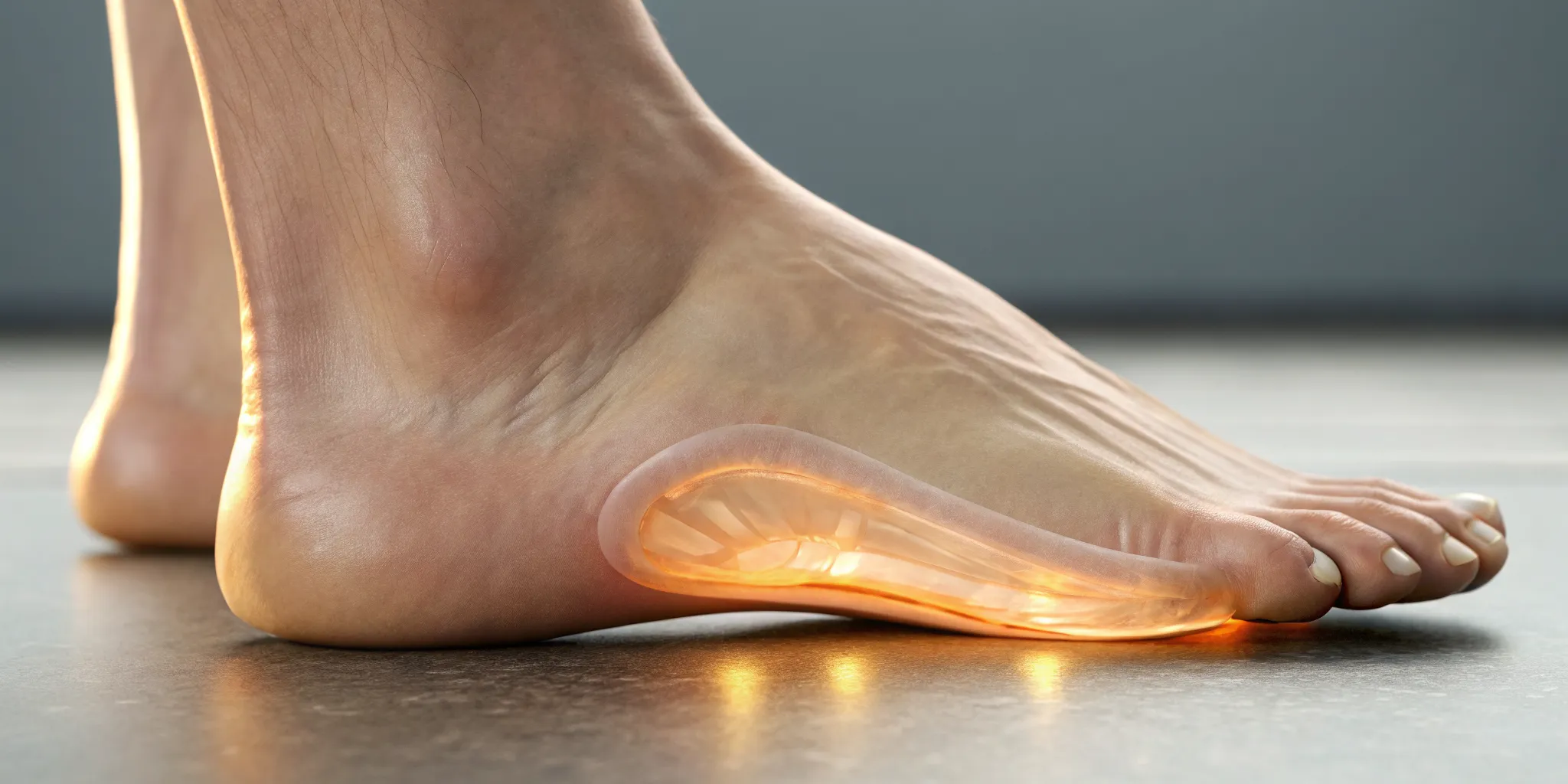
Think of the bottoms of your feet as having their own built-in shock absorbers. These special areas, known as fat pads, are located right under the ball of your foot and your heel. Their main job is to provide a natural cushion every time you stand, walk, or run. This padding is essential for distributing pressure evenly across your foot, protecting the delicate bones, nerves, and ligaments underneath from the constant impact of daily life. Without this cushioning, every step would feel much harder on your body. These pads are a key part of your foot’s complex structure, working hard to keep you moving comfortably.
Common Causes of Fat Pad Atrophy
So, what happens when this natural cushioning starts to wear down? That’s a condition called fat pad atrophy. It’s a gradual thinning of the protective fatty layer, leaving the sensitive structures in your foot more exposed to pressure and impact. This can lead to significant pain, inflammation, and a feeling like you’re walking directly on bone. Several factors can contribute to this breakdown. For many, it’s a natural part of the aging process. For athletes, years of high-impact activities like running can accelerate wear and tear. Other common causes include foot injuries, significant weight gain, and even genetics. Your choice of footwear also plays a huge role; consistently wearing high heels or ill-fitting shoes can put unnatural stress on the balls of your feet.
Are You at Risk?
While anyone can experience fat pad atrophy, some people are more likely to develop it. If you’re an athlete who participates in high-impact sports, you’re putting more demand on your feet’s natural padding. Adults over 50 also see a natural decline in this tissue. Interestingly, a history of multiple cortisone shots in the foot can be a major contributor, as the injections can cause the fat tissue to break down over time. Certain health conditions, such as rheumatoid arthritis or diabetes, can also affect the integrity of the fat pads. Even your foot’s unique structure, like having a high arch, can concentrate pressure on the ball of your foot, leading to faster wear. If any of this sounds familiar, it’s a good idea to speak with a specialist who understands these complexities.
What Does Fat Pad Atrophy Feel Like?
Figuring out what’s causing your foot pain can be tricky, especially when symptoms start subtly. Fat pad atrophy often begins as a minor annoyance but can progress to significant discomfort. It’s a distinct feeling, almost like the natural cushioning in your feet has deflated. If you’ve started to feel every single pebble underfoot or find yourself avoiding hard floors, you might be experiencing the early signs. Understanding these symptoms is the first step toward finding relief and getting back to your active life.
Recognizing Pain in the Ball of Your Foot
The most common sign of fat pad atrophy is a persistent, localized pain in the ball of your foot. Many people describe it as feeling like they are walking directly on the bones of their feet. The main symptom is pain or increased sensitivity in the ball of the foot, and sometimes the heel. This discomfort often gets worse when you’re standing for long periods, walking barefoot on tile or hardwood, or wearing thin-soled shoes. For active individuals, this pain can be especially frustrating. It might start as a dull ache during your run but can become sharp and intense enough to stop you from doing the activities you love.
Spotting Calluses and Changes in Your Walk
Have you noticed new, stubborn calluses forming on the ball of your foot? This isn’t a coincidence. As the fatty pad thins, your body tries to protect the underlying bones by building up layers of hard skin. You might also find yourself unconsciously changing the way you walk to avoid putting pressure on the painful area. This can lead to a chain reaction of stress on your ankles, knees, and even your hips. Because the symptoms can be vague, the pain is sometimes mistaken for other conditions like plantar fasciitis or a neuroma. Getting an accurate diagnosis is key, which is why it’s so important to see a specialist who can pinpoint the true cause of your discomfort.
Common Myths About This Foot Condition
One of the biggest misconceptions about fat pad atrophy is that it will get better on its own. Unfortunately, this condition does not heal naturally, but the symptoms can be managed with the right approach. While over-the-counter pads can offer temporary relief, they don’t address the root cause: the loss of tissue. Another myth is that your only option is to live with the pain. Modern medicine offers innovative ways to address this issue. Advanced regenerative medical therapies can help restore your foot’s natural cushioning, offering a long-term solution that goes far beyond simple symptom management. These treatments focus on rebuilding what was lost, allowing you to walk comfortably again.
At-Home Treatments to Try First
Before exploring advanced treatments, there are several effective at-home strategies you can use to manage the pain from fat pad atrophy. These steps focus on reducing pressure on the ball of your foot and providing the support your feet are missing. While they may not reverse the condition, they can offer significant relief and improve your day-to-day comfort, allowing you to stay active. Think of these as your first line of defense against foot pain. Trying these methods can also give you a clearer picture of your condition, which is valuable information if you decide to see a specialist later on.
Find Relief with Pads and Insoles
One of the simplest and most immediate ways to find relief is by using metatarsal pads. These small but mighty cushions, which can be adhesive or strapped on, are placed in your shoe just behind the ball of your foot. Their purpose is to lift and separate the metatarsal bones, which helps offload pressure from the painful area. You can find them at most drugstores, and they are an inexpensive way to test if extra cushioning helps. While they aren’t a permanent fix, they can make walking and standing much more comfortable, especially in shoes that lack built-in support. They are a great starting point for anyone experiencing that tell-tale “walking on a rock” sensation.
How Custom Orthotics Provide Support
If over-the-counter pads aren’t cutting it, custom orthotics are the next logical step. Unlike generic insoles you buy off the shelf, custom orthotics are designed by a podiatrist to fit the exact contours of your feet. They provide targeted support that redistributes your body weight more evenly across your entire foot, rather than letting it concentrate on the sensitive ball of your foot. This personalized approach can correct biomechanical issues that contribute to your pain. Our clinic offers several regenerative services and can help determine if custom orthotics are the right solution to complement your treatment plan and get you back to your active lifestyle with less discomfort.
Choose Footwear That Helps, Not Hurts
The shoes you wear every day have a massive impact on your foot health. If you’re dealing with fat pad atrophy, it’s time to reassess your footwear. High heels and completely flat shoes are major culprits, as they force pressure directly onto the ball of your foot. Instead, choose shoes with ample cushioning and good shock absorption to soften the impact of each step. It’s also wise to avoid walking barefoot on hard surfaces like tile or hardwood floors, as this offers zero protection for your thinning fat pads. A supportive pair of house slippers or cushioned sandals can make a world of difference for your comfort at home.
The Role of Physical Therapy and Lifestyle Changes
For athletes, the idea of scaling back can be tough, but smart activity modification is key to managing this condition. This doesn’t mean stopping altogether. It means swapping high-impact exercises like running and jumping for low-impact alternatives such as swimming or cycling. This change reduces the repetitive stress on the balls of your feet, giving them a chance to recover. Additionally, physical therapy can be incredibly beneficial. A therapist can guide you through exercises to strengthen the muscles in your feet and ankles, improve your gait, and increase flexibility, all of which contribute to better foot function and less pain.
Minimally Invasive Options for Lasting Relief
When pads and better shoes aren’t enough to manage the pain, you might start looking for a more lasting solution. If you’re feeling that “walking on pebbles” sensation and it’s holding you back from your active life, it could be time to consider procedures that rebuild your foot’s lost cushioning. Minimally invasive options aim to restore that padding directly in the ball of your foot, offering more significant relief than at-home remedies.
These treatments are a step beyond orthotics and involve introducing a substance to plump up the fat pad. The two most common approaches are using dermal fillers for a temporary cushion or performing a fat graft to rebuild the pad with your own tissue. While these procedures can be effective, they come with their own considerations for recovery and longevity. Understanding how they work is the first step in deciding if one of these services is the right path for you. It’s all about finding a solution that gets you back on your feet and moving comfortably.
Restore Padding with Dermal Fillers
One popular option is the use of dermal fillers. You’ve likely heard of them being used for cosmetic purposes in the face, and the principle is similar for your feet. A specialist injects a biocompatible, collagen-stimulating filler into the ball of the foot where the padding has thinned. This essentially creates a new, synthetic cushion right where you need it most.
The goal is to add volume and shock absorption, reducing the direct pressure on your metatarsal bones. The relief can be significant, but it’s important to know that this is a temporary fix. Most fillers provide comfort for about six to twelve months before your body naturally absorbs them. It’s a great way to test out how much of a difference restored padding can make.
Rebuild Cushion with Fat Grafting
For a more permanent solution that uses your body’s own resources, fat grafting is another option. This is a minimally invasive procedure where a doctor carefully removes a small amount of fat from another part of your body, like your abdomen or thighs. That fat is then purified and precisely injected into the balls of your feet. The idea is to rebuild your foot’s natural cushioning with its own material, replacing the atrophied tissue.
Because it uses your own fat, this method creates a very natural-feeling pad that becomes a permanent part of your foot. It’s an innovative way to address the root cause of the problem by restoring what was lost, rather than just adding a temporary buffer. This approach appeals to many who are looking for a long-term fix.
Understand the Risks and Realistic Outcomes
Making an informed decision means weighing the benefits against the potential downsides. While both fillers and fat grafting are generally safe, no procedure is without risk. With any injection, there’s a small chance of infection. For fat grafting specifically, there’s also a possibility that not all of the transferred fat will survive, which could affect the final result.
Recovery is another key factor. After a fat grafting procedure, you may need to limit walking for several days or weeks to give the new fat cells the best chance to thrive. It can take up to six months to see the full effects. Discussing the entire process, from preparation to recovery, during a personalized consultation will help you set realistic expectations and choose the best path for your activity goals.
Advanced Regenerative Therapies for Faster Recovery
If you’re an athlete or someone who lives an active life, the idea of long recovery times is a non-starter. When at-home treatments aren’t enough, you don’t have to jump straight to surgery. Advanced regenerative therapies are changing the game for foot pain. These treatments work by harnessing your body’s own powerful healing abilities to repair tissue, reduce inflammation, and restore function from the inside out. They are excellent options for addressing the root cause of fat pad atrophy without incisions or significant downtime, helping you get back to your sport and daily activities faster.
Class IV Laser Therapy
Imagine using focused light to heal your foot on a cellular level. That’s the idea behind Class IV laser therapy. This non-invasive treatment uses a high-powered laser to send light energy deep into the tissues of your foot. This process stimulates cellular metabolism, increases blood flow to the area, and kicks your body’s natural repair mechanisms into high gear. The result is reduced pain and inflammation. For athletes dealing with the constant stress of impact, this therapy can be a fantastic way to improve function and find relief without any needles or downtime. Each session is quick, painless, and helps you move closer to a full recovery.
Shockwave Therapy
Shockwave therapy, also known as Extracorporeal Shock Wave Therapy (ESWT), is another powerful, non-surgical option. This treatment delivers acoustic waves to the affected part of your foot. These waves create a controlled micro-response in the tissue, which stimulates blood flow and encourages the production of new collagen, a key building block for healthy tissue. Think of it as a way to restart the healing process for a chronic injury. Research shows that ESWT is effective in treating a variety of stubborn musculoskeletal conditions, including those that cause pain in the ball of the foot. It’s a great choice for rebuilding tissue strength and resilience over a series of treatments.
Stem Cell Therapy and Peptides
This is where treatment gets truly innovative. Stem cell therapy uses your body’s own unique cells to promote tissue regeneration in the depleted fat pad. These cells can help rebuild the natural cushioning you’ve lost. When combined with peptides, the results can be even more impressive. Peptides are small proteins that act as messengers, telling your cells what to do. Certain peptides, like BPC-157, are known to accelerate healing and significantly reduce inflammation. This combination offers a comprehensive approach to not just manage symptoms but to fundamentally repair the damaged area, giving you a stronger, more comfortable foundation.
How to Choose the Right Treatment for You
Deciding on the best path forward for your foot pain can feel overwhelming, but it doesn’t have to be. The right treatment for fat pad atrophy is highly personal. It depends on your specific symptoms, your lifestyle, and what you hope to achieve. The most effective approach is always a personalized one, created in partnership with a specialist who understands your unique situation. By thinking through a few key areas, you can walk into your consultation feeling prepared and confident in the decisions you make for your health. This process is about finding a solution that not only relieves your pain but also fits seamlessly into your life.
Assess Your Symptoms
The first step is to get clear on what you’re feeling. The main symptom of fat pad atrophy is pain or a deep ache in the ball of your foot, the heel, or sometimes both. For some, this is a minor annoyance, but for others, the pain can be severe enough to stop you from doing your daily activities. Pay attention to when the discomfort flares up. Does it get worse after you’ve been walking on hard floors or after wearing a specific pair of shoes? Understanding these triggers provides valuable clues. Making a few notes about your pain level and what makes it better or worse will help you have a productive conversation when you schedule a consultation.
Consider Your Recovery and Activity Goals
What do you want to get back to doing without pain? Your personal goals are a huge factor in choosing a treatment. If you’re an athlete eager to return to your sport or someone who simply wants to enjoy long walks again, your treatment plan should support that. Conservative measures are a great starting point, but if they aren’t giving you the relief you need, it’s time to explore other options. Advanced regenerative therapies are designed for faster recovery, helping you get back on your feet and back to your life with minimal downtime. It’s important to discuss your expectations for recovery so your specialist can match you with a treatment that aligns with your activity goals.
Review Your Budget and Options
Treatments for fat pad atrophy range from simple shoe inserts to advanced regenerative procedures, and the investment varies accordingly. Options like custom orthotics can offer significant relief by redistributing pressure, while dermal fillers can help rebuild your foot’s natural cushion. It’s helpful to think of this as an investment in your long-term mobility and quality of life. During a one-on-one consultation, you can get a clear understanding of the costs associated with a personalized treatment plan. Working directly with a dedicated specialist like Dr. Singh ensures you receive a plan tailored specifically to your needs, rather than a one-size-fits-all solution.
Can You Prevent Fat Pad Atrophy?
While you can’t turn back the clock on the natural aging process, you can absolutely take steps to protect the fatty pads on your feet and slow down their thinning. Think of it as proactive care. By making a few conscious choices in your daily life, you can reduce the stress on the balls of your feet, manage discomfort, and keep doing the activities you love with less pain. The two most effective strategies involve being smart about your footwear and making small but significant adjustments to your lifestyle and exercise routines. These habits not only help with fat pad atrophy but also contribute to your overall foot health, keeping you stable and active for years to come.
Develop Protective Footwear Habits
The right shoes act as a substitute for the cushioning your feet have lost. Your goal should be to find footwear that protects the sensitive areas of your feet. Opt for shoes with thick, cushioned soles and good arch support to help distribute pressure more evenly across your foot instead of concentrating it on the ball. It’s also wise to limit your time in high heels or shoes with narrow, tight toe boxes. These styles force your weight forward onto the metatarsals and squeeze your foot, which can speed up the thinning of your fat pads and increase pain. Choosing protective footwear is one of the simplest and most effective habits you can build for long-term relief.
Make Lifestyle Changes to Slow Progression
Your daily activities and exercise habits play a big role in the health of your foot padding. If you’re an athlete or live an active lifestyle, you don’t have to stop moving. Instead, consider swapping some high-impact exercises like running and jumping for low-impact alternatives. Activities like swimming, cycling, or using an elliptical machine still provide a great workout without the repetitive pounding on the balls of your feet. Maintaining a healthy weight is also important, as it reduces the overall force your feet have to absorb with every step. By being mindful of the stress you put on your feet, you can effectively manage your symptoms and slow the progression of fat pad atrophy.
When to See a Specialist About Your Foot Pain
Trying at-home remedies is a great starting point, but if the pain in the ball of your foot just won’t quit, that’s your first major clue. Persistent discomfort, especially after you’ve tried new shoes or supportive insoles, is your body’s signal that the underlying issue needs a professional look. Another clear sign is developing painful, recurring calluses. These aren’t just a nuisance; they indicate that the pressure on your foot is unbalanced and needs to be properly addressed by an expert who understands foot mechanics.
It’s also crucial to get an accurate diagnosis. Foot pain can be complex, and the symptoms of fat pad atrophy can easily be mistaken for other conditions like plantar fasciitis or a Morton’s neuroma. Self-diagnosing can lead you down the wrong treatment path, wasting time while you continue to deal with the pain. A specialist can pinpoint the exact cause of your discomfort, which is the most important step toward finding a solution that actually works. Getting treatment early doesn’t just manage the symptoms; it can significantly improve your quality of life and get you back to your favorite activities much faster.
Ultimately, if foot pain is holding you back from your daily runs, workouts, or simply enjoying a walk without wincing, it’s time to seek help. You don’t have to accept discomfort as your new normal. A specialist can introduce you to advanced treatment options that go far beyond basic orthotics, offering regenerative solutions designed for lasting relief and a quick recovery. When you’re ready to stop managing symptoms and start healing, the best next step is to schedule a consultation to discuss your personal goals and create a tailored plan.
Related Articles
- Fat Pad Injection Regenerated Medical Therapy: Cushioning for your feet – Comprehensive Foot and Ankle Institute
- Fat Pad Restoration with Liposona: Fat pad filler – Comprehensive Foot and Ankle Institute
- blog Archives – Comprehensive Foot and Ankle Institute
Frequently Asked Questions
Will I have to stop being active if I have fat pad atrophy? Not at all. The goal of treatment is to get you back to the activities you love, not take them away. While you might need to temporarily swap high-impact exercises like running for low-impact ones like swimming or cycling, this is usually just to give your feet a break. Advanced regenerative treatments are specifically designed to help active people recover faster so they can return to their sport with less pain and more stability.
How is fat pad atrophy different from plantar fasciitis? This is a great question, as the two are often confused. The main difference is the location of the pain. Fat pad atrophy causes a deep ache or a feeling of walking directly on the bones in the ball of your foot. Plantar fasciitis, on the other hand, typically causes a sharp, stabbing pain in the heel, which is often most intense with your first steps in the morning. An accurate diagnosis is key to getting the right treatment.
What is recovery like for regenerative therapies like laser or shockwave therapy? One of the biggest benefits of these treatments is the minimal downtime. For therapies like the Class IV laser and shockwave therapy, there is no recovery period needed. You can walk out of the office immediately after your session and resume your normal daily activities. These treatments are designed to fit into an active lifestyle, helping you heal without putting your life on hold.
Are treatments like stem cell therapy or fillers a permanent fix? Dermal fillers offer significant, but temporary, relief that usually lasts between six and twelve months before your body absorbs the material. Regenerative options like fat grafting or stem cell therapy are different because they use your body’s own tissues to rebuild the lost padding. These are intended to be long-term, more permanent solutions that address the root cause of the problem by restoring your foot’s natural cushion.
Are these advanced treatments typically covered by insurance? Most regenerative and minimally invasive procedures for fat pad atrophy are considered elective and are not covered by insurance plans. Our clinic focuses on providing highly personalized, one-on-one care that isn’t restricted by insurance company policies. This concierge approach allows us to create the most effective treatment plan tailored specifically to your needs and goals.