



Your body is your most important piece of equipment, and that connection between your brain and your feet has to be perfect. When neuropathy enters the picture, that connection gets fuzzy. The tingling, numbness, and unexpected pains aren’t just annoying; they’re a sign that the signals are getting crossed. This can affect your balance, weaken your stride, and chip away at your confidence. You don’t have to guess what’s wrong or hope it goes away on its own. Scheduling a foot neuropathy specialist consultation is the most direct way to decode your body’s signals and create a personalized plan using regenerative therapies that heal the problem at its source.
Key Takeaways
- Recognize the difference between soreness and nerve pain: Don’t dismiss persistent tingling, numbness, or shooting pains as part of your training; these are key signs of potential nerve damage that need to be addressed.
- Prioritize a precise diagnosis for a better outcome: Getting to the root cause of your neuropathy with a specialist is critical, as it allows for a personalized treatment plan that targets the actual problem, not just the symptoms.
- Explore regenerative treatments for faster healing: You can heal the source of nerve pain with non-invasive options like Class IV Laser and Shockwave Therapy, which are designed to repair damage and get you back to your sport without a long recovery.
What Is Foot Neuropathy?
At its core, foot neuropathy is a condition caused by damaged nerves in your feet. Think of your nerves as the body’s electrical wiring, sending signals between your brain and your feet. When that wiring gets damaged, the signals can get crossed, weakened, or lost entirely. This disruption often leads to persistent pain, numbness, and other strange sensations. For an athlete, whose performance depends on the precise connection between mind and body, neuropathy can be a serious obstacle that goes far beyond simple foot pain. Understanding the signs is the first step toward getting back in control.
Key Symptoms to Watch For
The symptoms of foot neuropathy can be different for everyone and may range from mildly annoying to debilitating. You might notice a persistent burning or tingling feeling, almost like your foot is constantly “asleep.” Some people experience sharp, shooting pains that seem to come out of nowhere, while others deal with muscle cramps or a feeling of tightness in their feet and lower legs. Another key symptom is numbness, or a loss of sensation, which can be particularly dangerous as it might prevent you from feeling an injury. These aren’t the typical aches of a tough workout; they are signs that your nerves may need attention.
Common Causes of Foot Neuropathy
While diabetes is one of the most frequent causes of nerve damage, many other factors can lead to peripheral neuropathy. These can include autoimmune diseases, certain vitamin deficiencies (especially B vitamins), infections, and even some medications. For athletes, physical trauma from an old injury or repetitive stress from high-impact activities can also contribute to nerve damage over time. Because there are so many potential causes, getting an accurate diagnosis is essential to finding the right path forward. It’s not always about what you’re doing now, but what your body has been through over the years.
How Neuropathy Impacts Your Performance
Neuropathy doesn’t just cause discomfort; it can directly affect your athletic ability by compromising different types of nerves. Damage to sensory nerves can affect your sense of touch and balance, making you feel unsteady on your feet. When motor nerves are involved, you might experience muscle weakness, which can reduce your power and agility. Neuropathy can also impact autonomic nerves, which control involuntary functions like sweating and blood pressure regulation. This can make it difficult for your body to manage heat and maintain stability during intense exercise. Addressing these issues with advanced regenerative therapies can help you regain function and confidence.
When Is It Time to See a Specialist?
It can be tough to know the difference between normal soreness and a sign that something is wrong. As an athlete, you’re used to pushing your body, but listening to it is just as important. Foot neuropathy isn’t something you can just “walk off.” Ignoring the early signs can sideline you for longer than necessary and lead to more significant issues. If your feet are sending you signals that something is off, paying attention is the first step toward getting back to your peak performance. Knowing when to seek a professional opinion is key to a fast and effective recovery.
Signs You Shouldn’t Ignore
There are certain symptoms that should move to the top of your priority list. If you experience sudden, severe pain without a clear cause, it’s time to get it checked out. The same goes for any numbness or a complete loss of feeling in your feet, which can be incredibly dangerous. You should also take immediate action if you notice open sores or wounds on your feet that are slow to heal, or if you feel a weakness in your muscles that makes it hard to move with your usual stability and power. These are serious red flags that can point to underlying nerve issues requiring prompt, expert care.
Symptoms Athletes Often Overlook
Athletes are masters of pushing through discomfort, but some sensations aren’t just part of the grind. It’s easy to dismiss a little tingling as a foot that’s “fallen asleep,” but persistent burning or tingling feelings are different. Pay close attention to sharp, shooting pains in your lower legs and feet, or muscle cramps and tightness that feel unusual for your activity level. Another subtle but critical sign is numbness that makes it difficult to feel the ground beneath you, affecting your balance and form. These symptoms can come and go, but they often signal the start of neuropathy and shouldn’t be ignored. Our advanced services are designed to address these exact issues.
The Benefit of an Early Diagnosis
Getting a diagnosis for peripheral neuropathy isn’t about confirming bad news; it’s about taking control of your health and creating a plan for recovery. Addressing symptoms early is the single most important factor in managing the condition successfully. When you seek help sooner, you open the door to more effective pain relief and can prevent the problem from progressing. An early diagnosis helps you avoid serious complications and allows for a treatment plan that gets you back to your life and your sport with minimal downtime. The sooner you get answers, the sooner you can start a personalized treatment and feel like yourself again. If any of these symptoms sound familiar, it’s time to contact us for a consultation.
Your First Appointment: What to Expect
Walking into a specialist’s office for the first time can feel a little intimidating, especially when you’re dealing with persistent pain. Knowing what happens during that initial visit can help ease your mind. The goal of this first appointment is simple: to understand exactly what’s causing your symptoms so we can create a plan to fix it. You’ll meet directly with Dr. Singh, who will personally handle your evaluation from start to finish. This one-on-one approach ensures you get the focused, dedicated care you deserve. We’ll talk through your health history, listen to your concerns, and perform a detailed examination to get to the root of the problem and start you on the path to recovery.
The Initial Physical Exam
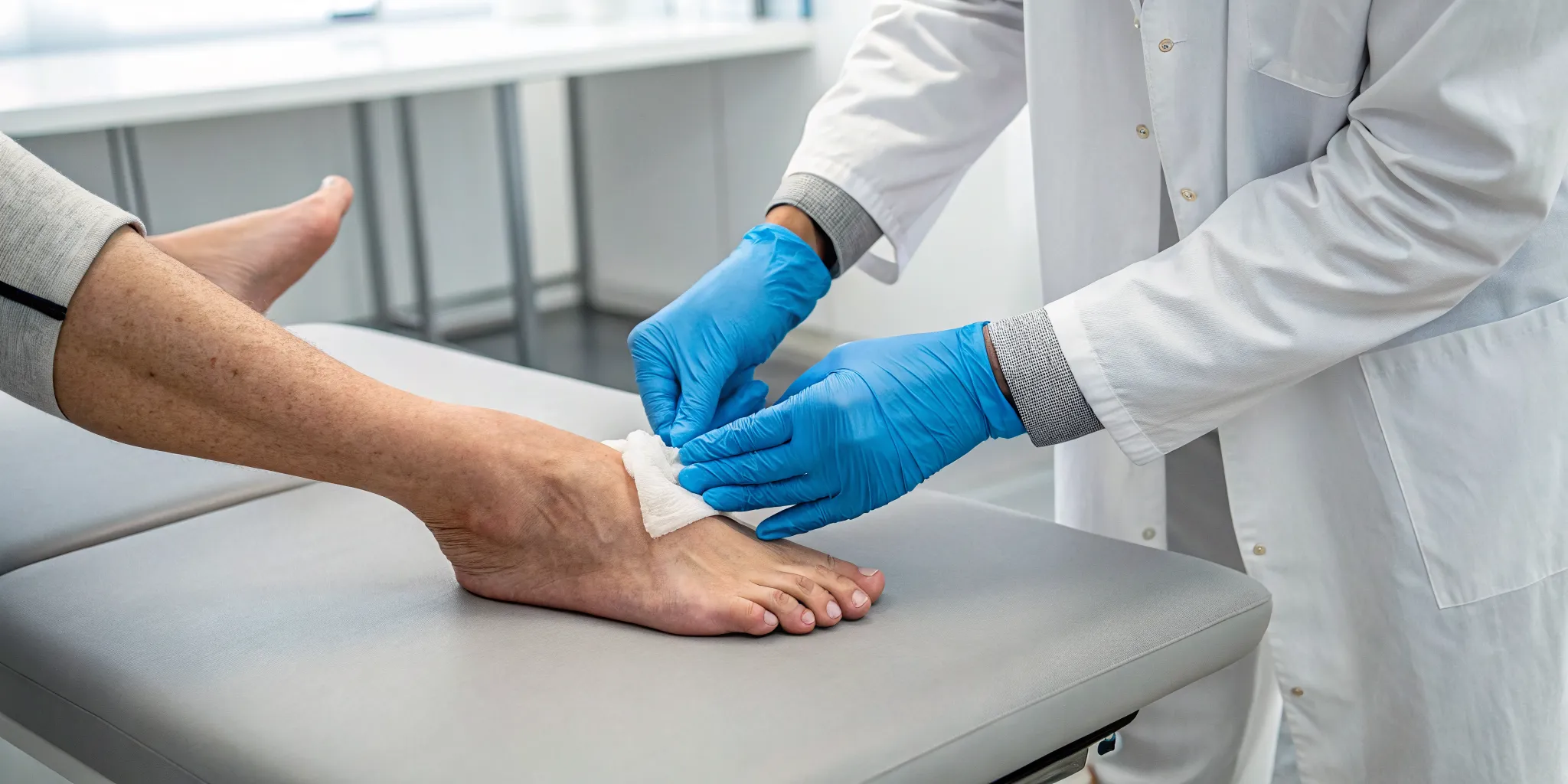
Your consultation begins with a conversation. Dr. Singh will ask about the symptoms you’re experiencing, your activity levels, and your overall health history. This isn’t just a checklist; it’s a discussion to understand how your foot neuropathy is affecting your life and performance. Next, he will conduct a thorough physical exam of your feet and ankles. This includes checking your reflexes, muscle strength, and sensitivity to touch. He may also perform specific nerve tests to assess how well your nerves are functioning. The entire process is designed to be comfortable and informative, giving us the initial clues needed to pinpoint the source of your discomfort and determine the next steps.
Advanced Diagnostic Testing
To get a complete picture of your nerve health, a physical exam sometimes isn’t enough. Depending on your initial evaluation, Dr. Singh might recommend advanced diagnostic tests. These tools help us see exactly what’s happening beneath the surface. Tests can include nerve conduction studies to measure how fast electrical signals move through your nerves or imaging like X-rays or an MRI to see if something is physically pressing on a nerve. We might also use blood tests to check for underlying conditions like vitamin deficiencies that can contribute to neuropathy. These diagnostics provide objective data, allowing us to move beyond guesswork and confirm the precise cause of your symptoms.
Creating Your Custom Treatment Plan
Once all the information is gathered, Dr. Singh will sit down with you to explain the findings and outline a personalized treatment plan. Our philosophy is to address the root cause of your nerve damage, not just mask the pain. As an athlete or active individual, your goal is to get back to your life quickly and safely. That’s why your plan will focus on innovative, regenerative therapies designed for rapid recovery. We will explore cutting-edge services like Class IV Laser Therapy, Shockwave Therapy, or Stem Cell Therapy to help your body heal itself without invasive procedures. We’ll build a strategy that aligns with your goals, getting you back on your feet and performing at your best.
Regenerative Treatments for Neuropathy
If you’re an active person, the last thing you want is to be sidelined by pain and a long recovery. The good news is that managing neuropathy has moved beyond just masking symptoms. Modern regenerative treatments focus on healing the underlying nerve damage from the inside out, helping you get back to your life and your sport, faster. These innovative therapies work with your body’s natural healing processes to repair tissue, reduce inflammation, and restore function.
At our concierge-style clinic, we specialize in these cutting-edge, non-invasive approaches. You will work directly with our doctor to create a personalized plan that addresses your specific needs. We believe in treating the source of the problem, not just the symptoms, so you can achieve lasting relief and get back on your feet without significant downtime. From advanced laser therapies to no-incision procedures, we offer a range of services designed for quick, effective recovery.
Class IV Laser Therapy
Class IV laser therapy is a painless treatment that uses a high-powered, focused beam of light to penetrate deep into your foot and ankle tissues. This isn’t science fiction; it’s a proven method for kickstarting your body’s healing abilities at a cellular level. The laser energy helps reduce inflammation, improve circulation, and stimulate cellular repair. For neuropathy, this can mean significant pain relief and improved nerve function. Research has shown that this type of laser therapy can even encourage nerve regeneration, helping to repair the damage that causes your symptoms in the first place. It’s a quick, non-invasive option that can be a game-changer for getting you back to your activities.
Shockwave Therapy
Shockwave therapy uses acoustic waves to stimulate healing in damaged tissue. Think of it as a way to wake up the repair cells in your feet. During the treatment, a handheld device sends these acoustic waves into the affected area, which helps increase blood flow and promote the regeneration of tissue. It’s a fantastic option for chronic conditions, including neuropathy, because it addresses the root cause of the pain. A systematic review has highlighted the effectiveness of shockwave therapy for reducing chronic pain and improving function, making it a powerful tool for athletes and active individuals who want to avoid more invasive procedures and get back to their peak performance.
Stem Cell Therapy
Stem cell therapy is one of the most exciting frontiers in regenerative medicine. This innovative approach uses your body’s own master cells to repair and regenerate damaged nerves. Stem cells have the unique ability to develop into different cell types, and when used for neuropathy, they can help rebuild nerve tissue. They also release powerful growth factors that reduce inflammation and create a healing environment. Studies on stem cell therapy for peripheral nerve injury have shown its incredible potential to improve nerve function and decrease pain. It’s a forward-thinking treatment that harnesses your body’s innate power to heal itself from within.
Red Light Therapy
Similar to laser therapy but using different wavelengths of light, red light therapy (RLT) is another non-invasive way to support your body’s healing process. This treatment uses specific, low-level wavelengths of red light to penetrate the skin and stimulate your cells. The light is absorbed by your mitochondria, the powerhouses of your cells, which helps them produce more energy. This energy boost can speed up cellular repair, reduce inflammation, and improve circulation. For neuropathy, RLT can help soothe irritated nerves and promote regeneration. The role of photobiomodulation, the scientific term for this process, is well-documented for its effectiveness in reducing neuropathic pain symptoms.
Peptide Therapy
Peptide therapy is a highly targeted treatment that uses specific chains of amino acids, called peptides, to signal cells to perform certain functions. In the case of neuropathy, specific peptides can be used to encourage nerve growth and repair. These peptides act as precise messengers, telling your body to ramp up its natural healing mechanisms in the damaged area. This approach is powerful because it’s so specific; it’s not a general treatment but a tailored one designed to address the nerve damage directly. Research on peptide therapeutics for neuropathic pain highlights their potential to improve nerve function and provide significant pain relief, offering a sophisticated option for recovery.
No-Incision Surgical Options
For some conditions causing neuropathy, a structural issue may be putting pressure on a nerve. In these cases, a minimally invasive approach can provide immense relief without the drawbacks of traditional surgery. We use precise surgical instruments to correct issues like bunions or bone spurs through tiny entry points, often requiring no stitches. These procedures are performed in-office under local anesthesia, and you can walk immediately afterward. This no-incision approach means less pain, no hardware, and a much faster recovery. As discussed in reviews of minimally invasive techniques for peripheral nerve surgery, these methods are changing the game for patients who need surgical intervention but want to maintain an active lifestyle.
How to Prepare for Your First Visit
Walking into a specialist’s office for the first time can feel a little overwhelming, but a bit of preparation can make all the difference. Taking a few moments to gather your thoughts and health information helps ensure your appointment is as productive as possible. This allows Dr. Singh to get a complete picture of what you’re experiencing, which is the first step toward creating a treatment plan that gets you back to your active lifestyle quickly and effectively. Think of it as your first step toward recovery.
Document Your Symptoms
Before your appointment, take some time to write down the specifics of what you’ve been feeling. Neuropathy symptoms can vary from person to person, ranging from a mild, annoying tingle to sharp, burning pains. Getting clear on your unique experience is incredibly helpful. Try to answer a few key questions in your notes: What does the sensation feel like (numbness, pins and needles, sharp pain)? When do you notice it most? What activities make it better or worse? How long has it been happening? No detail is too small, and having this information ready helps your specialist pinpoint the issue.
Prepare Your Health History
Your overall health provides important clues about what might be happening in your feet and ankles. Your specialist will want to know about your complete health background to make an accurate diagnosis. Be ready to discuss your personal and family medical history, any past injuries or surgeries, and a full list of the medications and supplements you currently take. This information helps create a safe and effective treatment plan tailored just for you. Having this ready ensures you can provide a thorough overview without forgetting any key details during your conversation.
Questions to Ask Your Specialist
Your appointment is a conversation, not just an examination. Arriving with a list of questions will help you feel more in control and confident about your care. This is your opportunity to understand your condition and the path forward. Consider asking things like: What do you believe is causing my symptoms? What are my treatment options, and what is the recovery like? How can we tailor the plan to my athletic goals? Getting answers to your questions is essential for making informed decisions and partnering with your specialist to achieve the best possible outcome.
Related Articles
- Diabetes and Regenerative Medical Therapy – Comprehensive Foot and Ankle Institute
- Accessory Navicular Syndrome and Regenerative Medical Therapy – Comprehensive Foot and Ankle Institute
- Volleyball Injuries to the Foot and Ankle Treated by Regenerative Medical Therapy – Comprehensive Foot and Ankle Institute
Frequently Asked Questions
I’m an athlete, so my feet are always sore. How can I tell the difference between normal workout pain and neuropathy? That’s a great question because it can be tricky to distinguish between the two. Typical muscle soreness feels like an ache or tenderness that gets better with rest. Neuropathy pain is different; it often feels like a burning, tingling, or sharp shooting sensation that isn’t tied to a specific muscle. You might also experience numbness or a “pins and needles” feeling that persists even when you’re not working out. A key sign is if the feeling affects your balance or makes you feel unsteady, which is not a normal part of athletic fatigue.
What exactly is “regenerative therapy” and how is it different from traditional treatments? Think of it this way: traditional treatments for pain often focus on managing your symptoms, for example, using medication to block pain signals. Regenerative therapy is different because its goal is to address the source of the problem. These treatments, like laser or stem cell therapy, work by stimulating your body’s own natural healing abilities to repair the damaged nerves and tissues. The focus is on long-term healing and restoring function, not just providing temporary relief.
Are the treatments like laser and shockwave therapy painful? What is the recovery like? Most patients find these treatments to be very manageable and not painful. You might feel a warm sensation during laser therapy or a tapping feeling during shockwave therapy, but they are designed to be comfortable. One of the biggest benefits of these non-invasive approaches is that there is typically little to no downtime. Our goal is to get you back to your activities as quickly as possible, so you can usually walk out of the office and continue with your day right after a session.
How long will it take to know if the treatments are working? The timeline for results can vary because every person and every case of neuropathy is unique. Some patients report feeling a decrease in pain and an improvement in sensation after just a few sessions. For others, the healing process is more gradual. Dr. Singh will create a personalized plan for you and monitor your progress closely. The key is that these therapies are designed to create progressive, lasting improvement by healing the tissue over time.
Will my insurance cover these advanced therapies? This is an important question to ask. Because our clinic offers a highly personalized, concierge level of care and focuses on advanced regenerative procedures, most of our services are not covered by insurance plans. This model allows Dr. Singh to spend significant one-on-one time with you and utilize the most cutting-edge treatments without the restrictions that insurance companies often impose. We can discuss all the details and costs with you upfront so you can make an informed decision about your care.