



Have you ever stopped mid-run, convinced there’s a rock in your shoe, only to find nothing there? That phantom pebble feeling is a classic sign of a condition called metatarsalgia. It’s a specific type of inflammation that affects the ball of your foot, right at the base of your toes. For many athletes, this sensation is the first clue that the repetitive impact from their sport is taking a toll. While it might start as a minor distraction, ignoring it can lead to chronic pain that interferes with your performance and daily life. This guide will explain the symptoms, causes, and modern treatments for metatarsalgia, helping you find lasting relief.
Key Takeaways
- Identify the source of your pain: Metatarsalgia is rarely caused by a single issue; it's usually a combination of intense training, unsupportive shoes, and your unique foot structure creating excessive pressure on the ball of your foot.
- Listen to your foot's warning signs: A sharp, burning ache or the classic feeling of a pebble stuck in your shoe are not normal training pains. These symptoms are clear signals from your body that the tissues in your foot are inflamed and need attention.
- Prioritize smart prevention and recovery: You can prevent this injury by choosing proper athletic shoes and adjusting your training intensity. For existing pain, regenerative therapies offer a way to heal the root cause quickly without surgery or significant downtime.
What is Metatarsalgia?
If you've ever felt a sharp, nagging pain in the ball of your foot, you might be dealing with metatarsalgia. It’s a common condition, especially for active people, but that doesn't make it any less frustrating. Think of it as an overuse injury where the ball of your foot becomes painful and inflamed. This happens when there's too much pressure on your metatarsal bones, which are the long bones that connect your ankle to your toes. When this area is repeatedly stressed, it can lead to significant discomfort that sidelines you from your favorite activities. Understanding the root of this pain is the first step toward getting back on your feet without discomfort.
Defining Ball-of-Foot Pain
Metatarsalgia specifically targets the area between your arches and your toes. The pain is usually concentrated right under the heads of your metatarsal bones. People often describe it as a sharp, aching, or burning pain, and sometimes it feels like you’re walking on a pebble or have a stone in your shoe. This sensation is caused by inflammation from excessive pressure on the front of your foot. While it can affect anyone, it’s a frequent complaint from individuals who spend a lot of time on their feet. Recognizing these specific symptoms of metatarsalgia can help you seek the right kind of care before the problem gets worse.
Why Athletes Are at a Higher Risk
As an athlete, you constantly push your body, and your feet often absorb the most impact. This is why metatarsalgia is particularly common among people who participate in high-impact sports. Activities like running, basketball, and tennis involve repetitive pounding on the balls of the feet, which can easily lead to inflammation. Your gear also plays a huge role. Wearing shoes that don’t fit properly or lack adequate cushioning can significantly increase your risk. While certain foot shapes can make you more prone to this condition, for many athletes, the primary causes of metatarsalgia are directly related to the intensity and frequency of their training.
What Are the Common Symptoms?
Metatarsalgia can feel different from person to person, and the symptoms can even change from one day to the next. You might dismiss it as a minor ache at first, but ignoring it can interfere with your training and daily life. The pain is typically concentrated in the ball of your foot, the padded area between your toes and your arch. It can affect one or two toes, or it might span the entire width of your foot. Recognizing the specific sensations is the first step toward getting the right diagnosis and finding a treatment plan that gets you back on your feet without missing a beat. Understanding these common signs can help you pinpoint what’s going on and decide when it’s time to seek professional care.
Sharp, Burning, or Aching Pain
One of the most common complaints with metatarsalgia is a distinct pain right under the ball of the foot. For some, it’s a sharp, shooting sensation that stops them in their tracks. For others, it’s more of a constant, dull ache or a burning feeling that lingers long after a workout. This discomfort happens at the metatarsal heads, which are the joints at the base of your toes. You might feel it most intensely when you push off the ground to walk or run. This type of persistent pain is your body’s signal that something is wrong, but the right regenerative therapies can address the inflammation and help you heal without surgery.
That "Pebble in Your Shoe" Feeling
Have you ever stopped mid-run to take off your shoe, convinced there’s a rock or a bunched-up sock under your foot, only to find nothing there? This is a classic sign of metatarsalgia. The inflammation and pressure on the nerves in the ball of your foot can create the distinct sensation of having a small pebble stuck under your skin. It’s a frustrating and distracting feeling that can make it difficult to focus on your form or enjoy your activity. This phantom pebble is a tell-tale symptom that points directly to irritation in the metatarsal area, signaling that the structures in your foot need attention.
Pain That Worsens with Activity
Metatarsalgia pain often follows a predictable pattern: it gets worse when you’re active and feels better when you rest. You might feel fine in the morning, but after a long walk, a run, or a day spent on your feet, the pain can become intense. High-impact activities like jumping and sprinting are especially likely to cause a flare-up. The symptoms can appear suddenly after one tough workout or develop gradually over weeks or months. If you find yourself modifying your activities or cutting workouts short because of this escalating pain, it’s a clear sign that the underlying issue isn’t resolving on its own and it's time to get a proper diagnosis.
What Causes Metatarsalgia?
Metatarsalgia rarely appears out of thin air. It’s your foot’s response to excessive, focused pressure on the metatarsal bones, the long bones connecting your ankle to your toes. When these bones and the surrounding tissues are overloaded, they become inflamed, leading to that familiar sharp or burning pain right in the ball of your foot. For many active people, it’s a frustrating roadblock that interferes with training, competition, and even simple daily activities like walking.
The tricky part is that metatarsalgia is often caused by a combination of factors, not just one isolated issue. Think of it like a perfect storm brewing in your foot. Your intense training schedule might be one factor, but when combined with footwear that doesn’t offer proper support, the problem gets worse. Add in an underlying structural issue, like a high arch, and you have a recipe for chronic pain. Understanding the specific combination of triggers affecting you is the key to finding a solution that works. By pinpointing what’s causing the overload, you can take targeted steps to not only relieve the pain but also prevent it from coming back. Let's look at the most common reasons you might be experiencing this specific type of foot pain.
High-Impact Sports and Repetitive Stress
If you’re a runner, a dancer, or play sports that involve a lot of jumping like basketball or volleyball, your feet absorb a tremendous amount of force with every step and landing. This repetitive impact places significant stress directly on the ball of your foot. Over time, this can lead to inflammation in the metatarsal area, causing that distinct feeling that you’re walking on a pebble. It’s your body’s way of signaling that the tissues are being pushed beyond their limit. This is one of the most common reasons athletes develop metatarsalgia, as their training demands constant high-impact movement.
Improper Footwear and Biomechanics
The shoes you wear have a massive impact on how force is distributed across your feet. Footwear with a narrow toe box can squeeze your metatarsal bones together, while high heels shift your entire body weight forward onto the ball of your foot. Even athletic shoes that are worn out or lack adequate cushioning can fail to absorb shock properly, leaving your feet to take the brunt of the impact. Your footwear directly influences your biomechanics, or the way your body moves. The wrong shoes can create an imbalance that puts excessive strain on the metatarsals with every single step you take.
Underlying Foot Structure Issues
Sometimes, the root of the problem lies in the unique anatomy of your feet. Certain structural characteristics can change how pressure is distributed when you walk or run. For example, a high arch can concentrate force on the ball of the foot. Similarly, having a second toe that is longer than your big toe can cause more weight to shift onto the second metatarsal head. Conditions like bunions or hammertoes also alter the foot's mechanics, forcing other metatarsals to bear weight they weren’t designed to handle. These structural issues can make you more susceptible to metatarsalgia, even with perfect footwear and training habits.
How Is Metatarsalgia Diagnosed?
Getting to the bottom of your foot pain is the first step toward getting back on your feet without discomfort. A proper diagnosis is key because the pain in the ball of your foot can stem from several different issues. Pinpointing the exact cause ensures you get the most effective treatment plan for your specific needs, helping you recover faster and prevent the problem from coming back. The process usually starts with a simple conversation and a physical check-up, but sometimes a closer look is needed to see what’s really going on.
The Physical Exam and Symptom Review
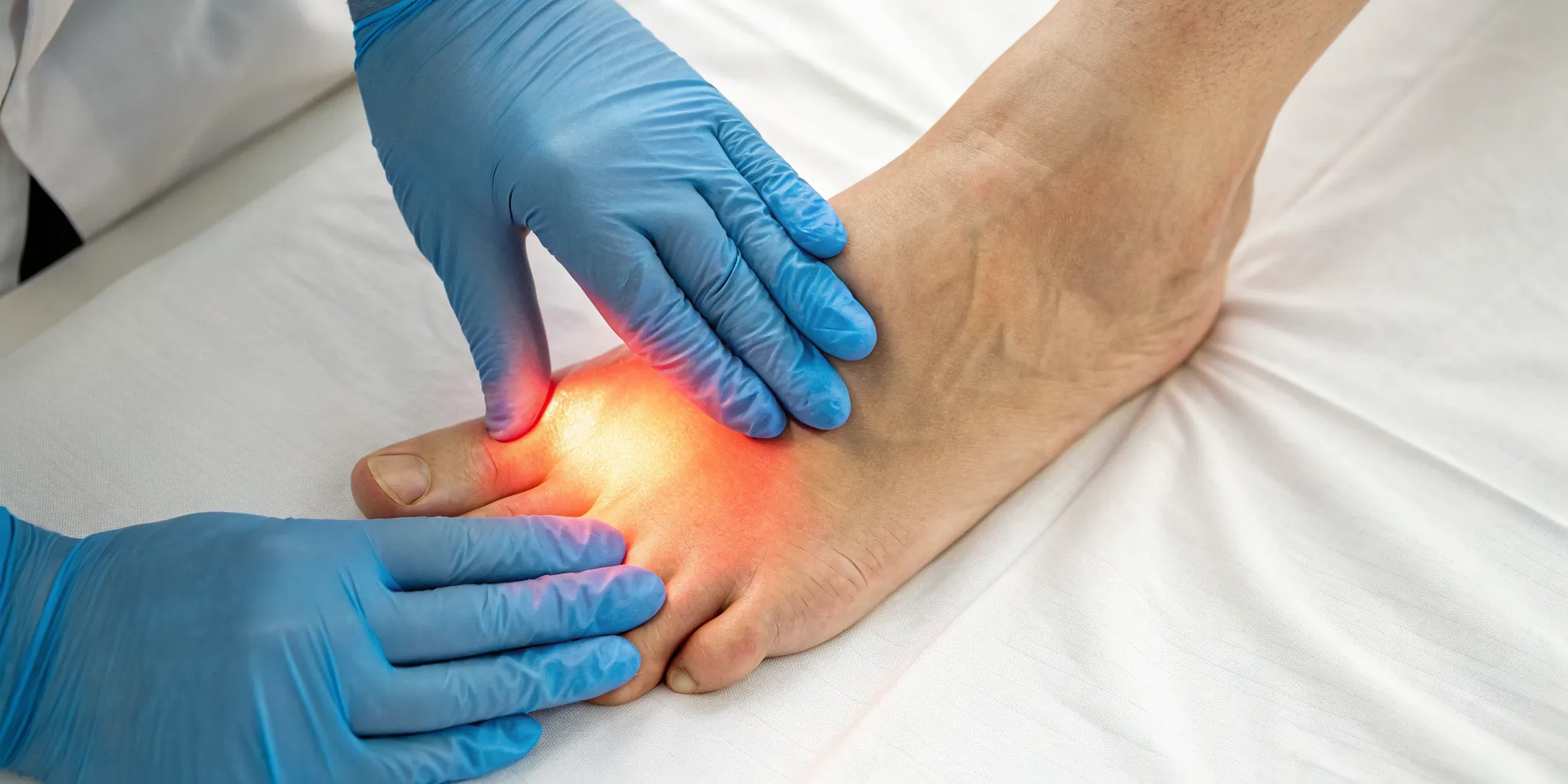
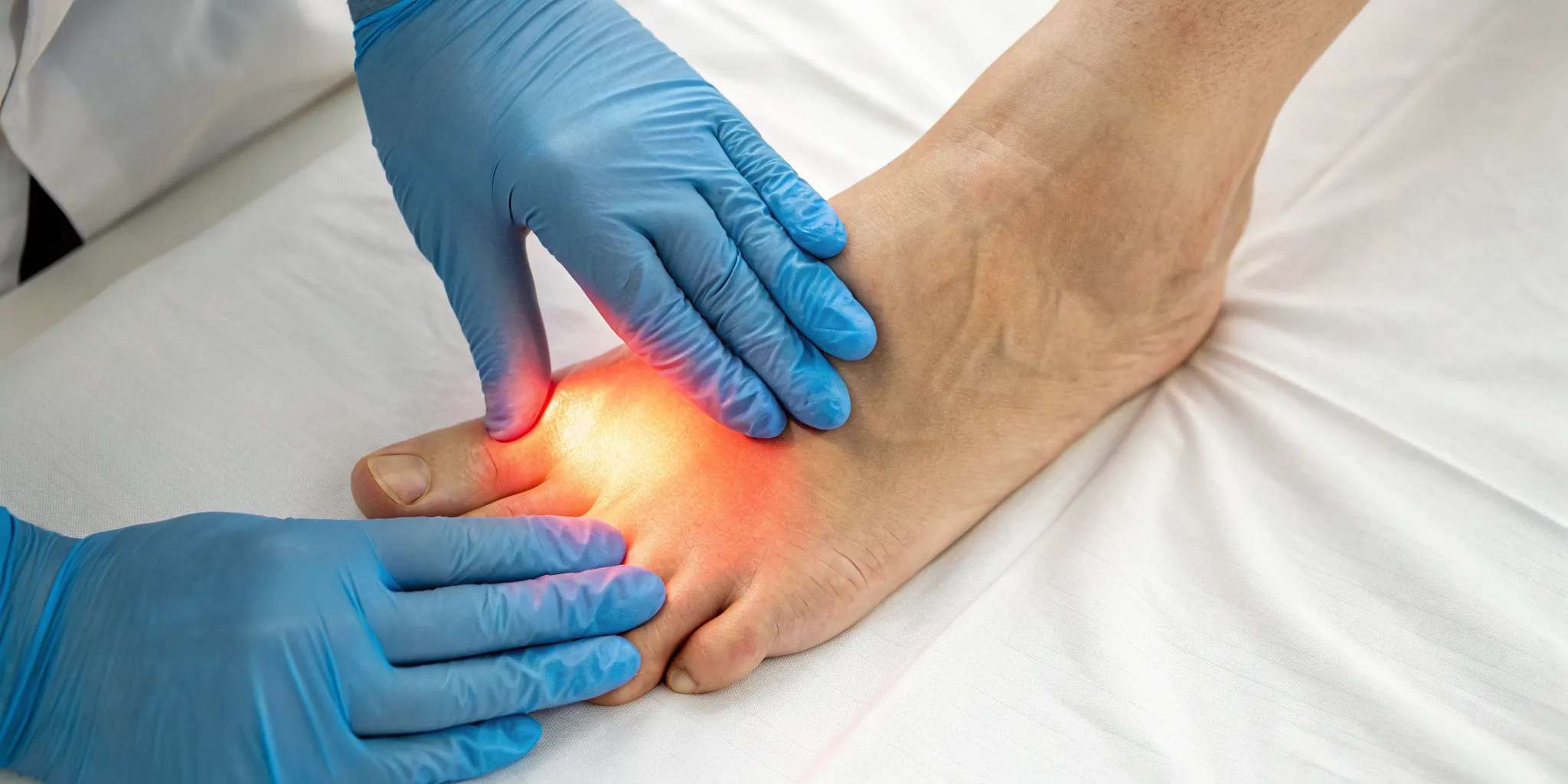
Your diagnostic journey begins with a thorough conversation with a foot specialist. You’ll discuss your symptoms, how long you’ve been in pain, and what activities make it feel worse. Be ready to talk about your workout routine, your job, and the type of shoes you wear most often. After this chat, the doctor will perform a physical exam, gently pressing on different parts of your foot to locate the exact source of the pain. They will also check for calluses, swelling, or other visible signs. This hands-on approach helps an expert like Dr. Singh understand your foot’s structure and mechanics.
When Imaging Tests Are Needed
While a physical exam provides a lot of information, sometimes imaging tests are necessary to confirm a diagnosis or rule out other conditions. An X-ray is often the first step to check for issues with the bones, like a stress fracture. If the problem seems to be with the soft tissues, an ultrasound might be used. This can help identify inflammation, bursitis, or even a Morton's neuroma, which can cause similar symptoms. For a more detailed view, an MRI can provide a clear picture of the bones, ligaments, and nerves, giving your doctor the complete story of what’s causing your pain.
Common Diagnosis Misconceptions
It’s easy to assume that any pain in the ball of your foot is just something you have to live with, especially if you’re an athlete. One of the biggest myths is that this pain is normal and will go away on its own. In reality, ignoring metatarsalgia can cause you to change how you walk, leading to secondary pain in your knees, hips, or back. Another common misconception is that it’s always a stress fracture. While possible, the pain is often due to inflammation of the soft tissues. Getting an accurate diagnosis is essential for finding the right regenerative therapies to heal the root cause.
How Can You Treat Metatarsalgia?
Finding the right treatment for metatarsalgia depends on what’s causing your pain and how severe it is. For many people, simple at-home care can provide initial relief. But for athletes and active individuals who need to get back on their feet quickly, more advanced therapies can speed up the healing process without the long recovery times associated with traditional surgery. The goal is to reduce pressure on the ball of your foot, decrease inflammation, and address the root cause of the problem so you can return to your activities pain-free.
Find Fast Relief with Regenerative Therapies
If you’re an athlete dealing with persistent ball-of-foot pain, you need a solution that works with your body’s natural healing process. Regenerative medicine does exactly that. These therapies focus on repairing injured tissue and reducing inflammation at the source. Our regenerative medical services include options like Class IV Laser Therapy, Shock Wave Therapy, and Stem Cell Therapy. These treatments are designed to stimulate healing, relieve pain, and restore function without incisions or medication. For athletes, this means a faster, more effective recovery that helps you get back to training without a long period of downtime.
Conservative At-Home Treatments
For mild cases of metatarsalgia, you can often start with conservative treatments at home. Many people find relief using the RICE method: Rest, Ice, Compression, and Elevation. Resting your foot gives the inflamed tissues a chance to recover, while applying ice for 20 minutes at a time can help reduce swelling and numb the pain. You can also try over-the-counter pain relievers like ibuprofen to manage discomfort. These at-home treatments are a great first step, but if the pain doesn’t improve after a few days, it’s a sign you may need professional care to address an underlying issue.
Advanced No-Incision Procedures
When conservative methods aren't enough, it may be time to consider a more direct approach. While some severe cases might lead doctors to suggest invasive surgery, there are advanced procedures that can correct the problem without the need for a single incision. If the pain is caused by a pinched nerve or a structural issue in the foot, a no-incision procedure can fix the problem right in the office. Using precise instruments, Dr. Singh can make corrections under local anesthesia. The best part? You can walk immediately after the procedure, allowing you to start your recovery right away.
How to Prevent Metatarsalgia
The best way to deal with ball-of-foot pain is to stop it from starting in the first place. As an athlete, you’re already in tune with your body, so adding a few preventative habits to your routine can make a huge difference. By being proactive about your footwear, training, and overall foot health, you can keep your feet strong and pain-free, allowing you to perform at your best without interruption. These simple strategies focus on reducing unnecessary stress on your metatarsals so you can stay active and on your feet.
Choose the Right Athletic Shoes
Think of your shoes as the most critical piece of equipment in your athletic arsenal. Wearing the right footwear is your first line of defense against metatarsalgia. Look for athletic shoes with a wide toe box that allows your toes to spread out naturally, along with thick, shock-absorbing soles to cushion the impact of every step, jump, or stride. When your shoes fit properly and provide adequate support, they distribute pressure evenly across your foot. Avoid wearing shoes with poor padding or a narrow, constricting fit, as this can concentrate force directly onto the ball of your foot. Making a smart athletic shoe choice is a simple but powerful step in preventing pain.
Modify Your Training and Recovery
High-impact activities are often a key part of training, but they can also lead to overuse injuries if you’re not careful. To protect your feet, avoid sudden spikes in your workout intensity or duration. Instead, increase your training load gradually to give your body, especially your feet, time to adapt to the new demands. If you start to feel tenderness in the ball of your foot, consider swapping some high-impact sessions for low-impact alternatives. Activities like swimming or cycling are fantastic for maintaining cardiovascular fitness without putting repetitive stress on your metatarsals. Smart training isn’t about stopping; it’s about listening to your body and adjusting your approach to support long-term performance and health.
Adopt Foot-Healthy Lifestyle Habits
Your daily habits play a significant role in the health of your feet. Maintaining a healthy weight is one of the most effective ways to prevent a host of foot problems, including metatarsalgia, because it reduces the overall pressure on your feet with every step you take. Simple foot care can also help. If you have calluses, they can create pressure points that contribute to pain. Soaking your feet and gently using a pumice stone can help manage calluses and relieve this pressure. Taking these small, consistent steps to care for your feet contributes to a strong foundation, helping you stay active and comfortable. For personalized advice, you can always contact our office to discuss your specific needs.
Related Articles
- Volleyball Injuries to the Foot and Ankle Treated by Regenerative Medical Therapy
- Accessory Navicular Syndrome and Regenerative Medical Therapy
- Blog – Comprehensive Foot and Ankle Institute
- blog Archives – Comprehensive Foot and Ankle Institute
Frequently Asked Questions
Can I continue my sport or workout routine with metatarsalgia? Pushing through sharp pain is rarely a good idea. While you might not need to stop moving entirely, continuing high-impact activities that caused the pain will likely make the inflammation worse and prolong your recovery. A better approach is to temporarily swap your usual routine for low-impact cross-training, like swimming or cycling. This allows you to maintain your fitness while giving the tissues in your foot the break they need to start healing.
How long does recovery from metatarsalgia typically take? Recovery time really depends on the severity of your condition and your treatment approach. If you have a mild case and are diligent about rest and proper footwear, you might feel better in a few weeks. For athletes who need a quicker and more complete recovery, regenerative therapies can significantly speed up the process. These treatments work to heal the tissue at a cellular level, often helping you get back to your activities much faster than with rest alone.
Are regenerative treatments like laser or shock wave therapy painful? Most people find these treatments to be very manageable. They are non-invasive, meaning there are no incisions involved. Class IV Laser Therapy, for example, usually creates a gentle, warm sensation on the skin. While you might feel some deep pulsing during Shock Wave Therapy, the sessions are quick and most patients tolerate it well. The goal of these therapies is to help you heal without the pain and long recovery associated with surgery.
My pain comes and goes. When should I actually see a specialist? It's smart to seek a professional opinion if the pain is persistent or getting in the way of your life. If you've tried resting and icing your foot for a week without improvement, it's time to get it checked out. You should also make an appointment if the pain is sharp enough to make you change how you walk or run, or if it consistently forces you to cut your workouts short. Addressing it early can prevent it from becoming a chronic issue.
What makes regenerative therapies a better option than just resting or using ice? Rest and ice are great for managing immediate symptoms like swelling and pain. However, they don't do much to repair the underlying tissue damage. Regenerative therapies are different because they actively stimulate your body's own healing mechanisms. They work to resolve inflammation at its source and repair the stressed tissues in the ball of your foot. This leads to a more thorough recovery and can reduce the chances of the pain returning once you get back to your sport.