




Achilles Tendonitis Treatment Without Steroid Injections
Active people need a healing path for heel pain that does not rely on temporary steroid shots. Chronic inflammation in the Achilles tendon often requires better care to reach a full recovery. Rest alone may not be enough to get you back to your daily sports.
Achilles tendonitis treatment without steroid injections focuses on healing the damaged tissue instead of just masking the pain. This approach uses modern tools like Class IV laser therapy and shock wave therapy to boost the natural repair process in your body. These methods may help manage inflammation and support tendon repair while avoiding concerns associated with repeated steroid use. Consultation-based regenerative options, such as stem cell injections or BPC-157 peptides, may also be considered for appropriate patients. According to the Mayo Clinic, noninvasive shock wave therapy sends energy to injured tissue to relieve pain and promote healing. This type of care allows you to stay active while your body builds stronger, healthier tissue for long term relief in your foot and ankle.
Many people worry that surgery or shots are the only ways to fix chronic heel pain. However, modern medical advances offer new ways to heal without those risks. Learning what Achilles tendonitis treatment without steroid injections involves can help you make a better choice for your health. The path begins with
What Achilles tendonitis treatment without steroid injections involves
The Achilles tendon is a thick band of tissue that connects your calf muscles to your heel bone. It is the strongest tendon in the body, but it is also prone to injury from overuse or sudden strain. When this tendon becomes inflamed or develops small tears, it is known as Achilles tendonitis. Many people look for an Achilles tendonitis treatment without steroid injections because they want to avoid the risk of tendon weakness or a tear linked to cortisone shots.
Types of Achilles tendon pain
It is vital to find out where your pain starts before you begin care. Pain usually happens in two spots. Mid-portion tendonitis affects the middle part of the tendon. This type often happens in younger, active people. Insertional tendonitis happens right where the tendon meets the heel bone. Finding the exact spot helps Dr. Singh choose the best way to help you heal. Proper care starts with a full check-up to see how much damage has occurred.
Modern ways to heal
New options focus on helping the body fix itself rather than just hiding the pain. One common choice is shock wave therapy alternatives. This tool uses sound waves to reach deep into the tissue. The Mayo Clinic says that shock wave therapy can help with healing in chronic cases. Other choices like regenerative medical therapy can also help fix the tendon without the need for surgery or shots.
Building strength through exercise
Physical care is another key part of a plan that does not use steroids. Specific moves can help the tendon get stronger and handle more stress. Heavy-load resistance exercises, such as heel raises, are often used for long-term pain. These moves help build up the tissue so you can get back to moving without pain. At Comprehensive Foot and Ankle Institute, we focus on a plan made just for you to keep your life in motion.
How does a non-steroid treatment plan begin?
Many people want to find an achilles tendonitis treatment without steroid injections. At Comprehensive Foot and Ankle Institute, we start with a full check of your daily habits and movement. Dr. Singh is a third-generation doctor with over 30 years of medical work. He believes that “Life is Motion and Motion is Life.” This means we want to keep you moving while you heal. We look for ways to change your activity without stopping it fully.
Complete rest is rarely the best path for a hurt tendon. Tendons need weight and work to stay strong. If you stop moving, the tendon can get weak and stiff. We use a plan that slowly adds stress back to the tissue. This helps the tendon fibers line up and get tough again. Our concierge care helps you stay active in Hoffman Estates, Schaumburg, and the surrounding towns.
Finding the right load
The key is to find the best amount of stress for your foot. Too much work causes pain, but too little work slows your progress. We often use regenerative medical therapy to support this process. These tools are intended to support the body’s repair response while you remain active at a clinically appropriate level. Recovery time varies with the injury and the individual.
Each plan is unique to the patient. Dr. Singh looks at how you walk and stand to find the root cause of the pain. By fixing these small issues, we can help prevent the pain from coming back later. This doctor-led path focuses on your long-term health and movement.
- Change your activity. Swap high-impact sports like running for low-impact work like swimming or biking for a short time. This keeps you fit without adding stress to the injury.
- Use heel support. A small lift in your shoe can take tension off the tendon and give you relief right away. This is a simple way to help the tendon rest while you walk.
- Start heavy-load exercises. According to the Mayo Clinic, weighted heel raises are very helpful for chronic tendon issues. These moves help the tissue get strong again.
- Add regenerative tools. Dr. Singh may use Class IV laser or shock wave therapy to help your body heal. These treatments do not need any cuts or shots.
- Track your morning pain. How your heel feels when you first wake up tells us a lot about your progress. We use this data to adjust your plan each week.
When to get help fast
Most tendon issues heal with the right plan and time. But some signs mean you need help right away. If you feel a “pop” or have sudden, sharp pain, call our office. This could be a sign of a tear. We want to catch these big issues before they get worse or lead to a rupture.
Swelling that does not go down is another red flag. You should also watch for skin that feels very hot or looks red. Our concierge model means you get direct time with Dr. Singh to talk about these signs. We make sure your plan stays on track so you can get back to your life and stay moving.
Regenerative therapy options for Achilles tendon pain
Many patients now seek achilles tendonitis treatment without steroid injections to avoid risks like tendon weakening. Standard care often relies on rest or surgery, but new medicine offers more choices. Regenerative therapies use the body’s own power to heal damaged tissue.
These tools help reduce pain and improve function without the need for harsh steps. At our practice, we give a concierge plan to find the right path for your daily life.
Advanced laser and light therapy
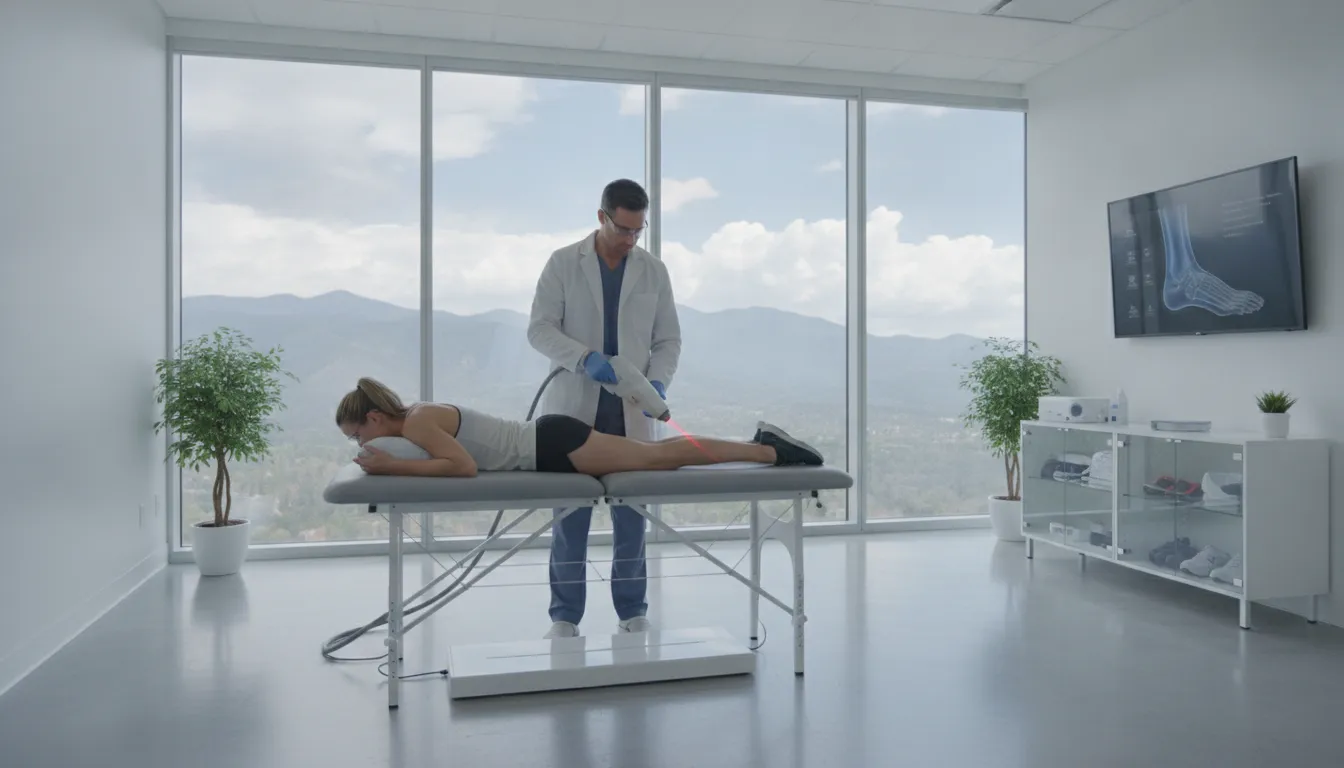
Class IV laser therapy uses high-power light to reach deep into the Achilles tendon. This light is intended to support cellular activity associated with the repair response. It is a noninvasive, in-office option, though patient experiences can vary.
Many active people choose this path because it generally requires little interruption to their routine. Dr. Singh will explain suitable activities after each session.
We also offer red light therapy for upkeep and care. This tool uses low-level light to help with blood flow and reduce stiffness. While it has less power than Class IV lasers, it serves as a helpful part of a full plan. It works well for patients who want a gentle way to care for pain at home or in the office.
Non-invasive shock wave therapy
Extracorporeal shock wave therapy (ESWT) is a simple way to treat chronic pain. It sends pressure waves into the injured area to stir up a healing response. According to the Mayo Clinic, ESWT helps relieve pain and promotes healing in chronic Achilles tendinitis. It is a great choice for those who have not found relief through standard body therapy.
This method is also known as SoftWave therapy. It helps the body restart its natural repair cycle by creating tiny amounts of stress on the tissue. This stress tells the brain to send more blood and nutrients to the heel. Many patients find that shock wave therapy alternatives allow them to avoid the long healing times of surgery.
Biologics and precision injections
For more tough cases, we use regenerative natural tools like stem cell injections. These cells can help rebuild tissue that has worn down over time. We also use BPC-157 peptides to support the healing of tendons and ligaments. These options focus on fixing the root cause of the pain rather than just masking the signs.
Every patient is unique, so we check if it is a fit during a full exam. We look at the age of the injury and your activity goals. These advanced tools ensure you get care that fits your exact needs. Our goal is to keep you moving without the side effects of standard drug-based treatments.
You can see how these choices compare in the list below:
| Treatment Type | How It Works | Key Benefit | Best For |
|---|---|---|---|
| Class IV Laser | Deep light energy | Fast pain relief | Acute or chronic pain |
| Shock Wave (ESWT) | Pressure waves | Tissue repair | Long-term stiffness |
| Red Light Therapy | Low-level light | Better blood flow | Daily upkeep |
| Stem Cell Injections | Biological repair | Rebuilds tissue | Severe wear or tears |
Choosing the right therapy is an important step toward improving comfort and function. We look at all these options during your visit. Our team will guide you through the pros and cons of each choice. By avoiding steroids, you protect the long-term health of your Achilles tendon.
Why might a patient want to avoid steroid injections?
Many people with foot pain first think of steroid shots because they can lower pain fast. But they may not be the best choice for every case of Achilles tendonitis. More patients now ask for an Achilles tendonitis treatment without steroid injections to focus on long-term health. Choosing the right path means looking at how the body heals.
Masking pain versus fixing the cause
Steroids work by lowering swelling. This can make you feel better for a short time. But chronic pain in the Achilles tendon is often not just about swelling. It is often due to wear and tear over time. Steroids might hide the pain but do not always fix the small tears in the tissue. This can lead to a cycle where the pain comes back once the shot wears off.
Some studies show that these shots may not be needed for some types of tendon pain. This is because the issue is often a lack of strong tissue, not just heat or redness. Patients who want a deep fix often look for regenerative medical therapy instead. These options aim to help the body fix itself from the inside out.
Helping the healing process
Modern care focuses on helping the tendon get stronger. Options like shock wave therapy are now common. This is a noninvasive tool that sends waves into the tissue. These waves can help ease pain and push the body to heal the hurt area. As stated by the Mayo Clinic, this method helps with healing without the need for surgery or shots. It offers a noninvasive option, with benefits and risks that should be discussed during a personalized consultation.
Patients also find that heavy-load exercises can help. Moving the heel with weights makes the tendon tough. This builds up the tissue so it can handle daily stress. It helps you stay moving without using quick fixes that might not last. Using these ways to heal can provide a path to a more active life.
Protecting the tendon for the long run
The goal of any care plan should be to keep you on your feet. Some worry that too many steroid shots might weaken the tendon over time. This is a big concern for athletes who need to run and jump. Avoiding shots can be a way to keep the tissue safe. It allows for a slow and steady healing that respects the body’s limits. This approach helps ensure the tendon stays healthy as you age.
By choosing other paths, you can work on the root of the problem. This might include laser therapy or special exercises. These tools help the tendon stay thick and strong. It is about more than just stopping the ache today. It is about making sure you can walk, run, and play for years to come. Dr. Singh focuses on these long-term goals to help his patients thrive.
How long does Achilles tendon recovery take?
Healing from an Achilles injury is not a fast process. Most people see big changes in their pain and strength within three to six months. But a full return to sports can take up to a year. Your timeline depends on how bad the injury is and the health of your tendon. Using a regenerative medical therapy plan can help speed up the natural repair steps of your body.
At our Hoffman Estates office, Dr. Singh focuses on the idea that life is motion. We want to get you moving again as soon as it is safe. Our team uses modern tools to find the best path for your needs. This often means choosing an achilles tendonitis treatment without steroid injections to avoid the risk of tendon weak spots.
Early recovery and walking
The first phase of healing focuses on less pain and less swelling. This part usually lasts for two to four weeks. In the past, doctors often put patients in a cast for a long time. Now, we know that early, safe movement is better for the tendon. Most patients can start light walking in a special boot or shoe soon after they start care.
For those who need a new treatment, our small-cut methods often allow for immediate walking. This in-office care uses local numbing so you do not need a hospital stay. By avoiding a long period of rest, you keep your muscle strength. This helps you get back to your normal life much faster.
Returning to exercise and sports
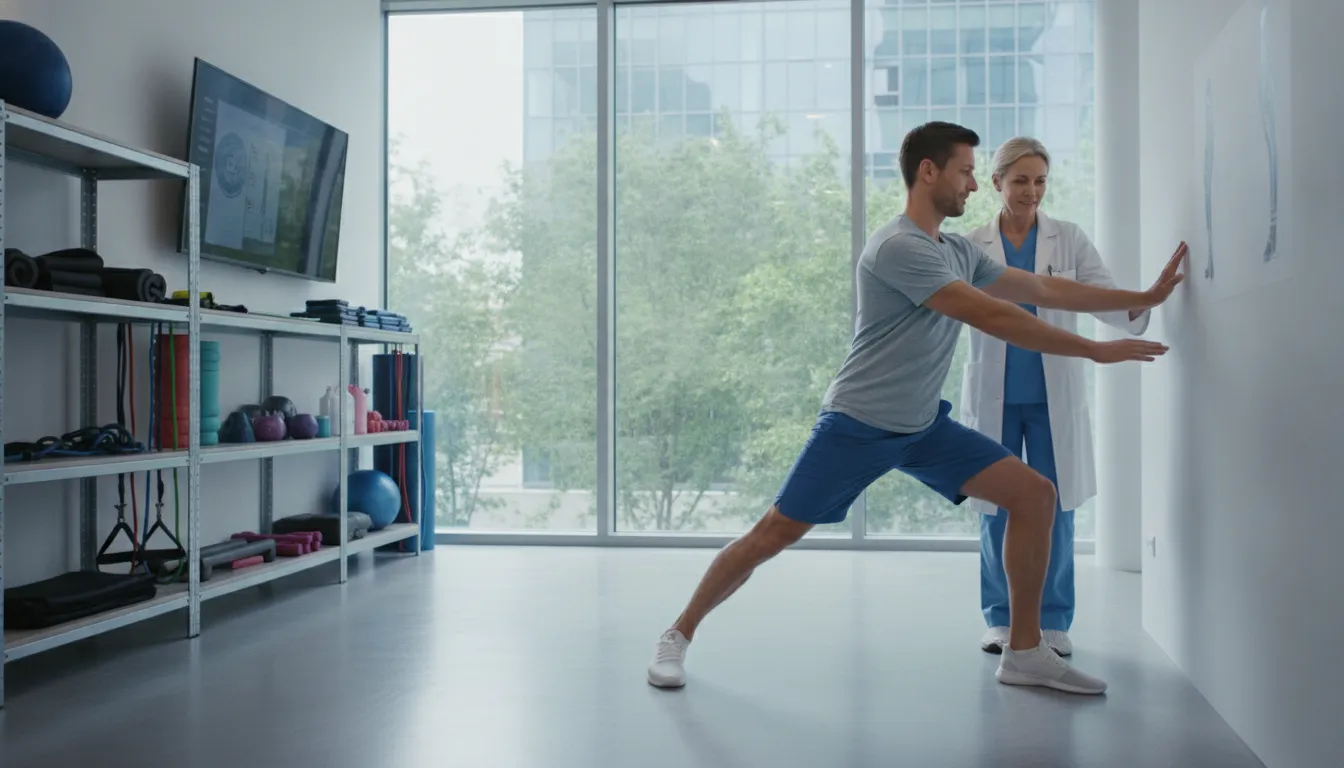
Once you can walk without pain, you can start to do more. This phase often happens between six and twelve weeks. You will work on building back the strength in your calf and heel. According to the Mayo Clinic, heavy-load exercises like weighted heel raises are very helpful for chronic issues. These moves help the tendon handle more stress over time.
You must increase your activity slowly. If you try to run too soon, you might hurt the tendon again. Listen to your body and watch for any sharp pain or new swelling. Most athletes can start light drills by the three-month mark. But full power for jumping or fast sprints often takes six months or more to return safely.
When to seek advanced help
If your pain stays the same after a few months of home care, you may need a new plan. Ongoing pain can mean that your tendon is not healing well on its own. This is a good time to look into concierge care that offers more than basic options. Advanced tools can help start the healing process in older or stubborn injuries.
Options like shock wave therapy alternatives use sound waves to trigger repair. This is a way to treat the root cause of your pain without surgery. If you feel like your progress has stopped, a checkup with a doctor can find the right fix. We focus on finding the best way to get you back to the life you love.
When should you see a foot and ankle specialist?
You may start with rest and ice for a sore heel. But home care does not always solve the root of the pain. If you have pain for more than a few days, it is time to seek help. A foot and ankle expert can find the cause of your pain. They also offer achilles tendonitis treatment without steroid injections. This keeps your tendon strong and helps you heal fast.
Signs you need an expert checkup
Pain that lasts more than a week is a clear sign to see a doctor. You might feel a dull ache in the back of your leg or above your heel. This pain often feels worse after you run or play sports. You may also notice stiff or sore heels when you wake up in the morning. If these signs do not go away with rest, you need a full exam.
You should not wait for the pain to become severe. Early care can stop a small issue from becoming a big one. For example, some people try to run through the pain. This often makes the tendonitis worse. A doctor can show you how to stay active while you heal. They can find the exact spot of the injury and start the right plan.
Swelling that stays in the heel area is another concern. You might see a small bump on the tendon that feels tender to the touch. This can mean the tissue has tiny tears that need help to mend. An expert can suggest shock wave therapy options to help your body heal. This is a good choice if you want to avoid the risks of surgery.
Warning signs of a tendon rupture
A tendon rupture is a serious injury that needs fast care. You might feel a sharp, sudden pain in the back of your ankle or calf. Many people say it feels like someone kicked them in the leg. You may also hear or feel a loud “pop” when the injury occurs. This often happens during quick moves in sports like tennis or basketball.
If you cannot stand on your tiptoes or push off your foot to walk, you should seek help right away. This loss of strength is a major sign that the tendon has torn. You should also watch for bruising or heavy swelling around the ankle. Fast care can help you avoid long-term damage and help you get back to your active life.
What to expect during your first visit
At our clinic, you will find a new kind of medical care. Dr. Singh provides a concierge care model for every patient. This means you get a private visit without a crowded wait room. He serves patients in Hoffman Estates and the northwest Chicago suburbs. He uses his 30 years of skill to learn about your health and your goals. He believes that life is motion and motion is life. His goal is to keep you moving without pain.
During your visit, the doctor will check how your foot and ankle move. He may use an ultrasound to see the health of your tendon. This helps him find the best path for your care. He may suggest weight drills like heel raises to build strength. These tools help create a plan that fits your life and your needs. You can learn more about Dr. Singh and his team before you visit.
Frequently Asked Questions
What is the best alternative treatment for Achilles tendonitis?
Many active patients find help with laser care and shock wave tools. The Mayo Clinic notes that shock wave care sends pulses to hurt tissue to help it mend. These tools fix the tendon without the risks of shots. At our office, we also use Class IV laser care and BPC-157 peptides to help the body. These modern tools help you heal fast and keep you moving without the need for surgery or standard drugs.
Can I walk with an inflamed Achilles tendon?
Yes, you can often walk, but you must be careful not to strain the area. Most patients can start light walking in a special shoe or boot right away. Our clinic uses small-cut methods that allow for fast walking after care. This helps you keep your muscle strength while the tendon heals. Staying mobile is a key part of our care model. We focus on ways to help you stay active while your body works to fix the hurt tissue.
Are steroid injections safe for Achilles tendonitis?
Many doctors suggest skipping steroid shots for this type of pain. Chronic issues often lack a lot of swelling, so a shot to stop swelling may not help. Shots can also hide pain, which might lead you to push too hard. This can increase the risk of the tendon tearing or breaking. Instead, we use tools like shock wave therapy to fix the root cause. This helps build a thick, healthy tendon that lasts for a long time.
How do regenerative therapies help Achilles tendon pain?
Regenerative tools work by helping the body start its own repair steps. Laser and shock wave tools send power into the hurt tissue to wake up the cells. This helps new, healthy tissue grow where there was wear and tear. As stated by Dr. Singh’s team, these modern choices focus on fixing the cause of pain. This path avoids the risks of surgery and shots. It is a great way to get back to sports and daily life safely.
Ready to treat Achilles tendonitis without steroid shots?
If you do not treat your heel pain, the tendon can grow weak or lead to a tear that takes a long time to fix. When you wait to get help, scar tissue can build up and make it hard for you to play the sports that you love most. Choosing to start your care today helps your body heal fast so you can get back to your active life without the need for surgery.
We are here to help you move without pain. Ready to get back to your active life? Contact the Comprehensive Foot and Ankle Institute in Hoffman Estates to request an appointment and start your path to healing today.