



When the protective fat beneath your foot becomes thinner, ordinary steps can start to feel surprisingly harsh. Walking across a hard floor may bring burning in the ball of the foot, tenderness, or the unsettling sensation that you are walking directly on your bones. Some patients also notice these changes after significant weight loss while taking a GLP-1 medication such as Ozempic, although foot symptoms can have more than one cause.
Fat pad atrophy treatment may include cushioning, shoe changes, orthotics, symptom-focused regenerative therapies, or minimally invasive Liposana fat pad augmentation when restoring lost cushioning is appropriate.
Contact Comprehensive Foot and Ankle Institute serving Hoffman Estates, Schaumburg, Palatine, Arlington Heights, Barrington, and all of the northwest Chicago suburbs to schedule a consultation and learn which fat pad atrophy treatment fits your needs.
The right approach begins with identifying what has changed, how much protective tissue remains, and whether pressure is concentrating in a vulnerable area. Understanding the role of this natural padding makes it easier to connect the symptoms with a thoughtful evaluation and treatment plan.
What Is Fat Pad Atrophy and How Does It Affect Your Feet?
Pedal fat pad atrophy occurs when the protective fatty tissue on the bottom of the foot becomes thinner. This cushioning layer sits beneath the heel and under the metatarsal heads, the rounded ends of the long bones behind the toes. Together, these fat pads help distribute body weight and absorb impact with each step. When the tissue loses thickness, pressure is transferred more directly to the bones and other structures of the foot.
Key Point: Reduced foot padding does more than cause discomfort. It alters how pressure distributes across the foot with every step, which can affect gait, activity level, and long-term foot health if left unaddressed.
Why the foot’s natural cushioning matters
With less padding, ordinary activities such as walking across a hard floor, standing for work, or exercising can become painful. People may describe a burning sensation in the ball of the foot, pain on hard surfaces, or the feeling that they are walking directly on their bones. Research on pedal fat pad atrophy connects reduced tissue thickness with increased foot pressures, making this more than a simple comfort issue.
Higher pressure is especially important for people who have diabetes or peripheral neuropathy. Neuropathy can reduce the ability to feel excessive pressure, friction, or a developing wound. When elevated pedal pressures occur alongside reduced sensation, the risk of skin breakdown and ulceration may increase.
What This Means for You: If you have diabetes or neuropathy and notice any new pain, redness, calluses, or open areas on your feet, prompt medical attention is important even if the area does not hurt. Dr. Sutpal Singh and his team provide thorough evaluations to catch these changes early.
How clinicians diagnose fat pad atrophy
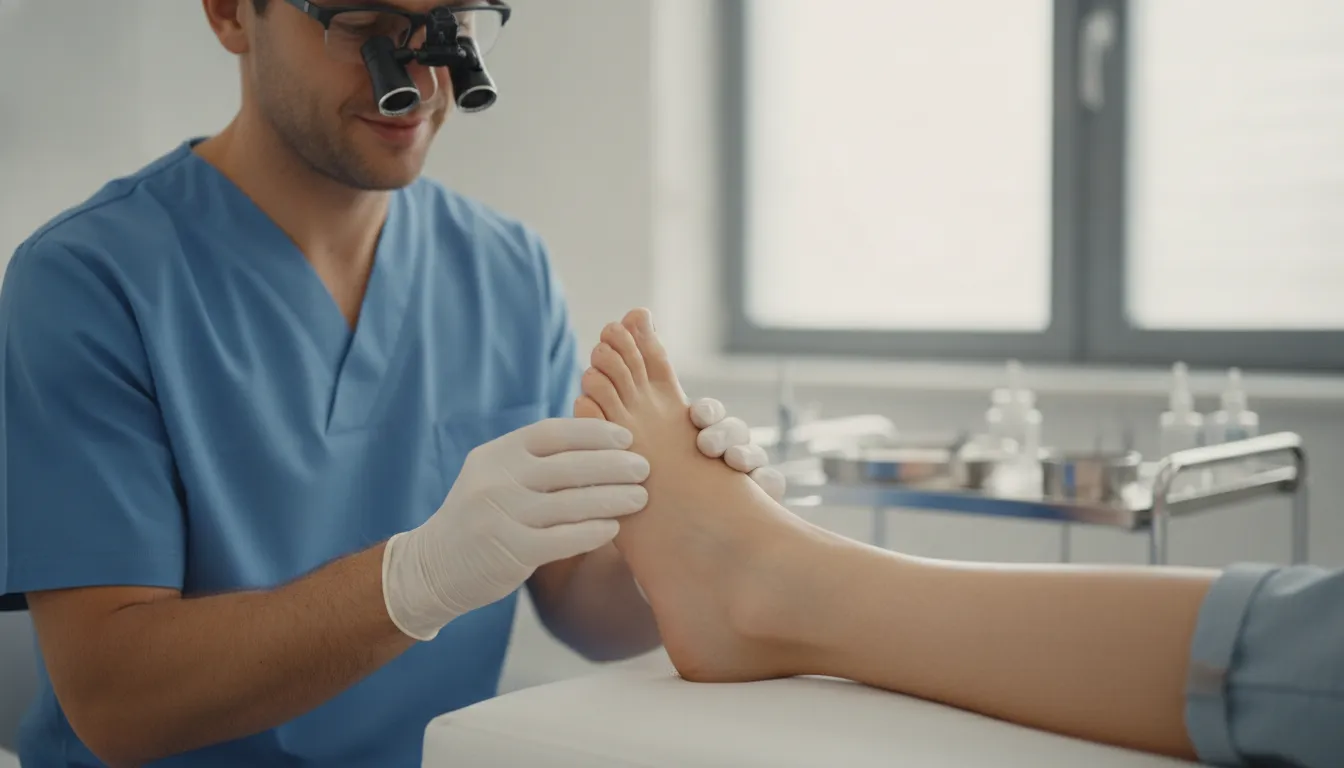
Evaluation usually begins with a clinical examination. A foot and ankle specialist assesses the location of tenderness, the thickness and condition of the padding, calluses, gait, skin, and any contributing structural or nerve-related problems. Visible thinning may support the diagnosis, while ultrasound can help evaluate the soft-tissue layer and provide additional detail. A careful evaluation also helps distinguish fat pad atrophy from plantar fasciitis, stress injury, Morton’s neuroma, arthritis, or another cause of foot pain.
What Is the Link Between GLP-1 Medications and Foot Fat Pad Loss?
Medications such as Ozempic, Wegovy, and Mounjaro have changed how many people approach weight management. As weight decreases, however, some patients notice new discomfort beneath the heel or ball of the foot. The term Ozempic feet describes this pattern of reduced cushioning, burning pain, or the sensation of walking on pebbles.
The concern is not that a GLP-1 medication directly damages the foot. Rather, rapid or substantial weight loss can reduce fat in multiple areas of the body, including the plantar fat pad. Patients may experience visible thinning, a looser or deflated appearance, and less protection between the skin and the bones. Recent podiatric literature is examining the foot-related effects of rapid weight loss as GLP-1 use continues to grow (podiatric literature on GLP-1 agonists and rapid weight loss).
Key Point: The plantar fat pad is specialized tissue designed for impact absorption, not simply stored body fat. Losing weight does not automatically reverse years of structural adaptation, which is why new foot pain after weight loss deserves a professional evaluation rather than a wait-and-see approach.
What patients may notice after weight loss
Symptoms can develop gradually. A person may first notice soreness after walking barefoot or standing on a hard floor, followed by burning beneath the forefoot or heel. Some describe feeling as if they are walking directly on their bones. These symptoms deserve an evaluation rather than an assumption that they are an unavoidable part of weight loss.
A focused examination can help determine the source. If the symptoms are related to reduced cushioning, Liposana for Ozempic feet is one specialized approach available at Comprehensive Foot and Ankle Institute.
What Are the Recognizable Symptoms of Fat Pad Atrophy?
Fat pad atrophy can make ordinary steps feel unexpectedly painful because the natural cushioning beneath the heel or ball of the foot has become thinner. Patients often describe a deep, bruise-like ache rather than a sharp surface pain.
- A burning sensation in the ball of the foot or beneath the heel.
- Deep tenderness that feels similar to a bruise, even without visible bruising.
- A sensation of walking directly on bones, pebbles, or a hard surface.
- More discomfort on concrete, tile, or hard flooring.
- Worse pain when walking barefoot or in shoes with limited cushioning.
- Visible thinning or flattening of the protective padding under the foot.
As symptoms progress, a person may shorten their stride, shift weight to the outside of the foot, or avoid activities that once felt routine. Pain may also be inconsistent, appearing after activity rather than immediately with the first step.
What This Means for You: Compensation patterns such as shifting your weight or shortening your stride can create secondary problems in the knees, hips, or lower back. Addressing fat pad atrophy early with a targeted treatment plan can help you stay active and avoid these downstream effects.
Which Fat Pad Atrophy Treatment Options Are Available?
The right fat pad atrophy treatment depends on how much cushioning has been lost and where pressure is concentrated. Care may begin with pressure reduction and progress to therapies aimed at restoring padding. At Comprehensive Foot and Ankle Institute in Hoffman Estates, patients from Schaumburg, Palatine. Rolling Meadows, Elk Grove Village, and surrounding communities receive a complete evaluation before any treatment recommendation.
| Option | How it may help | When it may be considered |
|---|---|---|
| Conservative care | Supportive shoes, custom orthotics, gel cups, metatarsal cushioning, activity modification, and rest or ice can reduce stress on sensitive areas. | A practical first step for mild symptoms or patients beginning with noninvasive pressure management. |
| Class IV laser and shock wave or SoftWave therapy | These regenerative modalities may help manage chronic pain and irritation associated with fat pad problems. | When pain persists despite shoe and cushioning changes, or as part of a broader customized plan. |
| Liposana adipose allograft | Liposana is designed to restore cushioning through a minimally invasive injection. It can provide immediate improvement and does not require a donor site. Learn more about fat pad augmentation with Liposana. | When visible or significant fat pad loss is contributing to localized pressure and conservative measures are not enough. |
| Autologous fat grafting | Fat harvested from another area of the patient’s body can be transferred to the foot. Research reports improvement in pain and foot function over long-term follow-up. | For selected patients with an appropriate donor site whose evaluation supports a grafting approach. |
For a closer look at forefoot pressure, read this guide to metatarsal fat pad atrophy treatment. The goal is to identify why the area hurts and select a reasonable next step based on your specific needs.
How Does Fat Pad Restoration Work at Comprehensive Foot and Ankle Institute?
Fat pad restoration is performed in the office with local anesthesia. Depending on the treatment plan, the procedure may use injections or precise instruments through small incision points rather than a large surgical opening. This minimally invasive approach limits tissue disruption and supports a shorter recovery period.
For patients receiving Liposana allograft treatment, the procedure takes about 30 minutes. The area is numbed, the treatment site is prepared, and the graft is placed where additional cushioning is needed. Small poke holes or injections may be used instead of large incisions. Immediate walking is often possible when clinically appropriate, although your instructions may include limits on activity while the treated area settles.
What This Means for You: Dr. Sutpal Singh personally evaluates and treats each patient. With over 30 years of experience and a concierge model that avoids double-booking, patients receive doctor-led attention throughout their care journey. To discuss your symptoms, contact our office.
Patients travel from across the northwest Chicago suburbs, including Barrington, South Barrington, East Dundee, West Dundee. Kane County, DuPage County, McHenry County, and DeKalb County, for specialized care not available at routine podiatry clinics.
Frequently Asked Questions
What is the best treatment for fat pad atrophy?
The right approach depends on the location, severity, symptoms, and underlying cause. Care may begin with supportive footwear, custom orthotics, cushioning, and activity changes. If reduced tissue volume continues to cause pain, a clinician may discuss fat pad injections, fat grafting, or Liposana augmentation.
Can fat pad atrophy in the feet be reversed?
Natural rebuilding of lost cushioning is limited, but treatment may restore volume and improve comfort. Autologous fat grafting uses a patient’s own fat, while adipose-based products such as Liposana are designed to augment areas where the protective fat pad has thinned. A foot and ankle evaluation determines which option is appropriate.
What causes fat pad atrophy in the foot?
Possible contributors include aging, repetitive pressure, systemic conditions such as diabetes, and tissue loss associated with rapid weight change. Some patients using GLP-1 medications such as Ozempic report reduced cushioning as they lose body volume. Do not stop or change a prescribed medication without discussing it with the prescribing clinician.
Are there nonsurgical options for fat pad atrophy treatment?
Yes. Supportive shoes, thick or cushioned soles, gel heel cups, custom orthotics, and activity changes can reduce pressure while the cause is evaluated. Laser or shock wave therapy may also be considered for symptom management. Liposana allograft injection is a minimally invasive option that does not require open surgery.
Ready to Explore Foot Fat Pad Restoration?
A focused consultation can help clarify whether cushioning loss is contributing to your foot discomfort and which fat pad atrophy treatment options fit your needs. At Comprehensive Foot and Ankle Institute, Dr. Sutpal Singh provides concierge-level care to patients across the northwest Chicago suburbs, including Hoffman Estates, Schaumburg. Palatine, Arlington Heights, Barrington, Rolling Meadows, Elk Grove Village, Kane County, DuPage County, and McHenry County. Contact our office to discuss your symptoms and learn more.