



There’s a common misconception that if you have a painful bunion, a major surgery with a long recovery is your only real path to relief. This belief keeps too many people from addressing their foot pain, forcing them to give up activities they love. They worry about incisions, screws, and being laid up for months. It’s time to set the record straight. The field of podiatry has made incredible advancements, and you now have access to a range of powerful alternatives to traditional bunion surgery. These modern solutions are designed to correct the underlying problem without the aggressive approach of older methods. From non-invasive regenerative therapies that reduce inflammation to minimally invasive techniques that allow you to walk the same day, you have options that fit your active lifestyle and get you back to feeling your best, faster.
Key Takeaways
- Explore non-surgical options first: You can find significant pain relief and stay active with treatments like regenerative therapies, custom orthotics, and specific foot exercises that address the root causes of discomfort without an operation.
- Make lifestyle changes that protect your feet: Simple adjustments, like choosing footwear with a roomy toe box and strengthening your foot muscles, can slow a bunion’s progression and reduce daily pain, giving you more control over your foot health.
- Understand that surgery has evolved: If you do need surgery, modern minimally invasive techniques correct the foot’s alignment without hardware or long recovery periods, letting you walk immediately and get back to your life much faster than traditional methods.
What Is a Bunion, Anyway?
If you’ve noticed a bony bump forming at the base of your big toe, you’re not alone. This common foot condition, known as a bunion, can be a source of persistent pain and frustration, especially when it gets in the way of your active lifestyle. Many people think bunions are just a cosmetic issue or something that only happens from wearing bad shoes, but there’s more to the story.
Understanding what’s really happening in your foot is the first step toward finding relief. A bunion is a structural problem, not just a bump on the surface. It develops when the bones in the front part of your foot move out of place, causing the tip of your big toe to get pulled toward the smaller toes. This forces the joint at the base of your big toe to stick out, creating that tell-tale bump. Let’s look at what causes this and why it happens.
Understanding the Bunion Bump
So, what exactly is that bump? A bunion, technically called hallux valgus, is a deformity of the joint where your big toe connects to your foot. Over time, pressure on this joint causes it to become unstable and enlarged, pushing it outward while your big toe angles inward. This misalignment can lead to significant pain, inflammation, and stiffness, making it difficult to wear certain shoes or participate in activities you love, like running or hiking. The discomfort you feel is your body signaling that the mechanics of your foot are off-balance. Our goal is to address that underlying issue and provide lasting foot and ankle pain relief.
The Causes: Genetics, Footwear, and Lifestyle
It’s a common myth that shoes are the sole cause of bunions. While tight, narrow footwear can certainly make a bunion worse or speed up its development, the primary cause is often inherited. If your parents or grandparents had bunions, you might have a genetic predisposition due to your foot shape and structure. This inherited instability in the big toe joint is the real culprit. Factors like your gait (the way you walk), previous foot injuries, or inflammatory conditions like rheumatoid arthritis can also contribute. Understanding the root cause is key, and a specialist like our doctor can help determine what’s behind your bunion and find the right path forward.
How to Find Bunion Pain Relief Without Surgery
If the thought of surgery, with its incisions, hardware, and long recovery, makes you hesitate, you’re not alone. Many people, especially active individuals and athletes, are looking for effective ways to manage bunion pain without putting their lives on hold. The great news is that you have powerful, non-surgical options. The goal of these treatments isn’t just to mask the pain; it’s to address the underlying issues causing it. By focusing on things like inflammation, pressure on the big toe joint, and your foot’s overall mechanics, you can find real, lasting relief.
A comprehensive, non-surgical approach can significantly reduce your discomfort and help slow the bunion’s progression, keeping you active and on your feet. This proactive path allows you to take control of your foot health, combining advanced medical therapies with practical, everyday changes. You can build a personalized plan that fits your lifestyle and helps you continue doing what you love, all without the downtime of a traditional operation. It’s about finding smart, sustainable solutions that work with your body, not against it. Instead of waiting for the problem to get worse, you can take steps right now to improve your comfort and mobility, ensuring your feet can carry you through every run, workout, and daily activity.
Explore Advanced Regenerative Therapies
For athletes and active individuals, pain is a major roadblock. Advanced regenerative therapies offer a powerful way to get relief without surgery. Treatments like Class IV Laser Therapy, Shock Wave Therapy, and Stem Cell Therapy target inflammation directly at the source, promoting your body’s natural healing processes. These non-invasive methods can reduce bunion pain and help halt the deformity’s progression without the complications and recovery time of surgery. Because there are no incisions, you can get back to your routine quickly. These treatments are designed to get you moving comfortably again, making them an excellent choice for anyone wanting to avoid a long layoff.
Support Your Feet with Custom Orthotics
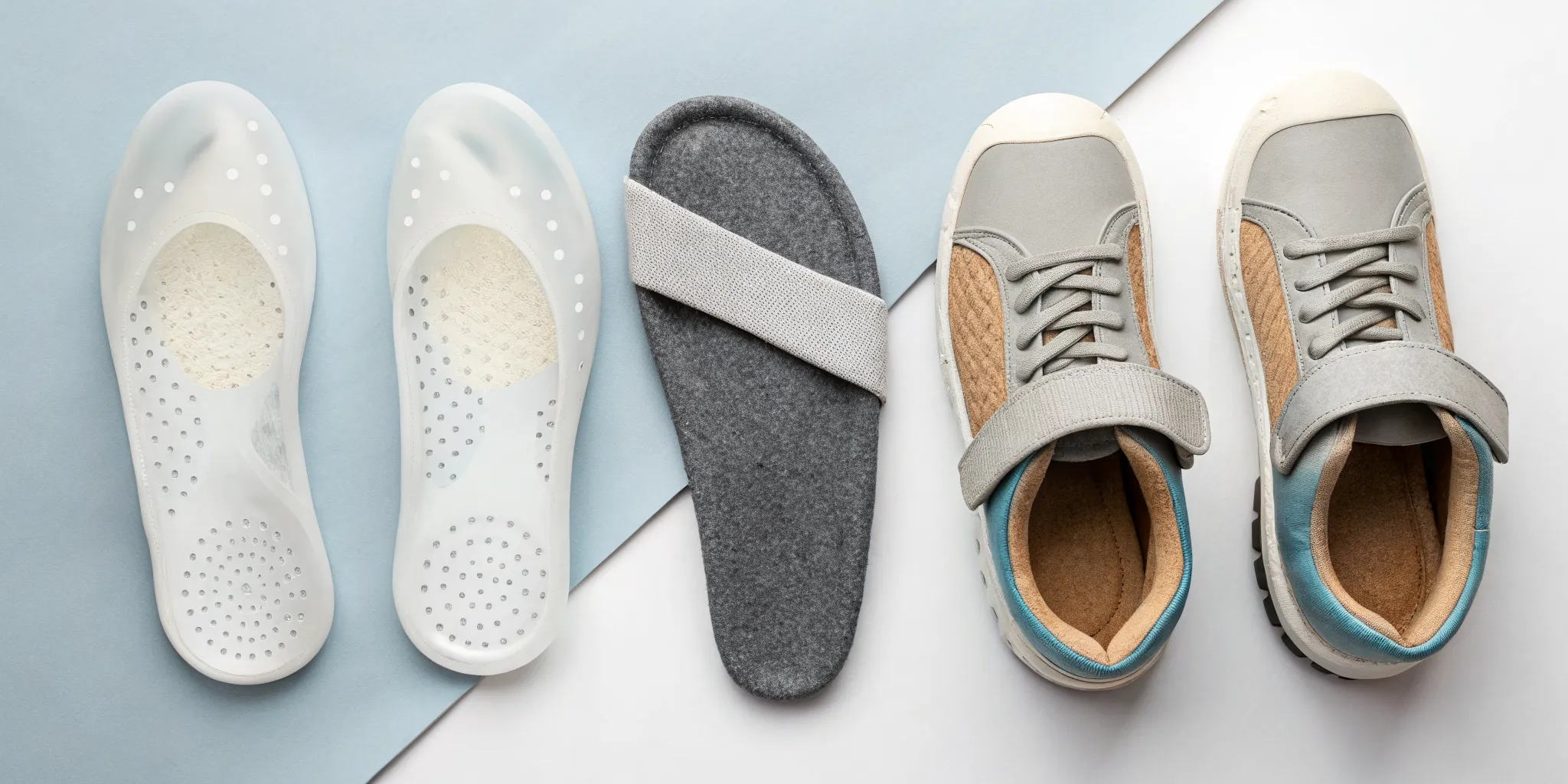
Think of custom orthotics as a personalized support system for your feet. Unlike over-the-counter inserts, these are specifically molded to your foot’s unique shape. Custom orthotics help realign your foot, distribute pressure more evenly, and take the strain off your big toe joint. This correction of your foot’s biomechanics can significantly lessen the pain you feel when walking, running, or standing. For anyone dealing with bunion discomfort, orthotics are a foundational tool for managing symptoms and preventing further stress on the affected area. They fit discreetly into your athletic and everyday shoes, providing continuous support.
Modify Your Footwear for Lasting Comfort
The shoes you wear every day have a huge impact on your bunion pain. Squeezing your feet into narrow, tight shoes can make the problem much worse. The key is to choose footwear that gives your toes plenty of room. Look for shoes with a wide toe box, which prevents pressure on the bunion. Good arch support and flexible materials are also essential for keeping your feet comfortable and properly aligned. Making this simple switch doesn’t mean you have to sacrifice style; many modern shoe brands offer designs that are both fashionable and foot-friendly. This small change can provide immediate and lasting relief.
Strengthen Your Feet with Targeted Exercises
Just like any other part of your body, your feet benefit from regular exercise. Specific stretches and strengthening movements can improve flexibility, build up the muscles that support your arch, and help maintain proper toe alignment. Simple exercises like toe curls, marble pickups, and calf stretches can make your feet stronger and more resilient. Engaging in these targeted foot exercises can alleviate pain and improve your overall foot function. A specialist can help you create a routine tailored to your needs, ensuring you’re doing the most effective movements to support your feet. You can contact our office to learn more about a personalized plan.
A Modern Approach to Bunion Surgery
If the word “surgery” makes you think of long recovery times, crutches, and a major disruption to your life, it’s time for a new perspective. Modern bunion correction has moved far beyond traditional methods. For active people who can’t press pause on their lives, minimally invasive techniques offer a path to relief without the lengthy downtime. These procedures are designed to correct the underlying structural issue of your foot with precision, leading to a faster, more comfortable recovery. Instead of simply shaving off the bump, this approach realigns your foot to restore its natural function, all while minimizing trauma to the surrounding tissue. It’s a smarter, more efficient way to get you back on your feet for good.
How Minimally Invasive Techniques Differ
Unlike traditional bunion surgery that often requires large incisions and fusing joints, a minimally invasive bunionectomy takes a more refined approach. The goal is to realign the bones by precisely cutting the metatarsal bone without locking any joints, which allows you to maintain your foot’s full, natural movement. This technique is performed through tiny openings in the skin, which means less damage to the muscles and soft tissues. Think of it as fixing the problem from the inside out with surgical skill, rather than an aggressive, open procedure. This preserves the integrity of your foot, leading to less post-operative pain and a much cleaner recovery process.
The Benefits: Immediate Walking and Faster Recovery
One of the biggest advantages of modern bunion correction is the dramatically shorter recovery time. With traditional surgery, you could be off your feet for six to eight weeks. Minimally invasive techniques, however, allow most patients to walk immediately after the procedure in a protective boot. This is a game-changer, especially if you have a busy job, family, or fitness routine. Getting back to your daily activities within days instead of months means you can find relief without putting your entire life on hold. Our patients consistently tell us that the ability to stay mobile during their recovery made all the difference.
Why There’s No Need for Hardware or Incisions
Many people worry about having permanent screws or plates left in their feet, and for good reason. Metal hardware can sometimes cause irritation or require a second surgery for removal. Because minimally invasive procedures correct the foot’s alignment in a way that is inherently stable, there is often no need for permanent hardware. The bones are repositioned to heal in their proper place naturally. This approach also avoids large incisions, reducing the risk of scarring and infection. A more comfortable recovery without foreign materials in your body is just another reason why so many people are choosing these advanced services for bunion relief.
How Effective Are Non-Surgical Treatments?
Non-surgical treatments can be incredibly effective for managing bunion symptoms and helping you maintain your active lifestyle. For many people, these conservative methods provide significant relief from the pain and discomfort that bunions can cause, often making surgery unnecessary. The goal is to address the symptoms head-on, reduce inflammation, and prevent the bunion from getting worse, all while keeping you on your feet.
Think of it as the first and most important line of defense. By exploring options ranging from footwear changes to advanced regenerative therapies, you can take control of your foot health. These treatments are designed to work with your body’s natural healing processes, offering a path to relief without the long recovery times associated with traditional surgery. Many patients find that a combination of these approaches allows them to get back to their favorite activities with much less pain.
Reduce Your Pain and Improve Movement
The primary goal of any non-surgical bunion treatment is to provide relief and restore function. As the Orthopaedic Specialty Institute notes, “Non-surgical bunion treatments are always the first approach to provide you with effective relief. They may help to ease swelling, relieve pain and slow down the progression of the bunion.” This is where modern treatments truly shine. Therapies like Class IV Laser and Shock Wave Therapy target inflammation at the source, which is a major cause of bunion pain. By reducing that swelling, these treatments can ease pressure on the joint, improve your range of motion, and make walking, running, and standing much more comfortable.
Can You Stop a Bunion from Getting Worse?
This is a question we hear all the time, and the answer is encouraging. While you can’t reverse a bunion, you can absolutely take steps to slow its progression. According to AAL Podiatry Associates, “Although bunions tend to worsen over time, early treatment can help slow progression and relieve symptoms.” By being proactive, you can manage your symptoms and keep the bunion from interfering with your life. Many patients find that with the right care, they experience significant pain relief and a slower progression of the deformity, which greatly reduces the likelihood of needing surgery down the road.
Know When It’s Time for a New Approach
Non-surgical treatments are highly effective, but it’s also important to be realistic. There are times when they may not provide enough relief, especially if the bunion is severe. As one clinic explains, “Surgery should be considered if non-surgical methods fail to relieve pain or if the deformity progresses significantly.” If you’ve tried conservative options and still find that pain is holding you back, it might be time to discuss the next step. This doesn’t have to mean traditional, invasive surgery. A consultation with a specialist can help you understand all your options, including minimally invasive techniques that offer faster recovery. If you feel you’ve reached this point, we’re here to help you find a solution.
Can Lifestyle Changes Prevent Bunions from Worsening?
Absolutely. While you can’t change your genetics, you can influence how a bunion progresses. Making thoughtful lifestyle adjustments is one of the most powerful ways to manage discomfort, slow down changes in your foot structure, and stay active. Think of it as taking control of your foot health from the ground up. By focusing on a few key areas, you can significantly reduce the daily stress on your big toe joint, which is often the main culprit behind worsening pain and deformity.
These changes aren’t about a complete life overhaul. Instead, they are small, consistent habits that protect your feet over the long term. Combining smarter footwear choices, targeted foot exercises, and general wellness practices creates a strong foundation for managing your bunions. While these steps are incredibly effective for pain relief and slowing progression, they work best as part of a comprehensive plan. Pairing these at-home strategies with professional guidance and advanced regenerative therapies can help you get back to your activities without missing a beat.
Choose the Right Shoes to Protect Your Feet
Let’s start with the most impactful change you can make: your shoes. The right footwear can feel like a sigh of relief for a painful bunion. Wearing properly fitted shoes with a wide toe box is crucial in preventing bunions from worsening. Shoes that are too narrow or pointed squeeze your toes together, putting direct pressure on the bunion and forcing the joint further out of alignment.
Look for footwear that gives your toes plenty of room to spread out naturally. You should be able to wiggle them freely. Soft, flexible materials like leather or mesh can also prevent rubbing and irritation. It’s also a good idea to find shoes that provide adequate arch support to help distribute pressure evenly across your foot instead of concentrating it on the front.
Try These Simple Exercises and Stretches
Just like any other part of your body, your feet have muscles that benefit from a good workout. Engaging in specific exercises and stretches can enhance the flexibility and strength of your foot and ankle. Stronger muscles provide better support for your foot’s alignment, which can help reduce the strain on your big toe joint. These simple movements can be done while you’re watching TV or sitting at a desk.
Try picking up a small towel with your toes or practice spreading your toes apart and holding for a few seconds. Gently pulling your big toe into proper alignment for a light stretch can also help maintain mobility. The key is consistency. A few minutes each day can make a real difference in how your feet feel and function. For a personalized plan, it’s always best to schedule a consultation.
The Impact of Weight and Daily Foot Care
Your overall health plays a direct role in the health of your feet. Maintaining a healthy weight is essential, as excess weight increases the pressure on your feet with every step you take. This added force can worsen bunion pain and accelerate its progression. Even a small reduction in body weight can lead to a significant decrease in the amount of stress your foot joints have to endure.
Beyond weight management, simple daily foot care can go a long way. Take a moment each day to inspect your feet for any signs of irritation, blisters, or calluses around the bunion, which can signal that your shoes are causing problems. Keeping your skin moisturized can also prevent cracks and sores. These small habits help you stay ahead of potential complications and keep your feet in the best possible shape.
When Should You See a Specialist?
While managing your bunions at home is a great first step, some signs indicate it’s time to bring in a professional. Listening to your body is key, especially when pain starts to interfere with your life. If you’re an athlete or someone who loves to stay active, you’re probably used to pushing through some discomfort. But with bunions, ignoring the warning signs can lead to bigger problems down the road. Seeking an expert opinion doesn’t automatically mean surgery is in your future; it simply means you’re taking a proactive step toward finding a solution that works for you.
Warning Signs It’s Time for Medical Attention
It can be tricky to know when a nagging foot issue crosses the line from an annoyance to a real problem. You should consider seeing a specialist if you experience any of the following:
- A visible, growing bump on the side of your big toe joint.
- Foot pain that prevents you from enjoying your workouts or daily activities.
- Increasing difficulty finding shoes that fit comfortably.
- Stiffness and limited movement in your big toe or foot.
If you’ve tried changing your footwear and other home remedies for a few weeks without seeing any improvement, that’s your cue to get it checked out. The goal is to address the issue before it seriously impacts your mobility.
What to Expect at Your Consultation
Booking a consultation can feel like a big step, but it’s really just a conversation about getting you back on your feet, pain-free. During your first visit, we’ll perform a thorough evaluation to understand the severity of the bunion and how it affects your specific lifestyle. We’ll discuss your symptoms, your activity level, and your goals for recovery.
From there, we can explore a personalized plan with modern treatment options designed to get you moving again quickly. Choosing an experienced podiatrist is key to finding the right path forward. Dr. Nwebube will help you understand all the alternatives so you can make an informed decision about your care.
Related Articles
- No incision Bunion surgery with regenerative medical therapy: Laser therapy, Stem cell injection – Comprehensive Foot and Ankle Institute
- Minimal incision Tailor’s Bunion without any internal hardware. Faster healing with Regenerative Medical Therapy – Comprehensive Foot and Ankle Institute
- Pseudo bunion caused by the new orthopedic surgical procedure. Stay away from these procedures! – Comprehensive Foot and Ankle Institute
Frequently Asked Questions
Can I still run or work out if I have a bunion? Yes, for many people, staying active with a bunion is entirely possible with the right approach. The key is to manage the pain and prevent further irritation. This often involves using custom orthotics to properly support your foot’s alignment and choosing athletic shoes with a wide toe box to give the joint space. If pain is a limiting factor, regenerative therapies can reduce inflammation, making your workouts much more comfortable. It’s less about stopping your activities and more about modifying your approach to support your feet.
Are regenerative therapies a permanent cure for my bunion? Regenerative treatments like Class IV Laser or Shock Wave Therapy are excellent for managing the symptoms of a bunion, but they don’t reverse the underlying bone structure. Think of them as a way to treat the pain, inflammation, and stiffness, which in turn can significantly slow the bunion’s progression. For many active people, this level of relief is enough to keep them comfortable and avoid surgery for years, sometimes indefinitely.
If I do need surgery, how quickly can I get back to my normal routine? This is one of the biggest benefits of modern, minimally invasive techniques. Unlike traditional surgery that can require six to eight weeks of non-weight-bearing recovery, these advanced procedures allow most patients to walk out of the office in a protective boot. You can typically return to daily activities within a few days. Getting back to more intense exercise happens much faster, as the recovery is focused on healing the bone without the added trauma of large incisions or hardware.
Do I have to give up all my stylish shoes forever? Not necessarily, but it does mean you’ll need to be more strategic. For your everyday shoes, especially the ones you wear for walking or standing a lot, choosing comfort and support is non-negotiable. Look for footwear with a roomy toe box and good arch support. You can save your narrower, more fashionable shoes for special occasions where you won’t be on your feet for hours. It’s about finding a balance that doesn’t aggravate your bunion.
My bunion doesn’t hurt much right now. Should I just wait and see what happens? It’s always better to be proactive, even if the pain is mild or non-existent. Bunions are progressive, which means they tend to get worse over time if left unaddressed. Getting an evaluation early allows you to implement simple, effective strategies like targeted exercises or custom orthotics. These steps can slow the progression of the deformity, helping you prevent significant pain and maintain your foot function for the long haul.