



That nagging pain in your knees, hips, or even your lower back might be starting from the ground up. Flat feet can cause a chain reaction, throwing your body’s entire alignment out of sync and forcing other joints to compensate. Simply addressing the localized pain without fixing the underlying issue is a temporary fix at best. If you’re looking for a real solution, you need to ask, can flat feet be corrected without surgery to restore your body’s natural balance? This guide will show you how. We’ll cover practical methods to rebuild your arches, improve your stability, and relieve stress throughout your kinetic chain for whole-body wellness.
Key Takeaways
- Listen to your body’s warning signs: Persistent foot, ankle, or even knee pain can be linked to flat feet; this discomfort is a clear signal that your body’s foundation is misaligned and needs attention.
- Prioritize proactive, non-surgical care: A consistent routine of strengthening exercises, like the short foot exercise, paired with supportive footwear or custom orthotics can correct imbalances and provide lasting pain relief.
- Heal from the inside out with modern therapies: For persistent issues, regenerative treatments like Class IV Laser and Shock Wave Therapy work with your body to repair damaged tissue and reduce inflammation, offering a path to recovery without surgery or downtime.
What Are Flat Feet?
Have you ever looked down and noticed that the entire sole of your foot presses against the floor when you stand? If so, you might have flat feet. Medically known as pes planus, this common condition simply means your feet have a very low arch or no arch at all. Your arches are crucial because they help distribute your body weight, absorb shock, and adapt to different surfaces when you walk or run. While many people with flat feet experience no issues, for others, especially active individuals, it can lead to pain and affect performance.
Understanding the specifics of your feet is the first step toward finding relief. It’s not just about whether you have an arch, but also about why it’s not there and how it behaves. Knowing the type and cause of your flat feet helps determine the most effective, non-surgical path forward to keep you moving comfortably.
What Are Fallen Arches?
You’ve likely heard the term “fallen arches,” which is just another way of describing flat feet. This term is often used when an arch that was once present gradually flattens over time. When you stand, the arch on the inside of your foot collapses, causing the bottom of your foot to touch the ground. For many, this happens as a natural part of aging or due to wear and tear on the tendons that support the arch. Think of these tendons as a support system; if they weaken, the structure they hold up (your arch) can fall.
Common Causes and Risk Factors
So, what causes flat feet in the first place? Some people are simply born with them, and their arches never fully develop during childhood. For others, arches can fall later in life. A common reason for this is an issue with the posterior tibial tendon, the main tendon that supports your arch. When this tendon is injured or weakened from overuse, it can no longer do its job effectively. This is a frequent concern for athletes. Other risk factors include injuries, obesity, and arthritis. It’s a widespread issue; in fact, about one in three people either never develop arches or have them fall over time.
Flexible vs. Rigid Flat Feet
It’s also helpful to know that not all flat feet are the same. The two main types are flexible and rigid. Flexible flat foot is the most common variety. If you have this type, you’ll notice an arch when you’re sitting or not putting weight on your foot, but it disappears as soon as you stand up. Rigid flat foot, on the other hand, is less common. With this type, your foot has no arch whether you’re sitting or standing. This condition can sometimes make foot movement difficult. Identifying which type you have is key to creating a personalized treatment plan with the right regenerative therapies for your specific needs.
How Do I Know If I Have Flat Feet?
You might be wondering if the aches and pains you feel are connected to flat feet. It’s a valid question, and thankfully, you don’t need complex equipment to get an initial idea. A simple “wet test” can give you a clue: just get your feet wet and step onto a dry surface like concrete or a piece of cardboard. If you see a full, solid footprint without a distinct curve on the inside, you likely have low arches.
While this home test is a good starting point, it doesn’t tell the whole story. Many people with flat feet experience no discomfort at all. For others, especially active individuals, the lack of a proper arch can lead to a chain reaction of issues. Ignoring the signs can lead to persistent pain and even affect your performance in sports and daily activities. Understanding the specific symptoms is the first step toward finding relief and getting back to doing what you love without pain.
Signs of Flat Feet: Pain, Fatigue, and Swelling
One of the most telling signs of flat feet is, unsurprisingly, foot pain. This isn’t just a minor ache; it can be a persistent throb in your arches or heels that worsens after you’ve been on your feet. You might also notice your feet feel tired and heavy much faster than they used to. Because your arches aren’t properly absorbing shock, the surrounding muscles and ligaments have to work overtime, leading to fatigue and even swelling around your ankles. If you’re experiencing regular foot pain, it’s a clear signal from your body that something is off. Don’t just push through it; there are effective, non-surgical services that can address the root cause of your discomfort.
The Impact on Your Alignment and Performance
For athletes, flat feet can be more than just a nuisance; they can be a serious roadblock to peak performance. Your feet are the foundation of your entire body. When they aren’t properly aligned, it creates a domino effect that travels up your kinetic chain, affecting your ankles, knees, hips, and even your lower back. This misalignment can compromise your stability and balance, making you more prone to injuries like shin splints or ankle sprains. Research shows that specific exercises can improve arch height and enhance balance, but addressing the underlying structural issue is key to unlocking your full athletic potential and ensuring long-term joint health.
How Flat Feet Affect Daily Life
Even if you aren’t a competitive athlete, flat feet can significantly disrupt your daily routine. Simple activities like a walk in the park, a shopping trip, or standing for a presentation at work can become painful ordeals. You might find yourself turning down invitations or avoiding activities you once enjoyed because you know your feet won’t be able to handle it. If you notice that your shoes wear out unevenly on the inside edge or that your gait has changed, it’s a strong indicator that your flat feet are causing problems. When foot pain starts dictating how you live your life, it’s time to get help. You deserve to move through your day with comfort and confidence.
How to Correct Flat Feet Without Surgery
If you’re dealing with the aches and pains of flat feet, you might think surgery is your only option for real relief. The good news is that for many people, that’s simply not the case. You can make significant improvements in your comfort, stability, and overall foot health through non-surgical methods that focus on strengthening your feet and giving them the right support. This approach is all about addressing the root cause of the problem, not just the symptoms.
By combining targeted exercises, supportive footwear, and a few simple lifestyle adjustments, you can build a strong foundation for your entire body. These strategies work together to retrain the muscles in your feet, improve your alignment, and reduce the strain that causes pain and fatigue. It’s an active approach that puts you in the driver’s seat of your recovery, helping you get back to your favorite activities without the long downtime associated with surgery. Many studies show that a combination of exercise and foot orthoses can significantly reduce pain, making it a powerful first line of defense.
Key Stretches and Strengthening Exercises
Building strength in the muscles that support your arches is one of the most effective things you can do for flat feet. The star of the show here is the “short foot exercise.” Think of it as a core workout for your feet. To do it, sit with your feet flat on the floor and try to pull the ball of your foot toward your heel without curling your toes. You should feel the arch lift. Research shows that consistent practice of short foot exercises can improve arch height and enhance your balance. Other great additions include calf stretches to relieve tightness and toe yoga (spreading your toes wide) to improve flexibility and control.
Find the Right Support: Orthotics and Footwear
The shoes you wear every day play a huge role in managing flat feet. Look for footwear that offers firm arch support and a stable heel to prevent your foot from rolling inward. While over-the-counter inserts can offer some cushioning, custom foot orthotics provide a more tailored and effective solution. These are designed specifically for the contours of your feet, giving you precise support where you need it most. Custom orthotics help realign your foot, which can alleviate pain not just in your arches but also in your knees, hips, and back. A specialist can help you find the perfect fit to support your active lifestyle.
Simple Lifestyle Changes for Pain Relief
Beyond exercises and footwear, small changes in your daily routine can make a big impact. Maintaining a healthy weight is important, as it reduces the amount of pressure on your arches. When you can, try walking barefoot on soft, uneven surfaces like sand or a grassy lawn. This encourages the small muscles in your feet to work harder, strengthening them naturally. It’s also smart to listen to your body. If a certain activity causes sharp pain, try modifying it or swapping it for a lower-impact option like swimming or cycling until your feet get stronger. These simple habits create a supportive environment for your feet to heal and thrive.
Advanced Regenerative Therapies for Flat Feet
When stretches and supportive shoes aren’t providing enough relief, it’s easy to feel like surgery is the only path left. But there’s a whole field of medicine dedicated to helping you heal without incisions or long recovery periods. Advanced regenerative therapies offer a powerful alternative by working with your body’s natural healing abilities to repair tissue, reduce pain, and restore function from the inside out. Instead of just masking symptoms, these treatments target the root cause of your discomfort, addressing the strained ligaments and tendons that contribute to flat feet. For athletes and active individuals, this means a faster, more effective recovery without the frustrating downtime that surgery requires. These innovative services are designed to get you back to your life and the activities you love, pain-free and stronger than before. They represent a modern approach to foot health, focusing on true healing and long-term results so you can perform at your best. By stimulating your body’s own repair mechanisms, these therapies help you build a stronger, more resilient foundation from the ground up.
Class IV Laser Therapy: Reduce Pain and Inflammation
If you’re dealing with the chronic ache and swelling that often comes with flat feet, Class IV laser therapy can offer significant relief. This non-invasive treatment uses focused light energy that penetrates deep into the tissues of your foot. This process stimulates cellular activity, which helps reduce inflammation and kickstarts your body’s natural healing mechanisms. The therapy is painless and works to increase circulation and promote tissue repair right at the source of your discomfort. It’s an excellent option for managing persistent pain and improving your foot’s overall function, helping you move more comfortably.
Shock Wave Therapy: Speed Up Your Healing
For those eager to get back on their feet quickly, shock wave therapy is a game-changer. This treatment uses acoustic waves to create microtrauma in the affected tissue, which triggers a powerful healing response from your body. It increases blood flow and stimulates the repair of tendons and soft tissues that are often strained by flat feet, including conditions like plantar fasciitis. By accelerating your body’s own repair processes, shock wave therapy can dramatically shorten your recovery time. It’s a highly effective way to heal damaged tissue and get you back to your routine faster than traditional methods.
Stem Cell Therapy: Regenerate Damaged Tissue
Stem cell therapy is one of the most exciting frontiers in regenerative medicine. This approach uses your body’s own powerful stem cells to rebuild and repair damaged tissues in your feet. When injected into the affected area, these cells can transform into the specific cell types needed to regenerate ligaments, tendons, and cartilage that have been compromised by fallen arches. This process helps restore strength and stability to your foot’s structure. A consultation with an experienced specialist can determine if this cutting-edge, natural treatment is the right choice for you.
How to Know if Your Treatment Is Working
When you commit to a non-surgical treatment plan for flat feet, you’re probably eager to see results. But progress isn’t always a dramatic, overnight change. It’s often a series of small, steady improvements that add up over time. Knowing what to look for can help you stay motivated and confident that your efforts are paying off. Whether you’re diligently doing your exercises, wearing custom orthotics, or undergoing advanced regenerative therapies, there are clear signs that your body is responding positively.
The key is to pay attention to how your feet and body feel, not just during your workouts but throughout your daily activities. Think of it as gathering evidence. You’ll want to monitor changes in your pain levels, your sense of stability, and your overall comfort. These indicators give you tangible proof that the muscles in your feet are getting stronger and your arches are gaining better support. Recognizing these positive shifts is crucial, as it reinforces that your consistent effort is creating real, lasting change from the ground up.
Track Your Pain and Comfort Levels
One of the most straightforward ways to measure progress is by tracking your pain. You might not wake up one day completely pain-free, but you should notice a gradual decrease in discomfort. Perhaps you can stand for longer periods at work without that familiar ache, or maybe your feet feel less sore after a run. Research shows that specific foot exercises can significantly decrease foot pain. To make this easier to track, try keeping a simple journal. Each day, rate your pain on a scale of 1 to 10. Over a few weeks, you should start to see a downward trend, confirming your treatment is working.
Notice Better Balance and Stability
Correcting flat feet isn’t just about pain relief; it’s also about restoring function. As the muscles supporting your arches get stronger, you’ll likely feel more stable and grounded. You might notice that you’re less wobbly when standing on one leg or that you have better control during activities like yoga or weightlifting. This improved stability is a direct result of your arches providing a better foundation for your entire body. Strengthening your foot muscles can enhance functional balance, making everyday movements feel easier and more secure. This is a fantastic sign that your body is realigning and functioning more efficiently.
Why Consistency Is Key for Lasting Results
Lasting results come from consistent effort. Think of it like any other training program: you can’t expect to see significant change after just one or two sessions. The same principle applies to correcting flat feet. Sticking to your daily routine of exercises, wearing supportive footwear, and using your orthotics is what builds momentum. Research highlights that short foot exercises should be a primary treatment strategy, and this consistency is what transforms temporary relief into long-term structural support. Your commitment is the most important part of the equation, ensuring that the progress you make is progress you keep.
When Should I See a Specialist for Flat Feet?
While many people have flat feet without any issues, you shouldn’t ignore discomfort. Pain is your body’s signal that something needs attention. If you’ve tried basic stretches and supportive shoes but still feel pain, it’s time to get a professional opinion. A specialist can identify the root cause of your discomfort and create a plan that gets you back to your active life without missing a beat.
Signs It’s Time for Professional Help
Listen to your body. If your feet or ankles are consistently sore, swollen, or tired after standing or exercising, that’s a clear sign to seek help. You might also notice that you’re changing the way you walk to avoid pain or that your athletic performance is suffering. Remember, foot pain isn’t something you just have to live with. A foot and ankle specialist can help you understand what’s happening and find a solution that works for you, so you can stop compensating and start moving freely again.
What to Expect at Your Consultation
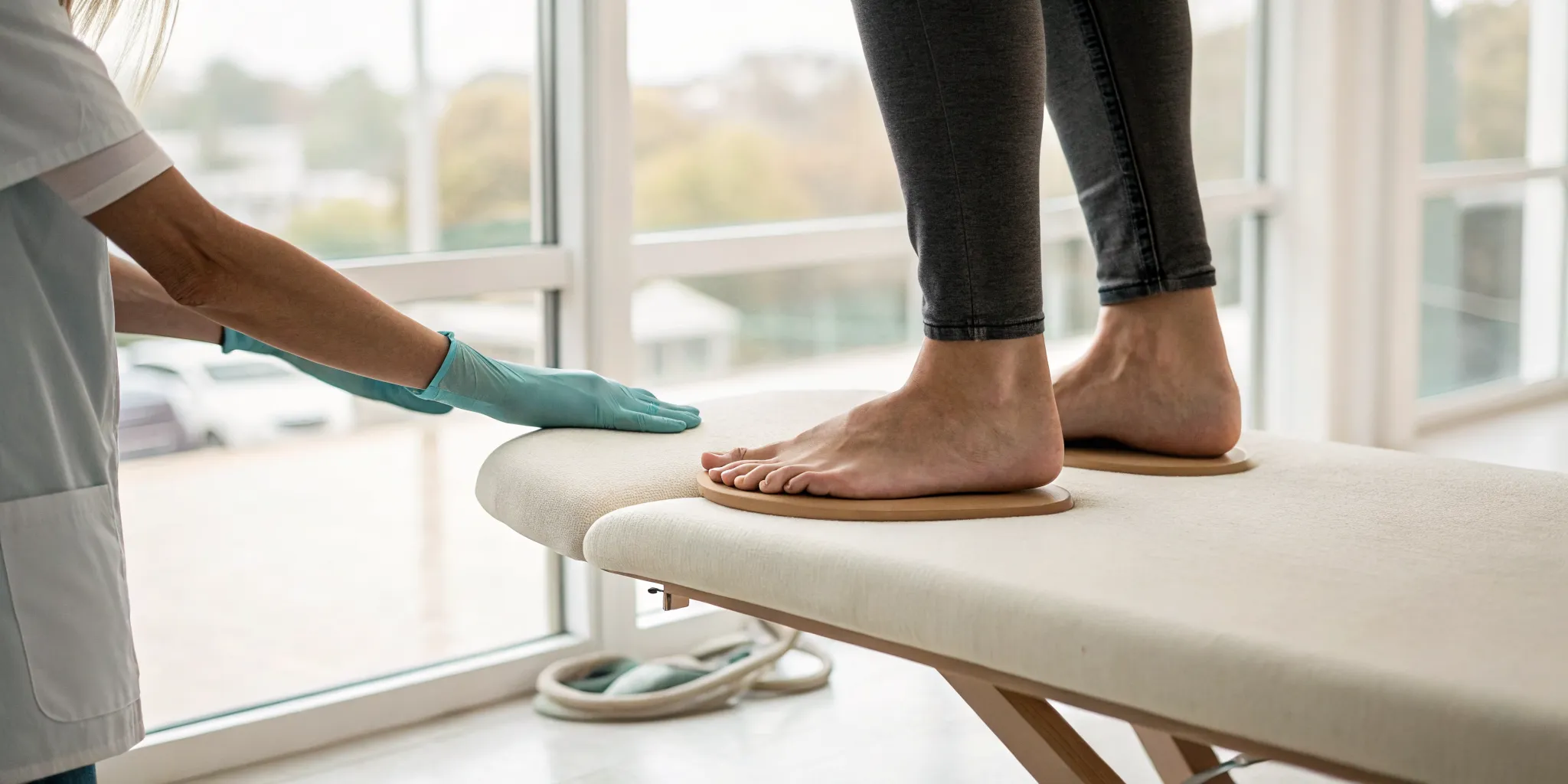
Your first visit is all about getting a clear picture of your foot health. During your consultation, Dr. Singh will perform a thorough examination, which includes observing your feet, checking your ankle strength and range of motion, and watching you walk. In some cases, imaging tests like an X-ray might be used to get a closer look at your bone structure. This comprehensive approach ensures we understand the precise cause of your pain. You’ll have a dedicated, one-on-one appointment to discuss your symptoms and goals, ensuring your concerns are fully heard.
Create Your Personalized, Non-Surgical Treatment Plan
Once we have a diagnosis, we’ll work together to build a personalized treatment plan focused on non-surgical solutions. For many people, a combination of targeted strengthening exercises, custom orthotics, and footwear adjustments provides significant relief. For athletes or those with persistent pain, we can incorporate advanced regenerative therapies to accelerate healing. Our innovative services, like Class IV Laser Therapy and Shock Wave Therapy, can reduce inflammation and repair damaged tissue without any incisions or downtime, helping you achieve lasting results.
Related Articles
- Volleyball Injuries to the Foot and Ankle Treated by Regenerative Medical Therapy
- Comprehensive Foot and Ankle Institute Blog
- Blog Archives – Comprehensive Foot and Ankle Institute
Frequently Asked Questions
Can I permanently “fix” my flat feet without surgery? The goal of non-surgical treatment is to make your feet strong, stable, and pain-free, which effectively fixes the problems flat feet can cause. While exercises won’t create a high arch if you never had one, they can strengthen the muscles that support your foot’s structure. This, combined with proper support, corrects your alignment and eliminates discomfort. For most people, this approach resolves their symptoms so they can live and play actively without ever needing surgery.
How long does it take to feel better with these treatments? The timeline for relief really depends on your specific situation and the treatments you choose. With consistent daily exercises and supportive footwear, you might start to notice less pain and more stability within a few weeks. Advanced regenerative therapies, like Class IV Laser or Shock Wave Therapy, can often speed things up by directly targeting inflammation and promoting tissue repair, offering noticeable relief much sooner.
Will having flat feet prevent me from being active or playing sports? Absolutely not. Having flat feet doesn’t mean you have to give up the activities you love. In fact, our entire approach is designed to get athletes and active people back to their peak performance. By strengthening your feet and addressing any alignment issues, we can help you move more efficiently, reduce your risk of injury, and perform without pain holding you back.
Are the regenerative therapies you mentioned painful? This is a great question, and the answer is generally no. Class IV Laser Therapy is a painless and gentle treatment; most people just feel a mild, soothing warmth. Shock Wave Therapy can cause some minor discomfort during the procedure, similar to a deep massage, but it only lasts for a few minutes and is very manageable. There is no lingering pain after the session.
Are custom orthotics really worth it compared to the ones I can buy at a store? While over-the-counter inserts can provide some extra cushioning, they offer a one-size-fits-all solution to a very personal issue. Custom orthotics are completely different. They are molded specifically for your feet to correct your unique alignment problems. This precise support not only relieves foot pain but can also resolve related aches in your knees, hips, and back that a generic insert simply can’t address.