



Your body has a remarkable ability to heal itself, but a condition like Charcot foot can overwhelm its natural repair systems. When bones in the foot begin to weaken and fracture, many people assume invasive surgery is the only way to restore stability. However, a different approach focuses on supporting and amplifying your body’s own healing power. Modern charcot foot non-surgical treatment utilizes advanced regenerative therapies to do just that. By stimulating tissue repair, reducing inflammation, and promoting bone health from within, we can guide your foot back to a stable, functional state without incisions or hardware, helping you avoid the operating room altogether.
Key Takeaways
- Recognize the subtle warning signs: Charcot foot often presents without pain, so pay close attention to sudden swelling, redness, or warmth in one foot. Seeking immediate care at the first sign is the most important step you can take to avoid surgery and long-term complications.
- Prioritize non-surgical healing: The most effective treatment involves protecting your foot, not operating on it. A combination of taking all weight off the foot, using custom supports, and applying advanced regenerative therapies creates the ideal environment for your bones to heal naturally.
- Take an active role in your recovery: Your daily actions are just as crucial as your clinical treatments. Consistently checking your feet, managing your blood sugar, and sticking to your modified activity plan will significantly speed up your healing and improve your final outcome.
What is Charcot Foot and Why Does It Happen?
Charcot foot sounds intimidating, and it’s certainly a condition to take seriously. But understanding what it is and why it happens is the first step toward effective management. This condition involves a weakening of the bones in your foot, often linked to nerve damage. When you can’t feel pain or pressure properly, small injuries can turn into major problems without you even realizing it. The good news is that with early detection and the right care plan, you can protect your foot and maintain your active lifestyle. Let’s break down the essentials.
Defining the Condition
Think of Charcot foot as a chain reaction. It starts with nerve damage, known as peripheral neuropathy, which reduces the feeling in your feet. Because you can’t feel pain, you might continue to walk, run, or train on a foot that has a small fracture or sprain. This repeated stress causes the bones to break down and the joints to shift out of place. Over time, this can lead to significant changes in the shape of your foot, sometimes called a “rocker-bottom” foot. If left untreated, it can result in open sores, infections, and serious complications that impact your mobility.
Key Causes and Risk Factors
The main driver behind Charcot foot is an inability to sense injury. While several conditions can cause neuropathy, diabetes is the most common culprit. When your nerves can’t send proper pain signals to your brain, your foot’s natural defense system is offline. This means you won’t automatically adjust your step or stop your activity when an injury occurs. This ongoing, unfelt trauma is what leads to bone and joint damage. Effectively managing conditions like diabetes is a huge part of reducing your risk. Our goal is to address the damage with advanced regenerative therapies that support your body’s natural healing processes.
Spotting the Early Warning Signs
Catching Charcot foot early is critical, and the signs can be subtle. The most common red flags are sudden swelling, redness, and a noticeable warmth in one foot compared to the other. The most confusing part for many people is that there’s often little to no pain, which is why these symptoms get ignored. If you have diabetes or any form of neuropathy and notice your foot is suddenly swollen and warm to the touch, even after a minor bump or no known injury at all, it’s time to act. Don’t wait it out. Contact us immediately for an evaluation, as prompt treatment can prevent long-term damage.
What Are the Goals of Non-Surgical Treatment?
When you’re dealing with Charcot foot, the main objective is to get your foot stable, strong, and functional without resorting to invasive surgery. The non-surgical approach is all about creating the best possible environment for your body to heal itself while protecting your foot from further harm. We focus on a three-part strategy that addresses the condition from every angle: healing the damaged bones and joints, preventing the condition from getting worse, and making sure you can walk and move with confidence for years to come. This comprehensive plan is designed to restore your foot’s health and get you back on your feet.
Think of it as a strategic pause. By taking pressure off the foot and supporting its structure, we give the bones a chance to mend properly. This approach helps you avoid the long recovery times and potential complications that can come with traditional surgery, which is especially important for athletes and active individuals who want to return to their routines as quickly as possible. Our goal is to guide your body’s natural healing process with advanced, non-invasive regenerative therapies that can accelerate recovery and help you regain your mobility safely and effectively.
Heal Bones and Joints
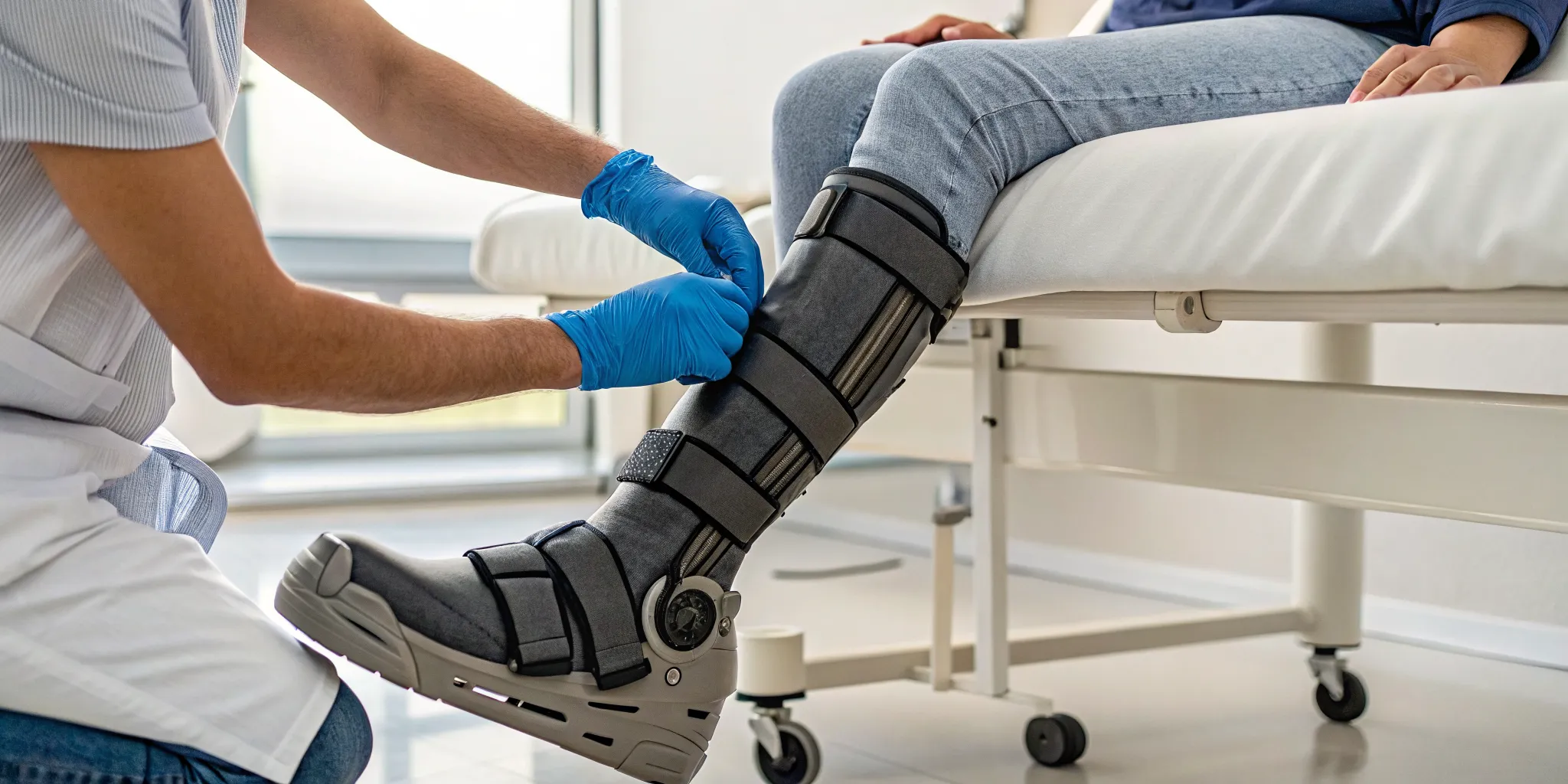
The first and most critical goal is to stop the destructive process and allow your bones to heal. Charcot foot can cause tiny fractures and dislocations that weaken the entire structure of your foot. To address this, we need to immobilize the area, often using a special cast or brace. This holds the bones and joints in the correct position, much like a cast on a broken arm. By keeping your foot stable, we create the ideal conditions for the bones to fuse and repair themselves. This foundational step is essential for rebuilding the strength and integrity of your foot from the inside out.
Prevent Further Damage
Once the initial, acute phase is under control, our focus shifts to long-term protection. A foot affected by Charcot is vulnerable, and continued stress can lead to more significant deformities. The goal here is to prevent that from happening. We accomplish this by using custom orthotic inserts and specialized footwear designed to support your foot’s unique shape and redistribute pressure away from fragile areas. Wearing these devices consistently helps shield the bones and joints from the daily forces of walking, stopping further damage before it starts and preserving the corrected structure of your foot.
Maintain Foot Function
Ultimately, we want to ensure your foot is stable, pain-free, and fully functional for the long haul. The comprehensive goal is to achieve a foot that can rest flat on the floor, allowing you to walk with a natural, balanced gait. This is what experts call a “plantigrade” foot. A functional foot is one that fits comfortably into supportive shoes and allows you to perform daily activities without the risk of developing ulcers or other complications. For athletes, this means getting you back to a place where you can safely return to the sports you love. You can schedule a consultation to discuss your specific goals with us.
Your Non-Surgical Treatment Options
When you’re dealing with Charcot foot, the primary goal is to stabilize your foot and prevent the condition from getting worse. The good news is that we have several effective non-surgical strategies to help you heal. Think of this as a foundational approach to calm the inflammation, support your bones, and give your body the best possible chance to repair itself. We create a personalized plan for every patient because your foot, your lifestyle, and your recovery goals are unique.
The core of non-surgical treatment focuses on a few key areas: immobilizing the foot to protect it, using custom supports to distribute pressure correctly, and actively managing pain and swelling. Each of these steps plays a vital role in stopping the destructive process of Charcot foot. By taking pressure off the weakened bones, we can halt the cycle of damage and guide your foot toward a stable, functional state. Our concierge approach ensures you get the dedicated attention you need to get through this process successfully. Let’s look at what these treatments involve.
Immobilize with Total Contact Casting
In the early, active stage of Charcot foot, the best course of action is often to completely immobilize the area. We do this with a technique called Total Contact Casting (TCC). This isn’t just any cast; it’s a specially molded cast designed to fit your foot and leg perfectly. Its main job is to distribute your body weight evenly across the entire surface of your foot, which takes the pressure off the fragile bones and joints. By protecting your foot from stress, the TCC creates an ideal environment for the inflammation to go down and for the bones to begin healing. You can expect to be in a cast for several months, but it’s a critical step for recovery.
Use Custom Orthotics and Specialized Footwear
Once your foot has stabilized, the focus shifts to long-term support and prevention. This is where custom orthotics and specialized footwear come in. Custom orthotics are not the same as the inserts you buy at a pharmacy. They are medical devices prescribed and crafted specifically for your feet to provide support and correct alignment. These inserts help spread pressure evenly as you walk, preventing new problems from developing in the weakened areas of your foot. Paired with the right therapeutic shoes, custom orthotics are essential for protecting your foot structure and helping you stay mobile safely for years to come.
Take Pressure Off with Offloading Techniques
“Offloading” is a term we use a lot when treating Charcot foot, and it simply means taking weight off the affected foot. This is the single most important thing you can do to stop the condition from progressing. During the acute phase, keeping pressure off the foot is non-negotiable. This might mean using crutches, a walker, a knee scooter, or even a wheelchair for a period of time. We know this can be a major disruption to your life, especially if you’re an active person. However, this step is the gold standard for treatment because it gives your bones the uninterrupted time they need to heal without the stress of bearing weight.
Manage Pain and Inflammation
Charcot foot is an inflammatory condition, so managing the associated pain and swelling is a key part of your treatment plan. Reducing inflammation not only makes you more comfortable but also helps slow down the bone destruction process. Simple strategies like elevating your foot whenever possible can make a big difference. For more advanced and targeted relief, we utilize innovative regenerative therapies that accelerate your body’s natural healing response. These treatments can help manage inflammation and promote tissue repair without the need for medication or invasive procedures, getting you on the road to recovery faster.
Explore Advanced Regenerative Therapies
Beyond traditional methods, a new frontier of treatments is helping people with Charcot foot heal faster and more effectively. These regenerative therapies work by stimulating your body’s own natural repair mechanisms. They are non-invasive, require no incisions, and are designed to get you back on your feet without the long downtime associated with surgery. For athletes and active individuals, these options can be a game-changer, helping to restore function and strength so you can return to the activities you love. At our concierge clinic, Dr. Singh specializes in these cutting-edge treatments, providing personalized care that focuses on your specific recovery goals.
Accelerate Healing with Class IV Laser Therapy
Class IV Laser Therapy is a drug-free, non-invasive treatment that uses focused light energy to penetrate deep into your foot’s tissues. This process helps reduce pain and inflammation right at the source. The light energy is absorbed by your cells, which kicks them into a higher gear to repair tissue more quickly and promote nerve healing. It’s an excellent option for managing the symptoms of Charcot foot and accelerating the repair of damaged bones and soft tissues. Sessions are quick and painless, usually lasting just 6 to 10 minutes per foot. This type of laser therapy is a safe and effective way to support your body’s healing process.
Harness the Power of Stem Cell Therapy
Stem cell therapy is one of the most exciting advancements in regenerative medicine. This treatment uses the power of your body’s own master cells to regenerate and repair damaged tissues in your foot. These cells are capable of developing into different cell types, like bone or cartilage. When directed to the injured area, they can help rebuild the structures compromised by Charcot foot. By harnessing your body’s innate ability to heal itself, this approach offers a natural path toward recovery, helping you regain strength and stability without surgical intervention. You can learn more about our regenerative medical therapies and see if this is the right option for you.
Discover the Benefits of Shock Wave Therapy
Shock Wave Therapy is another innovative, non-surgical treatment that uses acoustic waves to kickstart the healing process. Think of these as targeted sound pulses that gently stimulate the treatment area. This process not only helps break down scar tissue but also encourages the formation of new blood vessels, which is vital for long-term healing and tissue health. For Charcot foot, this means reduced pain, less inflammation, and accelerated healing of bones and soft tissues. Patients often report significant improvements in their mobility and a decrease in discomfort after a course of treatment, making it a compelling option for avoiding surgery.
Speed Up Recovery with Red Light Therapy
Red Light Therapy uses specific, low-level wavelengths of light to enhance cellular function. This gentle, non-invasive treatment helps your cells produce more energy, which they can then use to repair tissue, reduce inflammation, and relieve pain. When used for Charcot foot, red light therapy can improve circulation and support the overall healing environment in your foot. For active individuals, this means getting back to your routine with less pain and stronger, healthier tissue. It’s a fantastic complementary treatment that works alongside other therapies to help shorten your recovery time and improve the health of your foot from the inside out.
Why is Early Diagnosis So Important?
When it comes to Charcot foot, timing isn’t just important; it’s everything. Catching this condition in its earliest stages can dramatically change your treatment path and long-term outcome. Think of it as a very narrow window of opportunity. Acting within that window often means you can avoid surgery and prevent permanent damage to your foot’s structure. A delay, even by a few weeks, can close that window, leading to more complex problems that are harder to manage. That’s why recognizing the first signs and seeking immediate care is the most powerful step you can take to protect your foot health and stay active.
The Critical Window for Treatment
The opportunity to treat Charcot foot without surgery is incredibly brief, typically within the first few weeks after symptoms appear. During this initial phase, the bones have started to weaken but haven’t yet collapsed or shifted out of place. This is the golden hour for non-surgical interventions like casting to work effectively. If you wait, the progressive bone destruction can lead to severe deformities. Getting a diagnosis and starting treatment right away is the key to stabilizing your foot, allowing the bones to heal in their proper position, and keeping you on a non-surgical recovery track.
How We Diagnose Charcot Foot
Figuring out if you have Charcot foot requires a careful and thorough evaluation. We start by discussing your medical history and any symptoms you’re experiencing. Then, we perform a detailed physical examination of your foot, checking for the classic signs of redness, significant swelling, and a noticeable increase in skin temperature compared to your other foot. Because Charcot foot can look like an infection, we use advanced imaging to get a clear picture of what’s happening inside. X-rays can show fractures and bone changes, while an MRI is especially useful for seeing the extent of the damage. Our comprehensive diagnostic services ensure we get an accurate diagnosis quickly, so we can start the right treatment without delay.
The Benefits of Acting Quickly
The primary goal of early treatment is simple: take all pressure off the affected foot. This is called “offloading,” and it gives the fragile bones a chance to heal without facing further stress. By acting fast, we can prevent the foot’s arch from collapsing and stop the development of rigid deformities that can make walking difficult and lead to ulcers. Prompt, non-surgical care significantly reduces the risk of future complications, including the need for major surgery. It sets you up for a much better outcome, helping you maintain your foot’s function and get back to your life and activities with your foot intact.
Common Challenges and Misconceptions
When you’re dealing with Charcot foot, the path to recovery can feel filled with questions and a few hurdles. It’s completely normal to feel that way. Understanding the common challenges and clearing up some widespread myths is a powerful first step. Knowing what to expect helps you stay focused on healing and gives you the confidence to stick with your treatment plan. Let’s walk through some of the most frequent concerns so you can feel prepared and in control of your recovery.
The Challenge: Staying Off Your Feet
For anyone used to being active, hearing you need to stay off your foot is probably the toughest news. But when it comes to Charcot foot, this step is non-negotiable. The gold standard for treatment is “offloading,” which simply means taking all pressure off the affected foot to give the fragile bones a chance to heal. Think of it as creating a protected space for your body to do its repair work. While it’s a mental and physical challenge, our advanced regenerative therapies are designed to support this healing process, making your time off your feet as productive as possible.
Myth: Surgery is the Only Answer
It’s a common fear that a Charcot foot diagnosis automatically leads to invasive surgery. That’s simply not the case. In fact, the most effective treatments are often non-surgical, especially when the condition is caught early. The goal is always to stabilize the foot and prevent deformity before it becomes severe. We prioritize a full range of non-invasive options, from casting to our innovative regenerative treatments, to heal the foot from within. Surgery is typically a last resort for cases where significant bone changes have already occurred. Our approach is to help you avoid that path entirely by intervening effectively from the start.
Coping with a Longer Recovery Time
Patience isn’t always easy, especially when you’re eager to get back to your life. The recovery from Charcot foot is a marathon, not a sprint, and it involves a period of careful monitoring. We’ll see you for regular follow-ups, usually every week or two, to check for changes in temperature and swelling. These appointments are important milestones that show us your foot is moving out of the active phase and into the healing phase. While the timeline can feel long, remember that every day of following the plan is a step toward a stable, functional foot. Many of our patients have found that this focused recovery period is well worth the wait.
The Link Between Recovery and Blood Sugar
Your foot health is directly connected to your overall health, and nowhere is this more true than with Charcot foot. Since the condition is often linked to diabetes, managing your blood sugar is one of the most powerful things you can do to support your recovery. Consistently high blood sugar can interfere with your body’s healing process and increase the risk of complications. Working closely with your primary doctor to keep your glucose levels stable is a critical part of your treatment plan. Think of it as a team effort: we focus on healing your foot, and you focus on creating the best internal environment for that healing to happen.
A Guide for Athletes with Charcot Foot
Getting a Charcot foot diagnosis can feel like a major setback, especially when you’re used to being active. The good news is that with the right strategy, you can protect your foot while maintaining your fitness. It’s not about stopping your life; it’s about adjusting your game plan to allow your body to heal properly. By focusing on smart modifications and a structured recovery, you can work toward getting back to the activities you love safely and effectively.
How to Modify Your Workouts
The most important principle during recovery is “offloading,” which simply means taking pressure off the affected foot. This is the cornerstone of allowing the fragile bones to heal without further damage. While high-impact activities like running or jumping are off the table for now, you have plenty of other options to maintain your cardiovascular health and strength. Low-impact exercises are your new best friend. Think swimming, water aerobics, or stationary cycling. These activities keep you moving without putting stress on your feet. You can also focus on upper body and core strength training to stay conditioned while your foot recovers.
Special Considerations for Your Sport
Every sport places unique demands on your body, so your modifications should be tailored to your specific activity. A runner’s needs are different from a weightlifter’s. For example, if you’re a runner, your return to activity might involve starting on softer surfaces like a track or trail instead of concrete. We can also design custom orthotics or shoe inserts that help redistribute weight across your foot, taking pressure off vulnerable areas. These personalized services are designed to support your foot’s structure, providing the stability you need as you heal. A personalized consultation will help us determine the best approach for your sport.
Your Game Plan for Returning to Action
A successful return to your sport requires a careful and structured plan. The right approach depends entirely on the stage of your foot’s recovery, which we monitor by checking for changes in swelling and skin temperature. Rushing back is the fastest way to cause a setback. Instead, we’ll work with you to gradually reintroduce sport-specific movements once your foot structure is stable. This process is methodical, starting with gentle range-of-motion exercises and slowly progressing toward more demanding activities. High-impact training is the very last step, and you’ll only get there once your foot is fully healed. Let’s work together to build a personalized game plan that gets you back in action safely.
Lifestyle Changes to Support Your Recovery
The advanced regenerative therapies we use in our clinic are designed to accelerate your healing, but your daily habits are just as important. Think of your recovery as a partnership. The treatments you receive here give your body the tools it needs to repair itself, while the choices you make at home create the ideal environment for that healing to happen. Committing to a few key lifestyle adjustments can significantly improve your outcome and help you get back to your life faster and stronger.
Master Your Blood Sugar Management
Controlling your blood sugar is one of the most powerful things you can do to support your recovery from Charcot foot. Unstable blood sugar levels can slow down your body’s natural healing processes and increase the risk of complications. When your blood sugar is well-managed, you create an internal environment that promotes tissue repair and reduces inflammation. This is especially critical for nerve health, which is often at the heart of Charcot foot. Work closely with your primary doctor to maintain stable levels. Consistent blood sugar management gives our advanced therapies the best possible foundation to work from, helping you heal more effectively.
Create a Daily Foot Care Routine
Becoming an expert on your own feet is a non-negotiable part of your recovery. Set aside a few minutes each day to perform a thorough foot inspection. Look for any changes, no matter how small they seem. Check the tops, bottoms, and sides of your feet and between your toes for any redness, blisters, calluses, cuts, or swelling. It’s also helpful to feel for any areas that are unusually hot or cold to the touch. If you notice anything out of the ordinary, don’t wait to see if it gets better on its own. Please contact our office right away. Catching potential issues early is the key to preventing serious setbacks.
Adapt Your Activity and Manage Your Weight
For an athlete, being told to reduce activity can be frustrating, but it’s essential for healing Charcot foot. The gold standard for treatment is “offloading,” which means taking all pressure off the affected foot to allow the fragile bones to mend without stress. This is not a time to push through the pain. Every step on an unstable foot can cause more damage. Additionally, managing your weight can reduce the overall load on your feet, which supports the healing process. Think of this as a strategic rest period where you can focus on other forms of fitness while our regenerative therapies work to rebuild your foot’s structure.
How to Monitor Your Foot at Home
Your recovery journey doesn’t stop when you leave our office. In fact, what you do at home is just as important as the treatments we provide. Think of it as a partnership. We handle the advanced regenerative therapies, and you become the expert on your own body. Paying close attention to your feet every day is one of the most powerful things you can do to support your healing. It helps you catch potential issues before they become serious problems, ensuring your treatment stays on track. Being proactive is key to preventing further damage and getting you back to your active lifestyle safely. This guide will walk you through a simple but effective daily monitoring routine.
Your Daily Foot Inspection Checklist
Making a daily foot check part of your routine is non-negotiable, especially when you’re dealing with Charcot foot. Set aside a few minutes each day, maybe when you first wake up or before you go to bed, to give your feet a thorough look. Use a mirror if you have trouble seeing the bottoms of your feet. You’re looking for anything out of the ordinary.
Here’s what to check for:
- Redness or discoloration
- Blisters, cuts, or sores
- New or changing calluses
- Cracks or peeling skin
- Ingrown toenails
If you spot any of these changes, don’t ignore them or try to treat them yourself. These are important signals from your body. Our goal is to provide regenerative medical therapies that heal your foot from the inside out, and catching these surface-level issues early helps protect that progress.
Watch for Changes in Temperature or Swelling
Beyond what you can see, you also need to pay attention to what you can feel. Two of the most significant early warning signs of a problem are changes in temperature and swelling. An active Charcot foot often feels noticeably warmer to the touch than your other foot. This heat is a direct sign of inflammation in the bones. Get in the habit of placing the back of your hand on both feet to compare their temperatures. Swelling is another critical sign. It can appear suddenly, often with little or no pain, especially if you have nerve damage (neuropathy). An acutely swollen and warm foot requires immediate attention. By regularly checking for these changes, you can become more attuned to your body and spot trouble right away.
Know When to Call Us
It’s simple: if you notice anything new or different, it’s time to get in touch. Don’t wait to see if it gets better on its own. With Charcot foot, time is critical. If you see any of the signs from your daily inspection or feel new warmth or swelling, stop putting weight on the affected foot immediately and give us a call. There’s no such thing as being overly cautious in this situation. We would much rather you call about something minor than wait on something major. When you visit our clinic, Dr. Singh is the only one who will see you, ensuring you get personalized and expert care every time. Please don’t hesitate to contact us with any questions or concerns. We are here to support you every step of the way.
Finding Support During Your Treatment
Going through treatment for Charcot foot is a process, and having a strong support system is key to a successful recovery. This includes not just friends and family, but also the right information, tools, and professional guidance. When you feel equipped and supported, you can face the challenges of recovery with confidence. We believe in partnering with you every step of the way, providing the resources you need to heal effectively and get back to your life.
Your treatment plan is designed to get you results, but what you do between appointments matters just as much. Arming yourself with knowledge about your condition, using the right tools to stay mobile, and committing to your follow-up care are all essential parts of the healing journey. Think of it as building a team for your recovery, with you as the most valuable player. Our role is to be your coach, offering expert guidance and advanced regenerative therapies to help you achieve your goals.
Stay Informed with Educational Resources
Knowledge is one of your most powerful tools during recovery. Taking the time to understand Charcot foot, including its causes and treatment options, empowers you to be an active participant in your own healing. When you know what’s happening with your body and why a certain treatment is recommended, you can make informed decisions and feel more in control. It also helps you ask better questions during your appointments and work collaboratively with our doctor to ensure your treatment plan is perfectly suited to your needs and lifestyle.
Use Mobility Aids to Stay Active
For an athlete, the thought of being sidelined can be frustrating. The primary goal during the acute phase of Charcot foot is to take pressure off the affected area, a technique called offloading. Protecting your foot from stress is the single most important factor in allowing your bones to heal properly. Mobility aids like crutches or knee scooters aren’t about limiting you; they’re strategic tools that allow you to stay mobile without compromising your recovery. Using them correctly ensures your foot gets the protection it needs so you can return to your activities stronger and sooner.
Why Follow-Up Care is Essential
Your recovery journey doesn’t end after the initial treatment. Consistent follow-up care is critical for monitoring your progress and making sure your foot is healing as it should. During these appointments, we’ll check for changes in swelling and temperature, which are key signs that your foot is moving out of the active phase. These regular check-ins allow us to make timely adjustments to your treatment plan, ensuring you’re always on the fastest and safest path to recovery. Please don’t hesitate to contact us to schedule your next visit or if you have any concerns between appointments.
Related Articles
- Diabetes and Regenerative Medical Therapy – Comprehensive Foot and Ankle Institute
- Certified in Regenerative Podiatric Medicine – Comprehensive Foot and Ankle Institute
- blog Archives – Comprehensive Foot and Ankle Institute
Frequently Asked Questions
How long does recovery from Charcot foot typically take? Recovery is a gradual process that requires patience, as it often takes several months for the bones to heal and stabilize. The initial phase involves immobilizing your foot, usually in a special cast, to allow the inflammation to subside and the bones to begin mending. After that, we transition to long-term support with custom footwear. The exact timeline is unique to each person, but consistent follow-up appointments help us track your progress and guide you through each stage of healing.
Will I be able to return to my sport after having Charcot foot? For many athletes, returning to their sport is absolutely a realistic goal. The key is a smart, structured approach to recovery that prioritizes healing completely before reintroducing high-impact activity. We focus on stabilizing your foot’s structure and then work with you to create a gradual return-to-play plan. This ensures your foot is strong enough to handle the demands of your sport, helping you get back in the game safely and with confidence.
Are the advanced regenerative therapies like laser or shock wave therapy painful? Not at all. One of the best things about our regenerative treatments is that they are non-invasive and comfortable. During Class IV Laser Therapy or Red Light Therapy, for example, you might feel a gentle, soothing warmth on your skin, but there is no pain. Shock Wave Therapy creates a tapping or pulsing sensation. These therapies are designed to stimulate your body’s natural healing response without causing discomfort.
Why is taking all weight off my foot so important? Keeping pressure off your foot, which we call “offloading,” is the single most critical part of your treatment. When you have Charcot foot, your bones are extremely fragile, like walking on wet cement. Each step you take can cause more damage and lead to permanent changes in your foot’s shape. By using crutches or a scooter, you create a protected environment that gives the bones the uninterrupted time they need to heal correctly.
Are these treatments covered by insurance? Our clinic operates on a concierge model, which allows us to provide highly personalized, one-on-one care directly with the doctor. Because our focus is on advanced regenerative and cosmetic procedures, most of our services are not covered by insurance plans. We can discuss all the details and payment options with you during your consultation so you can make an informed decision about your care.