



When you hear about a condition that can alter the very structure of your foot, it’s easy to assume that invasive surgery is the only answer. Charcot foot is a progressive condition where bones weaken and collapse, but the path to recovery has evolved significantly. We now have powerful tools that work with your body’s own healing mechanisms to restore strength and stability from the inside out. This guide explains how our charcot foot non-surgical treatment plan uses a combination of immobilization and cutting-edge regenerative therapies to manage inflammation, repair tissue, and protect your long-term health, all without a single incision.
Key Takeaways
- Act fast at the first signs: Charcot foot progresses quickly, so recognizing early symptoms like swelling, redness, and warmth is critical. The most important action you can take is to get all weight off the foot immediately to prevent permanent damage.
- Combine advanced therapies with healthy habits: While treatments like laser and shock wave therapy accelerate healing, your recovery depends on your daily choices. Managing blood sugar and eating a nutrient-rich diet gives your body the foundation it needs to repair itself effectively.
- Shift from healing to lifelong prevention: Once your foot has stabilized, your focus must turn to proactive care. Daily foot inspections, wearing custom orthotics, and choosing protective footwear are essential habits to prevent future complications and keep you active.
What is Charcot Foot?
You might have heard the term “Charcot foot” and wondered what it means, especially if you’re managing diabetes or dealing with nerve-related issues. Simply put, Charcot foot is a serious condition that can weaken the bones in your foot to the point where they can fracture and dislocate, even without a major injury. This process can change the entire shape of your foot. Understanding what causes it is the first step toward getting the right care and preventing long-term damage. At our clinic, Dr. Singh focuses on non-surgical approaches to help your body heal and restore stability.
Defining Neuropathic Arthropathy
Charcot foot is a form of neuropathic arthropathy, a medical term for joint disease caused by nerve damage. When the nerves in your feet don’t function properly, you lose feeling and the ability to sense pain. This makes your feet incredibly vulnerable. A small injury you wouldn’t even notice can set off a chain reaction. If not addressed early, this condition can lead to severe deformities, chronic sores, and serious infections that threaten your mobility. That’s why early diagnosis and treatment are so critical for protecting your long-term health and keeping you active.
How Diabetes Can Lead to Nerve Damage
The most common cause of the nerve damage that leads to Charcot foot is diabetes. Consistently high blood sugar can damage nerves throughout your body, especially in your feet, a condition known as peripheral neuropathy. When you can’t feel your foot properly, a minor twist or a small fracture can go completely unnoticed. You might continue walking on the injured foot, causing a cycle of repeated trauma. This ongoing stress leads to bone breakdown and joint collapse, gradually reshaping your foot. Our regenerative services are designed to support your body’s natural healing process in these situations, without invasive procedures.
What Are the Other Risk Factors?
While diabetes is the leading culprit, it’s not the only risk factor. Anything that causes peripheral neuropathy can increase your chances of developing Charcot foot. This includes having long-term, poorly managed diabetes, poor circulation, or a history of foot injuries. Other contributing factors can be obesity or kidney disease. Statistically, men over the age of 50 who have both diabetes and neuropathy are at the highest risk. If you fall into any of these categories, it’s essential to be proactive about your foot health and seek a professional evaluation to stay ahead of any potential problems.
What Are the Symptoms and Stages of Charcot Foot?
Charcot foot doesn’t happen overnight. It’s a progressive condition that unfolds in several distinct stages, each with its own set of signs. Understanding these stages is key, because catching the condition early gives us the best chance to protect your foot from permanent damage. If left untreated, Charcot foot can lead to severe deformities and other serious complications. Paying close attention to any changes in your feet, especially if you have nerve damage from diabetes or another condition, is the first step toward staying active and healthy.
The Acute Stage: Spotting Redness, Swelling, and Warmth
The first stage of Charcot foot is an inflammatory response. You might notice your foot suddenly becomes very swollen, red, and feels significantly warmer to the touch than your other foot. During this acute phase, the bones in your foot soften and weaken, making them extremely vulnerable to fractures and dislocations from just normal walking. Because nerve damage often masks pain signals, you might not feel anything is wrong. This is why visual checks are so important. If you see these signs, it’s a critical time to seek immediate care to prevent further breakdown. Our goal is to provide regenerative therapies that can help manage this inflammation and support your body’s healing process from the very start.
The Coalescence Stage: When Inflammation Decreases
After the initial acute phase, your body begins the repair process in what’s known as the coalescence stage. The intense redness, swelling, and warmth will start to subside as the inflammation calms down. Your body works to absorb small bone fragments while new bone begins to form and harden. While it might seem like things are getting better, your foot is still incredibly fragile. The bone structure is healing, but it’s not yet stable. Continuing to protect your foot and keep weight off it is absolutely essential during this period to ensure the bones fuse correctly and in the proper alignment.
The Reconstruction Stage: How Your Foot Heals and Reshapes
The final stage is reconstruction, where the healing process completes and your bones become strong and stable again. The inflammation is gone, and your foot’s temperature returns to normal. However, the bones may have healed in a new, altered shape. This can sometimes result in a “rocker-bottom” foot deformity, where the arch collapses and the bottom of the foot becomes rounded. This new shape can create uneven pressure points, putting you at risk for sores and ulcers down the line. Proper management throughout all three stages is vital to minimize deformity and preserve your foot’s function. If you’re concerned about any changes to your feet, it’s always best to get in touch for a professional evaluation.
Your Non-Surgical Treatment Options
When you’re facing a diagnosis of Charcot foot, the immediate goal is to protect your foot and stop any further damage. The best way to do this is with a non-surgical approach that creates a safe, stable environment for your bones to heal. This is always the first and most critical line of defense, especially when we catch the condition in its early stages. Think of it as a hard reset for your foot, giving your body the time and support it needs to begin the natural repair process. It’s all about taking pressure off the foot, keeping it completely still, and preventing the small movements that can lead to bigger problems.
Following a dedicated non-surgical plan is the key to avoiding permanent changes to your foot’s structure. We see this phase as a partnership. Together, we’ll create a personalized plan focused on immobilization and pressure relief that fits your life. This foundational step is essential for a successful recovery. It not only allows the bones to start mending but also prepares your foot for the advanced regenerative therapies we can use later to accelerate and support your healing. By focusing on these core principles first, we set you up for the best possible long-term outcome.
Total Contact Casting (TCC): The Gold Standard
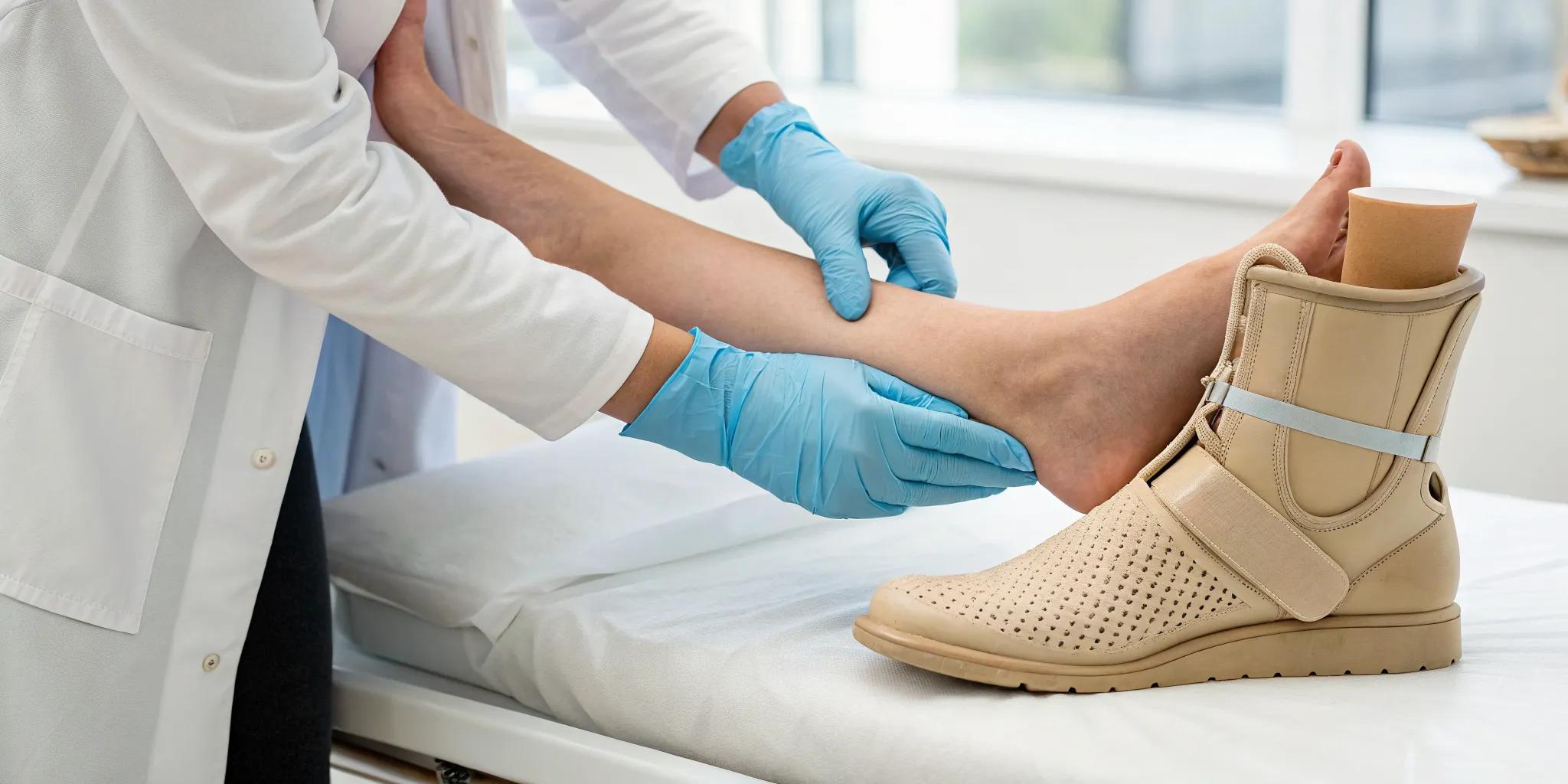
For the active stage of Charcot foot, Total Contact Casting is the most effective treatment available. This isn’t a standard cast you’d get for a simple fracture. A TCC is meticulously molded to the exact shape of your foot and lower leg. Its purpose is to perfectly distribute weight and pressure across the entire surface of your foot, shielding the fragile bones from stress. By fully encasing the foot, the TCC acts as a rigid, protective shell that prevents further injury.
We know that wearing a cast for several months is a significant commitment, but it’s the best way to ensure your foot is protected around the clock. The cast is not removable at home, which guarantees the foot remains in an ideal, immobilized state for healing.
Using Custom Orthotics, Braces, and Splints
After the initial, acute phase has passed and your foot begins to stabilize, we can transition to other supportive devices for long-term management. This is where custom orthotics, braces, and splints become so important. Unlike generic inserts you can buy at a store, custom orthotics are medical devices designed from a precise impression of your feet. They provide targeted support to your foot’s unique structure, relieving pressure on vulnerable areas and helping to prevent the condition from getting worse.
Braces and splints offer additional external stability for the foot and ankle, limiting motion in at-risk joints. Consistently wearing these devices as you get back to your routine is essential for protecting your foot, maintaining its corrected shape, and reducing the chance of future problems.
Why Offloading and Immobilization Are Key
If you remember only two things about your treatment, let them be offloading and immobilization. Offloading is the technical term for keeping all weight off your affected foot. This is the most crucial part of your recovery. When bones are weak and joints are unstable, even the slightest pressure can cause significant damage and set back the healing process. Whether you’re in a cast or using crutches, completely resting the foot gives your bones the uninterrupted time they need to mend.
Immobilization works right alongside offloading. By keeping the foot perfectly still in a cast or brace, we prevent the subtle movements that can disrupt healing bones. The sooner we can diagnose Charcot foot and put these principles into action, the greater your chances of preventing permanent damage and keeping your foot healthy and functional for life.
How Advanced Regenerative Therapies Support Healing
While immobilization is crucial, we can also use advanced treatments to help your body heal more effectively from the inside out. These non-invasive therapies work with your body’s natural repair systems to manage pain, reduce inflammation, and rebuild damaged tissue. Think of them as a way to give your body the specific tools it needs to recover more efficiently. By targeting the underlying causes of tissue breakdown in Charcot foot, these treatments can play a significant role in your recovery, helping you get back on your feet with greater strength and stability.
Reduce Pain and Inflammation with Class IV Laser Therapy
Class IV laser therapy is a gentle, pain-free treatment that uses focused light energy to penetrate deep into damaged tissues. This process helps kickstart cellular repair, reduce swelling, and calm inflammation around the fragile bones in your foot. For anyone dealing with the persistent pain of Charcot foot, this therapy can offer significant relief without drugs or injections. It also improves circulation and nerve function in the area, creating a better environment for healing. Our range of regenerative services is designed to support your body’s recovery, and laser therapy is one of the cornerstones of our non-surgical approach.
Stimulate Tissue Repair with Shock Wave Therapy
Shock wave therapy is another powerful tool we use to encourage tissue repair. This treatment uses acoustic waves to gently stimulate the affected area, which increases blood flow and awakens the body’s own healing agents. It’s particularly effective for chronic conditions and helps break down scar tissue while promoting the regeneration of healthy new tissue. When used for Charcot foot, shock wave therapy can help fortify the bones as they heal and reduce the chronic inflammation that slows down recovery. It’s a clinically proven method to help your body rebuild and repair itself more effectively.
Restore Your Foot Naturally with Stem Cell and Peptide Therapy
Stem cell and peptide therapies represent the cutting edge of natural healing. These treatments use your body’s own powerful biological materials to restore damaged areas. Stem cells are like blank slates that can become new tissue, helping to rebuild bone and cartilage. Peptides, on the other hand, are small proteins that act as messengers, signaling your cells to reduce inflammation and begin the repair process. Dr. Singh uses these therapies to address the root causes of tissue degeneration in Charcot foot, offering a truly personalized and restorative path to recovery.
Why is Managing Blood Sugar So Important?
While our advanced regenerative therapies are designed to repair your foot, what you do to manage your health internally is just as critical. Think of your body as the foundation for healing. The most powerful treatments work best on a solid foundation, and for Charcot foot, that starts with managing your blood sugar. Keeping your glucose levels stable creates the ideal environment for your bones, nerves, and tissues to mend properly. When your blood sugar is well-controlled, it helps reduce systemic inflammation, which can otherwise interfere with the healing process.
This is where you can take an active role in your recovery. Stable blood sugar ensures that your blood vessels can efficiently deliver oxygen and vital nutrients to the injured area, giving our regenerative treatments the best possible chance to work. It’s a partnership: we provide the targeted therapies to stimulate repair, and you provide the healthy internal environment that allows that repair to happen. By focusing on this key aspect of your health, you are ensuring that every therapy and treatment we offer has the maximum impact on your recovery journey.
How Blood Sugar Affects Your Nerves and Healing Process
Consistently high blood sugar can damage the delicate nerves in your feet, a condition known as peripheral neuropathy. This nerve damage is a primary trigger for Charcot foot because it can reduce your ability to feel pain or notice when your foot’s structure is changing. Furthermore, elevated blood sugar levels can impair circulation, slowing down the flow of oxygen-rich blood that your feet need to heal. Effective management of conditions like diabetes can directly reduce the risk of peripheral neuropathy and prevent Charcot foot from getting worse. By keeping your blood sugar in a healthy range, you are actively protecting your nerves and giving your body the resources it needs to repair itself efficiently.
Eating for Stronger, Healthier Bones
Your diet is one of the most powerful tools you have for recovery. The bones in your feet need specific nutrients to rebuild and regain their strength, especially when healing from Charcot foot. Focusing on a balanced diet gives your body the raw materials it needs for this intensive repair process. A diet rich in nutrients is essential for your overall bone health. This doesn’t have to be complicated; it’s about choosing whole foods like lean proteins, vegetables, and healthy fats. These lifestyle adjustments, combined with your treatment plan, create a comprehensive approach to healing that supports your long-term foot health and helps prevent future issues.
Your Day-to-Day Guide During Treatment
Managing your Charcot foot treatment goes beyond your appointments. The small, consistent actions you take every day are what truly protect your foot and pave the way for a successful recovery. Think of this as your daily playbook for healing. By creating these simple habits, you become an active partner in your treatment, giving your body the best possible chance to repair itself. These steps help prevent setbacks and ensure the advanced therapies you’re receiving can work effectively.
Stick to Your Non-Weight Bearing Plan
This is your most important job during recovery. Following your offloading plan without exception is critical for letting your bones heal. Putting pressure on your foot, even for a moment, can cause fragile bones to shift or break, which can reverse your progress. We know it’s challenging, but your commitment to using your cast, boot, or other devices exactly as instructed is non-negotiable. This discipline protects the healing structures inside your foot and is a key part of our overall treatment services. Remember, every step you don’t take on that foot is a step toward recovery.
Check Your Feet Every Day
Make a daily foot inspection part of your routine, just like brushing your teeth. Since nerve damage can prevent you from feeling pain, your eyes are your best defense. Each morning and evening, take a few minutes to look over your entire foot, including between your toes and on the sole. You’re searching for anything unusual: cuts, blisters, redness, swelling, or sores. If you can’t see the bottom of your foot easily, use a mirror or ask a family member for help. If you spot anything new, don’t wait. It’s important to contact us right away so we can address it before it becomes a bigger problem.
Find Support Through Education and Community
You don’t have to go through this alone. Understanding your condition is a powerful tool that helps you feel more in control of your health. We encourage you to ask questions during your appointments and read reliable information, like the articles on our blog, to learn more about Charcot foot. Leaning on your support system of family and friends can also make a huge difference. Talking about your progress and challenges can ease the mental and emotional load of recovery. Being informed and connected helps you stay motivated and positive throughout your healing journey.
How We Monitor Your Healing Progress
Your healing journey is a dynamic process, and we’ll be your dedicated partners every step of the way. Close monitoring is essential for a successful recovery from Charcot foot, ensuring your treatment plan adapts as your foot heals. This isn’t a “set it and forget it” approach. Instead, we work closely with you through frequent check-ins and advanced diagnostics to track your progress and make adjustments as needed. Our goal is to keep you informed and confident in your recovery, celebrating each milestone as your foot regains strength and stability. This personalized attention is a core part of our concierge-style care, where you see the same doctor every time and receive a plan tailored specifically to you. We believe that a hands-on, attentive strategy gives you the best possible outcome, helping you get back to your active life safely and effectively. We’ll map out your progress together, making sure you understand what’s happening at every stage and what the next steps look like. This continuous oversight helps prevent complications and ensures your healing stays on the fastest, safest track.
What to Expect at Your Regular Check-Ups
Consistent follow-up appointments are key to managing your symptoms and protecting your long-term foot health. During these visits, we’ll carefully assess your foot’s condition, checking for changes in swelling, skin temperature, and redness. We’ll also discuss how you’re feeling and address any concerns you might have. These check-ups allow us to catch any potential issues early and confirm that your healing is on the right track. Think of these appointments as a collaborative effort to ensure you have the support and guidance you need to maintain your quality of life throughout the treatment process.
Using Imaging to Track Bone Healing
While a physical exam tells us a lot, we also need to see what’s happening inside your foot. To do this, we use imaging like X-rays or MRI scans during your follow-up visits to monitor how the bones are healing. These tools give us a clear picture of your foot’s internal structure, allowing us to see if the bones are stabilizing and inflammation is decreasing. For anyone with diabetes, X-rays are crucial for spotting even minor changes that could indicate Charcot foot. This objective data is vital for making informed decisions about the next steps in your care and ensuring your recovery is built on a solid foundation.
Adjusting Your Treatment Plan as You Heal
Your treatment plan is designed to evolve with you. As your foot begins to heal and the bones become more stable, we will gradually adjust your offloading strategy. This often means transitioning from a total contact cast to a custom removable walking boot, sometimes called a CROW boot. This step marks significant progress, but it’s critical to wear your device exactly as instructed to prevent any setbacks. As you continue to improve, we may incorporate our advanced regenerative therapies to further support tissue repair and reduce any lingering inflammation, ensuring your recovery is as smooth and efficient as possible.
How to Prevent Future Complications
Getting through the healing stage of Charcot foot is a huge accomplishment, and it’s natural to want to get back to your life without looking back. But the best way to protect your mobility and stay active is to shift your focus from healing to long-term prevention. Think of this as building a new foundation for your health. The same conditions that contributed to Charcot foot, like nerve damage, are still present, so your feet need a little extra attention to stay strong and stable for years to come.
This isn’t about limiting your life; it’s about empowering you to live it fully and without setbacks. By being proactive, you stay in control. It means making smart choices every day that support your body’s incredible ability to maintain its health. This ongoing care is a partnership between you and your specialist. At our clinic, we don’t just treat the immediate problem. We provide you with the tools and guidance you need for sustained wellness. We’re here to help you understand your body’s needs and create a personalized plan that fits your lifestyle. Taking these preventative steps is the most important thing you can do to protect your feet, prevent recurrence, and keep doing the activities you love.
Choose the Right Protective Footwear
After Charcot foot, your shoes are more than just an accessory; they are essential medical equipment. The structure of your foot has likely changed, and the wrong footwear can create pressure points that lead to sores, ulcers, or even new fractures. Once the active healing phase is over, custom orthotics are one of the best tools to prevent further damage. Unlike store-bought insoles, these are molded specifically for your feet, providing support exactly where you need it and distributing pressure evenly. This helps protect vulnerable areas and keeps your foot in a stable position. We can help design the right custom orthotics to fit your specific needs and activity level, ensuring you get the best possible protection.
Make Lifestyle Changes for Long-Term Foot Health
What you do for your overall health has a direct impact on your feet. Adopting a healthy lifestyle is one of the most effective ways to reduce your risk of future complications. A balanced diet is key, as proper nutrition helps manage blood sugar levels, which is critical for preventing further nerve damage. Eating foods rich in calcium and vitamin D also supports strong, healthy bones. If you’re looking for guidance, the American Diabetes Association offers great resources on nutrition. Maintaining a healthy weight is also important, as it reduces the amount of stress placed on your feet with every step you take. These changes work together to create a healthier internal environment that supports long-term healing and strength.
Why Early and Consistent Care Matters
You are the most important member of your healthcare team. Because nerve damage can reduce sensation, you might not feel a small cut or blister until it becomes a serious problem. That’s why checking your feet every single day is non-negotiable. Look for any signs of redness, swelling, sores, or changes in skin temperature. Recognizing issues early is the key to preventing permanent damage. Regular follow-up appointments are just as crucial. These visits allow us to monitor your foot’s structure, check for any new areas of concern, and adjust your treatment plan as needed. Consistent, proactive care is the best way to ensure your feet stay healthy so you can remain active and confident. If you notice anything unusual, please contact us right away.
Related Articles
- Diabetes and Regenerative Medical Therapy – Comprehensive Foot and Ankle Institute
- Certified in Regenerative Podiatric Medicine – Comprehensive Foot and Ankle Institute
- blog Archives – Comprehensive Foot and Ankle Institute
Frequently Asked Questions
If nerve damage is the cause, does Charcot foot hurt? This is a great question, and the answer is often what makes this condition so tricky. Because Charcot foot is rooted in nerve damage, you may not feel any pain, even if the bones in your foot are fracturing. Instead of pain, the first signs are typically dramatic swelling, redness, and a noticeable warmth in the affected foot. This is why visually checking your feet every single day is so important; your eyes have to be your first line of defense when your nerves can’t send the usual pain signals.
Can my foot go back to its original shape after treatment? The primary goal of treatment is to create a stable, functional foot, not necessarily to restore its original shape. During the healing process, the bones fuse and harden in a new position. This can result in a permanent change in your foot’s structure, such as a collapsed arch. Our non-surgical treatments, like casting and bracing, are designed to guide this healing process to ensure your foot is as stable and functional as possible, minimizing deformities that could cause future problems.
How long will I have to stay off my feet? The recovery timeline is different for everyone, but you should plan on a significant period of non-weight bearing, which can last for several months. This initial phase of complete offloading, usually in a total contact cast, is the most critical part of allowing the fragile bones to begin healing without further damage. As you progress, we will gradually transition you to supportive devices that allow for more mobility, but protecting the foot remains the top priority throughout the entire healing process.
Are the regenerative therapies a replacement for casting and offloading? Think of regenerative therapies as powerful tools that support and accelerate the healing process, but they don’t replace the fundamentals. Offloading and immobilization are the essential foundation of any Charcot foot treatment plan because they create the protected environment your bones need to mend. Advanced treatments like laser and shock wave therapy work alongside this foundation to reduce inflammation, manage pain, and stimulate your body’s natural repair mechanisms for a more efficient recovery.
Once my foot has healed, is the condition gone for good? Healing from an acute Charcot foot episode is a major milestone, but it requires a shift toward lifelong prevention and management. The underlying nerve damage that caused the condition still exists, making your foot vulnerable to future issues. Consistent, proactive care is your best strategy for staying healthy. This includes wearing custom-prescribed footwear and orthotics, checking your feet daily for any changes, and maintaining regular follow-up appointments to ensure your foot remains stable and strong.