


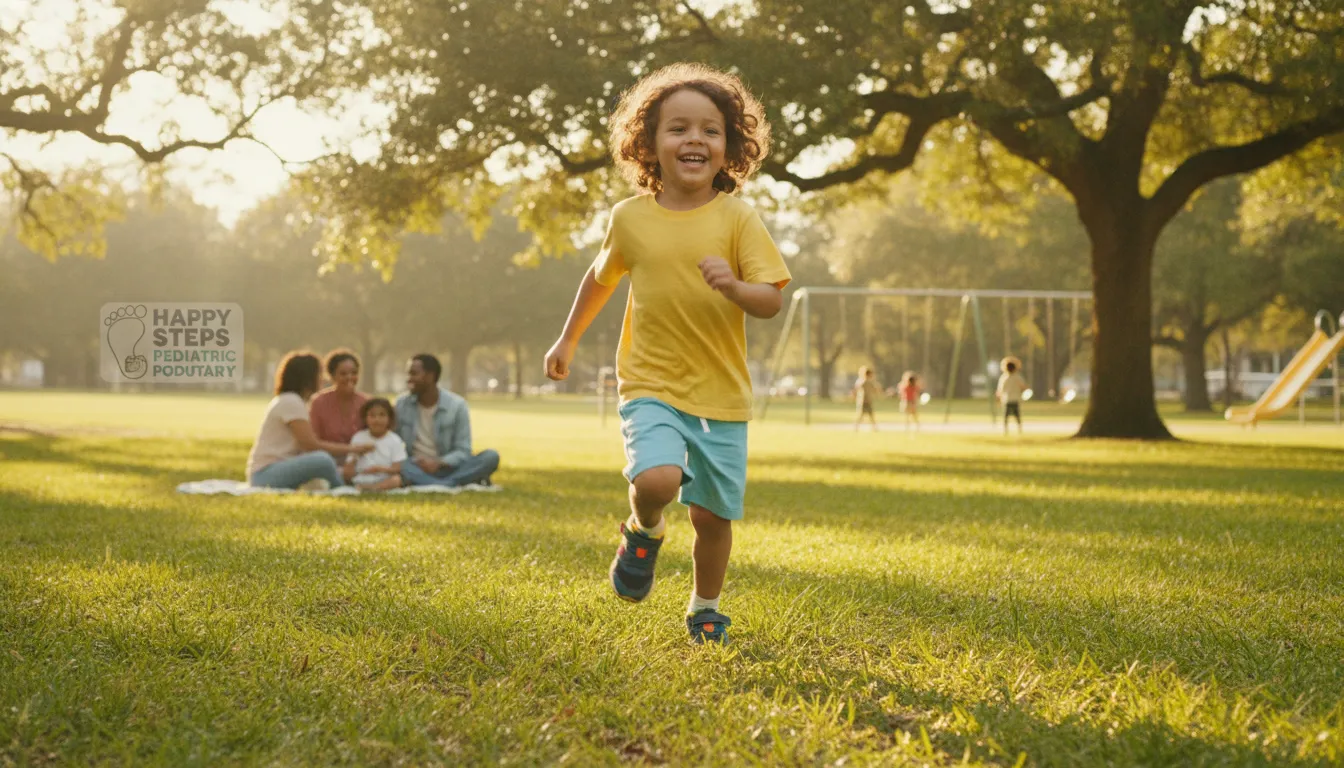

Watching a toddler walk with completely flat feet often makes parents worry. Most young children are born flat-footed because of a thick fat pad under the arch. Proper flat feet in children treatment depends on whether a child’s low arches are flexible and painless or rigid and causing daily discomfort. According to the Mayo Clinic, flexible and painless flat feet are normal growth stages that need no medical care. However, if a child complains of constant foot pain or leg weakness, expert podiatrist care can help determine the root cause.
If your child has foot pain or you are concerned about their flat arches, schedule a consultation with Dr. Sutpal Singh at Comprehensive Foot and Ankle Institute. We serve families in Hoffman Estates, Schaumburg, Palatine, and across the northwest Chicago suburbs.
Flat Feet in Children Treatment: Flexible vs. Rigid Flatfoot
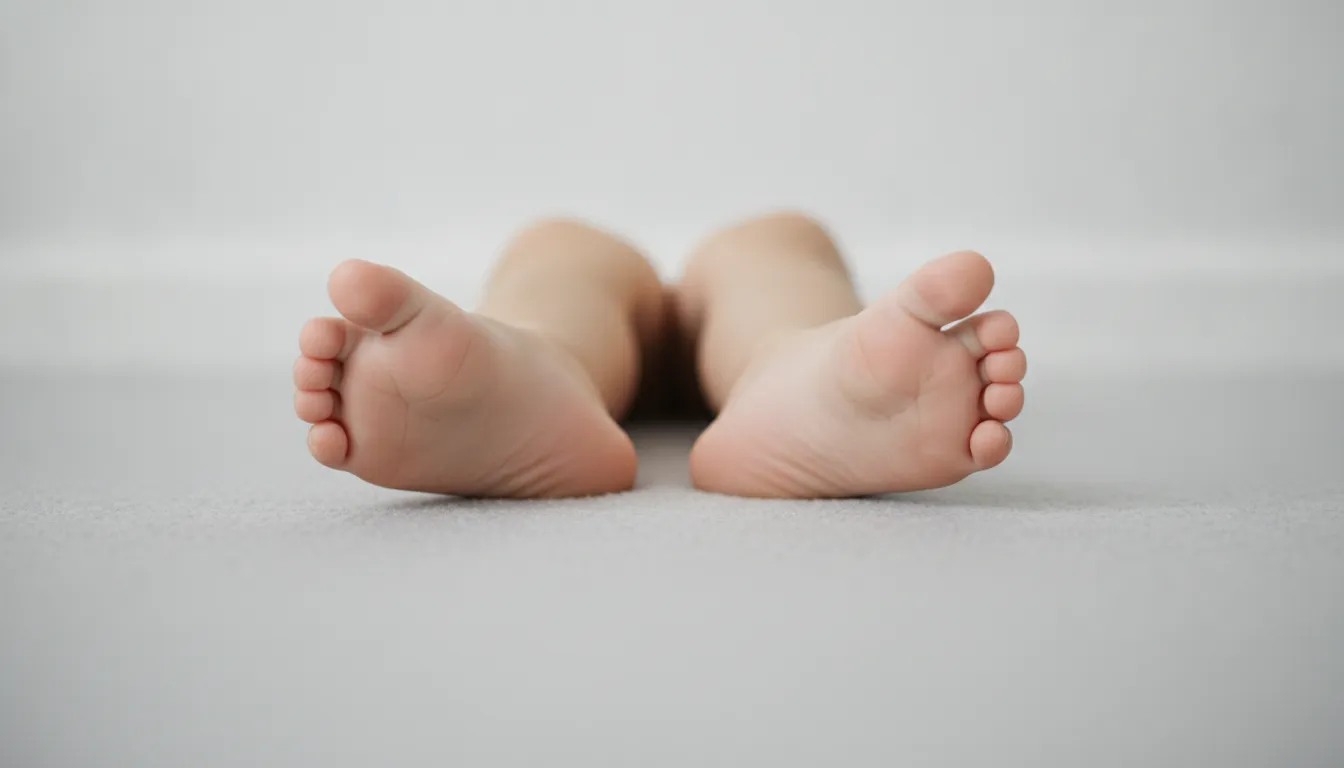
Foot doctors group flat feet into two main types. Flexible flat feet are the most common form, accounting for about 95% of all flat foot cases in children. A child with flexible flat feet has a clear arch when sitting or standing on their toes, but the arch flattens when standing normally. These cases are usually painless and are considered a normal growth pattern.
Rigid flatfoot is much less common. The arch stays flat whether a child is standing, sitting, or resting. This stiffness often stems from a structural issue like a tarsal coalition, where two or more bones in the back of the foot are fused together. Rigid flatfoot can cause constant stiffness, leg cramping, and deep pain that requires expert evaluation. Parents who suspect a rigid arch should seek prompt podiatric care for an accurate diagnosis.
Knowing the difference between these two types is key to choosing the right treatment. For flexible arches, supportive shoes and simple stretches are often enough. For rigid arches, specialized care from a foot specialist is needed to address the underlying structural issue.
When Should Parents Worry About Flat Feet?
Most children with flat feet never feel pain or need special care. Their arches often develop naturally as they grow. But certain warning signs point to a need for medical attention:
- Ongoing foot pain that worsens with activity or causes your child to avoid sports and play
- Swelling along the inside of the ankle
- Difficulty standing on tiptoes, which suggests tendon strain
- Limping or tripping more than expected for their age
- Uneven shoe wear, with the inner edge of the sole wearing down faster
If you notice these signs, early evaluation can keep minor alignment issues from causing long-term problems. Checking how your child walks and inspecting their shoe wear patterns are simple ways to monitor foot health at home. Our practice offers non-surgical flat foot correction options tailored to growing children.
Conservative Treatment Options to Start at Home
When flat arches cause mild discomfort, simple home care often provides relief before medical treatment is needed. These conservative steps support healthy foot development and make daily activities more comfortable:
- Choose supportive shoes. Avoid flat flip-flops or very soft, floppy footwear. Select shoes with firm soles and good heel support that keep the foot stable during play.
- Try over-the-counter arch supports. These affordable inserts can make shoes more comfortable and improve ankle alignment for children with mild arch discomfort.
- Do simple foot exercises. Ask your child to curl a towel with their toes or pick up marbles from the floor. These playful activities strengthen foot muscles and improve flexibility.
- Encourage barefoot play on varied surfaces. Walking on grass, sand, or dirt helps build foot strength naturally. Use supportive shoes on hard floors if feet feel sore after activity.
- Monitor symptoms. Watch how your child moves and check for signs of pain or fatigue during play. If limping or gait issues develop, consult a specialist for guidance.
Tight calf muscles can also make flat arches feel worse. Simple Achilles tendon stretches relieve tightness and reduce heel soreness, keeping your child moving with ease.
Professional Treatment Options for Pediatric Flat Feet
When home care is not enough to relieve a child’s foot pain, professional treatment options are available. Dr. Sutpal Singh provides concierge, doctor-led care for pediatric foot conditions at Comprehensive Foot and Ankle Institute.
Custom orthotics help realign the feet and ease discomfort. These prescription devices do not cure flat arches, but they improve joint alignment and reduce pain during activity. Physical therapy strengthens weak foot muscles and teaches proper foot biomechanics for long-term joint health.
For children with chronic foot pain, Dr. Singh offers advanced regenerative therapy options. Class IV laser therapy uses deep light energy to reduce swelling in tight tissues. Shock wave therapy sends gentle sound waves to accelerate natural healing. These non-invasive treatments help children recover without surgery or medication.
Surgery is very rare for pediatric flat feet and is always a last resort. When needed, Dr. Singh uses minimally invasive foot and ankle procedures with small incisions, local anesthesia, and quick recovery times so children can return to their normal activities promptly.
Frequently Asked Questions About Flat Feet in Children
When should I worry about flat feet in my child?
Seek a podiatric evaluation if your child has persistent foot pain, leg cramping, ankle swelling, limping, or begins avoiding physical activities because their feet feel tired. Painful flat feet are not a normal part of growth and should be checked by a specialist.
Is it normal for a 7-year-old to have flat feet?
While most children develop visible arches between ages two and six, it is not uncommon for a seven-year-old to still have flat feet. If the feet are flexible and painless, this is typically a normal variation. However, if discomfort or gait issues are present, early evaluation is recommended.
Can flat feet be corrected in children?
Yes. Treatment focuses on managing symptoms and improving foot biomechanics rather than permanently changing bone structure. Supportive footwear, physical therapy, and custom orthotics are highly effective at relieving pain and improving alignment. True surgical correction for flat feet is extremely rare in pediatric cases.
Ready To Help Your Child Move Without Pain?
If your child has flat arches that cause daily foot pain or limit their favorite activities, expert help is available. Dr. Sutpal Singh brings over 30 years of experience to every pediatric case, using non-surgical techniques to treat flat feet in children and keep young athletes moving. Our concierge practice serves families throughout Hoffman Estates, Schaumburg, Palatine, Barrington, Arlington Heights, and all northwest Chicago suburbs.
Schedule your child’s consultation today or call (847) 310-1600 to learn how we can help them run, play, and grow without foot pain.