


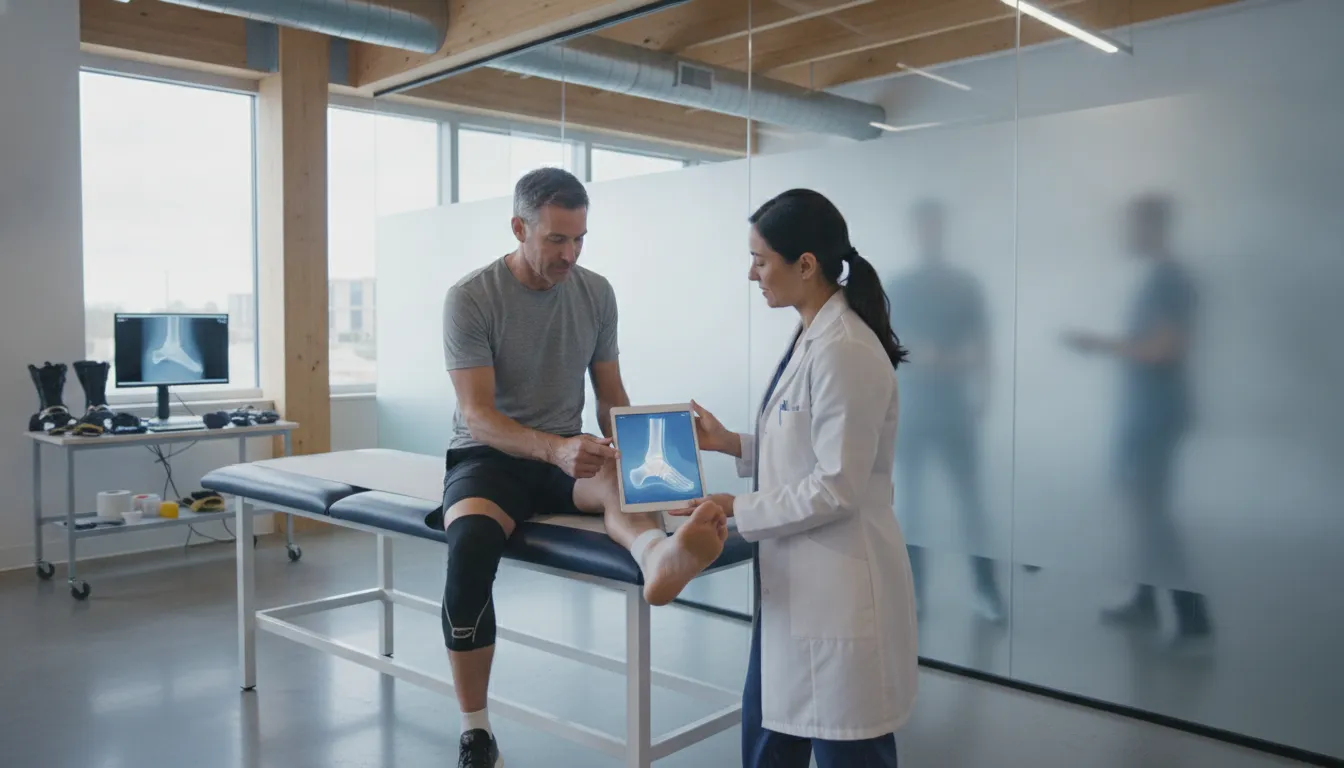

Searching for a podiatrist for athletes Schaumburg residents can rely on often starts with one goal: address foot or ankle pain without losing more time than necessary. At Comprehensive Foot and Ankle Institute in nearby Hoffman Estates, Dr. Sutpal Singh, DPM, FACFAS, evaluates the injury, the demands of your sport, and the factors that may affect a safe return to activity. His personalized approach may include conservative care, regenerative medical therapy, or minimally invasive treatment when clinically appropriate.
Request your appointment with Dr. Singh today to discuss a foot or ankle problem that is limiting your training.
Athletes place different demands on their feet than less-active patients. Our sports medicine services serving the northwest suburbs are designed to get you back to peak performance quickly. A runner may need help understanding why pain appears after a certain mileage. A pickleball player may be concerned about a sudden ankle injury. A dancer or court-sport athlete may need stability, flexibility, and confidence through a wide range of motion. The right evaluation connects symptoms to those real movements instead of looking only at where it hurts.
Podiatrist for athletes Schaumburg: What should you look for?
A sports medicine specialist for athletes should look beyond a single painful spot. The exam should consider when symptoms started, which movements trigger them, how training recently changed, and whether footwear or mechanics may be contributing. The purpose is to identify the condition and build a plan that fits the patient’s activity goals.
Care that accounts for your sport
Running, golf, soccer, basketball, dance, and pickleball stress the foot and ankle differently. Dr. Singh asks how pain affects practices, games, workouts, and daily life. That context helps him determine which findings matter most and which treatment options may be reasonable.
A clear diagnosis before a return-to-play plan
Continuing through pain without understanding its cause can allow some injuries to worsen. A careful evaluation may include a physical exam, movement assessment, and imaging when indicated. Patients should receive a plain-language explanation of the likely problem, appropriate options, and signs that mean activity should be modified.
Personalized, doctor-led visits
Comprehensive Foot and Ankle Institute follows a concierge-style model with doctor-led attention, minimal wait times, and no double-booking. Athletes can discuss the details of their condition and recovery goals directly with Dr. Singh, a third-generation physician with more than 30 years of experience. Learn more about Dr. Singh’s credentials and approach.
Common foot and ankle problems that slow athletes down
Athletic foot and ankle problems range from sudden injuries to overuse conditions that develop gradually. Symptoms that persist, recur, or change movement patterns deserve an evaluation. Earlier assessment may help an athlete avoid compensating in ways that irritate another area.
Plantar heel pain
Plantar fasciitis commonly causes heel pain with the first steps in the morning or after rest. Running volume, tight calf muscles, footwear, and repetitive loading can contribute. Treatment depends on the examination and may combine activity changes, stretching, supportive measures, and other therapies.
Achilles tendon pain
The Achilles tendon transfers force from the calf to the foot during running and jumping. Pain, swelling, or stiffness can make acceleration and push-off difficult. Because tendon problems vary in severity, an exam is important before an athlete decides whether to train through symptoms. Read about the practice’s approach to Achilles tendon injuries and regenerative medical therapy.
Ankle sprains and recurring instability
An ankle sprain can affect balance, strength, and trust in the joint after swelling improves. Repeated giving-way may signal lingering instability or another problem that needs attention. A return plan should account for control and sport-specific movement, not only the absence of pain.
Forefoot pain, stress injuries, and nail problems
Pain near the ball of the foot, possible stress injuries, and irritated or ingrown toenails can all interrupt training. Athletes should seek prompt care for an inability to bear weight, significant swelling, a visible deformity, an open wound, numbness, or signs of infection.
How does an athlete-focused foot and ankle evaluation work?
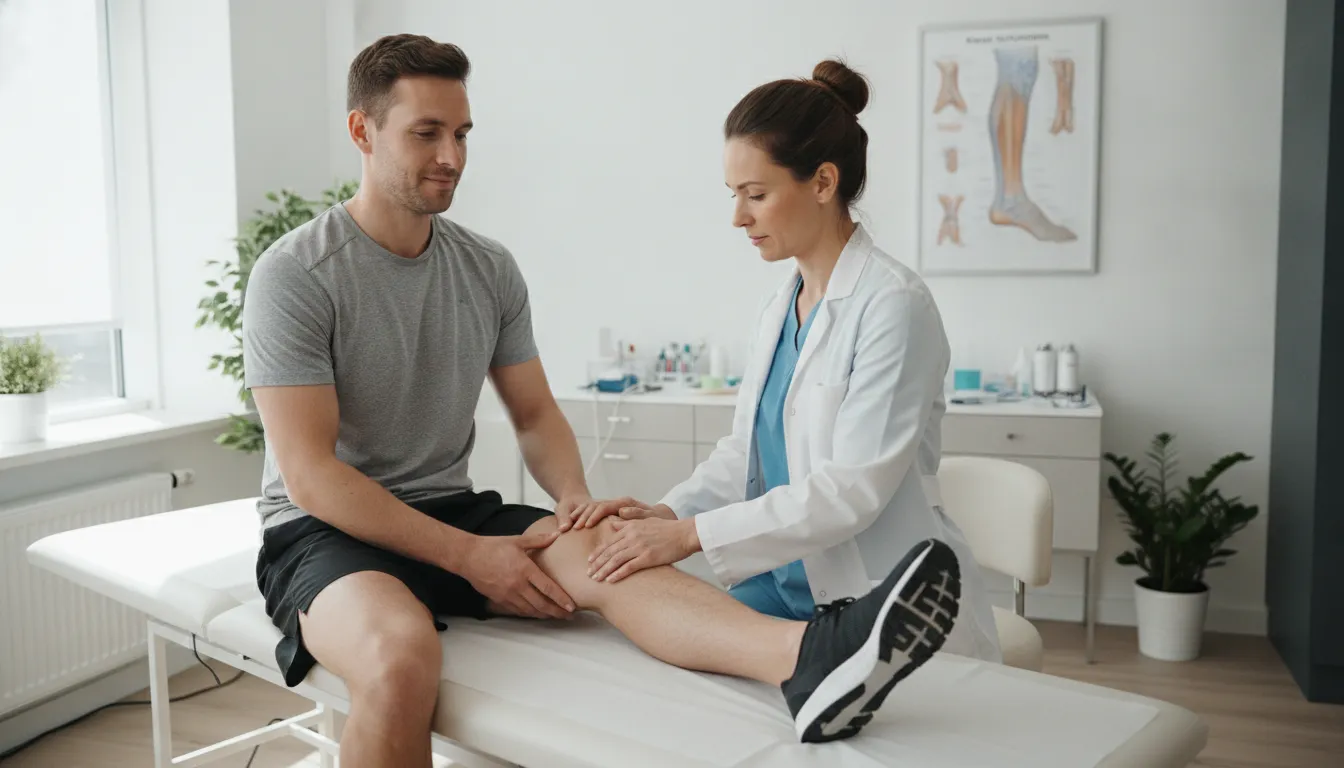
An athlete-focused visit connects the clinical findings to movement and training. The evaluation begins with the story of the injury, including the onset, location, intensity, and pattern of symptoms. Recent changes in surfaces, mileage, equipment, competition, or recovery may offer useful clues.
From symptoms to a working diagnosis
Dr. Singh examines the painful area and may assess strength, flexibility, alignment, stability, and gait. Imaging or another diagnostic step may be recommended when the findings warrant it. The result should be a working diagnosis and a discussion of what it means for current activity.
A treatment plan with practical checkpoints
The plan may begin with load modification, footwear changes, bracing, rehabilitation, or another conservative option. Follow-up checkpoints help determine how the condition is responding. Return-to-sport timing varies by diagnosis, severity, general health, and the demands of the activity, so no single timeline fits every athlete.
| Evaluation focus | Athlete-focused question | Why it matters |
|---|---|---|
| Symptoms | Which movement or training load triggers pain? | Connects findings to sport demands |
| Movement | Are strength, mobility, balance, or mechanics affected? | Identifies barriers to confident activity |
| Plan | What milestones should be met before progression? | Supports a measured return |
Can regenerative therapies support an athlete’s recovery plan?
Regenerative medical therapies may be considered for selected foot and ankle conditions after an individualized consultation. Their purpose is to support the body’s healing response and help address pain or tissue irritation. They are not appropriate for every injury, and results vary.
Class IV laser and shock wave therapy
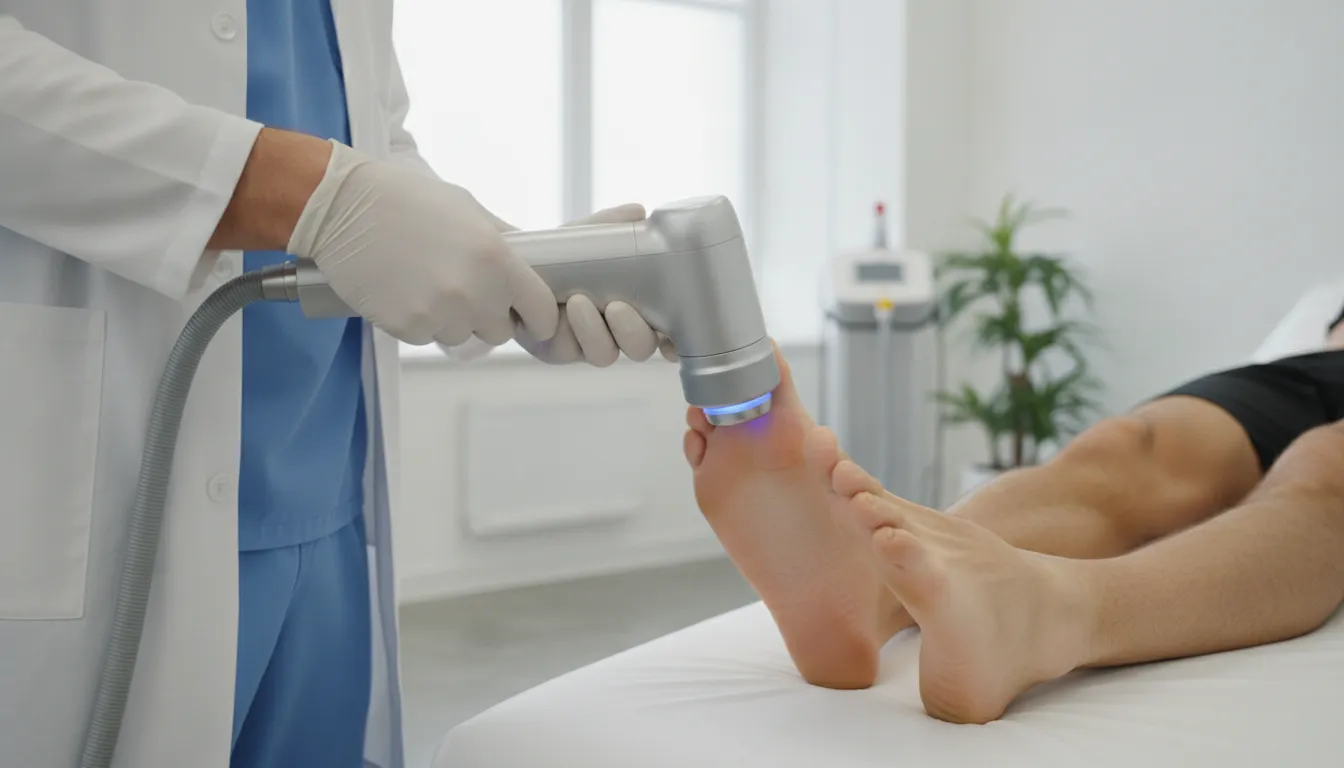
Class IV laser therapy uses light energy as part of a noninvasive treatment plan. SoftWave acoustic sound wave therapy for sports injuries uses focused sound waves to stimulate tissue repair. Depending on the diagnosis, Dr. Singh may discuss these options for certain soft-tissue or overuse problems alongside changes in activity and other care.
Injection-based options
For selected patients, Dr. Singh may discuss stem cell injections, fat pad injections using Liposona, or peptide-based options such as BPC-157. These services require a clinical evaluation and a discussion of potential benefits, limitations, alternatives, and costs. Regenerative services may not be covered by insurance.
Comprehensive Foot and Ankle Institute emphasizes options that may help preserve motion and an active lifestyle. Explore the practice’s stem cell therapy information and broader foot and ankle services.
When might minimally invasive treatment help active patients?
Some structural foot problems continue to limit activity despite appropriate conservative care. When a procedure is warranted, Dr. Singh may discuss a minimally invasive option for conditions such as bunions, hammertoes, foot osteophytes, or certain metatarsal deformities.
A different approach to selected foot procedures
Relevant procedures may use precise instruments through no incision or a small poke hole. They are generally performed in the office under local anesthesia, without hospitalization. For appropriate patients and procedures, the approach may avoid screws, plates, or other internal hardware.
Recovery still requires an individualized plan
Minimally invasive does not mean that every athlete can immediately return to full sport. Walking may be allowed right away when clinically appropriate, but progression depends on the procedure, tissue response, and activity. Dr. Singh explains restrictions and follow-up needs before treatment so patients can make informed decisions.
A practical path from foot pain back to sport
A measured return gives the athlete and doctor useful feedback. The specific milestones should be tailored to the condition, but a typical process follows these steps:
Why gradual progression matters
Returning to full activity too quickly can hide whether the foot or ankle is ready for repeated sport-specific stress. A gradual progression creates opportunities to assess how symptoms respond during activity and later that day. It also lets the athlete rebuild confidence before adding speed, jumping, cutting, hills, or longer sessions.
Keeping a short training log can help. Note the activity, duration, symptoms during the session, and the response afterward. Share meaningful changes with Dr. Singh. That information may help guide the next progression or show that the plan needs adjustment.
- Identify the problem. Get persistent or concerning symptoms evaluated rather than guessing at the diagnosis.
- Settle the aggravating load. Modify the movements or training volume that repeatedly provoke symptoms.
- Follow the treatment plan. Use the recommended conservative, regenerative, or procedural care consistently.
- Rebuild capacity. Restore the strength, mobility, balance, and tolerance needed for the activity.
- Progress gradually. Increase sport-specific demands while monitoring symptoms and following clinical guidance.
Athletes should not use pain alone as the only return-to-sport test. Swelling, stability, confidence, endurance, and control can also matter. Seek urgent medical attention for severe pain, deformity, inability to bear weight, spreading redness, fever, or an open injury.
Talk with Dr. Singh about a personalized fast-recovery plan before foot or ankle pain changes the way you train.
Why Schaumburg-area athletes choose personalized care
Comprehensive Foot and Ankle Institute is located in Hoffman Estates, convenient to Schaumburg and other northwest Chicago suburbs. Patients choose the practice for focused appointments, advanced treatment options, and a plan designed around their goals rather than a one-size-fits-all protocol.
Dr. Singh’s philosophy is simple: life is motion, and motion is life. For an athlete, preserving motion may mean returning to a weekly run, completing a competitive season, or simply exercising without recurring discomfort. The best next step is a careful diagnosis and an honest discussion of suitable options.
Preparing for your appointment
Bring the shoes or equipment most closely related to your symptoms when practical. Be ready to describe when the problem began, what makes it better or worse, and whether training recently changed. A list of prior treatments, medications, and relevant health conditions can also help Dr. Singh understand the full picture.
Write down the activity you want to return to and the level that matters to you. The goal may be finishing a neighborhood walk, training for a race, or competing through a season. Clear goals help make the treatment discussion more practical and personal.
The practice also treats sports that are rapidly growing in the area. Athletes interested in court-sport care can read more about pickleball injuries and regenerative medical therapy.
Frequently asked questions
When should an athlete see a podiatrist?
Schedule an evaluation when foot or ankle pain persists, returns with activity, causes swelling, changes the way you move, or limits training. Seek prompt attention for severe pain, deformity, an open wound, signs of infection, or an inability to bear weight.
Do I need to stop training before my appointment?
It depends on the symptoms and possible injury. Avoid activity that causes sharp pain, worsening swelling, instability, or altered movement. Dr. Singh can recommend appropriate activity changes after an evaluation.
Are regenerative therapies right for every sports injury?
No. Suitability depends on the diagnosis, health history, injury severity, and goals. Dr. Singh discusses potential benefits, limitations, alternatives, and expected costs during a consultation. Outcomes cannot be guaranteed.
How far is the office from Schaumburg?
Comprehensive Foot and Ankle Institute is in nearby Hoffman Estates and serves athletes from Schaumburg and communities throughout the northwest Chicago suburbs. Contact the office for scheduling and travel details.
Request an athlete-focused foot and ankle appointment
Do not let a recurring foot or ankle problem keep dictating your training. Dr. Sutpal Singh offers personalized evaluations and discusses conservative, regenerative, and minimally invasive options based on each athlete’s condition and goals.
Request your appointment with Comprehensive Foot and Ankle Institute and take the next step toward comfortable, confident movement.