


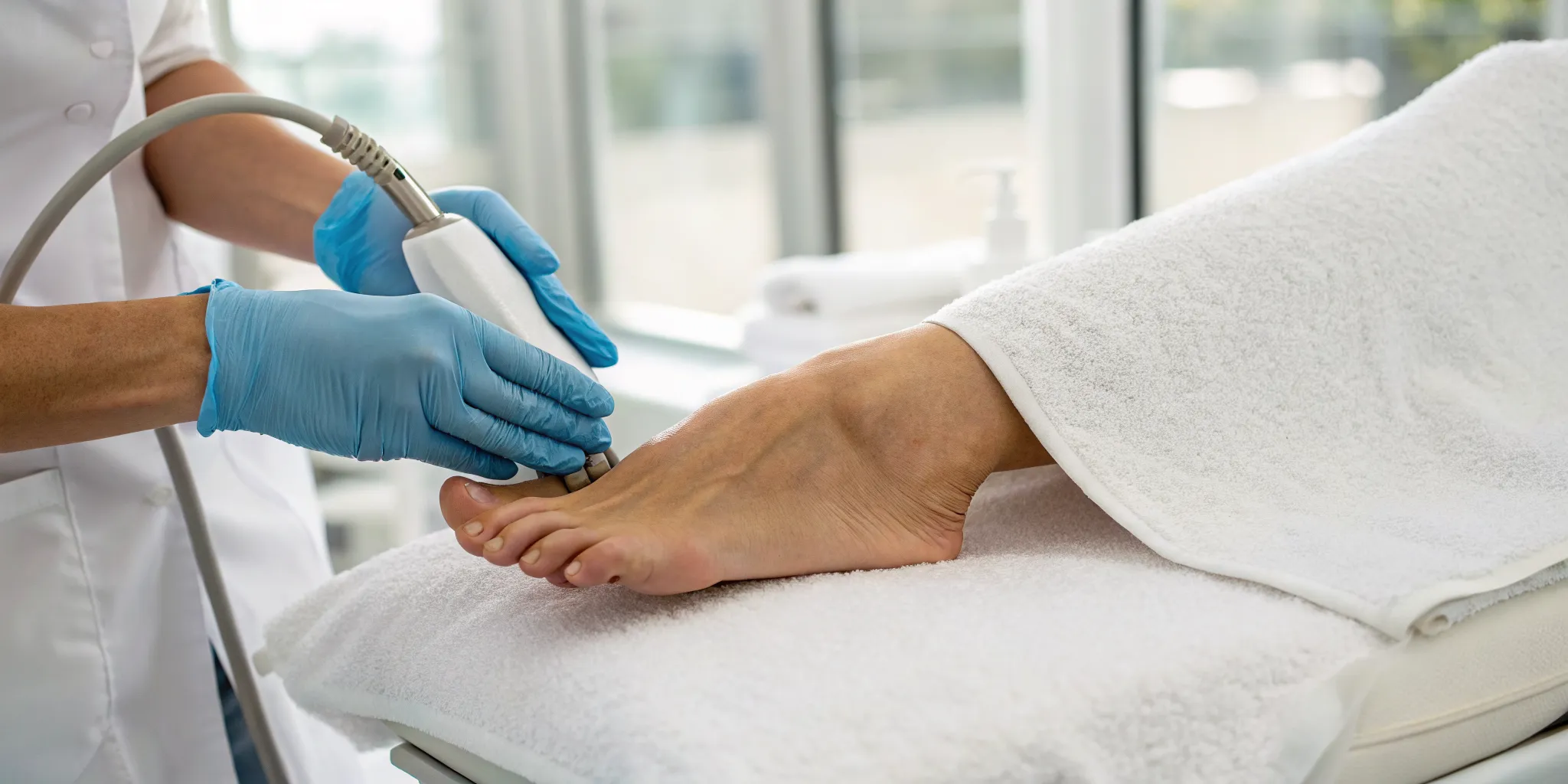

The idea of using a beam of light to heal your body might sound like something from a science fiction movie, but it’s one of the most effective modern treatments for pain. It’s all based on a simple principle: your body’s cells need energy to repair themselves. Class IV laser therapy delivers a concentrated dose of light energy directly to your injured tissues, giving those cells the fuel they need to reduce inflammation and accelerate healing. This guide demystifies the science behind this powerful laser treatment for foot pain, explaining in simple terms how it works, the conditions it helps, and why it’s a game-changer for recovery.
Key Takeaways
- Laser therapy promotes healing from within: It uses focused light energy to give your cells the energy they need to reduce inflammation and repair damaged tissue, addressing the root cause of your pain without surgery or medication.
- There is absolutely no downtime involved: You can walk out of a quick, painless session and get right back to your day, making it one of the most convenient ways to treat foot pain without disrupting your busy schedule.
- It works well alone or with other treatments: Laser therapy is effective for many conditions like plantar fasciitis and tendinitis, and it can be combined with therapies like shockwave or stem cells to create a powerful, personalized plan for faster, more complete healing.
What Is Laser Therapy for Foot Pain?
If you’re dealing with persistent foot or ankle pain, you’ve probably been told your options are rest, injections, or surgery. But what if there was another way? A treatment that works with your body to heal the injury from the inside out, without incisions or long recovery periods. That’s exactly what laser therapy offers. It’s one of the most effective regenerative medical therapies available for treating foot and ankle pain, and it’s a fantastic option for athletes or anyone who needs to get back on their feet quickly.
Think of it as a focused beam of light that delivers healing energy directly to the injured cells in your foot. This isn’t science fiction; it’s a scientifically-backed treatment that reduces inflammation, improves blood flow, and accelerates your body’s natural healing process. The treatment itself is painless and relaxing, feeling like a warm massage on the affected area. It’s a powerful tool for a wide range of conditions, from the nagging ache of plantar fasciitis and the sharp pain of Achilles tendinitis to discomfort from an old sports injury or arthritis. Laser therapy is a non-invasive solution that helps you avoid medication and the downtime that comes with more traditional procedures, allowing you to return to your life and activities much faster.
How Does Class IV Laser Therapy Work?
So, how can light possibly fix your foot pain? It’s all about energy and cellular biology. Class IV laser therapy uses a focused beam of light that penetrates deep beneath the surface of your skin, reaching the damaged tissues, ligaments, and tendons. This light energy is absorbed by your cells, which kicks them into high gear.
This process, sometimes called photobiomodulation, stimulates cellular regeneration and repair. It increases blood circulation to the area, bringing more oxygen and nutrients to the injury site while flushing out inflammatory byproducts. Essentially, the laser gives your cells the energy boost they need to heal themselves more efficiently. It’s a natural, non-invasive way to accelerate recovery and find lasting relief from pain without medication.
Not All Lasers Are Created Equal
You may have seen ads for “cold lasers” or other low-power light therapies, and it’s easy to assume they all do the same thing. However, there is a major difference in effectiveness. The power of the laser determines how deeply it can penetrate tissue. A low-power laser might only affect the surface of your skin, while a Class IV laser, like the one we use, has the strength to reach deep into the muscles, tendons, and ligaments where the actual injury lies.
Choosing the right technology is critical for getting results. It’s the difference between a treatment that feels good temporarily and one that creates real, lasting change in the injured tissue. Our doctor specifically selected this advanced technology because its power and precision are proven to be more effective for treating the root cause of foot and ankle pain.
Can Laser Therapy Help Your Foot Pain?
If you’re dealing with persistent foot or ankle pain, you know how frustrating it can be. It can stop you from running, playing sports, or even just enjoying a simple walk. The good news is that you don’t have to live with it, and you don’t necessarily have to resort to surgery or medication. Class IV Laser Therapy is an incredibly versatile treatment that addresses the source of pain for a wide range of conditions. It’s a go-to solution for anyone, especially athletes, looking for a fast and effective recovery without the long downtime.
Instead of just masking symptoms, laser therapy works at a cellular level to reduce inflammation, ease pain, and accelerate your body’s own healing mechanisms. Whether you’re struggling with a nagging tendon, a sharp nerve pain, or the chronic ache of arthritis, this non-invasive approach can be a game-changer. It’s designed to get you back on your feet and back to your life, faster. Below, we’ll explore some of the most common foot problems that respond exceptionally well to our advanced regenerative therapies.
Plantar Fasciitis
If you dread that sharp, stabbing pain in your heel with your first steps in the morning, you’re likely familiar with plantar fasciitis. This stubborn condition happens when the thick band of tissue on the bottom of your foot becomes inflamed. Laser therapy directly targets this inflammation. The focused light energy penetrates deep into the tissue, calming irritation and promoting circulation. This process not only provides significant pain relief but also helps the damaged ligament heal properly. Studies show that laser treatment can lessen pain and swelling, with results that can last for months, helping you walk, run, and stand comfortably again.
Achilles Tendinitis and Other Tendon Pain
Achilles tendinitis causes pain and stiffness along the back of your heel, and it’s a common complaint among runners and active individuals. This type of overuse injury can be slow to heal on its own. Laser therapy offers a powerful, non-surgical solution. It works by sending focused energy into the inflamed tendon, which stimulates cellular repair and regeneration. This process helps new cells grow and speeds up healing, all without medication or incisions. By reducing inflammation and accelerating tissue repair, laser therapy can help you overcome tendon pain and prevent it from becoming a chronic issue that keeps you on the sidelines.
Neuromas
Do you ever feel like you’re walking on a pebble, with a sharp, burning pain in the ball of your foot? You might be dealing with a neuroma, which is a pinched or irritated nerve, most commonly Morton’s neuroma. This condition can make wearing certain shoes or even just walking feel unbearable. Laser therapy offers a gentle yet effective way to find relief. The treatment works to alleviate nerve pain by reducing swelling and calming the irritated nerve and surrounding tissues. This gives the nerve the space it needs to function without sending those painful signals, allowing you to get back on your feet without discomfort.
Foot and Ankle Arthritis
Living with arthritis means dealing with chronic pain, stiffness, and swelling that can severely limit your mobility. While there is no cure for arthritis, laser therapy is an excellent way to manage its symptoms and improve your quality of life. Our Class IV laser uses specific wavelengths of light to provide a powerful one-two punch against arthritic pain. One wavelength works to block pain signals, while another focuses on reducing the underlying inflammation in the joint. This combination approach can work well to get good results quickly, helping to restore flexibility and decrease stiffness without relying on daily pain medications.
Sports Injuries and Stress Fractures
For any athlete, getting sidelined by an injury like an ankle sprain, muscle strain, or even a stress fracture is the ultimate frustration. You want to heal quickly, but you also want to heal correctly to prevent re-injury. Laser therapy is a fantastic tool for accelerating recovery from sports-related injuries. The light energy stimulates the body’s natural repair processes, increasing blood flow and promoting faster healing of soft tissues and even bone. It’s an effective alternative with a solid track record of bringing rapid relief without the side effects of medication or the downtime of surgery, helping you get back in the game safely and with confidence.
Why Choose Laser Therapy for Your Foot Pain?
When foot pain sidelines you, your first thought might be about lengthy recovery times, invasive procedures, or a reliance on pain medication. But what if there was another way? Class IV Laser Therapy is a modern treatment that changes the conversation around foot and ankle pain. It’s a non-invasive solution that works with your body’s natural healing processes to reduce inflammation, alleviate pain, and accelerate tissue repair at the cellular level.
This isn’t a temporary fix. Instead of just masking symptoms, laser therapy addresses the underlying cause of your pain. For athletes, busy parents, and anyone who can’t afford to be off their feet, this treatment offers a path to recovery that fits into your life. It’s about getting you back to your daily runs, your demanding job, or simply walking without pain, and doing it faster and more safely than you might have thought possible. Our regenerative services are designed to help you heal effectively, so you can get back to doing what you love.
Get Back on Your Feet Immediately (No Downtime)
One of the most significant benefits of laser therapy is the complete absence of downtime. Forget about crutches, special boots, or being laid up on the couch for weeks. After a session, you can literally walk right out of the clinic, put your shoes on, and get back to your day. This is a major advantage for anyone with a busy schedule.
There’s no need to arrange for time off work or pause your life. You can continue your normal activities immediately, making it one of the most convenient and effective treatments available for foot and ankle pain. This approach allows you to heal without disrupting your life’s rhythm.
A Natural Approach with Minimal Side Effects
If you’re looking for a treatment that avoids the risks of surgery and the side effects of medication, laser therapy is an excellent choice. It’s a natural approach that uses light energy to stimulate your body’s own healing mechanisms. Unlike oral medications that can come with a long list of potential issues, laser therapy has no known side effects and is cleared by the FDA as a safe and effective treatment.
The process is gentle and non-invasive. At most, some people report a mild, soothing warmth in the treated area during the session. You can feel confident knowing you’re choosing a therapy that works with your body, not against it, to achieve lasting pain relief.
Recover Faster Than with Traditional Methods
When you’re in pain, you want relief as quickly as possible. Laser therapy helps speed up the healing process significantly. By increasing circulation and reducing inflammation, it helps damaged tissues repair themselves more efficiently. Many patients report feeling a noticeable reduction in pain and discomfort after just a few short sessions.
This accelerated recovery is a huge benefit compared to the slow, often frustrating pace of traditional methods. Instead of waiting weeks or months to feel better, you can start seeing progress quickly. Our patients often share how surprised they are by the speed of their recovery, which you can read about in their testimonials.
Why It’s a Game-Changer for Athletes
For an athlete, a foot or ankle injury can be devastating. The pressure to return to training and competition is immense, but coming back too soon can lead to re-injury. Laser therapy is a true game-changer in sports medicine because it helps athletes recover faster and more thoroughly. It treats common issues like plantar fasciitis, Achilles tendinitis, and stress fractures effectively.
This therapy helps you get back in the game without relying on cortisone shots or addictive painkillers. It’s a powerful tool for not only healing current injuries but also for managing chronic conditions that can hinder performance. With an expert like Dr. Singh guiding your treatment, you can create a plan that gets you back to peak performance safely.
Busting Myths About Laser Foot Treatments
Laser therapy is an incredible tool for healing foot pain, but there’s a lot of confusing information out there. When you’re trying to get back to your sport or just your daily life without pain, you need clear, accurate facts. Let’s clear up a few common myths so you can make an informed decision about your health and recovery.
Myth: “All laser therapies are the same.”
It’s easy to assume a laser is just a laser, but that couldn’t be further from the truth when it comes to medical treatments. There’s a major difference between low-power “cold lasers” and the advanced Class IV Laser Therapy we use. The key is depth. Low-level lasers often only treat the surface of the skin. A Class IV laser, however, sends healing energy deep into your muscles, ligaments, and tendons. This ability to reach injured tissue is what allows it to reduce inflammation, ease pain, and accelerate healing right at the source.
Myth: “It’s only for severe or chronic cases.”
You don’t have to wait until your pain is unbearable to seek effective treatment. While laser therapy is a lifesaver for chronic conditions, it’s also an incredibly effective and easy option for a wide range of issues. Think of it less as a last resort and more as a smart, proactive choice. It’s perfect for athletes with acute injuries or anyone who has tried other conservative methods, like icing and stretching, without getting the relief they need. Its versatility makes it a go-to treatment for many different types of foot and ankle pain.
Myth: “Recovery takes a long time.”
The word “laser” might bring to mind a long, complicated recovery, but the reality is the exact opposite. Because laser therapy is completely non-invasive, there are no incisions or injections involved. The treatment itself is pain-free, and there is absolutely no downtime. Most people return to their normal activities the moment they walk out of the office. For anyone with a busy schedule, and especially for athletes, this is a huge advantage. You can get powerful pain relief and get right back to your life. If you’re ready for relief without the recovery time, contact us to learn more.
Laser Therapy vs. Traditional Foot Pain Treatments
When you’re dealing with persistent foot pain, you want a solution that’s not only effective but also fits into your active life. While traditional treatments have their place, they often come with drawbacks like long recovery times or temporary results. Let’s explore how Class IV laser therapy compares to some of the most common approaches to foot pain.
Laser Therapy vs. Surgery
Surgery is often considered a last resort for a reason. It’s an invasive process that can involve incisions, hardware like screws or plates, and a significant recovery period that keeps you off your feet. For an athlete or anyone with a busy schedule, this downtime can be a major setback.
Laser therapy presents a completely different approach. As a non-invasive treatment, it uses focused light energy to penetrate deep into the tissue without breaking the skin. This process stimulates cellular regeneration, increases blood flow, and reduces inflammation to accelerate healing from within. You get to address the source of the pain and help your body repair itself, all without the risks and recovery associated with a surgical procedure.
Laser Therapy vs. Cortisone Injections
Cortisone injections are a frequent go-to for reducing inflammation and providing rapid pain relief. While they can be effective in the short term, they don’t fix the underlying problem. The relief is often temporary, and the injections themselves can be uncomfortable. More importantly, repeated cortisone shots can potentially weaken tendons and other tissues over time, masking the injury while it worsens.
In contrast, Class IV laser therapy is a regenerative treatment that aims for lasting healing. Instead of just silencing pain signals, it helps repair the damaged cells that are causing the pain in the first place. It’s a safe, FDA-cleared method with no known side effects, making it a much healthier long-term solution for your body.
Laser Therapy vs. Physical Therapy Alone
Physical therapy is an excellent and often necessary part of recovering from a foot injury. It helps rebuild strength, improve mobility, and correct biomechanical issues. However, when you’re in a lot of pain, performing the required exercises can be difficult and can even cause further irritation.
This is where combining treatments makes a huge difference. Laser therapy can significantly speed up your recovery by reducing the initial pain and inflammation. This allows you to engage more effectively in your physical therapy sessions and get better results, faster. Think of it as giving your body a head start on healing, making your physical therapy more productive and less painful from day one.
What to Expect During Your Laser Therapy Session
Thinking about trying laser therapy is exciting, but it’s completely normal to have questions about what the process actually feels like. The great news is that Class IV laser therapy is a straightforward and comfortable experience. Unlike surgery, it’s a non-invasive treatment performed right here in our office. You can walk in, have your session, and walk right back out without any downtime. We believe in a concierge approach where you feel informed and at ease every step of the way. Here, we’ll break down what happens during a typical appointment, from what you’ll feel to how long it will take.
Does It Hurt? What to Expect During Treatment
This is usually the first question on everyone’s mind, and the answer is simple: no, it doesn’t hurt. You won’t feel any sharp pain or discomfort. The Class IV laser we use is designed to deliver healing light energy deep into your tissues without generating intense heat. Most people describe the sensation as a gentle, soothing warmth over the treatment area, almost like a mini massage for your cells. You can just sit back and relax while the laser does its work stimulating your body’s natural healing response. It’s a completely pain-free way to address the source of your foot and ankle pain.
How Long Does a Session Take?
Your time is valuable, especially when you’re trying to balance recovery with training, work, and life. That’s another reason why laser therapy is such a great option. A single session is incredibly quick, typically lasting between five and fifteen minutes, depending on the area we’re treating. You can easily schedule an appointment during your lunch break or on your way home from the gym. There’s no need to set aside a huge chunk of your day. These quick, targeted sessions make it easy to stay consistent with your treatment plan and get you back to your activities faster.
How Many Sessions Will I Need?
The number of sessions you’ll need is unique to you. While many people see significant improvement after a series of six to ten treatments, this is just a general guideline. Your specific plan will depend on your condition, how long you’ve had the pain, and your personal recovery goals. During your initial consultation, Dr. Singh will assess your injury and create a personalized treatment protocol designed for optimal, long-lasting results. We’ll monitor your progress every step of the way, adjusting the plan as needed to ensure you’re healing effectively. The first step is to schedule a consultation to discuss your specific needs.
Can You Combine Laser Therapy with Other Treatments?
Absolutely. While Class IV laser therapy is a powerful treatment on its own, its true potential is often realized when combined with other regenerative therapies. Think of it as creating a team of all-star healers who each have a unique job to do. By creating a personalized treatment plan, we can attack your foot pain from multiple angles, leading to a faster, more complete, and longer-lasting recovery.
This comprehensive approach is one of the cornerstones of our practice. We don’t believe in a one-size-fits-all solution because your body and your injury are unique. For athletes or anyone with an active lifestyle, this is especially important. You don’t just want to be pain-free; you want to get back to your sport or daily activities with strength and confidence. Combining treatments helps you do just that by creating a synergistic effect where each therapy enhances the benefits of the others. Here are a few of the powerful combinations we use to help our patients heal.
Combining with Shockwave Therapy
If you’re dealing with a stubborn, chronic issue like plantar fasciitis or Achilles tendinitis, combining laser with shockwave therapy can be a game-changer. Shockwave therapy uses acoustic waves to break up scar tissue and calcifications that prevent healing. It’s like sending in a demolition crew to clear out old, damaged structures.
Once shockwave therapy has broken down those barriers, laser therapy comes in to accelerate the repair process. The laser reduces the resulting inflammation and floods the area with the energy your cells need to rebuild healthy, new tissue. This one-two punch targets the problem from two different angles, which can dramatically speed up recovery for injuries that have been stuck for months or even years.
Combining with Stem Cell Therapy
Stem cell therapy is one of the most exciting frontiers in regenerative medicine. This treatment uses your body’s own master cells to repair and regenerate damaged tissues from the inside out. When we introduce these powerful cells to an injury site, we want to give them the best possible environment to do their work. That’s where laser therapy comes in.
By applying laser therapy alongside a stem cell treatment, we can enhance the entire process. The laser improves circulation, reduces inflammation, and provides energy to the surrounding tissues, creating a welcoming and supportive environment for the new stem cells. This synergy helps the cells integrate more effectively and can lead to more robust and durable healing for conditions like arthritis or severe tendon damage.
Combining with Red Light Therapy
You might think of red light therapy and laser therapy as being similar, and they are. Both use light to stimulate healing at a cellular level. However, they work at different wavelengths and depths. Red light therapy is fantastic for promoting surface-level healing and boosting overall cellular energy.
When we pair it with a powerful Class IV laser, which penetrates much deeper into the tissues, we get a comprehensive healing effect. The laser targets the root of the injury deep within the foot or ankle, while the red light therapy provides broader support to the surrounding tissues. This combination provides a well-rounded approach to pain management and tissue repair, helping to soothe soreness and accelerate recovery from all angles.
Let’s Talk Cost: Is Laser Therapy Covered by Insurance?
When you’re dealing with persistent foot pain, your main goal is finding relief that works. As you explore options like Class IV laser therapy, the question of cost and insurance coverage naturally comes up. It’s important to have a clear picture of the financial side so you can make the best decision for your health and your budget.
Because regenerative treatments like laser therapy are at the forefront of medical innovation, they are often considered elective or alternative therapies by insurance providers. This means that in most cases, laser therapy for foot pain is not covered by standard insurance plans or Medicare. We believe in being completely transparent about this. Our clinic operates on a concierge model, which means our focus is entirely on you and your specific needs, providing advanced services without the limitations often imposed by insurance carriers. This approach allows us to offer cutting-edge treatments and personalized care that gets you back on your feet faster.
Understanding the Investment
Let’s talk directly about the cost. Since laser therapy is typically an out-of-pocket expense, it’s helpful to think of it as an investment in your health. The exact cost can vary depending on your specific condition and the number of sessions you’ll need for optimal results. While some clinics might charge per session, we create a personalized treatment plan tailored to you. We are committed to transparency and will discuss all costs with you upfront during your consultation.
The reason this treatment isn’t usually covered is that insurance plans can be slow to adopt newer, regenerative technologies, even when they are highly effective. By investing directly in your care, you are choosing a proactive path to healing that isn’t dictated by an insurance company’s reimbursement schedule. For specific details on a treatment plan for you, please contact us to schedule a consultation.
Why It’s an Investment in Your Quality of Life
Viewing laser therapy as an investment is about recognizing its long-term value. You aren’t just paying to reduce pain; you are investing in a treatment that promotes true healing from within. The focused light energy stimulates cellular regeneration, increases circulation, and reduces inflammation, which accelerates your body’s natural healing process. This means you can find relief without relying on medication or committing to invasive surgery.
Many of our patients notice a significant reduction in pain after just a few sessions. For an athlete, that means less downtime and a quicker return to training. For anyone, it means walking, working, and living without constant discomfort. The real return on this investment is getting your life back. You can see what our patients say about their results on our testimonials page. When you can avoid surgery and its lengthy recovery, the value becomes even clearer.
Ready to Walk Away from Foot Pain for Good?
Living with persistent foot pain can feel like putting your life on hold. It stops you from enjoying your morning run, keeping up with your kids, or simply moving through your day without a second thought. If you’re tired of treatments that only mask the problem or come with long recovery times, it’s time to consider a different approach. Laser therapy offers a path to genuine healing, working with your body’s own restorative abilities to resolve pain at its source.
This non-invasive treatment uses focused light energy to penetrate deep into damaged tissues. It’s a scientifically-backed method that stimulates cellular regeneration, improves circulation, and reduces inflammation. Research published in the Journal of Foot and Ankle Research has shown that low-level laser therapy can effectively reduce chronic pain from conditions like plantar fasciitis, tendonitis, and arthritis. Patients often describe the sessions as painless, feeling only a gentle, soothing warmth.
The best part? There is no downtime. You can walk out of your appointment and get right back to your life. For athletes and active individuals, this means a faster return to training and competition. Instead of just managing your symptoms, you can experience accelerated healing that helps you recover and build resilience. If you’re ready to explore a safe and effective solution, learn more about our advanced regenerative medical therapies. Taking this step could be the key to leaving foot pain in your past for good.
Related Articles
- Laser Therapy and Healing of Wounds
- Bone healing with the use of our laser therapy
- Laser Therapy and Ingrown Toenails
Frequently Asked Questions
Does the treatment actually hurt? Not at all. This is one of the most common questions, and I’m happy to report that the treatment is completely pain-free. Most people say it feels like a gentle, soothing warmth spreading over the injured area. You can simply sit back and relax during the short session while the laser works to stimulate healing deep within your tissues. There are no needles or incisions, just the comfortable application of healing light.
How soon can I expect to feel better? While every person and injury is different, many patients report feeling a noticeable reduction in pain after just a few sessions. The effects of laser therapy are cumulative, meaning the benefits build up with each treatment as your cells repair themselves. The goal is not just temporary relief but lasting healing, so your personalized treatment plan will be designed to get you the best possible results as efficiently as we can.
Can I continue my normal activities, like running, during the treatment period? Yes, and this is one of the biggest advantages of laser therapy. Because the treatment is non-invasive and requires zero downtime, you can walk out of the office and get right back to your day. For athletes, this is a huge benefit. You can often continue a modified training schedule without having to stop completely, allowing you to heal without losing your hard-earned fitness.
Why should I pay for this out of pocket if my insurance covers other treatments? This is a great question. It comes down to investing in a different kind of care. Many insurance-covered treatments, like cortisone shots, only mask symptoms temporarily and can have long-term side effects. Laser therapy is an investment in true, cellular-level healing that helps your body fix the root cause of the problem. By choosing this path, you are opting for a faster, more natural recovery that can help you avoid the costs and downtime associated with surgery.
How do I know if laser therapy is the right choice for my specific injury? The best way to find out is to come in for a consultation. While laser therapy is incredibly effective for a wide range of conditions like plantar fasciitis, tendonitis, and arthritis, a personal assessment is key. Dr. Singh will evaluate your specific injury, discuss your history, and determine if you are a good candidate. This ensures we create a treatment plan that is perfectly tailored to you and your recovery goals.