



Let’s clear something up right away: the name shock wave therapy sounds a lot more intense than the treatment actually is. There are no electrical shocks involved. Instead, this advanced therapy uses acoustic sound waves to target injured tissue deep beneath the skin. Think of it as a way to restart your body’s natural healing process in an area where it has stalled. For athletes dealing with chronic conditions like plantar fasciitis or Achilles tendonitis, it’s a game-changing, non-invasive solution. It helps you avoid injections, medication, and surgery by encouraging your own body to repair itself, providing lasting pain relief and getting you back on your feet quickly.
Key Takeaways
- Heal Stubborn Injuries Without Surgery: Shock wave therapy uses sound waves to trigger your body’s natural repair process, making it an effective solution for chronic pain when other treatments have failed.
- Get Back to Your Life Faster: With quick sessions lasting only a few minutes and no required downtime, you can address the root cause of your pain without putting your training or daily routine on hold.
- A Personalized Plan is Crucial: The right provider will create a comprehensive treatment strategy tailored to your specific injury, often combining therapies to accelerate healing and ensure lasting results.
What Is Shock Wave Therapy?
If you’re dealing with a nagging foot or ankle injury that just won’t quit, Shock Wave Therapy might be the answer you’re looking for. First things first, let’s clear up the name. It doesn’t involve any electrical shocks. Instead, this non-invasive treatment uses high-energy sound waves, delivered through a special device, to target injured tissue deep beneath the skin. It’s one of the most effective regenerative medical therapies available for athletes and active individuals who want to heal quickly without the downtime of surgery.
The goal is simple: to kickstart your body’s own healing abilities, reduce pain, and restore mobility. It’s a fantastic option for chronic conditions that haven’t responded to traditional treatments like rest, ice, or stretching. Think of it as a way to restart the healing process in areas where it has stalled. By addressing the root cause of the pain instead of just masking the symptoms, Shock Wave Therapy helps you build a stronger, more resilient foundation so you can get back to your activities with confidence. It’s a modern approach to healing that works with your body, not against it, making it a go-to for anyone who wants to avoid injections, medication, or surgery.
How Does It Work?
So, how can sound waves actually heal an injury? It’s a fascinating process. The therapy works by sending acoustic waves into the affected area, which creates a series of positive changes at the cellular level. These waves increase blood flow and circulation, bringing more oxygen and nutrients to the damaged tissue. This process helps flush out inflammation and encourages the formation of new blood vessels.
Essentially, the sound waves create a controlled, therapeutic response that stimulates your body’s natural repair mechanisms. It’s like giving your internal healing crew a direct order to get to work on that specific spot. This leads to the regeneration of tendons, ligaments, and other soft tissues, providing lasting pain relief and improved function.
What Are the Different Types?
Not all shock wave treatments are the same, and the type you receive depends entirely on your specific injury. The two main forms are Radial Pressure Wave (RPW) and Focused Shockwave (FSW). Radial waves spread out over a larger, more superficial area, making them ideal for treating conditions closer to the skin, like certain types of tendon pain.
Focused shockwaves, on the other hand, are true sound waves that can be concentrated on a precise point deep within the body. This makes them perfect for targeting issues in bones, joints, or deeper tendons. You don’t need to figure out which one is for you. During your one-on-one consultation, our doctor will assess your condition and create a personalized plan using the exact technology needed for your recovery.
What Conditions Can Shock Wave Therapy Treat?
If you’re dealing with persistent foot or ankle pain that just won’t quit, shock wave therapy might be the answer. This treatment is incredibly versatile and has proven effective for a range of stubborn conditions, especially those that haven’t responded to more traditional methods like rest, ice, or stretching. It’s a go-to for athletes and active individuals who need to get back to their lives without the long downtime associated with surgery. By stimulating your body’s own healing processes, it targets the root cause of pain in tendons and soft tissues. We use this advanced technology to address some of the most common and frustrating sources of foot and ankle pain, helping you find lasting relief.
Relief for Plantar Fasciitis and Heel Pain
That sharp, stabbing pain in your heel when you first step out of bed is a classic sign of plantar fasciitis. It’s one of the most common foot complaints, and it can be notoriously difficult to resolve. Shock wave therapy offers a powerful, non-invasive solution. The treatment uses high-energy sound waves to target the inflamed plantar fascia tissue, which helps to reduce pain and kickstart the healing process. Instead of just masking the symptoms, this approach promotes cellular repair right at the source of the injury. It’s an excellent option if you’re looking for a way to heal long-lasting heel pain without resorting to injections or surgery, making it one of the most popular regenerative therapies we offer.
Treating Achilles Tendonitis
For runners, dancers, and anyone who spends a lot of time on their feet, Achilles tendonitis can be a debilitating injury. This condition involves inflammation of the large tendon that connects your calf muscle to your heel bone, causing pain and stiffness that can sideline you from your favorite activities. Shock wave therapy is particularly effective for chronic Achilles tendon problems. The acoustic waves increase blood flow to the area and stimulate the production of new tissue, helping the damaged tendon to heal and rebuild its strength. This treatment can provide significant relief and improve function, allowing you to return to your sport or daily routine with more confidence and less pain.
A Solution for Chronic Sports Injuries
Athletes often push their bodies to the limit, which can sometimes lead to chronic injuries that linger for months or even years. When you’ve tried everything else without success, shock wave therapy can be a game-changer. It’s a valuable treatment for a variety of persistent sports injuries that have not responded to other therapies. Because it’s a non-surgical option, you can avoid the risks and extended recovery time that come with more invasive procedures. Under the care of an experienced specialist like Dr. Singh, this therapy can finally break the cycle of chronic pain and help your body heal properly, so you can get back to performing at your best.
How Does Shock Wave Therapy Compare to Other Options?
When you’re dealing with persistent foot or ankle pain, it can feel like your only choices are temporary fixes or invasive surgery. But what if there was another way? Shock wave therapy stands apart from traditional treatments by offering a non-invasive solution that works with your body’s natural healing abilities. Unlike steroid injections that can weaken tissue over time or surgeries that require significant downtime, this therapy helps repair the root cause of your pain.
It’s a powerful alternative for athletes and active individuals who have tried rest, physical therapy, and medication without finding lasting relief. By comparing it to other common treatments, you can see why it’s become a go-to for resolving chronic injuries and getting back to your life faster.
The Advantage of a Non-Invasive Treatment
The biggest benefit of shock wave therapy is that it’s completely non-invasive. This means no incisions, no needles, and no anesthesia. The treatment uses low-energy sound waves delivered through the skin to target injured tissue, stimulating blood flow and jumpstarting your body’s healing response. It’s a non-surgical option that avoids the risks associated with surgery, like infection, scarring, and long recovery periods. Instead of cutting into the body, we’re encouraging it to repair itself from the inside out. This makes it an excellent choice for anyone who wants to avoid the complications of surgery and get back on their feet with minimal interruption to their routine.
Recovery Time: Shock Wave vs. Surgery
If you’re an athlete, downtime is your enemy. Surgical recovery can sideline you for weeks or even months, involving casts, crutches, and extensive rehabilitation. With shock wave therapy, the recovery is remarkably different. Most people can walk out of the office immediately after a session and resume their normal activities with few, if any, limitations. While some might feel mild soreness, it typically fades within a day or two. You won’t need to block off your calendar for a long healing process. The lasting improvements build over several weeks as your tissue regenerates, but your life doesn’t have to stop in the meantime.
An Effective Option When Other Treatments Fail
Have you tried everything for your chronic pain with no success? Shock wave therapy often works when other treatments don’t. Many people turn to it after finding that rest, ice, anti-inflammatory medications, physical therapy, and even corticosteroid injections have failed to provide a permanent solution. That’s because many of those methods manage symptoms without addressing the underlying tissue damage. Shock wave therapy is different. It creates a regenerative response that repairs tendons, ligaments, and other soft tissues. It’s a fantastic choice for anyone who wants to avoid surgery or is tired of a treatment cycle that isn’t working. It offers a path to genuine healing for stubborn injuries that haven’t responded to other methods.
What to Expect During Your Session
If you’re considering shock wave therapy, you’re probably wondering what the actual treatment is like. It’s completely normal to have questions, and the good news is that the process is quick, straightforward, and designed with your comfort in mind. From the moment you walk in, our goal is to make your experience as smooth as possible. We’ll walk you through every step, ensuring you feel informed and confident in your treatment plan. Dr. Singh handles every aspect of your care personally, so you know you’re getting dedicated, one-on-one attention from the only person who will see you. Let’s break down what happens during a typical session.
The Treatment Process, Step-by-Step
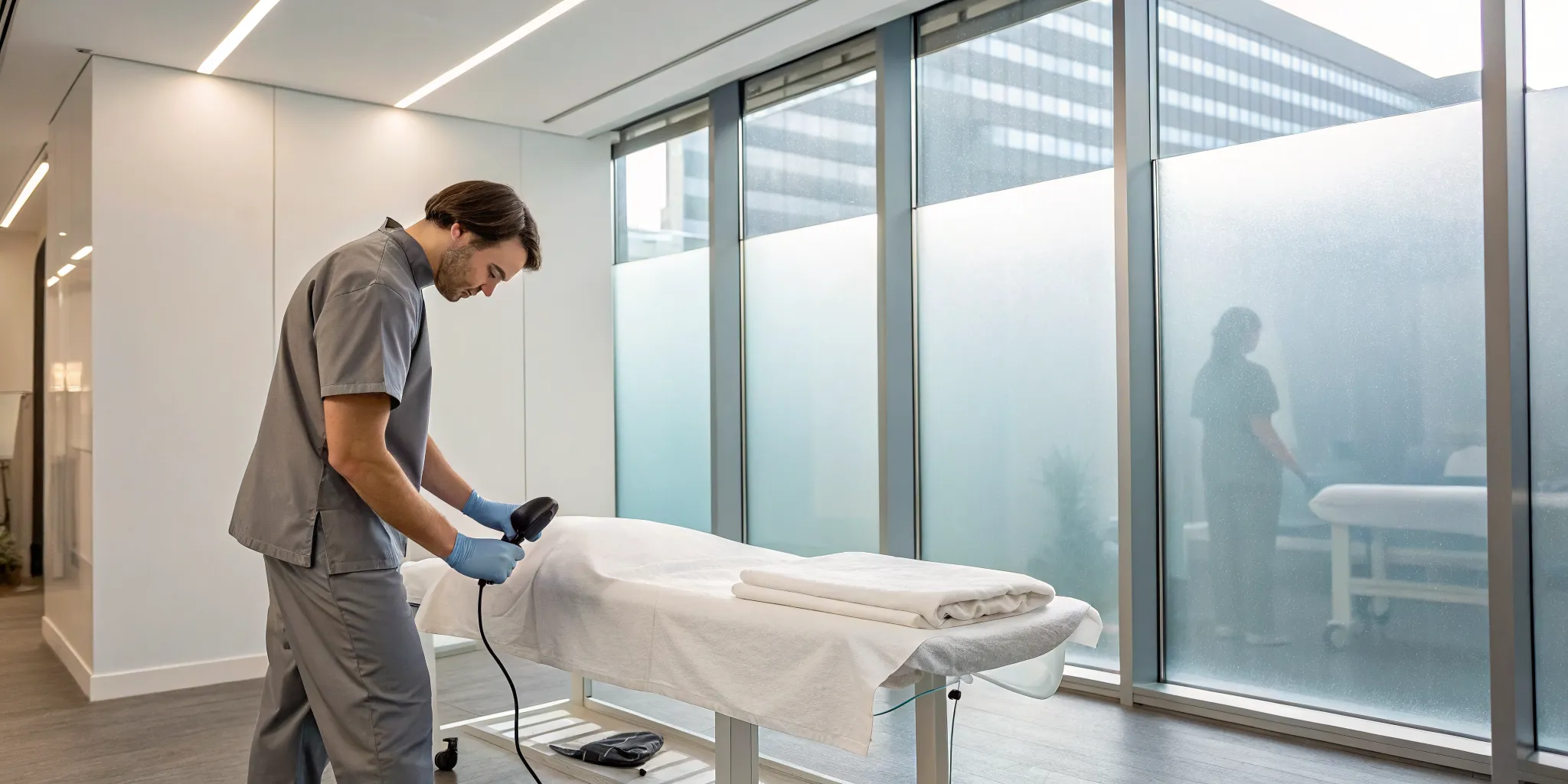
Your shock wave therapy session is surprisingly fast, usually lasting only about five to ten minutes. First, a special gel is applied to the treatment area, which helps the acoustic waves travel effectively into your tissue. Then, Dr. Singh will use a handheld device to deliver the waves directly to the source of your pain. We typically start with a low energy level and gradually increase it based on your comfort. A full course of treatment usually involves three to five sessions, scheduled one or two weeks apart. This schedule gives your body time to heal between appointments and get the most out of our regenerative services.
What Does It Feel Like?
Most people describe the sensation as a series of fast pulses or a tapping feeling, along with a sense of warmth in the area. While you might feel some discomfort, it shouldn’t be painful. We constantly check in with you to make sure the intensity is manageable, aiming for a level that feels therapeutic but not sharp. The goal is to stimulate healing, not cause more pain. After the session, you might have some mild soreness, similar to what you’d feel after a deep tissue massage, but this usually fades quickly. Most people can get right back to their day without any downtime.
How to Prepare for Your Appointment
Preparing for your appointment is simple. The most important step is your initial consultation with Dr. Singh. During this one-on-one meeting, he will thoroughly assess your injury, discuss your athletic goals, and determine if shock wave therapy is the best approach for you. This is your time to ask any questions you have. Because we create a personalized plan for every patient, this first conversation is key to your success. There’s no special prep needed on the day of your treatment, just come ready to start your healing process.
How Many Sessions Will You Need?
One of the first questions I get about shock wave therapy is, “How long will this take?” It’s a great question, and the answer depends on your specific injury and your body’s unique healing process. While there’s no magic number, we can give you a solid idea of what to expect. Most people find significant relief after just a handful of appointments.
A typical course of shock wave therapy involves three to five sessions. We schedule these appointments about one to two weeks apart. This spacing is intentional; it gives your body the time it needs to respond to the treatment and kickstart the natural healing cascade. Think of each session as a powerful signal to your body to get to work repairing the injured tissue. By giving it time to rest and recover between sessions, we see the best possible results. During your initial consultation, Dr. Singh will create a personalized plan that outlines the recommended number of sessions for your specific condition.
Your Typical Treatment Timeline
Your time is valuable, and the good news is that each shock wave therapy session is quick and efficient. You can expect to be in and out of the office in about 5 to 10 minutes per treatment. During the session, we apply a gel to the target area and use a special applicator to deliver the acoustic waves. You might feel some mild discomfort, but it’s very manageable. We always start with a low energy level and gradually increase it based on your comfort, ensuring the treatment is as tolerable as it is effective.
Factors That Influence Your Success
Your treatment plan is tailored specifically to you because several factors can influence how quickly you heal. The type of injury you have is a major one, as is the duration of your condition. A recent sports injury might respond differently than a chronic issue you’ve been dealing with for years. Your overall health also plays a big part in your recovery. The therapy works by using sound waves to increase blood flow and stimulate your body’s natural repair mechanisms. A healthy lifestyle can support this process, helping you get the most out of every session and achieve lasting relief.
When to Expect Results
Most people are surprised by how quickly they start to feel better. Many patients report a significant reduction in pain and are able to get back to their normal activities within just one or two days after their very first session. While the full benefits build over time, this initial relief is a great sign that the therapy is working. Most individuals find they achieve their treatment goals within three to four weeks. For athletes and active individuals, this fast turnaround is a game-changer, allowing you to return to your sport without the long downtime associated with surgery.
Are There Any Risks or Side Effects?
It’s smart to ask about the safety of any medical treatment, and the good news is that shock wave therapy is widely considered a safe and effective option. The most common side effects are minor and temporary, usually disappearing within a day or two. You might experience some red skin, mild bruising, or a bit of pain where the treatment was applied, as noted by the Mayo Clinic. While some people feel a little discomfort during the session itself, it’s generally well-tolerated.
Afterward, it’s possible to have some slight swelling or numbness in the area, but these feelings typically don’t last long. One of the biggest draws of this therapy is that it’s completely non-invasive. That means no incisions, no anesthesia, and no lengthy recovery period that keeps you off your feet. You can get back to your life right after your appointment. This makes it a compelling alternative to surgery for many chronic conditions. A detailed consultation with a specialist is the best way to understand the benefits and confirm if this treatment is the right fit for your specific injury and health profile.
A Look at the Safety Profile
One of the standout features of shock wave therapy, especially for athletes, is its excellent safety profile. Unlike surgery or other invasive procedures that force you onto the sidelines for weeks or months, this treatment allows you to stay active. Many patients can continue their sports or training while undergoing their treatment plan. This is a huge advantage for anyone who doesn’t want to lose their conditioning or momentum. Because the therapy works by stimulating your body’s natural healing processes, it supports your recovery without the risks associated with surgery, such as infection or complications from anesthesia. It’s a powerful way to heal that works with your body, not against it.
Is This Treatment Right for Everyone?
While shock wave therapy is a fantastic option for many people dealing with chronic pain, it isn’t suitable for everyone. Your overall health and medical history play a big role in determining if you’re a good candidate. For example, you should not get this treatment if you have blood clotting problems, are taking blood thinners, or have an active infection. It’s also not recommended for anyone with cancer, certain types of nerve damage from diabetes, or for women who are pregnant. Additionally, it isn’t used on children with open growth plates, as their bones are still developing. A thorough evaluation with a specialist is the best way to confirm if shockwave therapy can help you.
Important Medical Considerations
Beyond the general guidelines, there are a few other important medical factors to consider. The treatment should not be applied over areas with active cancer, over the chest area, or on anyone with a pacemaker or another electronic device inside their body. These precautions are in place to ensure your complete safety during the procedure. This is why having an open conversation about your full medical history is a critical first step. At our clinic, we take a personalized approach, carefully reviewing your health background to create a treatment plan that is both safe and effective for your specific needs. Your well-being is always the top priority.
Why Athletes Choose Shock Wave Therapy
When you’re an athlete, an injury can feel like a major setback, disrupting your training schedule and keeping you from the activities you love. The last thing you want is a treatment that involves a long, complicated recovery. That’s why so many athletes are turning to shock wave therapy. It’s a powerful, non-surgical option that helps you heal faster and get back to your peak performance without the extended downtime. This treatment works with your body to repair injuries from the inside out, addressing the root cause of your pain instead of just managing the symptoms.
Minimal Downtime, Maximum Performance
The biggest advantage of shock wave therapy is that it gets you back on your feet quickly. Unlike surgery, this treatment is completely non-invasive, meaning there are no incisions, no anesthesia, and no lengthy hospital stays. The sessions are short, typically lasting about 15-20 minutes, and you can walk out of the office immediately afterward. For an athlete, this is a game-changer. You can continue with light activity and get back to your regular training regimen much faster than you would after a surgical procedure. It’s an effective way to manage injuries without putting your life, or your performance goals, on hold.
A Breakthrough for Chronic Injuries
If you’ve been dealing with a nagging injury that just won’t heal, shock wave therapy could be the answer. It’s especially effective for chronic conditions that haven’t responded to traditional treatments like rest, ice, or stretching. Athletes often struggle with overuse injuries like plantar fasciitis and Achilles tendonitis. Shock wave therapy targets these stubborn problem areas directly. The high-energy sound waves break up scar tissue and stimulate metabolic activity, kickstarting a healing process for injuries that have been stuck in a chronic state. It’s a way to finally move past the pain and get back to training at full strength.
Natural Pain Relief and Healing
Shock wave therapy does more than just relieve pain; it encourages your body to heal itself. The acoustic waves increase blood flow to the injured area, bringing essential nutrients and oxygen that are vital for tissue repair. This process stimulates the growth of new blood vessels and accelerates your body’s natural healing response. It’s a form of regenerative medicine that works in harmony with your body, offering a safe and effective alternative to pain medication or invasive procedures. By addressing the underlying cause of your injury, it provides lasting relief and helps you build a stronger, more resilient foundation for future performance.
Can You Combine Shock Wave Therapy with Other Treatments?
Shock wave therapy is a powerful tool for healing, but it doesn’t have to work alone. Think of it as the star player on a team of regenerative therapies. Combining treatments can often lead to faster, more complete healing, especially for stubborn or chronic injuries. This approach allows us to tackle your pain from multiple angles, addressing inflammation, tissue repair, and functional recovery all at once.
At our clinic, we believe in creating a plan that’s as unique as you are. We don’t follow a one-size-fits-all formula. Instead, Dr. Singh will assess your specific injury, lifestyle, and recovery goals to determine the best combination of therapies for you. By layering treatments, we can create a synergistic effect where each therapy enhances the benefits of the others, helping you get back to your sport and your life with minimal downtime. This is a core part of our patient-focused, concierge approach to care.
Pairing with Class IV Laser Therapy
One of the most effective combinations for foot and ankle pain is pairing shock wave therapy with Class IV laser therapy. While shock wave therapy is excellent at breaking up scar tissue and stimulating new blood vessel growth, laser therapy excels at reducing inflammation and pain. It works at a cellular level to speed up tissue repair. When used together, these two treatments create a powerful healing environment.
The integration of shock wave therapy with other modalities like Class IV laser therapy can lead to improved patient outcomes because it addresses both the symptoms and the underlying causes of your pain. The laser calms the area and prepares it for healing, while the shock waves trigger the body’s natural regenerative processes. This dual-action approach can significantly accelerate recovery and provide more effective, lasting pain relief.
Creating a Comprehensive Treatment Plan
A truly effective recovery plan goes beyond just one or two treatments. We focus on creating a comprehensive strategy that supports your body’s healing process from start to finish. A holistic approach that incorporates shock wave therapy alongside other therapeutic options can enhance healing and give you a more effective pain management strategy. This means looking at the bigger picture of your health and performance.
Your personalized plan might include a combination of our advanced regenerative services, such as Red Light Therapy to further reduce inflammation or specific peptides to support tissue regeneration. This multifaceted approach doesn’t just target pain relief; it focuses on restoring full function and building resilience to prevent future injuries. By creating a complete circle of care, we help you heal stronger than you were before.
Finding the Right Shock Wave Therapy Provider
Finding the right person to manage your treatment is just as important as the treatment itself. When it comes to shock wave therapy, the provider you choose can make a huge difference in your results. Not all clinics offer the same level of technology or personalized care, so it pays to do a little research. You want a specialist who understands your specific injury and has the right tools to help you heal effectively. This ensures you’re not just getting a standard procedure, but a treatment plan designed for your body and your performance goals.
Why Advanced Technology Matters
Shock wave therapy isn’t a new concept; it’s been used for decades to treat various conditions. But the technology itself has come a long way. Modern devices are more precise and effective than ever. There are different types of shock wave treatments, and each works a bit differently to stimulate your body’s natural healing processes. A provider who invests in advanced equipment shows a commitment to offering the best possible care. This technology allows for more targeted treatment, which can lead to faster pain relief and a quicker return to your activities.
The Importance of a Personalized Plan
Shock wave therapy is an incredible option, especially when other treatments haven’t worked, but it’s not a magic wand. A great provider won’t just rush you into a session. Instead, they’ll start with a thorough evaluation to understand your injury, your health history, and your goals. Dr. Singh takes the time to determine if this treatment is the right fit for you and creates a plan tailored to your specific needs. This personalized approach ensures every session is designed to get you the best results, helping you heal properly and avoid future injuries. You deserve a specialist who sees you as an individual, not just another appointment on the calendar.
Related Articles
- Volleyball Injuries to the Foot and Ankle Treated by Regenerative Medical Therapy
- Acoustic sound wave and regenerative medical therapy helps overcome oxygen deprivation
- Stem cell injections for severe nerve pain of the foot and ankle
- Services
Frequently Asked Questions
Will the treatment hurt? Most people describe the feeling of shock wave therapy as a series of strong pulses or a tapping sensation, not sharp pain. We always start at a low intensity and adjust it based on your comfort level. You might feel some mild soreness in the area for a day or two after your session, similar to how you’d feel after a deep tissue massage, but you can get right back to your daily routine.
How is this different from a cortisone shot? This is a great question. While a cortisone shot can provide temporary pain relief by reducing inflammation, it doesn’t fix the underlying problem and can even weaken tissue over time. Shock wave therapy is completely different. It’s a regenerative treatment that stimulates your body’s own repair mechanisms to heal the injured tissue from the inside out, offering a long-term solution instead of a temporary fix.
How soon can I get back to my sport after a session? One of the biggest benefits for athletes is the minimal downtime. You can walk out of the office right after your session and resume most of your normal activities. While we might recommend avoiding high-impact exercise for a day or two, many people can continue with light training throughout their treatment plan. This is a huge advantage over surgery, which can sideline you for weeks or months. Learn more about SoftWave therapy for sports injury recovery and what to expect.
Why does this work when physical therapy or rest hasn’t helped? Sometimes, an injury becomes chronic because the body’s healing process has stalled. Rest and stretching can help, but they don’t always restart that process. Shock wave therapy gives your body the push it needs. The acoustic waves create a controlled response that increases blood flow and stimulates cellular repair in a way that other conservative treatments can’t, breaking the cycle of chronic pain.
Is this treatment covered by insurance? Most regenerative treatments, including shock wave therapy, are not covered by insurance plans. Our clinic operates on a concierge model, which means we work directly for you, not an insurance company. This allows us to provide personalized, one-on-one care with Dr. Singh and create a treatment plan focused entirely on your specific needs and goals, without any outside limitations.