



The idea of using a “laser” for healing might sound like science fiction, but the principle is actually quite simple and grounded in biology. Your body already has an incredible ability to repair itself. Class IV laser therapy just gives it a powerful helping hand. The treatment uses specific wavelengths of light to penetrate deep into your tissue, delivering a potent dose of energy directly to your damaged nerve cells. This energy recharges your cells, kickstarting their natural repair processes. This guide will explain how laser therapy for foot neuropathy activates your body’s own healing mechanisms to reduce pain and restore function, all without incisions or medication.
Key Takeaways
- Target the source of pain, not just the symptoms: Laser therapy works at a cellular level to repair damaged nerves and reduce inflammation, offering a real solution instead of just temporarily masking pain with medication.
- Heal without the downtime: Because the treatment is non-invasive and drug-free, you can get back to your day immediately after each session, making it easy to fit recovery into a busy training schedule.
- A tailored plan ensures lasting results: Lasting relief is achieved through a series of quick, painless sessions designed by a specialist for your specific needs, helping you return to your sport safely and effectively.
What Is Foot Neuropathy?
If you’ve ever felt a persistent tingling, burning, or numbness in your feet that you just can’t shake, you might be dealing with neuropathy. Think of the nerves in your feet as intricate wiring that sends signals to your brain. Neuropathy is what happens when that wiring gets damaged. The signals become scrambled, leading to confusing and often painful sensations like sharp, electric-like jolts, a pins-and-needles feeling, or a frustrating lack of sensation altogether.
For an active person or athlete, these symptoms are more than just an annoyance. They can interfere with your balance, weaken your muscles, and make it difficult to feel the ground beneath you. This can throw off your form, slow you down, and put you at risk for injury. The pain and weakness can make pushing through a workout feel impossible, keeping you on the sidelines when you’d rather be training. Understanding what’s causing this disruption is the first step toward finding a solution that gets you back in the game.
Common Causes of Nerve Pain in Your Feet
While many people associate foot neuropathy with diabetes, and for good reason, it’s not the only cause. High blood sugar from diabetes is a primary culprit for nerve damage in the feet and legs. However, for athletes, the cause can often be traced back to physical trauma. A single significant injury, or even the cumulative effect of repetitive stress from activities like running and jumping, can compress or damage the delicate nerves in your feet. Other potential causes include vitamin deficiencies, autoimmune diseases, and exposure to certain toxins. Getting a proper diagnosis is key to creating a treatment plan that addresses the specific source of your nerve pain.
How Symptoms Can Disrupt Your Active Life
Neuropathy doesn’t just cause discomfort; it can fundamentally change your ability to perform. When you can’t properly feel your feet, your balance and coordination suffer, making you more prone to stumbles and falls. This instability increases your risk of sprains or even fractures. The constant pain can be mentally and physically draining, making it hard to find the motivation to train. Without treatment, neuropathy can worsen, and what starts as a minor distraction can become a chronic issue that sidelines you completely. Addressing these symptoms early with effective regenerative therapies is crucial for protecting your long-term athletic goals and overall health.
How Does Laser Therapy for Neuropathy Work?
If you’re dealing with the tingling, numbness, or sharp pains of foot neuropathy, you know how frustrating it can be. You just want to get back to your life without discomfort holding you back. Laser therapy offers a way to do that by working with your body’s own healing abilities. It’s not about masking the pain; it’s about addressing the underlying nerve damage at a cellular level. This approach uses targeted light energy to stimulate repair, reduce inflammation, and restore function, helping you find lasting relief.
The Science Behind Class IV Laser Therapy
So, what exactly is happening during a laser therapy session? Class IV laser therapy is a non-invasive treatment that uses specific wavelengths of light to penetrate deep into your tissues, reaching the damaged nerves that other treatments can’t. Unlike a surgical laser that cuts, this is a “cold” laser that generates a gentle, therapeutic warmth. The process is completely painless and drug-free. It’s one of the key regenerative therapies we use because it directly supports your body’s ability to heal itself from the inside out, without incisions or medication.
How Light Targets and Repairs Damaged Nerves
Once the light energy reaches your damaged nerve cells, it gets to work. Think of it like recharging a battery. The light is absorbed by the mitochondria, which are the tiny powerhouses inside your cells. This absorption gives them a significant energy boost, increasing the production of something called ATP. ATP is the fuel your cells use for everything they do, including repair. With more energy, damaged nerve cells have the resources they need to start rebuilding and functioning properly again, which is the first step toward reducing your neuropathy symptoms.
Activating Your Body’s Natural Healing Process
Laser therapy doesn’t just give your cells a one-time energy jolt; it triggers a cascade of natural healing responses. The stimulation from the laser encourages your body to release growth factors, which are special proteins that signal cells to repair tissue and form new, healthy connections between nerves. Essentially, the laser acts as a catalyst, reminding your body how to heal the affected area. This process helps restore nerve function and improve communication between your feet and your brain, which is essential for balance and coordination.
Improving Blood Flow and Reducing Inflammation
A major contributor to neuropathy pain is often poor circulation and chronic inflammation around the nerves. The laser energy helps address both of these issues. It stimulates the formation of new capillaries, the tiny blood vessels that deliver oxygen and nutrients to your tissues. This improved blood flow brings a fresh supply of healing resources to the damaged nerves while also flushing out inflammatory waste products. As inflammation subsides and circulation improves, you’ll notice a significant reduction in pain, swelling, and discomfort, allowing you to move more freely.
Laser Therapy vs. Traditional Treatments
When you’re dealing with the tingling, burning, or numbness of foot neuropathy, your first instinct might be to reach for a quick fix. But traditional approaches often miss the mark, providing temporary relief instead of lasting solutions. For athletes and active people, this isn’t good enough. You need a treatment that addresses the root cause of the pain so you can get back to your life without being sidelined.
This is where laser therapy stands apart. Instead of just masking symptoms, it works with your body to promote genuine healing from the inside out. It’s a forward-thinking approach that aligns with a goal of true recovery, not just pain management. Let’s compare how this innovative therapy stacks up against more conventional methods.
Why Pain Medications Often Fall Short
Pain medications are a common first step for neuropathy, but they act more like a bandage than a cure. They can temporarily dull the pain signals your nerves are sending, but they do nothing to repair the underlying nerve damage. Once the medication wears off, the pain returns. For an active person, relying on pills can feel like a frustrating cycle that never actually solves the problem.
Plus, many pain medicines come with unwanted side effects that can interfere with your performance and overall well-being. Drowsiness, dizziness, or an upset stomach can hold you back just as much as the foot pain itself. Class IV Laser Therapy offers a drug-free alternative that helps you avoid these issues entirely, allowing your body to heal without introducing other complications.
Targeting the Cause, Not Just the Symptoms
The biggest difference between laser therapy and traditional treatments is the goal. While pain pills and cortisone shots aim to manage symptoms, laser therapy is designed to fix the problem at its source. The specific wavelengths of light penetrate deep into your tissue to stimulate cellular repair, reduce inflammation, and improve circulation directly at the site of nerve damage.
Think of it this way: masking pain is like turning down the volume on a smoke alarm while the fire is still burning. Our approach with regenerative medical therapy is to actually put out the fire. By targeting the damaged cells and promoting your body’s natural healing mechanisms, we can achieve meaningful, long-term relief that allows you to confidently return to your activities.
How Laser Therapy Complements Other Regenerative Options
Laser therapy isn’t a standalone miracle cure; it’s a powerful tool that works incredibly well as part of a comprehensive treatment plan. It can be paired with other therapies to create even better, faster results. For example, if you’re also doing physical therapy, laser treatments can reduce pain and inflammation, making it easier and more comfortable to perform your exercises effectively.
A personalized treatment plan created by our doctor might combine laser therapy with other regenerative options, dietary adjustments, or changes in footwear. This multi-faceted approach ensures we’re supporting your body’s healing from every angle. By integrating laser therapy, we can help make other treatments more effective and accelerate your overall recovery timeline, getting you back on your feet and back to your sport sooner.
The Benefits of Laser Therapy for Foot Neuropathy
When you’re dealing with the tingling, burning, or numbness of foot neuropathy, your main goal is to find relief that doesn’t sideline you. You want to get back to your life, your training, and your sport without a long or complicated recovery. That’s where the advantages of Class IV laser therapy really shine. This treatment is designed to work with your body, helping you heal from the inside out so you can get back to feeling like yourself again, only stronger. It’s about finding a solution that fits your active lifestyle, targeting the root cause of the pain without introducing new problems.
Get Back on Your Feet with No Downtime
One of the biggest hurdles with any medical treatment is the recovery time. As an athlete or active person, you can’t afford to be off your feet for long. Laser therapy for neuropathy is completely non-invasive, which means there is absolutely no downtime. During the session, you’ll likely only feel a gentle, soothing warmth as the laser does its work. There are no incisions and no recovery protocols to follow. You can walk out of the office and get right back to your day, whether that means heading to work or going for a walk. This makes it easy to fit treatment into your busy schedule without disrupting your routine.
Reduce Your Reliance on Pain Medication
Constantly reaching for pain medication is not a long-term solution. Pills often just mask the symptoms, and they can come with a long list of unwanted side effects. Laser therapy offers a different path. By stimulating your body’s natural healing mechanisms and improving circulation at the cellular level, it addresses the underlying cause of your nerve pain. This approach promotes true healing, which can significantly reduce or even eliminate your need for pain medication. It’s a way to manage your neuropathy without relying on drugs, allowing you to pursue a healthier, more sustainable form of relief that aligns with our clinic’s regenerative services.
Avoid Side Effects That Slow You Down
Many medications prescribed for nerve pain can leave you feeling drowsy, dizzy, or just not yourself, which is a major problem when you need to be sharp and focused for your sport. These side effects can interfere with your performance, your training, and your overall quality of life. Because laser therapy is a drug-free treatment, you don’t have to worry about any of those systemic side effects. It works directly on the affected area without introducing chemicals into your body. This gives you a clean, effective way to find relief while keeping your mind and body in peak condition, ready for whatever challenges you want to take on.
Find Faster Relief and Return to Your Sport
When pain is keeping you from running, jumping, or even walking comfortably, you want relief as quickly as possible. While every patient’s experience is unique, many people report feeling a noticeable reduction in their neuropathy symptoms after just a few laser therapy sessions. The treatment provides cumulative effects, meaning the relief often builds as you progress through your personalized plan. This can lead to a much faster return to the activities you love. Instead of waiting weeks or months for other treatments to work, you can start feeling better sooner and get back on track with your fitness goals, just like many of our other patients have shared in their testimonials.
Your Laser Therapy Session: What to Expect
If you’re dealing with foot neuropathy, the idea of another medical procedure might seem daunting, especially when you’re trying to stay active. But Class IV laser therapy is different. It’s a non-invasive treatment designed to be as comfortable and straightforward as possible, so you can focus on what matters: getting relief and returning to your sport. Unlike surgeries that require long recovery periods or medications that just mask the pain, this therapy works with your body to heal the source of the problem. There are no incisions, no hardware, and no downtime. The entire process is designed around your comfort and your schedule.
Thinking about what a treatment plan involves is a normal part of the process. We’ll walk through what the laser feels like, how long each appointment takes, and what your treatment schedule might look like. One of the biggest advantages for athletes and active individuals is that you can get right back to your day immediately after a session. This means you don’t have to pause your training or your life to get the relief you need. If you’re ready to learn more about how our regenerative medical therapies can fit into your life, you can always schedule a consultation to discuss your specific needs.
What Does the Treatment Feel Like?
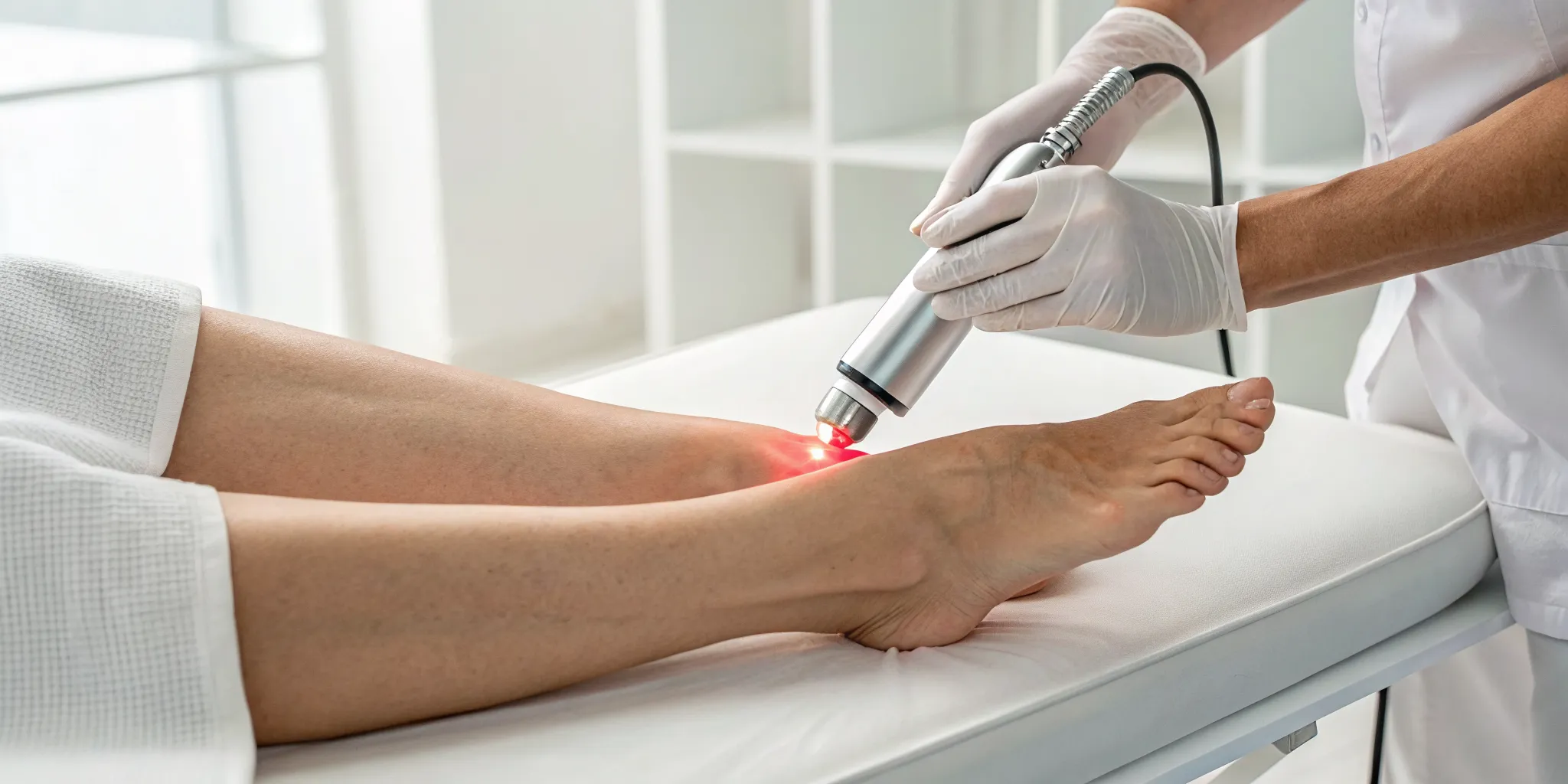
Forget what you might imagine when you hear the word “laser.” This isn’t a painful, high-heat procedure. Instead, the experience is surprisingly gentle. During the treatment, a handheld device is moved over the surface of your skin in the affected area of your foot. Most patients report feeling nothing more than a soothing, gentle warmth or a slight tingling sensation as the light energy penetrates the tissue. It’s a completely pain-free process. You can simply sit back and relax while the laser does its work to stimulate healing deep within your cells.
How Long Is a Typical Session?
Your time is valuable, and long, drawn-out appointments can disrupt your training and daily life. Laser therapy sessions are refreshingly quick and efficient. A typical session usually takes only 10 to 15 minutes for each area being treated. This means you can easily fit an appointment into a lunch break or between other commitments without having to block off your entire day. The goal is to provide effective relief that works with your schedule, not against it, allowing you to get in, get treated, and get on with your life.
How Many Sessions Will I Need?
Laser therapy isn’t a one-time fix; it works cumulatively as your body’s cells respond to the treatment. While every person’s healing journey is unique, most people need between 6 and 12 sessions to achieve the best results. These are typically scheduled two to three times per week. The exact number of sessions will depend on the severity of your neuropathy, how long you’ve had symptoms, and your body’s individual response. Dr. Singh will create a personalized treatment plan tailored to your specific condition and goals, ensuring you get the right amount of therapy to find lasting relief.
Staying Active and Supporting Your Recovery
One of the most significant benefits of laser therapy is the complete lack of downtime. You can go back to your normal activities right after a session, with no need for a recovery period. This is a game-changer for athletes who can’t afford to be sidelined. The therapy works by activating your body’s natural healing mechanisms to reduce inflammation and repair nerve tissue from the inside out. As your body heals, you may find that you can reduce or even stop your reliance on pain medications, allowing you to train and compete with more comfort and confidence.
Does Laser Therapy for Neuropathy Really Work?
It’s the most important question, isn’t it? When you’re dealing with persistent nerve pain, you want to know if a treatment will actually deliver relief. The simple answer is yes, for many people, Class IV laser therapy is a highly effective solution for neuropathy. It’s a non-invasive treatment that works with your body to heal damaged nerve tissue from the inside out. Instead of just masking symptoms, it addresses the underlying cause of your pain, helping you get back to your life and your sport without medication or downtime.
What the Research Shows
You don’t have to just take our word for it; the science backs it up. Laser therapy isn’t a new trend; it’s a well-studied medical treatment. For instance, recent clinical trials on older adults with painful diabetic neuropathy found that deep tissue laser therapy is a safe and effective option for managing pain. In one study, patients who received laser treatments saw their pain scores drop by 60%, a significant improvement compared to the group that received a placebo treatment. This research confirms that laser therapy can meaningfully reduce pain and improve quality of life for those suffering from nerve damage.
Realistic Results and Timelines
While laser therapy can produce incredible results, it’s a healing process, not an instant fix. A typical treatment plan involves a series of sessions, usually between 10 and 15, scheduled over several weeks. This allows the laser energy to have a cumulative effect, stimulating cellular repair and reducing inflammation over time. Many of our patients begin to feel a noticeable improvement after just a few sessions. The goal of our regenerative therapies is to create lasting change, so the best and most durable results appear as your body completes its healing cycle over several weeks.
How Quickly Can You Feel a Difference?
One of the most encouraging aspects of laser therapy is that many people experience some relief right away. You might feel a decrease in pain or a soothing warmth in the treatment area immediately after your first session. Initially, this relief might be temporary, but it tends to last longer with each subsequent appointment. As your treatment plan progresses, the periods of relief grow, and the baseline level of pain decreases. It’s this steady progress that helps you get back on your feet and back to your active lifestyle faster, which is something our patients often mention.
Is Laser Therapy Safe?
When you’re an athlete, your body is your most important tool, so it’s natural to question the safety of any new treatment. The short answer is a resounding yes; Class IV laser therapy is considered exceptionally safe for treating foot neuropathy. It’s a non-invasive procedure, which means there are no incisions, no hardware, and no lengthy recovery periods to sideline you from your active life. Instead of masking symptoms with drugs or resorting to surgery, it works with your body’s natural healing mechanisms to address the root cause of your pain. This approach is a game-changer for athletes who need to stay in peak condition.
Because it’s a drug-free treatment, you don’t have to worry about the systemic side effects that often come with pain medications, which can interfere with your performance, focus, and overall well-being. The technology has been used for years across various medical fields and has a strong track record of providing relief without complications. It’s a targeted therapy that focuses energy only where it’s needed, leaving surrounding healthy tissue untouched. However, safety and success go hand in hand with a proper diagnosis and a personalized treatment plan. Let’s look at why this therapy has such a strong safety profile and the importance of a professional consultation before you begin.
Why Laser Therapy Has a Strong Safety Profile
The safety of laser therapy comes from its gentle, non-surgical approach. The treatment uses specific wavelengths of light to stimulate healing deep within your tissues without cutting or damaging the skin. This means there’s no risk of infection from an incision and no need for anesthesia. Research on deep tissue laser therapy confirms that no bad side effects were reported, making it a reliable option for pain relief. It’s so safe, in fact, that it’s a suitable treatment even for patients with diabetes, who often need to be extra cautious with foot treatments. You get the benefits of reduced pain and inflammation without the risks associated with surgery or long-term medication use.
Who Should Talk to a Doctor Before Treatment?
While laser therapy is safe for most people, the best results come from a tailored approach. Before starting treatment, it’s essential to have a thorough evaluation with a specialist. During your consultation, our doctor will discuss your overall health, athletic goals, and the specifics of your nerve pain. This helps us determine the severity of your neuropathy and create a plan that’s right for you. For example, if an underlying condition like diabetes is contributing to your symptoms, managing it well is key to the therapy’s success. A detailed assessment ensures that laser therapy is the right choice and sets you up for the fastest, most effective recovery possible. This personalized care is what helps you get back to your sport safely.
Can You Combine Laser Therapy with Other Treatments?
Absolutely. Laser therapy is not a standalone treatment; it’s a powerful team player. For a complex issue like neuropathy, a multi-faceted approach often produces the best and most lasting results. Think of it as creating a supercharged healing environment for your body. When you combine laser therapy with other treatments, you can create a synergistic effect where each one enhances the benefits of the others, helping you get back on your feet faster and stay there. This is about building a comprehensive strategy for your health, not just applying a single fix.
This integrated strategy is especially important for athletes and active individuals who can’t afford long periods of downtime. At our concierge clinic, we recognize that your body and your recovery goals are unique. Dr. Singh will create a personalized treatment plan tailored to your specific needs. This plan may involve pairing laser therapy with other regenerative options like Shock Wave Therapy or peptides to attack your pain from all angles. By addressing the root cause of nerve damage, we can promote true healing instead of just temporarily masking your symptoms with medication. It’s a smarter, more effective way to manage your recovery and get back to the activities you love without compromise.
A Team Approach: Pairing Laser with Other Therapies
Laser therapy works exceptionally well alongside other professional treatments because it prepares your body to heal more effectively. For example, it can make physical therapy much more productive. By significantly reducing pain and inflammation first, laser therapy allows you to perform essential strengthening and mobility exercises with less discomfort. This means you can get more out of every single PT session. This approach also helps you reduce your reliance on pain medications, so you can avoid the potential side effects that often slow you down. It’s a strategy focused on healing the source of the problem, not just silencing the symptoms.
Supporting Your Recovery at Home
The healing process continues long after your session in the clinic ends. Laser therapy essentially gives your damaged cells a huge energy infusion to kickstart their own repair processes, and you can help that process along at home. The laser treatments improve blood flow, which delivers more oxygen and vital nutrients to the affected nerves. You can support this by staying well-hydrated and maintaining a healthy diet full of the vitamins and minerals your nerves need to rebuild. Gentle movement and stretching, as recommended by your doctor, also help maintain good circulation. Think of it as giving your body the high-quality fuel it needs to make the most of every treatment.
Is Laser Therapy the Right Choice for You?
Deciding on a treatment path can feel overwhelming, especially when you’re eager to get back to your active life. Laser therapy is a powerful tool, but it’s important to know if it aligns with your specific needs and goals. If you’re looking for a solution that addresses the root cause of your pain without surgery or medication, you’re in the right place. Let’s walk through what makes someone a great candidate for this therapy and what you can expect when it comes to the investment.
Are You a Good Candidate for Laser Therapy?
If you’re an athlete or an active person struggling with persistent foot and ankle pain, laser therapy could be an excellent fit. This treatment is designed for people seeking a non-surgical and drug-free way to heal. Instead of just masking pain, Class IV laser therapy works to repair the underlying problem causing your discomfort. It’s particularly effective if you’re dealing with neuropathy, tendonitis, plantar fasciitis, or a sports injury that just won’t quit. The ideal candidate is someone motivated to heal and return to their activities without the long recovery times associated with surgery. If you have chronic foot or ankle pain, a consultation with Our Doctor can determine if this innovative treatment is your best path forward.
Understanding the Cost and Insurance
It’s important to be upfront about the financial side of treatment. Because laser therapy is a regenerative and often cosmetic procedure, it is typically not covered by insurance plans. Think of it as a direct investment in your health, mobility, and performance. We provide our services in a concierge-style setting, which means you get personalized, one-on-one care focused entirely on your healing. Treatment is usually structured in packages, as multiple sessions are needed for the best results. A full course of therapy helps ensure your body has the consistent support it needs to repair damaged tissue and reduce inflammation effectively. For specific pricing details, please contact us to discuss a personalized treatment plan.
Why Your Choice of Specialist Matters
When you’re dealing with something as disruptive as foot neuropathy, the expert you choose to guide your recovery makes all the difference. While many doctors can offer pain medication, a true specialist in regenerative medicine looks at your condition from a completely different angle. It’s not just about managing symptoms; it’s about finding a solution that addresses the root cause of your pain and fits your active lifestyle. You need someone who understands that your goal isn’t just to walk without pain, but to run, jump, and compete again.
A qualified specialist will start with a thorough evaluation to confirm that laser therapy is the right path for you. This goes beyond just looking at your foot. They’ll consider your overall health, activity level, and the specifics of your nerve pain to create a personalized treatment plan. This detailed approach is crucial because it ensures the therapy is both safe and effective for your unique situation. For example, research shows that deep tissue laser therapy is a safe, non-drug option, but its success depends on being applied correctly by a knowledgeable professional.
Furthermore, an expert in regenerative treatments understands how to integrate laser therapy into a comprehensive recovery strategy. They can guide you on how to pair it with other therapies and lifestyle adjustments to get the best possible results. This holistic approach helps you reduce or even eliminate your reliance on pain medication and get back to your sport faster. Choosing a doctor with deep expertise in regenerative medical therapies means you’re not just getting a single treatment; you’re getting a partner dedicated to your long-term health and performance.
Related Articles
- Laser Therapy and Healing of Wounds
- Laser Therapy and Ingrown Toenails
- Laser therapy works on the power house of the cell the mitochondria.
Frequently Asked Questions
How is laser therapy different from just taking pain medication for my neuropathy? Pain medication works by temporarily blocking the pain signals your nerves send to your brain, but it does nothing to fix the actual nerve damage. Laser therapy is different because it targets the problem at its source. The light energy stimulates your cells to repair themselves, reduces inflammation, and improves blood flow to the damaged area. This promotes genuine healing, leading to long-term relief rather than just a temporary pause in your discomfort.
Will I have to stop my training or workouts during the treatment period? Not at all. One of the biggest advantages of laser therapy is that there is absolutely no downtime. The sessions are quick and painless, and you can walk out of the office and get right back to your normal activities, including your training schedule. In fact, many athletes find that the therapy helps reduce pain and inflammation, making it easier and more comfortable to continue their workouts while they heal.
Is the relief from laser therapy permanent? The goal of laser therapy is to create lasting relief by healing the damaged nerve tissue, not just masking the symptoms. By repairing cells and improving circulation, the treatment can provide significant, long-term results. However, the permanence of these results often depends on managing the original cause of your neuropathy. We work with you to address the root issue, giving you the best chance at maintaining your results and staying pain-free.
How do I know if laser therapy is the right choice for my specific foot pain? Laser therapy is effective for a range of conditions beyond neuropathy, including plantar fasciitis and sports injuries. However, the only way to know for sure if it’s the right solution for you is to get a proper diagnosis. A thorough consultation with Dr. Singh will help identify the precise cause of your pain and determine if you are a good candidate. This ensures we create a personalized treatment plan that directly addresses your unique needs and recovery goals.
Why isn’t this treatment covered by insurance? Most insurance plans do not cover advanced regenerative treatments like Class IV laser therapy because they are often considered elective. Our clinic operates on a concierge model, which means we offer specialized, one-on-one care that goes beyond the standard treatments insurance will pay for. This allows us to focus on providing the most effective, cutting-edge therapies that prioritize true healing and a fast return to your active life, rather than being limited by what insurance deems necessary.