



You’ve tried everything: resting, icing, stretching, and even buying new, more supportive shoes. Yet, that deep, aching pain in the center of your heel just won’t go away. If your at-home remedies aren’t working, it might be because you’re treating the wrong problem. While many people jump to the conclusion of plantar fasciitis, your symptoms could be pointing to heel fat pad syndrome. This condition isn’t about inflammation in a ligament; it’s about the physical thinning of your heel’s natural protective cushion. This is why simple anti-inflammatory treatments often fall short. It’s time to look beyond temporary fixes and explore what’s really happening inside your foot, and how advanced regenerative therapies can help rebuild that essential padding for lasting relief.
Key Takeaways
- Know the difference in pain: Heel fat pad syndrome causes a deep, bruise-like ache in the center of your heel that gets worse with activity, unlike the sharp, morning pain typical of plantar fasciitis.
- Protect your heels with smart habits: You can find immediate relief and prevent further damage by choosing well-cushioned shoes, using heel cup inserts, and avoiding walking barefoot on hard floors.
- Consider regenerative options for lasting relief: When at-home care isn’t enough, non-surgical treatments like Class IV Laser Therapy and Shock Wave Therapy can help your body rebuild its natural cushioning for a true, long-term solution.
What Is Heel Fat Pad Syndrome?
If you’re dealing with a deep, nagging ache in your heel that feels different from other foot pain you’ve had, you might be experiencing heel fat pad syndrome. It’s a common condition, especially for athletes and people who spend a lot of time on their feet. Essentially, it happens when the natural layer of fatty tissue under your heel bone starts to thin out or lose its elasticity. This can leave your heel bone less protected from the impact of your daily movements, leading to persistent pain and discomfort that can really get in the way of your active lifestyle.
Your Heel’s Built-In Cushion
Think of the bottom of your heel as having its own built-in gel insert. This area, known as the heel fat pad, is a specialized structure of fat and connective tissue designed to act as your body’s primary shock absorber. Every time you walk, run, or jump, this pad compresses to cushion the heel bone and protect it from the force of impact. It’s an incredible piece of natural engineering that allows you to move comfortably. When this cushion is healthy and thick, it distributes pressure evenly, but when it starts to break down, that protection diminishes, leaving the bone vulnerable.
What Happens When This Cushion Thins?
When the fat pad thins, it can no longer provide adequate cushioning. The result is a condition called fat pad atrophy. Without that protective barrier, your heel bone is more exposed to the hard surfaces you walk on and the repetitive impact of your activities. This can lead to a deep, bruise-like pain right in the center of your heel. You might also notice some swelling or tenderness in the area. For many people, the discomfort gets worse with prolonged standing or walking on hard floors, and high-impact sports like running can become especially painful.
Is It Heel Fat Pad Syndrome? Key Symptoms
Heel pain can be frustratingly vague, but the discomfort from heel fat pad syndrome has some distinct characteristics. If you’re trying to figure out what’s going on with your foot, paying close attention to the specific type of pain, when it appears, and what it feels like can offer important clues. Understanding these signs is the first step toward getting the right diagnosis and finding a treatment plan that gets you back on your feet without pain. Let’s walk through the key symptoms that point toward an issue with your heel’s natural cushioning.
Describing That Deep, Aching Pain
The most common sign of heel fat pad syndrome is a deep, aching pain located squarely in the center of your heel. Many people describe it as feeling like a stone bruise that just won’t go away. If you press your thumb firmly into the middle of your heel pad and feel a sharp, localized tenderness, you’re experiencing the hallmark symptom. Unlike other types of heel pain that might radiate or feel sharp along the arch, this discomfort is usually concentrated right under the heel bone. This bruise-like pain is a direct result of the thinning cushion, which leaves the bone less protected from impact.
Why the Pain Worsens as the Day Goes On
Here’s a major clue: heel fat pad syndrome pain typically gets worse with activity. If you find your heel hurts more after a long run, a day of walking, or simply after hours of prolonged standing, your fat pad might be the culprit. This is a key difference from plantar fasciitis, which often causes the most intense pain first thing in the morning. With fat pad atrophy, the pain builds as your heel endures more impact throughout the day. By evening, the ache can feel significant, as the depleted cushion has been unable to absorb the day’s stress.
Physical Signs to Watch For
Sometimes, you can see or feel other signs besides the pain itself. You might notice some mild swelling in the heel area, which can make your shoes feel tight or uncomfortable. The area may also feel warm or tender to the touch. While you can’t measure it at home, a specialist can confirm that the fat pad has thinned, or atrophied. A healthy heel pad is typically one to two centimeters thick, but in cases of fat pad syndrome, it can shrink to less than one centimeter. This loss of volume is what ultimately leads to the pain and discomfort you’re feeling with every step.
What Causes Your Heel Pad to Break Down?
Heel fat pad syndrome rarely happens for just one reason. More often, it’s a combination of factors that, over time, wear down your foot’s natural cushioning. Understanding what’s contributing to your pain is the first step toward finding a solution that works. The breakdown of this essential pad usually comes down to three main areas: natural changes in your body, the demands of your lifestyle, and the gear you use every day. By looking at each of these, you can start to connect the dots and see why your heels are feeling the strain.
The Natural Effects of Aging
Just like other parts of our bodies, our feet change as we get older. One of these natural shifts involves the fat pad in your heel. Over the years, this cushion can begin to thin out and lose some of its elasticity and springiness. Think of it like a once-plush pillow that has gradually become flatter with use. This means it can’t absorb shock as effectively as it used to. This is a completely normal part of the aging process, but it can explain why you might start feeling more discomfort in your heels, even if your activity level hasn’t changed much. It simply means your heel has less built-in protection than it once did.
How High-Impact Activities and Weight Play a Role
If you’re an athlete or live an active lifestyle, your feet take a serious pounding. Sports that involve a lot of running, jumping, or sudden stops, like basketball and long-distance running, put immense and repetitive pressure on your heels. This constant impact can accelerate the breakdown of the fat pad. It’s not just high-impact sports, either. Spending long hours standing on hard surfaces for work can have a similar effect. Additionally, carrying extra body weight increases the force on your feet with every step you take, placing more demand on your heel pads and contributing to their wear and tear over time.
The Link Between Your Shoes and Foot Shape
Your shoes are your first line of defense against hard surfaces. When you wear footwear that lacks proper cushioning or support, you’re essentially forcing your heel’s fat pad to absorb all the impact on its own. Walking barefoot on hard floors or consistently choosing flimsy, unsupportive shoes can significantly contribute to heel pain. Your natural foot structure also plays a part. For instance, having a foot shape with high arches can concentrate more pressure directly onto your heel instead of distributing it evenly across your foot. This creates a pressure point that can lead to faster breakdown of the fat pad in that specific area.
Heel Fat Pad Syndrome vs. Plantar Fasciitis
Heel pain can really throw a wrench in your daily life, but not all heel pain is the same. Two of the most common culprits, heel fat pad syndrome and plantar fasciitis, are often mistaken for one another. While they both affect the same general area, they have very different causes and require different approaches to find relief. Understanding these key differences is the first step toward getting an accurate diagnosis and a treatment plan that actually works for you. Let’s walk through how you can start to tell them apart.
Pinpointing the Exact Location of Pain
One of the biggest clues is exactly where you feel the pain. Try this: sit down and gently press on the bottom of your heel. If the most tender spot is right in the center, like a deep, dull ache directly under your heel bone, you might be dealing with heel fat pad syndrome. This happens because the natural cushioning in that area has thinned. On the other hand, if the pain is sharper and located more toward the front or inner side of your heel, possibly extending into your arch, that’s a classic sign of plantar fasciitis. That spot is where the plantar fascia ligament attaches to your heel bone.
Morning Pain or End-of-Day Ache?
Think about when your pain is at its worst. Do you dread those first few steps out of bed in the morning? If you experience sharp, stabbing pain as soon as your feet hit the floor, which then eases up a bit as you move around, plantar fasciitis is a likely suspect. This morning stiffness is a hallmark of the condition. In contrast, pain from heel fat pad syndrome tends to build throughout the day. It often feels worse after you’ve been standing or walking for a long time, and you might notice a persistent, deep ache at night, even when you’re resting.
How Your Pain Reacts to Activity and Rest
How your heel feels during and after activity also tells a story. With heel fat pad syndrome, the pain is a direct result of impact and pressure. Walking barefoot on tile or hardwood floors can feel especially uncomfortable, and high-impact exercises like running or jumping will almost certainly make it worse. The pain is a signal that your heel’s natural shock absorber isn’t doing its job. While plantar fasciitis pain can also flare up with too much activity, the initial pain often improves with some light movement before worsening again. The key difference is that fat pad syndrome is more of a constant, pressure-induced ache, while plantar fasciitis is often a sharper, strain-related pain.
How We Diagnose Heel Fat Pad Syndrome
Getting to the bottom of your heel pain starts with an accurate diagnosis. Because several conditions can cause discomfort in this area, it’s important to pinpoint the exact source of the problem. A proper diagnosis ensures you get the most effective treatment plan for your specific needs, helping you get back on your feet without unnecessary delays. The process is straightforward and involves a conversation about your symptoms, a hands-on examination, and sometimes imaging to get a clearer picture of what’s happening inside your heel. This careful approach allows us to rule out other issues and confirm if fat pad atrophy is what’s holding you back.
What to Expect During a Physical Exam
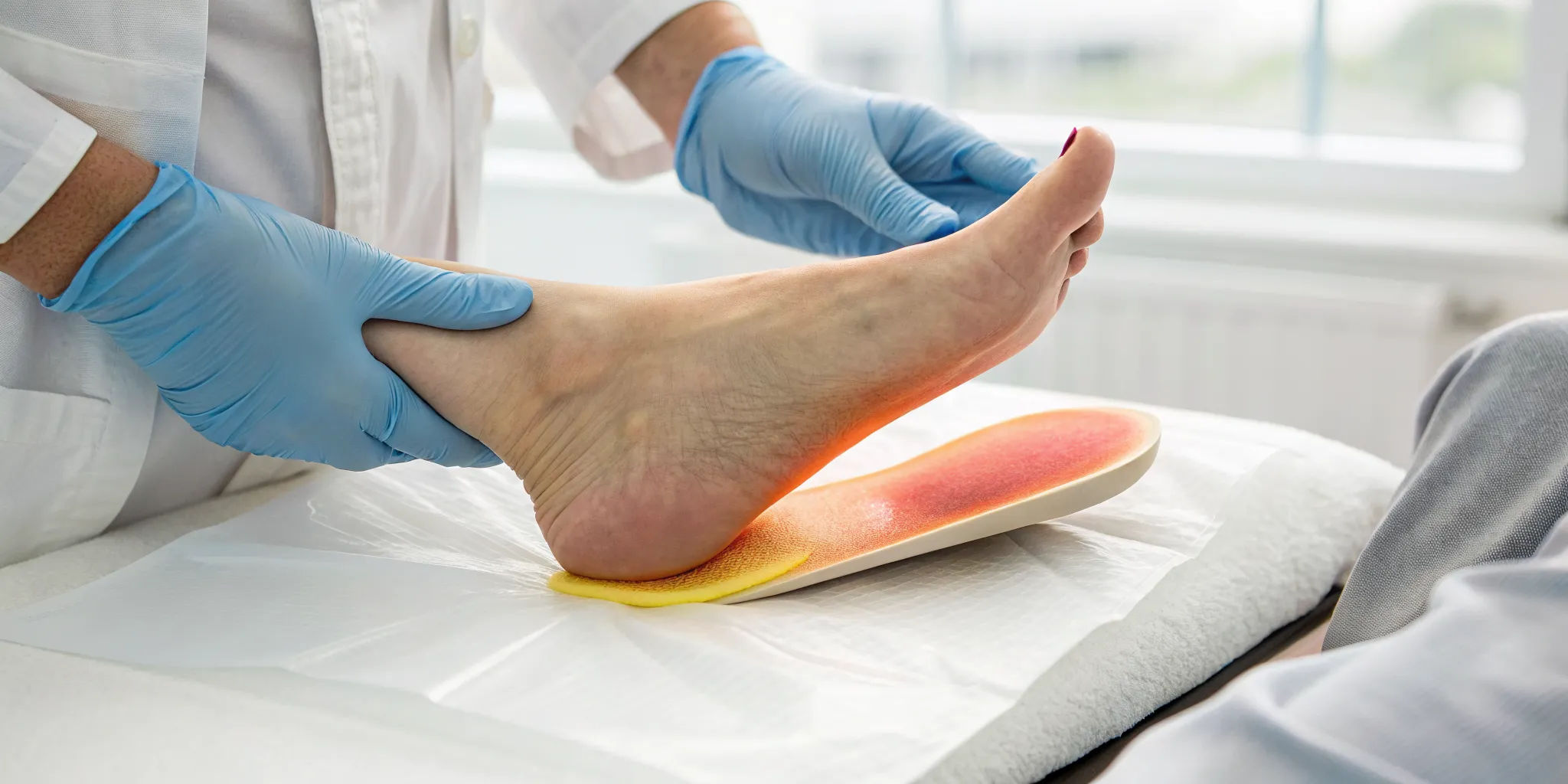
Your visit will start with a simple conversation. We’ll want to know exactly what your pain feels like, when it shows up, and what you’ve tried for relief. From there, our doctor will perform a physical exam of your foot. This typically involves applying gentle pressure to the center of your heel to see if it reproduces the pain you’ve been feeling. A deep, aching sensation that feels like a bruise right in the middle of the heel is a classic sign of Heel Fat Pad Syndrome. We may also compare the thickness of your heel pad while you’re standing versus sitting to check for any noticeable thinning, which is a key indicator of this condition.
Why We Might Recommend Imaging
While a physical exam gives us a lot of information, we sometimes recommend imaging tests like an ultrasound to get a more detailed look. These tests are completely painless and allow us to measure the exact thickness of your heel’s fatty tissue. Research shows that a healthy heel pad is typically between one and two centimeters thick. If imaging reveals your heel pad is significantly thinner, it strongly suggests atrophy is the cause of your pain. An ultrasound gives us objective data, confirming the diagnosis and helping us create a targeted treatment plan using our advanced regenerative services to restore cushion and comfort to your heel.
Ruling Out Other Heel Pain Conditions
One of the most important steps in diagnosis is making sure we’re not confusing Heel Fat Pad Syndrome with other conditions, especially the very common plantar fasciitis. The key is in the details of your pain. Plantar fasciitis pain is famously sharpest with the first few steps in the morning, while heel fat pad pain tends to get progressively worse with prolonged standing throughout the day. While plantar fasciitis often improves a bit with activity, fat pad pain usually just gets more intense. By carefully listening to your experience and performing a thorough exam, we can confidently differentiate between these conditions and get you on the right path to recovery.
Heel Pain Myths You Can Ignore
When your heel hurts, it’s easy to fall down a rabbit hole of online advice, much of which can be confusing or contradictory. It’s tough to know what’s true and what’s just noise. Let’s clear the air and tackle some of the most common myths about heel pain, specifically related to fat pad syndrome. Getting the facts straight is the first step toward finding a solution that actually works for you, so you can get back to your active life without pain holding you back.
The Truth About When It Hurts
One of the biggest points of confusion is timing. Many people assume all heel pain is like plantar fasciitis, which famously causes sharp, stabbing pain with your first steps in the morning. However, this isn’t the case with heel fat pad syndrome. The pain from a thinning fat pad tends to be a deep, dull ache that gets progressively worse as the day goes on. The more time you spend on your feet, walking, running, or standing, the more you’ll feel it. This happens because the compromised fat pad can no longer absorb the repeated impact, leading to increased discomfort with more activity.
Separating Proven Treatments from Popular Advice
You might hear that heel pain requires aggressive, immediate intervention, but that’s rarely the best approach. For heel fat pad syndrome, the initial goals are straightforward: reduce your pain and protect the heel pad from further damage. Common treatments often start with simple, conservative steps. This includes resting your foot, applying ice to reduce inflammation, and switching to more supportive shoes. Heel cups or specialized taping can also provide extra cushioning and stability. These foundational strategies can offer significant relief and are an essential part of any effective treatment plan before considering more advanced options.
Is This Just an “Old Person’s” Problem?
It’s a common misconception that heel fat pad syndrome only affects older adults. While it’s true that the fat pad can naturally lose some of its thickness and elasticity over time, age is just one contributing factor. This condition is frequently seen in younger, active individuals, including athletes. High-impact activities like running and jumping place immense stress on the heels. Other causes include sudden trauma, a significant increase in body weight, or consistently wearing unsupportive footwear like flat sandals or worn-out athletic shoes. This isn’t an inevitable part of aging; it’s a condition that can affect anyone whose heels are under too much strain.
At-Home Strategies for Heel Pain Relief
When you’re dealing with that deep, nagging ache in your heel, finding some immediate relief is priority number one. While our advanced regenerative therapies are designed to address the root cause of fat pad atrophy for long-term healing, there are several effective strategies you can use at home right now. These steps can help manage your pain, protect your heel’s natural cushioning from further damage, and create a better environment for recovery. Think of this as your foundational care plan, a way to support your body while you prepare for a more targeted treatment solution. Taking these simple actions can make a significant difference in your day-to-day comfort and set you up for a faster, more successful recovery.
Simple Steps: Rest, Ice, and Support
The first line of defense against heel pain is often the simplest. Your main goals are to reduce the immediate discomfort and stop any further damage to the fat pad. Start by giving your foot plenty of rest and elevating it whenever possible. For an active person, “rest” doesn’t have to mean being stuck on the couch; it might mean swapping your daily run for a swim. Applying an ice pack (a bag of frozen peas wrapped in a towel works great) to the painful spot for about 20 minutes a few times a day can also help manage inflammation. Over-the-counter anti-inflammatory medications, like ibuprofen, can also be used to ease pain and swelling in the short term.
Choosing Better Footwear and Inserts
The shoes on your feet play a huge role in how your heels feel. To give your fat pad a break, choose footwear with plenty of cushioning and solid arch support. This is not the time for flat sandals or high heels, which can put extra stress on your feet. When you’re doing any high-impact activities, make sure you wear athletic shoes designed for that sport. You can also add an extra layer of protection by using cushioned insoles or heel cups inside your shoes. These inserts act like a supplemental shock absorber, taking some of the pressure off your natural heel pad with every step you take.
Stretches and Exercises That Can Help
While you need to rest your heel, keeping the surrounding muscles flexible is also key to recovery. Gentle stretching can help relieve tension in your feet and lower legs, which reduces the overall strain on your heel. Simple foot and calf stretches, like pulling your toes toward you with a towel or doing a classic calf stretch against a wall, can improve flexibility. It’s also a great idea to incorporate low-impact exercises, such as swimming or cycling, into your routine. These activities allow you to maintain your fitness without the constant pounding that can aggravate your heel pain, helping you stay active as you heal.
Advanced Regenerative Options for Lasting Relief
When rest, ice, and better shoes aren’t enough to quiet your heel pain, it’s easy to feel frustrated and out of options. The good news is, you’re not. Advanced treatments can help your body heal the heel pad from the inside out, without surgery or significant downtime. These regenerative approaches focus on repairing the damaged tissue and restoring your foot’s natural cushioning. Instead of just masking the pain with temporary fixes, they get to the root of the problem. This offers a real path to lasting relief, so you can get back to your runs, your workouts, and your life without wincing through every step.
Rejuvenating Your Heel with Class IV Laser Therapy
Think of this as a targeted energy boost for your body’s healing cells. Class IV laser therapy is a completely painless treatment that uses specific wavelengths of light to penetrate deep into the tissue of your heel. This focused light energy stimulates cellular activity, increases blood flow, and reduces inflammation right where you need it most. For a thinning heel pad, this process encourages the repair of damaged tissue, helping to restore some of that essential cushioning. It’s a non-invasive way to address the problem directly, promoting natural healing without any incisions or recovery time, so you can walk out of the office and get on with your day.
Healing from Within: Shock Wave and Stem Cell Therapy
To truly rebuild the heel pad, we can turn to therapies that trigger your body’s powerful internal repair systems. Shock wave therapy, for instance, uses acoustic waves to create a controlled micro-response in the tissue, signaling your body to kickstart a robust healing process. This encourages tissue regeneration and can break the cycle of chronic pain. For an even more direct approach, stem cell therapy uses your body’s own regenerative cells to rebuild the damaged fat pad. By concentrating and introducing these cells to the area, we can encourage the growth of new, healthy tissue, effectively restoring your heel’s natural shock absorber.
Supporting Recovery with Red Light and Peptide Therapies
To round out your treatment and ensure the best possible outcome, we often use supportive therapies. Red light therapy works on a cellular level to reduce inflammation and improve your cells’ energy production, which can speed up recovery from other treatments. Think of it as giving your cells the fuel they need to heal efficiently. Similarly, peptide therapies use specific protein chains to signal your body to repair tissue and manage inflammation. These therapies work in harmony with other regenerative treatments to support a faster, more complete healing process. If you’re curious about which combination of treatments is right for you, the best first step is to schedule a consultation.
How to Protect Your Heels for the Long Haul
Taking care of your heels isn’t just about reacting to pain; it’s about building smart habits that protect them for years to come. Think of it as preventative maintenance for one of the most hardworking parts of your body. By making a few intentional choices in your daily life and athletic training, you can preserve that essential fatty padding and keep your feet healthy, strong, and ready for action. These strategies help you stay active and avoid the kind of chronic pain that can sideline you from the activities you love. It all starts with a foundation of support, both from your shoes and your daily routines.
Smart Footwear Choices and Activity Swaps
The shoes you wear are your first line of defense against heel pain. Your footwear should act as an extension of your foot’s natural cushioning, not work against it. Always opt for shoes with excellent cushioning and solid arch support, especially if you spend a lot of time on your feet. For high-impact activities like running or court sports, wearing the right athletic shoes is non-negotiable.
If you’re already feeling some discomfort, consider using soft insoles or specialized heel pads to add an extra layer of shock absorption. It’s also wise to limit your time in unsupportive footwear like flip-flops or very high heels. Making these simple swaps can significantly reduce the daily stress on your heel pads, giving them a much-needed break.
Protecting Your Feet Every Day
Your choices outside of the gym matter just as much as your choices inside it. One of the easiest yet most effective habits is to avoid walking barefoot, particularly on hard surfaces like tile or hardwood floors. Your heel pads are designed to absorb impact, but constantly subjecting them to unforgiving surfaces without any support can accelerate their breakdown. When you’re at home, wear a pair of supportive slippers or cushioned house shoes.
It’s also important to listen to your body. If you’re an athlete or live an active lifestyle, give your heels time to recover. You don’t have to stop moving, but you can balance high-impact activities with lower-impact ones like swimming or cycling. A specialist can help you create a plan that keeps you active while protecting your long-term foot health.
A Note for Athletes: Staying in the Game
As an athlete, you push your body to its limits, and your feet often take the brunt of the force. The deep, aching pain of heel fat pad syndrome can be mistaken for plantar fasciitis, but the right diagnosis is key to effective treatment. While plantar fasciitis often causes sharp pain first thing in the morning, heel fat pad pain tends to build throughout the day or after prolonged activity.
To stay in the game, it’s crucial to integrate recovery into your training. This includes proper rest, icing your heel after a tough workout, and modifying activities when you feel pain flare up. For athletes seeking a faster return to peak performance, our advanced regenerative services can make all the difference. Therapies like Shock Wave and Class IV Laser Therapy work to heal the tissue from within, offering lasting relief without incisions or long recovery periods.
When Is It Time to See a Specialist?
It’s tempting to push through heel pain, hoping it will resolve on its own. But when you live an active life, ignoring that persistent ache can mean more time on the sidelines and less time doing what you love. The truth is, seeking help as soon as you notice a problem is the quickest path to recovery. A specialist can provide a clear diagnosis and a targeted treatment plan, preventing a minor issue from becoming a chronic one. This proactive approach is key to getting you back to your routine safely and effectively.
Don’t Ignore These Heel Pain Warning Signs
Listen to what your body is telling you. A primary symptom of Heel Fat Pad Syndrome is a dull, deep ache that feels like it’s coming from the very center of your heel. This isn’t a sharp, stabbing sensation, but more of a slow burn that gets worse with activity. You might notice it most after a long day on your feet, a run, or extended periods of standing. A simple at-home check is to press firmly on the middle of your heel pad. If that pressure recreates the pain, it’s a strong indicator that you should have it looked at. Ignoring these signals can make recovery more difficult later on.
Let’s Get to the Root of Your Heel Pain
Getting an accurate diagnosis is the most important first step. Heel Fat Pad Syndrome is frequently mistaken for other conditions, like plantar fasciitis, but the right treatment depends on knowing the true cause. When you come in for a visit, we’ll start by having a real conversation about your pain: what it feels like, when it started, and what activities make it worse. Dr. Singh will perform a hands-on physical exam, gently pressing on different areas of your foot to pinpoint the source of the discomfort. This personalized evaluation allows us to rule out other issues and confirm a diagnosis, so we can explore the most effective regenerative therapies to help you heal properly.
Related Articles
- Fat Pad Augmentation: Liposana – Comprehensive Foot and Ankle Institute
- Fat Pad Restoration with Liposona: Fat pad filler – Comprehensive Foot and Ankle Institute
Frequently Asked Questions
My heel hurts most at the end of the day, not the morning. Could it still be a serious issue? Yes, absolutely. Pain that builds throughout the day is a classic sign of heel fat pad syndrome. Unlike plantar fasciitis, which is known for sharp morning pain, fat pad pain gets worse with prolonged standing or activity because the thinning cushion can no longer absorb the impact. It’s a clear signal that your heel’s natural shock absorber is under strain and needs attention.
Will my heel’s fat pad ever grow back on its own? On its own, a significantly thinned heel pad has a very limited ability to regenerate back to its original thickness, especially after it has atrophied over time. This is precisely why regenerative treatments are so effective. They work by stimulating your body’s own repair mechanisms to help rebuild that lost tissue and restore the natural cushioning your heel needs for proper function.
Do I have to completely stop being active to let my heel heal? Not at all, and that’s a common concern for active people. The goal isn’t to stop moving, but to move smarter. This might mean temporarily swapping high-impact activities like running for lower-impact options such as swimming or cycling. This approach keeps you active while reducing the repetitive stress on your heels. Our goal is to create a plan that helps you heal without putting your fitness on hold.
Why should I consider regenerative therapies if shoe inserts help a little? Shoe inserts and cushioned footwear are excellent for managing symptoms and providing temporary relief, but they don’t fix the underlying problem. They act as an external cushion but can’t restore your heel’s own natural, atrophied padding. Regenerative therapies are designed to address the root cause by helping your body rebuild that internal cushion, offering a path to lasting relief rather than just daily management.
Are the advanced treatments like laser or shock wave therapy painful? This is a great question. Most patients find our regenerative treatments to be very comfortable. For example, Class IV laser therapy is completely painless; you might just feel a gentle warmth on your skin. Shock wave therapy can create a tapping or pulsing sensation, but it is generally well-tolerated. We prioritize your comfort and will walk you through every step of the process.