


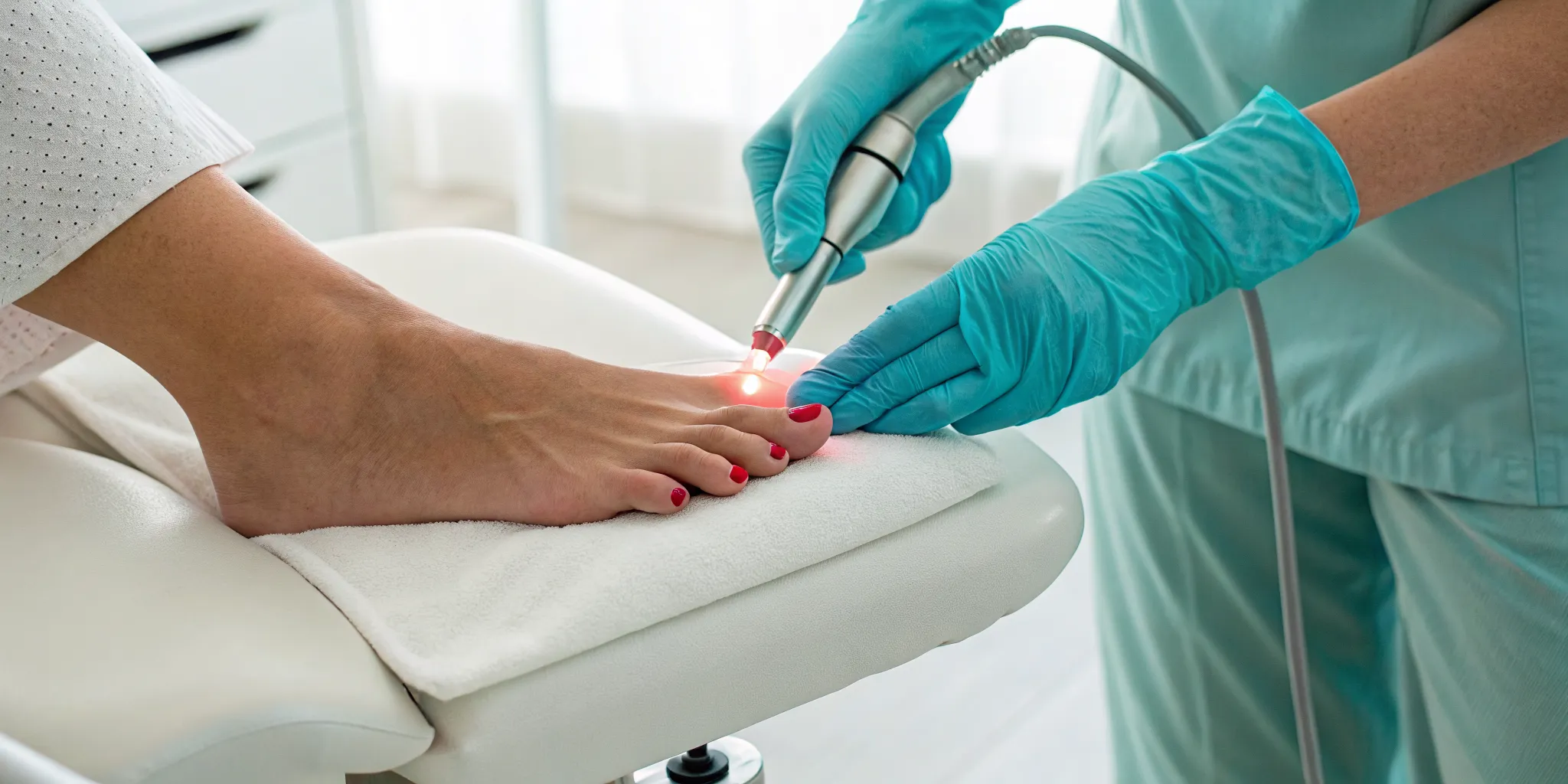

When you think of fixing an ingrown toenail, you might picture an uncomfortable procedure involving cutting, stitches, and a long, painful recovery. For years, that was the standard approach, but medical technology has come a long way. You no longer have to settle for invasive methods that cause unnecessary trauma and downtime. A much gentler, more precise option now exists. Advanced laser treatment for chronic ingrown toenails offers a permanent solution without a single incision. This modern technique targets the problem at its source with incredible accuracy, providing a comfortable experience and allowing you to get back on your feet right away.
Key Takeaways
- Understand Why It Keeps Coming Back: A chronic ingrown toenail is a recurring problem because temporary fixes like trimming or antibiotics don’t treat the nail’s growth center (the matrix), which is the actual source of the issue.
- Choose a Permanent, Precise Solution: Laser therapy offers a permanent fix by targeting the specific cells in the nail matrix that cause the problem, stopping the painful nail edge from ever growing back without damaging healthy tissue.
- Prioritize a Quick and Easy Recovery: Unlike traditional surgery, laser treatment is a no-incision, no-stitch procedure that lets you walk out of the office immediately and get back to your life with minimal downtime.
What Is a Chronic Ingrown Toenail (and Why Does It Keep Returning)?
An ingrown toenail is one of those nagging problems that can seem minor at first but quickly turns into a painful ordeal. It happens when the edge of your toenail, usually on the big toe, starts growing into the soft skin beside it. While many people experience this once or twice, a chronic ingrown toenail is a recurring issue that keeps coming back, often more painful each time. This happens when the root cause isn’t properly addressed, leading to a frustrating cycle of pain, infection, and temporary fixes. Understanding why it happens is the first step toward finding a permanent solution and getting back to your life without foot pain.
What causes ingrown toenails?
So, what leads to this painful situation? Often, it’s our daily habits. The most common cause is how we trim our toenails; cutting them too short or curving the edges can encourage the nail to grow into the skin. Your footwear also plays a huge role. Shoes and socks that are too tight can squeeze your toes, forcing the nail into the surrounding skin. This is especially true for athletes who put constant pressure on their feet. Sometimes, it’s not your fault at all. For some people, the tendency to get ingrown toenails is simply hereditary, thanks to the natural shape or thickness of their nails.
Know the symptoms
You’ll likely know an ingrown toenail when you feel one. The first signs are usually tenderness, swelling, and redness right next to the nail. The area might feel hard or sore to the touch, making it uncomfortable to wear shoes or even have a bedsheet press on it. If left untreated, the symptoms can worsen. The pain can become sharp and persistent, and you might see fluid or pus, which are clear signs of an infection. An infected ingrown toenail needs professional attention to prevent the problem from spreading and becoming more serious. Don’t just ignore it and hope it goes away.
The difference between a one-time issue and a recurring problem
Many people can treat a minor, one-time ingrown toenail at home. But what if it keeps coming back no matter what you do? That’s the difference between a simple annoyance and a chronic problem. A chronic ingrown toenail is one that reappears again and again, sometimes just weeks or months after you thought it was gone. You might find yourself in a cycle of trimming the nail back, dealing with infections, and using antibiotics, only for the pain to return. This happens because the underlying issue, the nail matrix that keeps producing the problematic nail edge, hasn’t been resolved. If this sounds familiar, it’s time to stop looking for temporary fixes and find a permanent solution.
Why Traditional Ingrown Toenail Treatments Fail
If you’re dealing with an ingrown toenail that just won’t quit, you’ve probably tried a few different remedies. Maybe you’ve attempted careful trimming at home, soaked your foot countless times, or even visited a doctor for antibiotics or a minor procedure. Yet, the pain and swelling always seem to return, sometimes worse than before. This frustrating cycle happens because most traditional treatments are just temporary patches. They address the symptom, which is the nail digging into your skin, but they fail to correct the root cause of the problem.
For anyone, but especially for athletes and active individuals, this recurring issue is more than just an annoyance. It’s a painful disruption that can keep you from your training schedule, your favorite activities, and your life. You need a solution that doesn’t just offer a few weeks of relief but provides a permanent fix. Understanding why the old methods fall short is the first step toward finding a treatment that actually works. These common approaches often fail to address the nail matrix, the part of your toe responsible for nail growth, which is why the problem keeps coming back.
The problem with temporary fixes like trimming and antibiotics
The most common first steps for an ingrown toenail are trimming the nail and taking antibiotics if it’s infected. While these actions can provide short-term relief, they are rarely a permanent solution. Simply cutting the corner of the nail doesn’t stop it from growing back in the exact same problematic way. It’s a temporary fix for a persistent issue. Similarly, antibiotics are crucial for clearing up an infection, but they do nothing to prevent the nail from digging into your skin again. Once you finish the medication, the mechanical problem remains, and you’re right back where you started. For serious or recurring cases, these fixes just don’t cut it.
How conventional surgery misses the mark
When temporary fixes fail, many people turn to conventional surgery. The goal of these procedures is to remove the offending nail border and destroy the underlying nail matrix to prevent regrowth. Unfortunately, these methods can be surprisingly imprecise. Traditional surgery involves cutting the skin, using harsh chemicals, or scraping the area, which can lead to significant post-op pain, a long recovery, and a real risk of recurrence. In fact, studies show that even after surgery, ingrown toenails can return. For athletes who can’t afford weeks of downtime, this is a major drawback. This is why our clinic offers advanced, no-incision solutions that target the problem with greater precision, offering a permanent fix without the difficult recovery.
How Does Laser Treatment for Ingrown Toenails Work?
If you’re tired of the endless cycle of trimming, soaking, and hoping for the best, laser treatment offers a completely different approach. Instead of just managing the symptoms, it gets to the literal root of the problem for a permanent solution. Think of it as a highly precise tool that allows a specialist to correct the way your nail grows, stopping that painful edge from digging into your skin ever again.
The process is straightforward and focuses on one thing: preventing regrowth of the offending nail border. Using a specialized medical laser, the treatment targets the specific cells responsible for creating the part of the nail that causes you pain. It’s a sophisticated and gentle technique that avoids the need for more invasive surgical methods. This modern approach is what finally gives people lasting relief from chronic ingrown toenails, letting them get back to their lives without foot pain.
Targeting the problem at its source: the nail matrix
The reason your ingrown toenail keeps coming back lies beneath the surface in something called the nail matrix. You can think of the matrix as the nail’s growth center or root. When a portion of this matrix is angled incorrectly, it produces a nail that grows into the surrounding skin. Temporary fixes like trimming the nail corner only provide short-term relief because they don’t affect the matrix, which is why the problem always returns.
Laser treatment is so effective because it directly and precisely targets this area. After the problematic sliver of nail is removed, the laser energy is applied to that specific part of the nail matrix, which stops it from producing a nail in that spot. This permanently removes the cause of the ingrown toenail without affecting the healthy growth of the rest of your nail.
How Class IV laser therapy provides a permanent fix
Our clinic uses advanced Class IV laser therapy to ensure a permanent fix for recurring ingrown toenails. This type of laser delivers a concentrated beam of light that is absorbed by the targeted tissue. This allows for the precise removal of the problematic nail root cells with minimal impact on the surrounding healthy tissue. It’s a non-invasive way to achieve what used to require more extensive surgery.
Because the laser is so exact, it effectively neutralizes the part of the nail matrix causing the issue. This means the troublesome nail edge won’t grow back, ending the cycle of pain, inflammation, and potential infection for good. It’s a lasting solution that lets you move forward without constantly worrying about your toe.
Laser vs. traditional surgery
When you compare laser treatment to traditional ingrown toenail surgery, the differences are clear. Conventional surgery often involves cutting away skin and tissue, followed by stitches and a longer, more painful recovery period. This can mean days or weeks of limited activity, which is a major setback, especially for athletes or anyone with a busy schedule.
Laser treatment, on the other hand, is a much gentler alternative. There are no incisions or stitches involved. The procedure is less invasive, leading to significantly less pain and a much quicker recovery. You can walk out of the office and get back to your routine almost immediately. It’s an ideal solution for anyone who wants a permanent fix without the downtime and discomfort associated with traditional surgical methods, performed by an expert specialist you can trust.
The Advantages of Laser Treatment
When you’re dealing with a chronic ingrown toenail, the last thing you want is a treatment that’s just as disruptive as the problem itself. Traditional surgery often means incisions, stitches, and a recovery period that keeps you off your feet. Laser treatment, on the other hand, offers a modern approach that prioritizes your comfort, time, and long-term health. It’s a solution designed to get you back to your life quickly and without the drawbacks of conventional methods. Let’s look at the specific advantages that make this treatment a standout choice.
A no-incision, no-stitch solution
One of the biggest benefits of laser treatment is that it’s minimally invasive. Unlike traditional surgery that requires cutting away skin and tissue, the laser works with precision. It targets and removes the problematic part of the nail and the underlying nail matrix (the root that causes regrowth) without any incisions or stitches. This means less trauma to your toe, a significantly lower risk of infection, and no scarring. Our clinic focuses on these types of advanced regenerative medical therapies because they offer a gentler yet highly effective path to healing. You get the permanent results you need without the painful and lengthy recovery associated with surgical cuts.
Get back on your feet immediately
For anyone with a busy schedule, and especially for athletes, downtime is a major concern. With laser treatment, you can walk out of the office right after the procedure and typically resume your normal daily activities the very next day. The treatment provides immediate relief from the pressure and pain of the ingrown nail. Because there are no stitches or open wounds to care for, you can get back to your routine almost instantly. This is a stark contrast to traditional surgery, which can require weeks of limited activity and careful wound management. If you’re ready to solve your foot pain without pausing your life, you can schedule a consultation to see if laser treatment is right for you.
A permanent fix with lower risk
If you’ve tried temporary fixes, you know how frustrating it is when an ingrown toenail comes back. Laser treatment is designed to be a permanent solution. By precisely targeting and neutralizing the nail matrix, the laser prevents the troublesome edge of the nail from ever growing back. Studies on laser procedures show an incredibly low recurrence rate, with some reporting success in over 98% of cases. This high level of effectiveness means you can finally stop the cycle of pain, infection, and repeated treatments. Our patient success stories show just how life-changing a permanent solution can be for those who have struggled with chronic foot issues for years.
Why it’s ideal for athletes
An ingrown toenail can be more than just a nuisance for an athlete; it can derail training schedules and impact performance. The constant pressure inside athletic shoes can make the condition incredibly painful. Laser treatment is perfectly suited for athletes because it addresses all their primary concerns. The procedure is quick, the recovery is immediate, and the solution is permanent. There’s no need to worry about stitches coming loose, wounds getting infected in a locker room, or taking weeks off from your sport. With this advanced treatment, Dr. Singh can help you eliminate the problem for good, allowing you to focus completely on your performance without the threat of recurring foot pain.
What to Expect: The Procedure and Recovery
Thinking about any medical procedure can be a little nerve-wracking, but I want to walk you through just how simple and straightforward laser treatment for ingrown toenails is. The entire process is designed with your comfort and busy schedule in mind. From the moment you walk into our office to the day you’re fully healed, our goal is to get you back to your life, pain-free, as quickly as possible. Here’s a clear look at what the treatment and recovery process involves.
A comfortable, pain-free experience
First things first: this procedure is not painful. We perform the treatment right here in the office using a local anesthetic to completely numb the area, so you won’t feel a thing. Unlike traditional surgery, our advanced laser therapy is a no-incision solution. The laser’s focused energy is incredibly precise, and its heat naturally cleans the area, which significantly lowers the chance of infection. This modern approach avoids the cutting and stitches associated with older methods, making the entire experience much more comfortable and less intimidating. You can relax knowing you’re in a controlled, professional setting with a team dedicated to your well-being.
Your treatment, step-by-step
The procedure itself is surprisingly quick, usually lasting only 15 to 30 minutes. After numbing your toe, Dr. Singh will first carefully trim and remove the small, problematic edge of the nail that’s causing the pain. Next, he will use the Class IV laser to target the underlying nail matrix, which is the root of the problem. This is the key step that prevents that section of the nail from growing back and causing issues again. Because the process is so efficient and minimally invasive, you’ll feel relief almost immediately. You can literally walk out of the clinic right after your appointment and get on with your day.
Your recovery and aftercare plan
Your recovery will be just as smooth as the procedure. While you can walk out immediately, the full healing process for the treated area typically takes about three weeks. Studies on laser procedures for ingrown toenails show that patients experience very low rates of post-op infection, a testament to how clean and effective the treatment is. We’ll provide you with a simple aftercare plan, which usually just involves keeping the toe clean and dry. You might prefer open-toed shoes for a day or two for maximum comfort. We will also schedule a follow-up visit to make sure everything is healing perfectly and that you are on track for a permanent solution to your ingrown toenail troubles.
Debunking Myths About Laser Treatment
Newer technologies often come with a lot of questions and a bit of misinformation. Laser treatment for ingrown toenails is no exception. You might have heard things that make you hesitant, or maybe you’re just not sure what to believe. Let’s clear the air and tackle some of the most common myths head-on so you can make an informed decision about your health. Understanding the facts can help you see why this modern approach is such a game-changer for people dealing with chronic ingrown toenails, especially active individuals who can’t afford long downtimes. When you’re used to being on the go, the last thing you want is a nagging foot problem holding you back. We’ll walk through the reality of the procedure, the results, and what you can truly expect from a treatment designed to get you back to your life, pain-free and for good. This isn’t about a quick fix; it’s about a permanent solution that respects your time and your body. We’ll separate fact from fiction regarding pain, recovery, cost, and long-term care, giving you the clarity you need.
Myth: It’s a painful procedure
The thought of a laser near your toe sounds intense, but the reality is much more comfortable. Before the procedure begins, the entire area is numbed with a local anesthetic, so you won’t feel any pain. The great thing about Class IV laser therapy is its precision. The laser energy is focused only on the problematic nail matrix cells that cause the nail to grow inward, leaving the surrounding healthy skin completely untouched. Unlike traditional surgery that involves cutting and stitches, this is a minimally invasive technique performed right in the office. You can rest assured that your comfort is the top priority from start to finish.
Myth: It’s an instant, one-and-done fix
While laser treatment is designed to be a permanent solution, it’s important to have realistic expectations about the process. The procedure itself is typically a single session where the root of the problem, the nail matrix, is addressed. However, “permanent” doesn’t mean “magic.” The healing process takes time. Research shows that the treatment is highly effective, but factors like a pre-existing infection can influence the outcome. That’s why a thorough consultation is key. We address any underlying issues first to ensure the laser treatment has the highest possible chance of success, providing a lasting fix rather than a temporary patch.
Myth: It’s not worth the investment
If you’ve been stuck in a cycle of pain, antibiotics, and repeated appointments, you know that the costs add up quickly, not just in money but in time and frustration. Laser treatment is an investment in permanently breaking that cycle. It’s an excellent choice for anyone dealing with severe or recurring ingrown toenails where other methods have failed. By addressing the problem at its source, you avoid the endless loop of temporary fixes. Think of it as a one-time cost for long-term peace of mind and the freedom to get back to your life without constant foot pain.
Myth: You don’t need any follow-up care
Getting you back on your feet immediately is a major benefit of laser treatment, but that doesn’t mean your care ends when you walk out the door. Following a simple aftercare plan is essential for a smooth recovery and the best possible results. We provide you with a personalized plan to care for the area as it heals. As part of our dedicated approach, Dr. Singh will schedule check-ups to monitor your progress and make sure the toenail is healing correctly. This follow-up care ensures the treatment is successful and helps prevent any future issues, giving you confidence in your recovery.
Is Laser Treatment for Ingrown Toenails Right for You?
Deciding on the right treatment for a persistent ingrown toenail can feel overwhelming, but understanding your options is the first step toward finding lasting relief. Laser therapy is a powerful tool, but it’s most effective for the right person and the right problem. If you’re tired of the cycle of pain, temporary fixes, and recurring infections, it’s worth exploring if this modern, no-incision solution fits your needs.
The best way to know for sure is to have a conversation with a specialist who can assess your unique situation. Dr. Singh is dedicated to creating a personalized treatment plan that gets you back to your life without the long recovery times associated with traditional surgery.
Who is a good candidate for laser treatment?
Laser treatment is an excellent option if you’re dealing with a chronic or recurring ingrown toenail. If you’ve tried trimming the nail at home, using antibiotics, or even had a previous procedure only for the problem to return, you are likely a perfect candidate. This is because the laser addresses the root of the issue. It precisely targets and neutralizes the specific part of the nail matrix, which is the tissue responsible for nail growth. By stopping that section of the nail from growing back, the treatment provides a permanent solution. This approach is especially beneficial for athletes and active individuals who need a reliable fix without significant downtime.
When to consider other options
While laser therapy is highly effective, a thorough evaluation is necessary to confirm it’s the best path for you. For a very mild, first-time ingrown toenail, a different approach might be recommended initially. Certain underlying health conditions also require special consideration. During your consultation, Dr. Singh will review your health history to create the safest and most effective plan. He will determine if laser treatment is the right standalone procedure or if one of our other regenerative medical therapies would better support your healing. The goal is always to match the most advanced, appropriate technology to your specific needs for the best possible outcome.
Take the next step toward permanent relief
If you’re ready to break the cycle of pain and inconvenience from a chronic ingrown toenail, it’s time to explore a permanent solution. Patients who undergo laser treatment often feel relief almost immediately and can walk out of the office right after the procedure. Because the laser is precise and minimally invasive, you can typically resume your daily activities the very next day. The laser’s energy also helps clean the area, which lowers the chance of post-procedure infection. Don’t let a nagging ingrown toenail keep you on the sidelines. Contact us today to schedule your consultation and find out if laser treatment can give you the lasting relief you deserve.
Related Articles
- Laser Therapy and Ingrown Toenails
- Laser Therapy and Healing of Wounds
- Fungal Nails Therapy using Class IV Laser Therapy
- Bone healing with the use of our laser therapy
Frequently Asked Questions
Why does my ingrown toenail keep returning even after I’ve had it treated? A recurring ingrown toenail happens because temporary fixes, like trimming the nail or taking antibiotics, don’t address the root of the problem. The issue lies in the nail matrix, which is the part of your toe that grows the nail. If a section of this matrix is angled to grow inward, it will continue to produce a problematic nail edge. Laser treatment is effective because it’s the only method that precisely targets and neutralizes that specific part of the nail matrix, stopping the cycle for good.
Is the laser procedure painful, and what is the recovery really like? Your comfort is a top priority, so the procedure itself is not painful. We use a local anesthetic to completely numb your toe before we begin. You won’t feel anything during the treatment. As for recovery, it’s remarkably fast. Because there are no incisions or stitches, you can walk out of the office immediately after the procedure. Most people are back to their normal daily activities the very next day, which is a major advantage for anyone with a busy, active lifestyle.
How is laser treatment different from the traditional surgery my doctor might recommend? The main difference is how the problem is corrected. Traditional surgery often involves cutting away skin and tissue to remove the nail root, which can lead to a painful recovery with stitches and a higher risk of recurrence. Laser treatment is a no-incision solution. It uses a focused beam of light to precisely neutralize the problematic nail matrix without damaging the surrounding healthy tissue. This means less pain, a much faster recovery, and no scarring.
Is this treatment really a permanent solution? Yes, laser treatment is designed to be a permanent fix. By targeting the specific cells in the nail matrix that are causing the ingrown nail, it prevents that troublesome edge from ever growing back. While no medical procedure has a 100% guarantee for every single person, the success rate for this treatment is incredibly high. It is the most effective way to permanently break the cycle of pain and infection from a chronic ingrown toenail.
Am I a good candidate for laser treatment? Laser treatment is an ideal solution for anyone who struggles with chronic or recurring ingrown toenails, especially if other methods have failed to provide lasting relief. It’s particularly well-suited for athletes and active individuals who need a permanent fix without a long, disruptive recovery period. The best way to know for sure is to schedule a consultation. Dr. Singh can evaluate your specific situation and determine if this advanced treatment is the right path for you.