



Persistent burning and tingling in your feet often signal progressive nerve damage that requires specialized regenerative care. Dr. Sutpal Singh uses these advanced tools to prioritize long-term nerve health over temporary relief.
Request an appointment with Dr. Singh to discuss your foot neuropathy symptoms and a personalized care plan.
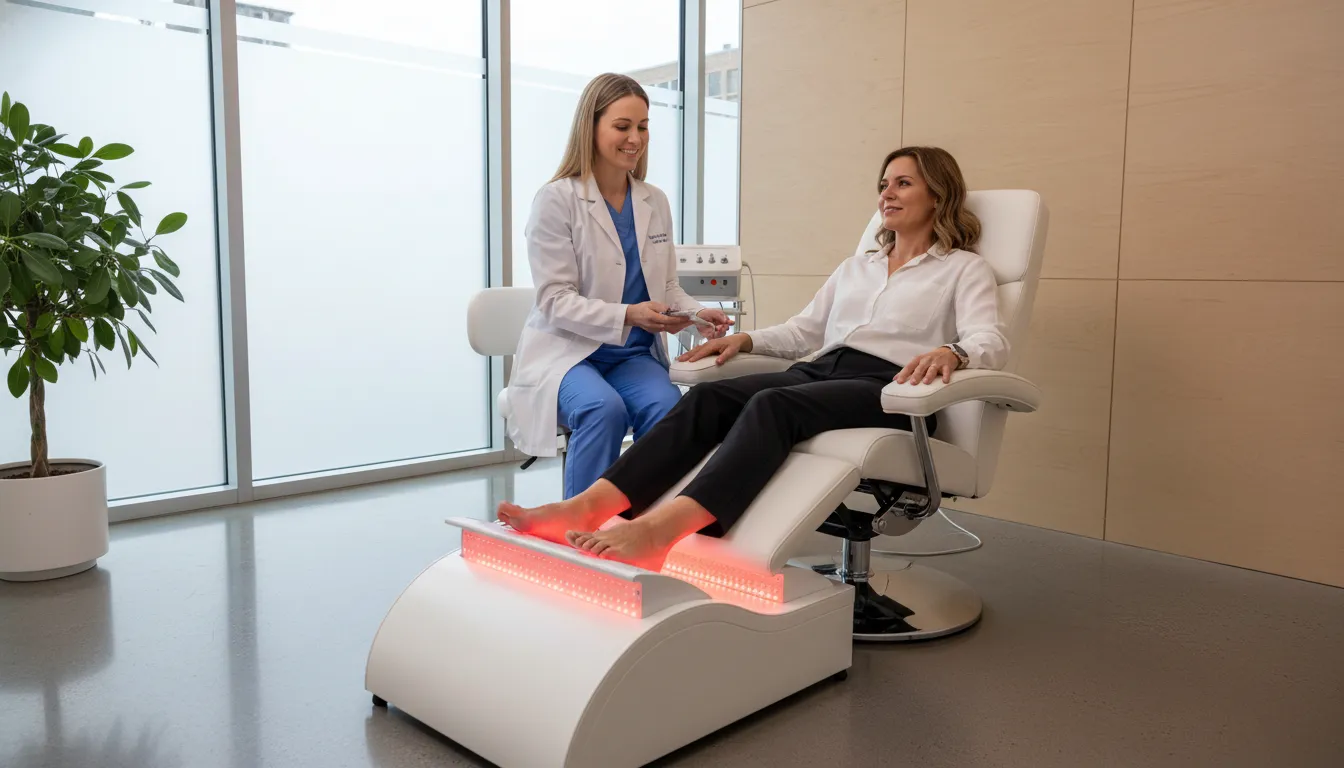
Red light therapy for feet neuropathy is a non-invasive treatment that uses light waves to help cells fix themselves and improve blood flow. These light waves target the power centers in damaged nerve cells to boost energy. This helps the body lower swelling and ease chronic pain without pills or surgery. Clinical research shows that this process, known as photobiomodulation, has a strong ability to improve movement for those with nerve damage. While results take time, regular sessions can help bring back feeling in your feet and support health. This works by making sure damaged tissues get the oxygen and food they need to heal. By focusing on the root cause, this therapy offers a path toward better motion.
Understanding how this technology works is the first step toward finding relief from persistent foot pain. Many patients want to know exactly how light can reach deep tissues to promote healing. The section on red light therapy for feet neuropathy explains the science behind this approach.
Red light therapy for feet neuropathy: what it is
Red light therapy for feet neuropathy uses targeted wavelengths to support cellular activity, circulation, and the body’s natural repair processes without cutting the skin. At Comprehensive Foot and Ankle Institute, Dr. Singh considers it a supportive option within a personalized care plan, not a guaranteed cure or replacement for a medical evaluation.
How photobiomodulation works
The science behind this care is called photobiomodulation. It sounds like a big word, but the idea is simple. Light travels in waves. When these waves hit your skin, they pass through to your cells. The light acts like a fuel source for your mitochondria. These are the parts of your cells that make energy. By giving cells more energy, they can work better to fix damage. This process helps to lower pain and calm down swelling in the feet. It also helps to bring more blood to the area. Good blood flow is vital for nerve health. You can learn more about red light therapy for feet neuropathy and how it supports nerve repair.
Red and near-infrared light
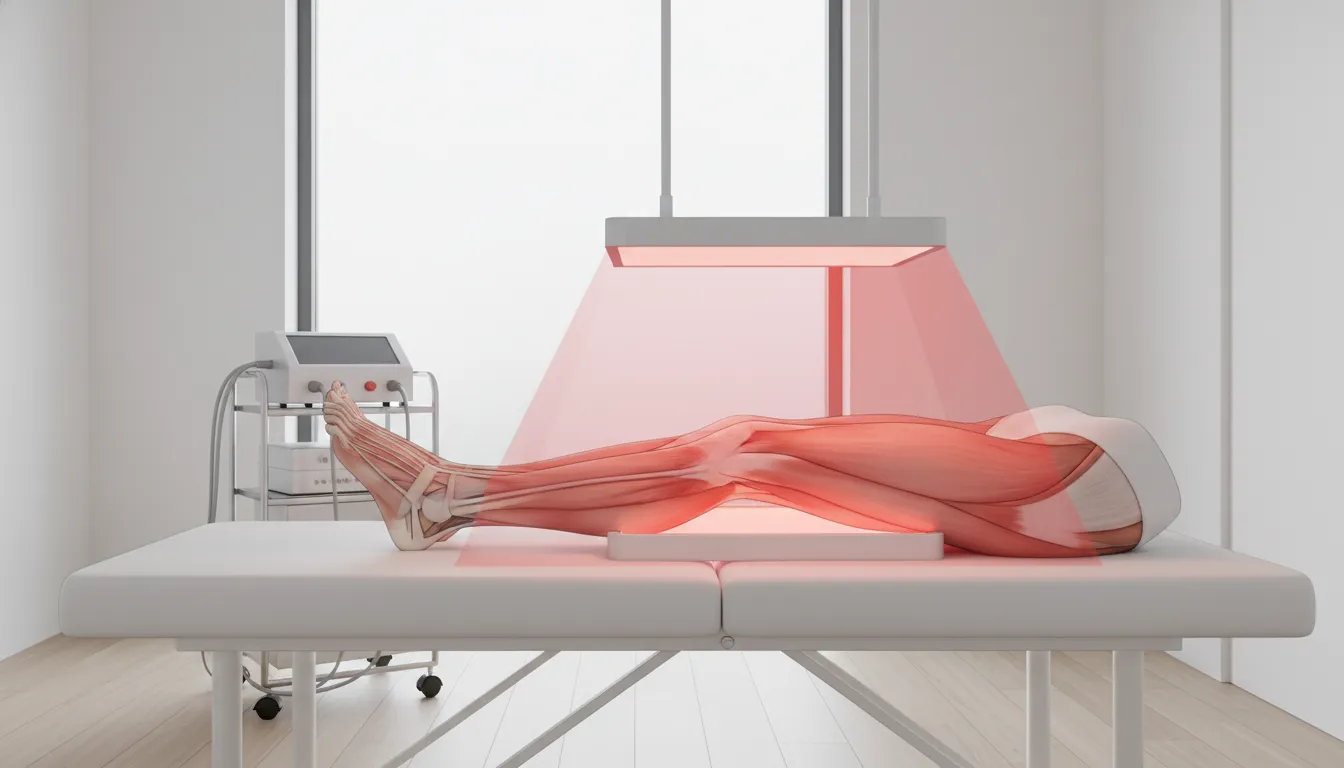
This therapy uses two main types of light. Red light stays closer to the surface. It is great for skin and small blood vessels. Near-infrared light can go much deeper. It reaches the nerves and muscles that sit far below the skin. Using both types of light at once often gives the best results for foot pain. These wavelengths are very safe. They do not have the UV rays that cause sun damage. In clinical studies, photobiomodulation therapy has shown real promise for nerve issues. It can help people walk better and feel more stable on their feet. Researchers have seen gains in walking scores after regular use. It is vital to know that red light therapy is a supportive care choice.
A supportive care option
It works best when you use it with other treatments. At our clinic, we look at your whole health. We check your blood sugar and check how your nerves react. This help is often used for diabetic peripheral neuropathy, which is a common issue for many patients. You should always talk to a foot doctor before you start. Each person has different needs. Some may need visits a few times a week for a month or more. Your doctor will help you find the right path for your feet. This care fits into our concierge model. It gives you private attention and advanced tools to help you stay active.
Which foot neuropathy symptoms need an evaluation?
Persistent burning, tingling, numbness, unusual sensitivity, balance changes, or a foot wound you cannot feel should prompt an evaluation. Dr. Singh at Comprehensive Foot and Ankle Institute can assess nerve function, circulation, and possible causes, then explain appropriate next steps. New wounds, redness, warmth, or swelling need especially prompt attention.
Common signs of nerve damage
Most people with nerve damage feel a mix of odd feelings. You might feel a sharp burning or tingling in your feet. Some people say it feels like “pins and needles” under the skin. Others feel total numbness that does not go away. This lack of feeling is a big risk for many people. You might not feel a cut or a sore on your skin, which can lead to a bad infection.
Numbness often gets worse at night and may wake you up. It can make it hard to sleep or get the rest you need. These signs often point to diabetic peripheral neuropathy, which is a common problem. If these feelings do not go away with rest, you should see a foot expert right away. Early care can help stop more damage from happening to your nerves.
Changes in balance and feeling
Nerve damage does more than cause pain in the toes. It can also change how you walk and move each day. Your feet send signals to your brain to help you keep your balance on uneven ground. When nerves are hurt, those signals get lost or mixed up. You might feel weak or shaky on your feet. This can lead to trips or falls that cause more harm to your body. Staying active is a big part of regenerative medical therapy.
Some people also get sensitive to any kind of touch. Even the weight of a thin bed sheet can feel painful or sharp. This high sensitivity is a clear sign that your nerves are not working well. You may also notice your skin feels cold or looks a different color than usual. These are signs of poor blood flow that need a quick checkup from a foot doctor.
Why a doctor checkup matters
You should not guess about your foot health or wait for the pain to pass. A doctor like Dr. Sutpal Singh can find the root cause of your nerve pain. Before you try any new tools, you need a full exam. An expert will check your nerves and blood flow to see what is truly wrong. This helps you get the best care for your own case and stops any lost time.
You can schedule a focused neuropathy evaluation to find the first step to relief. The doctor will look at your health past and your signs. Then, they can set up a plan that uses tools like red light therapy for feet neuropathy. This plan aims to lower pain and help your nerves heal in a safe, easy way. This approach keeps you moving without the need for big surgeries.
How does diabetes change the conversation?
Diabetes can damage nerves, reduce sensation, and slow circulation, so foot symptoms and small wounds require careful monitoring. Dr. Singh at Comprehensive Foot and Ankle Institute evaluates both nerve health and skin safety before discussing red light therapy. This supportive treatment does not replace blood sugar management, daily foot checks, or urgent wound care.
Nerve health and foot safety
Diabetes changes how your body uses sugar. High blood sugar can harm the small nerves in your feet over time. This common problem is called diabetic peripheral neuropathy. It can cause burning, tingling, or a loss of feeling. Some people say it feels like they are wearing thick socks all the time. When you cannot feel your feet, a small cut or sore can turn into a major wound.
Safe foot care is vital for anyone with this health state. You may not notice a blister or a thorn until it is deep. Using red light therapy for feet neuropathy can help you manage these symptoms. This treatment uses low-level light to help your cells fix themselves. It is a gentle way to care for your nerves. Dr. Singh uses these tools to help patients keep their feet healthy and safe.
Blood flow and healing
Diabetes often slows down blood flow in the legs. This makes it hard for your body to heal sores or stop germs. Red light therapy works by targeting the energy centers in your cells. These centers are called mitochondria. This process helps cells make more power to repair nerves and lower swelling. It is a non-invasive way to support your body from the inside out.
Good blood flow brings more oxygen to the parts of your body that need it. This can help reduce pain and keep your skin healthy. But light therapy does not replace your daily health plan. You still need to track your blood sugar and see your doctor. Using red light as a non-surgical neuropathy treatment can add to your existing care. It fits well with other ways to manage nerve pain without using drugs.
Finding urgent warning signs
Contact a foot doctor promptly if you notice:
- A new cut, blister, sore, or drainage
- Redness, warmth, swelling, or a change in skin color
- New numbness, weakness, balance trouble, or rapidly worsening pain
You must check your feet every day if you have diabetes. Since you might not feel pain, you have to look for other signs. Watch for red spots, swelling, or warm skin. If a sore does not go away, you should request prompt specialist foot care quickly. Small issues can grow fast when nerves and blood flow are weak. Taking action early can help save your feet.
Red light therapy can help your feet heal, but you must be patient and stay on track. Most people need many sessions over several weeks to see a change. This care is safe and does not use heat or sharp tools. It gives you a way to help your feet feel better while you manage your sugar. Staying active is a big part of life, and keeping your feet safe makes that possible. Dr. Singh focuses on these advanced tools to give his patients the best path back to motion.
In-office care versus at-home red light devices
In-office therapy provides professional assessment, controlled dosing, skin checks, and progress tracking, while at-home devices vary in power and may not suit every patient. At Comprehensive Foot and Ankle Institute, Dr. Singh first evaluates sensation, circulation, and skin health to determine whether supervised care or a cleared home routine is appropriate.
The value of expert care
In a clinic, a foot doctor uses tools that give a higher dose of light. These tools often use specific light levels to target deep nerve damage. Clinical studies show that photobiomodulation therapy helps fix cells by targeting the mitochondria. A doctor also tracks your skin health to prevent burns or soreness during your care plan. This care is needed for people with low feeling in their feet.
A foot doctor can also find the cause of your pain. They use nerve tests to see how well your feet feel touch and heat. This data helps them change the light dose over time. For those seeking non-surgical neuropathy treatment, this expert help keeps the therapy safe and helpful. Home tools often lack the strength to reach deep nerves. They may only treat the top layer of skin rather than the damaged fibers below.
| Feature | In-Office Therapy | At-Home Devices |
|---|---|---|
| Tool Power | High-output medical laser | Low-power LED panels |
| Dose Control | Set by an expert | Fixed settings only |
| Safety Check | Regular skin exams | Self-checked |
| Nerve Testing | Part of every visit | Not available |
| Goal Tracking | Clinical walk tests | Based on feel |
Selecting the right plan for your needs
Home tools can work well for daily upkeep once a doctor clears you. They give a low dose of light that can help keep pain away between visits. But they are not a substitute for a full clinic checkup. You should discuss in-office neuropathy care to see if you need a stronger plan first. A doctor can make sure you use the right light types to get the best results.
Staying steady is the most vital part of using light for nerve health. Most plans need visits three times per week for many weeks to show a change. Recent research in diabetic peripheral neuropathy suggests that regular care can help you walk better and ease pain. The healing process is often slow and needs a steady stream of light to work. By working with an expert, you make sure your time and effort lead to the best results for your feet.
What should you ask before starting red light therapy?
Ask about the cause of your symptoms, treatment goals, expected schedule, device type, safety considerations, and how progress will be measured. Dr. Singh at Comprehensive Foot and Ankle Institute can explain whether red light therapy fits your health needs and how it may complement diabetes care, medication, physical therapy, or other treatments.
Why asking questions matters
Before you start red light therapy for feet neuropathy, you need to know how it helps your case. Every person has unique needs, even more if you have diabetes or other health issues. Asking the right questions makes sure you get the best results and avoids any waste of time. It also helps you stay safe and know what to expect during each visit to the clinic. When you know the steps, you can feel more sure about your care. A clear plan also helps you stay on track with your visits.
Top questions for your foot doctor
Use this list to guide your talk during your next visit:
- What is the main goal of this care for me? Ask if the goal is to lower your pain, help your nerves heal, or improve how you walk. Knowing the goal helps you track your progress over time and see real gains.
- How does this light help my nerves repair? You can ask about how photobiomodulation targets the mitochondria to boost cell energy and support nerve repair. This process helps your cells work better.
- How many visits will I need to see a change? Most people need many visits each week for a few months to feel the full effects. Your doctor will set a plan that fits your nerve damage level and your daily life.
- What type of light device do you use? Ask if the tool uses specific waves of light that go deep into the tissue. The right device makes sure the light reaches the nerves that need help the most.
- Can I use this with my other care? Ask how this fits with your current pills or physical therapy. Red light therapy often works well as an alternative foot neuropathy treatment alongside other care to speed up your healing.
- Are there any risks for my skin? This care is safe and does not need cuts or shots. But you should check for any skin issues or how your skin reacts to light.
- How will we track my success? Ask if you will use tests to see how your balance and strength improve. This helps you know if the care is working as it should.
Setting your goals
It is vital to know that red light therapy may not fix your neuropathy for good. While it may support pain management and mobility, it is part of a larger plan. You should always get a personalized foot neuropathy plan for your foot health. Dr. Singh will lead your care to make sure you get the best results for your unique needs. By working with a professional, you can identify appropriate tools to support activity and comfort.
How red light therapy may fit a broader care plan
Red light therapy may support a broader plan that addresses the cause of nerve symptoms, circulation, mobility, skin safety, and overall health. At Comprehensive Foot and Ankle Institute, Dr. Singh personalizes care and may combine monitored light therapy with other appropriate regenerative or conservative options while tracking each patient’s response over time.
The goal is to help you stay active. Dr. Singh believes that life is motion. When your feet hurt, you stop moving. This care plan aims to fix that. It uses light to help your nerves work better. But the light is just one part of the path to feeling well.
Finding the source of nerve pain
The first step is a deep look at your symptoms. You may feel burning, numbness, or tingling. Dr. Singh will test your nerve health in the office. He may check how your nerves react to touch and heat. This tells him how to build your custom care plan. Finding the root cause is vital for long-term health.
When you meet with a foot neuropathy specialist, you get expert care. Dr. Singh has over 30 years of work in this field. He serves the northwest Chicago suburbs, including Schaumburg and Palatine. He takes time to find the root of the problem. He does not just mask the symptoms with drugs.
Using multiple tools for healing
Red light therapy for feet neuropathy often works best with other care. Dr. Singh may add Class IV laser or shock wave therapy to your plan. These tools work to lower swelling. They also help more blood get to your feet. Better blood flow means more food and oxygen for your nerves. This helps the nerves fix themselves on a cellular level.
This team of tools is a top non-surgical neuropathy treatment. New studies show that light therapy is a safe and helpful tool for nerve pain. It targets the parts of your cells that make energy. This gives your body what it needs to repair damage. By using many tools at once, Dr. Singh can help you get back to your life faster.
Tracking results and consistency
Healing nerves is a slow process. You must be steady with your care. Most people need to come in many times a week for a few months. A 2023 study found that many people felt less pain after eight weeks of care. Dr. Singh will watch your progress closely. He will check your balance and how well you can walk.
Our practice in Hoffman Estates offers concierge care. We do not treat you like a number. You will have time to talk with Dr. Singh. He will adjust your plan as you heal. The focus is always on your quality of life. By staying with the plan, you can reach your goals. We want to help you live a life in motion without pain.
What to expect at a foot neuropathy consultation
At a foot neuropathy consultation, expect a review of your symptoms and medical history, plus checks of your skin, circulation, sensation, reflexes, balance, and walking. Dr. Singh at Comprehensive Foot and Ankle Institute uses those findings to discuss likely causes, safety concerns, treatment options, and a personalized follow-up plan.
Your health history and body exam
The visit starts with a deep look at your past health. We talk about when your pain started and what it feels like. We check your skin, nails, and how well blood flows to your feet.
This is vital because diabetic peripheral neuropathy is a top cause of foot pain. We look for thin skin, hair loss on the toes, or skin color changes that show poor blood flow.
We also check for signs of nerve stress like bunions or hammertoes. These can make nerve pain worse by adding pressure. Our goal is to find the root cause of your pain.
Nerve function and sensory testing
We serve patients from Schaumburg to Barrington who want this high level of detail. Next, we test how well your nerves work. We use simple tools to check your sense of touch, heat, and cold.
We may use a small wire to see if you can feel light pressure on your foot. We also check your reflexes and how you stand or walk. Since nerve damage can hurt your balance, these tests help us see your risk for falls.
If you feel burning or a “pins and needles” feeling, it is time to act. You should request a comprehensive neuropathy assessment to get a clear answer. Knowing the level of damage helps us choose the right tools to help you heal.
Creating a custom care plan
After the exam, Dr. Singh sits down with you to talk about your plan. We focus on regenerative medical therapy to help your body repair itself. One top choice is using red light therapy to boost blood flow.
Many patients find that red light therapy for feet neuropathy helps ease pain and reduces swelling without surgery. This gentle method uses light to help your cells work better. Your plan may also include other tools like shoe inserts.
We focus on results that let you walk, run, and live without constant pain. We will set up follow-up visits to track your progress. If you live in Rolling Meadows or Elk Grove Village, our office is ready to help you.
Watch for red flags like new sores or skin that feels very hot or cold. Call us right away if these appear. Our goal is to give you a clear path back to the life you love.
Frequently Asked Questions
These common answers explain timing, realistic outcomes, safety, and diabetic foot pain. Dr. Singh at Comprehensive Foot and Ankle Institute can provide guidance based on your medical history, examination, and goals. Because neuropathy has different causes and severity levels, an in-person evaluation is the best way to determine whether red light therapy is appropriate.
How long does it take for red light therapy to work for neuropathy?
Most people start to see a change after some weeks of care. Being steady is key for the best results. Based on a 2023 study, many patients felt a large drop in pain after eight weeks of steady use. You may need to visit the office a few times each week during this time. Your body needs time to fix the nerves and boost blood flow.
Can red light therapy reverse peripheral neuropathy?
This care may not fully fix the nerve damage. However, it can help the body heal and cut down on pain. Based on research from KS Foot Doc, this tool can also boost blood flow in your feet. This helps the nerves get the food and air they need to work better. While it is not a cure, it can help you feel less pain and move with more ease.
Are there side effects of using red light therapy for feet?
Most people find this care very safe and easy to use. It does not use cuts or harsh drugs to help you feel better. Some people might have small skin changes, but this is not common. You should talk to a foot doctor before you start any new plan. Each person has a unique health path. A pro can make sure the light is right for your needs and skin type.
Is red light therapy effective for diabetic foot pain?
Yes, this light is a good way to help with pain from high blood sugar. It is a tool that helps with nerve damage in the feet without using cuts. A study in PMC shows that it is a good way to treat this common health issue. The light helps the cells in your nerves make more energy. This can help with the burning and tingling you may feel.
Ready to discuss relief for your foot nerve pain?
If foot burning, tingling, numbness, or balance changes affect your life, an evaluation can clarify the cause and available options. Dr. Singh at Comprehensive Foot and Ankle Institute provides personalized, doctor-led care and can explain whether red light therapy or another supportive approach belongs in your care plan. Individual responses vary.
Ready to find relief? Contact us to request an appointment.