


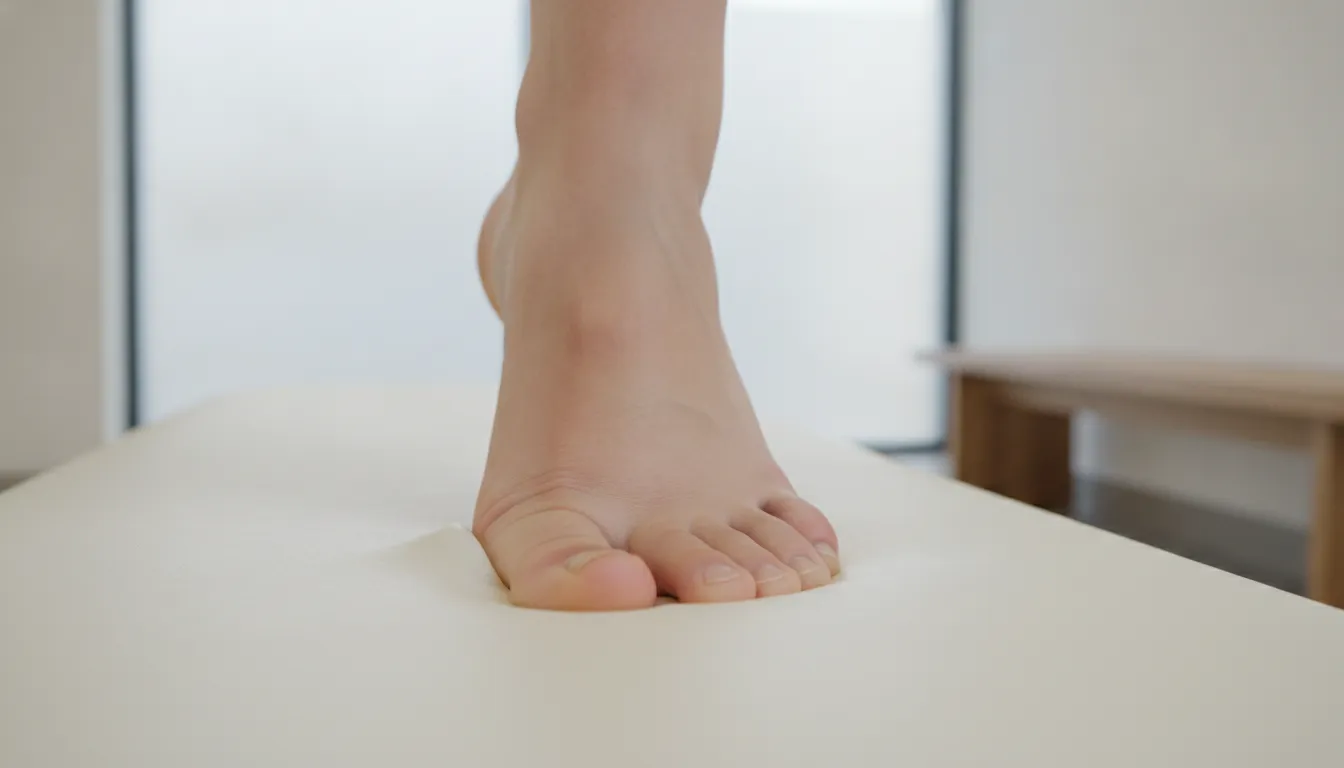

Walking on hard floors can feel like stepping on bone when your natural foot pads wear thin. This loss of cushioning can make every step painful and limit your motion. You do not have to manage the constant ache of metatarsalgia alone.
Fat pad augmentation foot procedures restore the natural shock absorption beneath the metatarsal bones by injecting real adipose allografts or regenerative tissue like Liposana. This treatment fixes fat pad atrophy, a condition where the soft layer of fat on the ball of the foot thins from age or high activity. By adding back this lost cushion, the treatment stops chronic ball-of-foot pain and helps manage metatarsalgia without the need for major surgery. Patients usually feel less pain and can walk shortly after the session in our office while avoiding the use of steroids or painful hardware. According to clinical data from the National Institutes of Health, soft tissue restoration gives a long-term fix for patients who have lost their natural padding.
Understanding how this works is the first step toward a more active life. We will explain the process and why this method is better than old ways. To help you, we will explore What is fat pad augmentation for the foot? in detail. The path begins with
Fat Pad Augmentation Foot: What is fat pad augmentation for the foot?
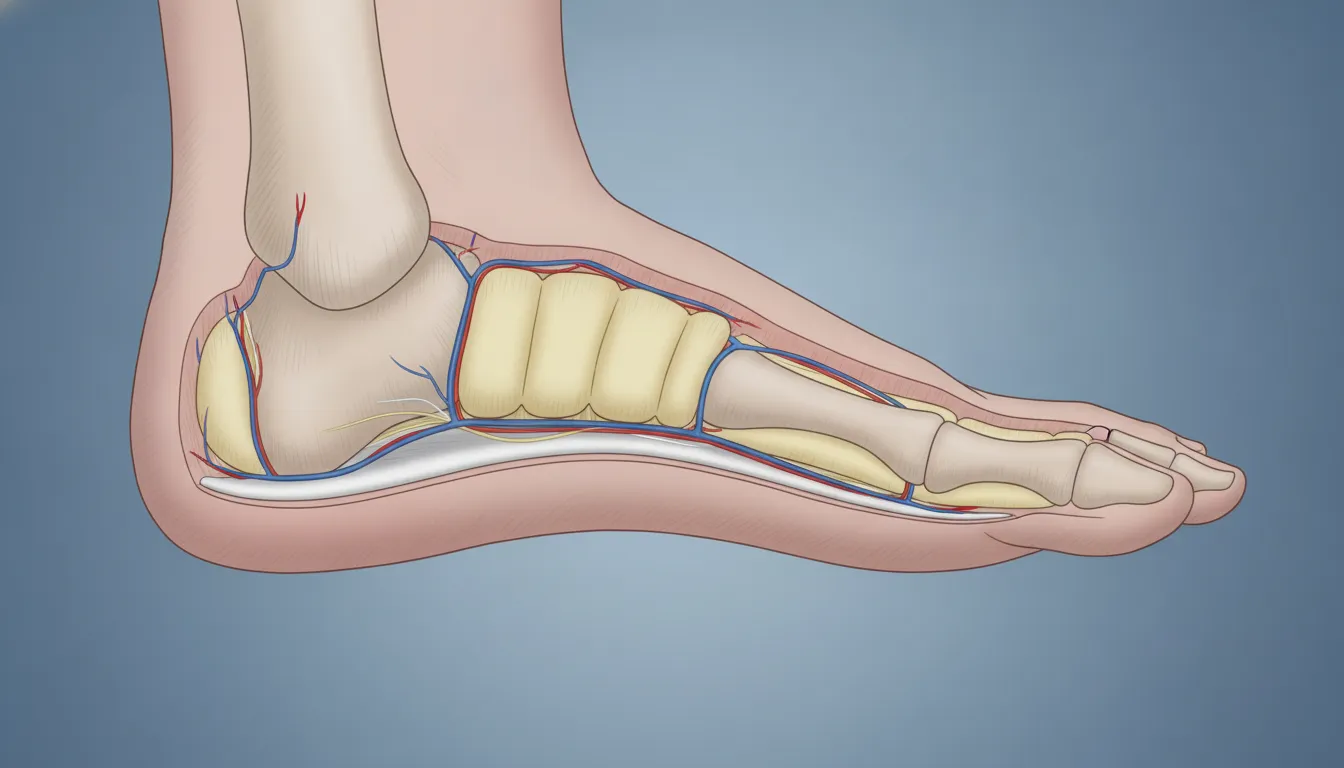
Your feet have a natural layer of fat on the bottom that helps you move with ease. These pads act like soft pillows for your bones. They surround the bones in your heel and the ball of your foot. Their main job is to absorb shock when you walk or run. Without this cushion, your bones would press right against the ground. This can lead to deep pain and makes it hard to stay active. The fat pads on your soles are tough and springy. They perform a few key tasks every day:
- They spread out the force when your foot hits the floor.
- They protect the nerves and blood vessels in your feet.
- They keep your skin from breaking down under heavy pressure.
The role of foot cushions
The padding on your foot is vital for protecting the metatarsal heads. These are the bones in the ball of your foot that bear most of your weight. If the pads get thin, the pressure on these bones goes up. This often leads to a dull ache or sharp pain known as metatarsalgia. When this happens, simple things like walking in thin shoes or standing on hard floors can become a chore. Over time, your natural cushions can wear down or shift out of place. This process is often called fat pad atrophy. It can happen as you get older or if you stand for long hours at work. Some people feel like they are walking on their bones. When the padding is gone, your foot cannot handle the impact of a normal step. This lack of support can lead to calluses and sores that do not heal well.
How augmentation restores comfort
Fat pad augmentation is a way to put back the lost cushion. The goal is to restore volume to the areas that have thinned out. This helps the foot work the right way again. It is not like a shoe insert that you can take out at night. It is a long-term fix that stays inside your foot to provide constant support and protection. At our clinic, we focus on regenerative podiatric treatments that help the body heal. We do not just use steroids to mask the pain. Steroids can sometimes make the tissue thinner over time. Instead, we use new methods to rebuild the protective layer. This helps you get back to your active life without the need for big surgery. Many patients find that they can return to sports and daily walks once their padding is back.
Simple and fast options
Most people do not need a long stay in a hospital for this care. We can often do fat pad augmentation with Liposana right in our office. We use local numbing so you stay awake and relaxed during the visit. The process is fast and lets you get back on your feet quickly. It is a great choice for busy people who want to avoid the downtime of old-style surgery. These new steps use natural tissue to add bulk where you need it most. This helps stop the pain at its source. By adding a new layer of padding, we take the stress off your bones. Many patients can walk right after the visit. It is an expert way to care for your feet while keeping you mobile. This approach fits our goal of keeping you moving, because life is motion.
Why does cushioning beneath the ball of the foot wear down?
Your feet have a built-in shock system. This system is made of thick fat pads that wrap around the bones in your feet. These pads take the impact every time you take a step. They protect your joints and skin from the hard ground. When these pads stay thick and healthy, you can walk without pain. But for many people, this soft cushion starts to thin out over time.
The doctor’s term for this thinning is fat pad atrophy. It means the soft tissue that protects the ball of your foot is wasting away. This loss of padding can make it feel like you are walking on bone. You may feel sharp or dull pain in the front of your foot. This pain often gets worse when you wear thin shoes or walk on hard floors.
Common causes of fat pad atrophy
Aging is the main reason these pads start to fail. As people get older, the fat pads thin out and lose their bounce. This process is a normal part of getting older, but it can still lead to major pain. Reports from the Mayo Clinic show that this thinning often leads to chronic foot pain. It can make even short walks feel like a chore.
Your daily habits also play a large role in foot health. People who stand for long hours on hard surfaces put extra stress on their feet. High-impact sports like running can also speed up the wear and tear of these pads. Over time, the constant pressure breaks down the soft tissue. If you wear high heels or shoes with no support, you might be at higher risk for this problem.
Certain health issues can make fat pad loss much worse. For example, people with diabetes must watch their foot health closely. High blood sugar can damage the blood vessels and nerves in the feet. This damage can lead to a loss of healthy padding. The CDC notes that foot problems are a top worry for those with diabetes. Keeping these pads healthy is vital for stopping serious sores or ulcers.
Symptoms of thinning foot cushions
The main sign of fat pad loss is pain in the ball of the foot. Doctors often call this pain metatarsalgia. It feels like a burning or aching feeling in the front of your foot. You might also feel like there is a pebble stuck in your shoe. This feeling comes from the lack of padding between your bones and the ground. The pain is usually at its worst when you are bare foot or in high heels.
You may also notice thick calluses forming on the bottom of your feet. When the fat pad is gone, your skin tries to protect itself. It builds up hard layers of skin to shield the bone. While calluses seem helpful, they often become painful. Many people find that their usual shoes do not feel right anymore.
Fat pad loss can change the way you move. You might start to walk differently to avoid the pain. This shift can put stress on your knees, hips, and lower back. At Comprehensive Foot and Ankle Institute, we believe that life is motion. If your foot pain stops you from moving, it affects your whole life. Restoring that lost volume is key to getting back to your normal routine.
The value of a professional diagnosis
It is vital to find out why your feet hurt. Many foot problems have signs that look alike, so you need an expert look. Dr. Singh uses his skills to check your fat pads. He looks at how you walk and where you feel pressure. A clear plan starts with knowing the cause of your pain.
Modern medicine now offers many ways to restore lost padding. You no longer have to live with the pain of thin foot cushions. In some cases, we might suggest fat pad augmentation with Liposana to add volume. These regenerative podiatric treatments help your body heal on its own. Most patients see a big change in their comfort levels after these sessions. Studies show that about 84% of people feel much less pain after getting new padding in their feet.
What is Liposana, and how does it differ from other options?
Liposana is a modern medical treatment for foot pain. It uses your own fat to fix the thin pads on the bottom of your feet. These fat pads act like natural shock absorbers. As you get older, these pads can wear down. This condition is known as fat pad atrophy. When the pads get thin, walking can hurt because your bones press against the hard floor. This can make every step feel like you are walking on pebbles.
Many factors can cause this loss of cushion. Besides aging, things like high arches or wearing high heels can put too much stress on your feet. Over time, the fat moves or thins out. This leads to a deep ache in the ball of the foot. Liposana was made to solve this by restoring the protective layer that your body needs to stay active.
A new way to restore padding
Liposana helps by adding back that lost cushion in a simple way. Dr. Singh uses a custom tool to take a small amount of fat from your body. This often comes from your belly or hip area. He then cleans the fat using a high-tech system. Once the fat is ready, he puts it into the ball of your foot. This process is called fat pad augmentation with Liposana. It helps your feet handle weight and pressure again.
The goal is to give long-lasting comfort for your daily life. Since the treatment uses your own tissue, your body accepts it very well. This is a form of regenerative medical therapy. It does more than just mask the pain for a short time. It works to fix the root cause by restoring the natural padding you once had. Many patients find it much easier to stand or walk for long hours after they finish the treatment.
How Liposana stands out
You may have heard of other ways to treat foot pain. Some doctors use man-made fillers. These are made of gels that may not last long. Others use old-style surgery that might need large cuts and weeks of rest. Liposana is different because it is a minimally invasive choice. It only needs a tiny opening that looks like a small poke hole. You do not need to go to a hospital or go under general sleep for this visit.
Studies show that this type of care is very helpful for foot health. About 84% of patients report a big drop in pain after they get pedal soft tissue augmentation. Unlike man-made fillers that may break down fast, your own fat can stay in place for a long time. It feels more natural because it is a real part of your body. Most people can even walk right away after the visit is over.
| Feature | Liposana | Synthetic Fillers | Traditional Surgery |
|---|---|---|---|
| Material Used | Your own fat | Man-made gel | None used |
| Incision Size | Tiny poke hole | Small needle | Large surgical cut |
| Recovery Time | Walk same day | Fast recovery | Weeks of rest |
| Results | Long-lasting | Short-term | Varies by person |
| Feel | Soft and natural | Can feel firm | Can leave scars |
Custom care for your feet
At our practice, we focus on your unique needs. Dr. Singh does not use a one-size-fits-all approach for his patients. He takes the time to look at your feet and how you move. He wants to help you keep an active life without limits. Liposana is a key part of our concierge care model. We make sure you get the best result by using the latest tools and years of skill.
Choosing the right option depends on your health and goals. If you have pain in the ball of your foot, we can check your fat pads to see if they are thin. Liposana is often the best choice for those who want a natural and fast fix. It helps you get back to the things you love without the need for big surgery or hardware in your feet. Dr. Singh is here to guide you through every step of the process.
What can you expect from consultation through recovery?
Fixing foot pain is a journey that starts with a clear plan. When you choose fat pad augmentation foot care, you choose a path for long term relief. This process is built to be simple and easy for every patient. It takes you from your first talk with the doctor to the day you can walk without pain. While every foot is unique, most people follow the same steps. Our goal is to make sure you know what to expect at every turn.
Your first visit and custom care plan
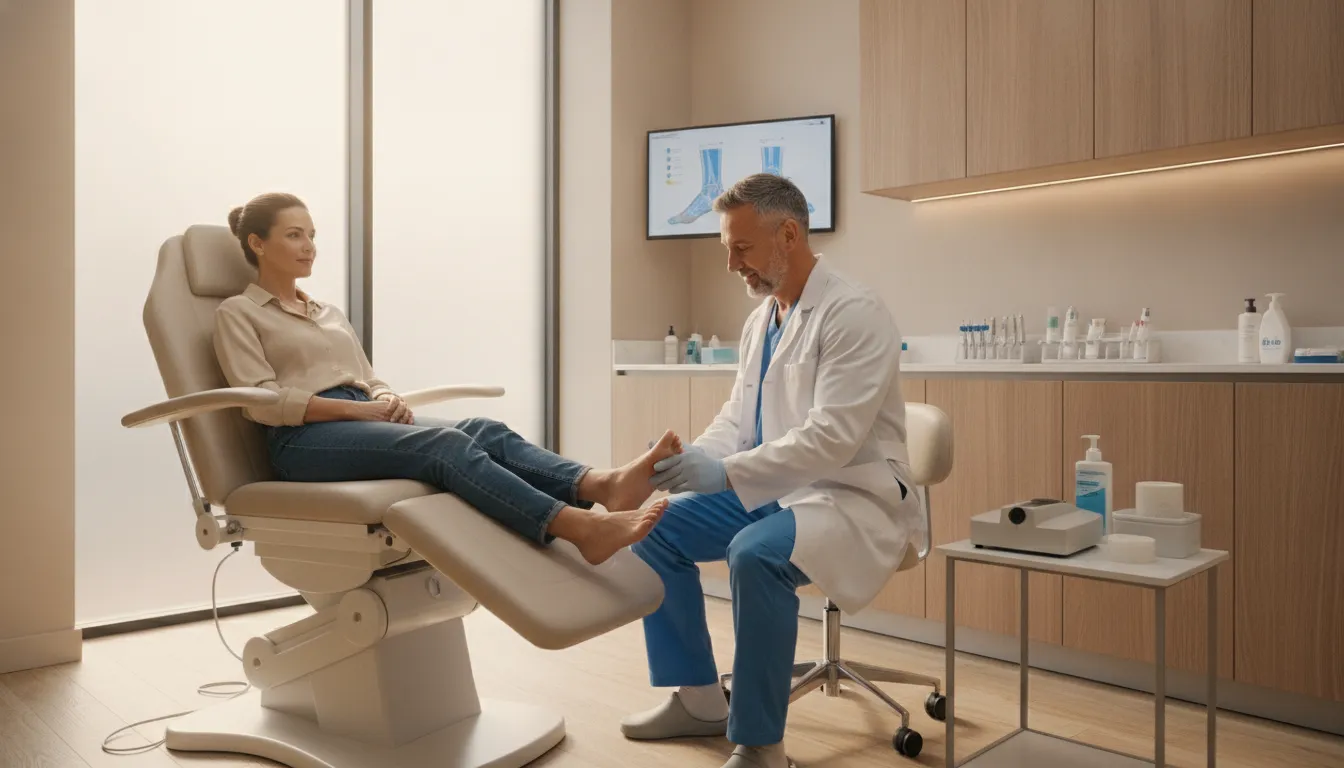
The journey begins with a private meeting to learn about your pain and goals. We look at how you walk and where it hurts the most. This first visit helps us find out if a thin fat pad is the cause of your pain. We use this time to build a plan that fits your life. Dr. Singh will explain how fat pad augmentation with Liposana can help restore the cushion you have lost. This plan covers the day of your visit and the weeks after you leave the office.
- First exam and gait check: Your first step is a full check of your feet. We look for signs of thin tissue and areas where your bones lack cover. This helps us see if you are a good fit for regenerative foot treatments that fix the root of your pain.
- Custom care planning: Once we find the cause, we create a plan just for you. We talk about the best options for your foot type and your active life. This plan includes the type of filler or tissue we will use and what your healing will look like.
- The cushioning treatment: On the day of your visit, we perform the work in our office. We use local numbing to keep you at ease during the process. We then add the new cushion to the ball or heel of your foot to replace lost volume.
- Immediate aftercare: After the work is done, you will spend a short time resting. Most people can walk out right away, but you may need a special shoe or pad for a few days. We give you clear rules on how to care for your foot at home.
- Healing and follow-up: In the weeks that follow, your body begins to blend with the new tissue. You will come back for a quick check to make sure everything is healing well. We track your progress to ensure you stay on the path to full comfort.
- Return to full activity: The final step is getting back to the things you love. You will slowly add more stress to your feet as they get stronger. Most patients see a big change in pain and a better life during this stage.
The healing phase
Healing is often fast because the process is not like old surgery. Most patients can walk on the same day as their visit. You should follow all care rules to get the best results for your foot. Research shows that about 84% of patients report big relief in pain after this type of work. This high rate of success makes it a great choice for those who want to avoid big surgery. Your new cushion will help your feet absorb shock and protect your bones with every step.
Long term results and return to motion
Every person heals at their own pace, so we stay close to you during this time. Some may feel better in just a few days. Others take a few weeks to feel the full change. We use tools like red light or laser therapy to help speed up the healing process. These extra steps ensure that your feet stay healthy and strong for a long time. Our team is here to answer any questions you have as you get back to your active life.
What are the potential benefits and limitations?
Expected benefits for foot health
Fat pad augmentation foot care offers a way to restore the cushion you may have lost over time. As we age, the fat pads on the soles of our feet can thin out. This loss makes walking on hard floors feel like walking on bone. By adding new tissue to these areas, doctors can help you stand and move with less pain. Many people find that this extra padding makes their favorite shoes feel good again. It lets them enjoy daily tasks without the constant sting of sore feet.
The main goal of this care is to help you return to an active life. When your feet have enough padding, they can absorb the shock of each step. This help is key for the small bones in your feet. Data from the National Institutes of Health shows that about 84 in 100 patients feel better after the care. You can learn more about how we help patients stay active on our services page.
Limits and how long it lasts
While this treatment helps many, it does have some limits. The key thing to know is that results can change for each person. The body may absorb some of the added fat over several months. This means the padding might not stay at the same thickness forever. Your doctor will talk with you about what to expect based on your foot shape and health. Some people have fat that lasts for years, while others may see it fade sooner.
The way you move also affects how long the benefits last. People who stand for long shifts or run long distances may put more stress on the new tissue. It is not a fix that works for every person in just one visit. Some patients may need a second visit to reach the level of comfort they want. This care is often a self-pay service. Many health plans do not cover regenerative foot care yet. It is best to talk with the office about the price before you book your visit.
Safety, costs, and ongoing care
Every medical choice has risks, but they are usually small for this care. Since it is done in the office with local medicine to numb the area, you stay awake. This helps you avoid the risks of being put to sleep for surgery. Some people may have minor swelling or bruising for a few days. Rare issues like infection or small scars can happen. It is vital to follow all the steps your doctor gives you to keep the area clean.
Your choices after the visit are just as vital as the care itself. You will still need to wear shoes that support your feet. It is also vital to manage how much weight you put on your feet each day. Using soft pads or inserts can help protect the new padding while it settles. Dr. Singh will guide you on how to care for your feet at home. Following these steps helps the tissue stay in place and keeps you moving. As Dr. Singh says, life is motion and motion is life.
Frequently Asked Questions
How long does foot fat pad augmentation last?
Medical tests show that many patients see results that last for one to two years. The exact time depends on the tools used and how active you are. These treatments use new methods to fix the lost cushion in the ball of the foot. According to the National Institutes of Health, about 84 percent of patients report great pain relief. Regular check-ups can help you keep these results for a longer time.
Is fat pad augmentation permanent?
Fat pad augmentation is not usually a lasting fix because the foot still ages. The cushion can break down over time due to the weight and pressure of walking. However, the treatment provides a long-term way to manage pain without major surgery. Using new tools like Liposana helps fix the natural pads in your feet. This care focuses on fixing the cause of the pain rather than just hiding it with shots that can harm your foot over time.
What is the recovery time for foot fat pad grafting?
Most patients can walk right away after a minor foot cushion treatment. Since these sessions are often done in the office with local numbing, the time to heal is much shorter than major surgery. You may need to wear a special shoe or limit hard sports for a few weeks to let the area heal. According to the Comprehensive Foot and Ankle Institute, these modern methods allow for a quick return to your daily life.
Does insurance cover fat pad augmentation?
Insurance for foot cushion treatments depends on your plan and why you need care. Many new treatments are seen as elective and may need you to pay for them yourself. It is best to check with your provider to see if they cover metatarsalgia care or new injections. The team at a local foot clinic can help you find out what your plan pays for. They can also talk about costs during your first visit to help you plan your care.
Ready to find relief from ball of foot pain?
Leaving ball of foot pain alone can lead to big issues over time as every step causes harm to the bone and nerves. This often makes daily tasks hard to do and slows down your active life, but you do not have to live with this pain. Starting care now means you can get back on your feet sooner and avoid long periods of rest or more complex surgery later on. Our team can help you fix that vital cushion and protect your feet for the future with our regenerative podiatric treatments that keep patients active. Taking action today will help you stay healthy and keep you moving with ease for many years to come as you return to your routine.
Ready to request an appointment? Call +1 (331) 444-6569 to request an appointment.