



Heel pain that lingers after rest, stretching, supportive shoes, or other conservative care can make every step feel like a decision. Chronic plantar fasciitis is not simply an inconvenience for athletes or active adults; it can limit work, exercise, and the routines that keep life moving.
PRP for plantar fasciitis uses a concentrated sample of your own platelets to support healing in injured plantar fascia tissue. It is a minimally invasive, non-surgical option that may be considered when persistent heel pain has not improved with standard care. Although candidacy and expected results vary by patient.
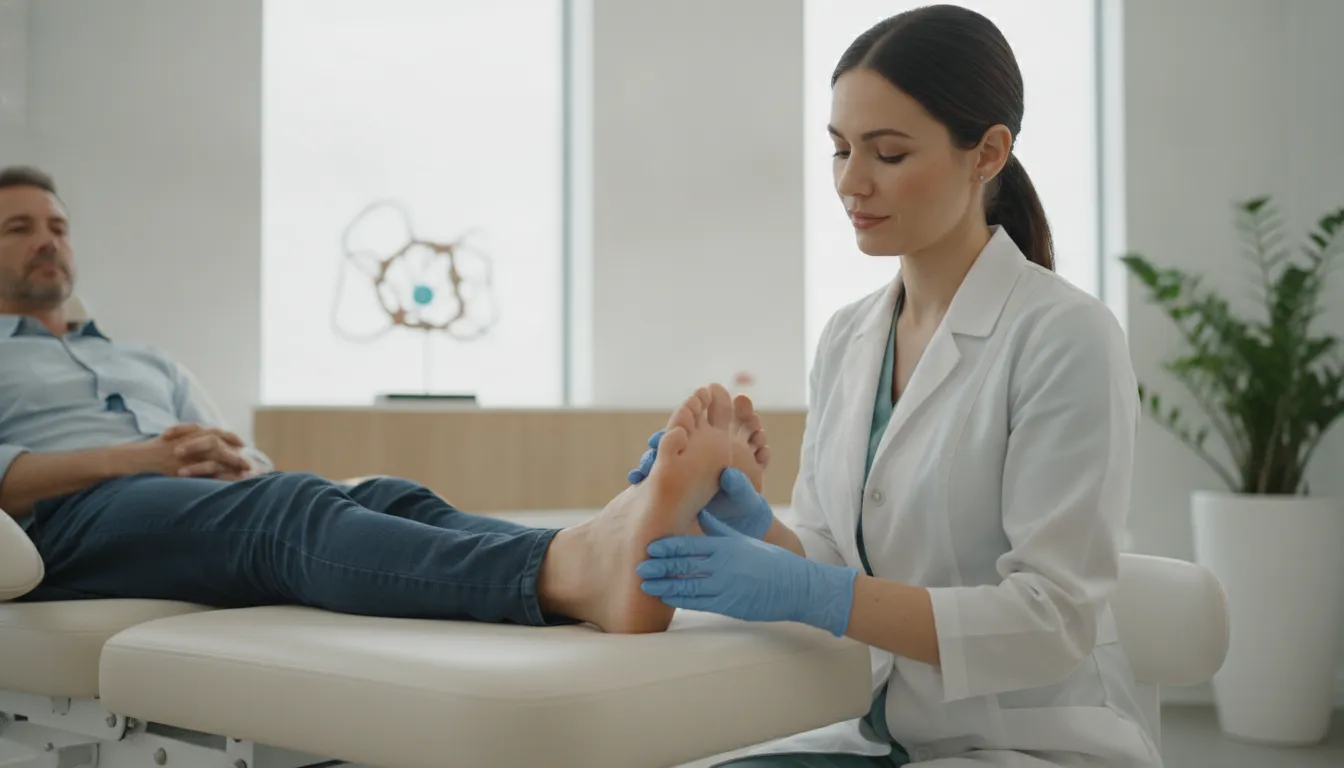
At Comprehensive Foot and Ankle Institute, Dr. Sutpal Singh evaluates the source of your pain and discusses whether regenerative treatment fits your condition and goals. The approach may involve precise, in-office care and a plan designed around returning to comfortable movement. Understanding how PRP works is the first step.
Schedule a personalized heel pain consultation
What Is PRP for Plantar Fasciitis?
PRP, or platelet-rich plasma, is a regenerative injection made from a small sample of your own blood. After the sample is processed to concentrate the platelets, the platelet-rich portion is delivered into the injured area of the plantar fascia. Platelets contain signaling proteins that may help coordinate the body’s natural repair response in damaged tissue. Johns Hopkins Medicine describes PRP as a way to concentrate a patient’s own platelets to support healing in injured tendons, ligaments, muscles, and joints.
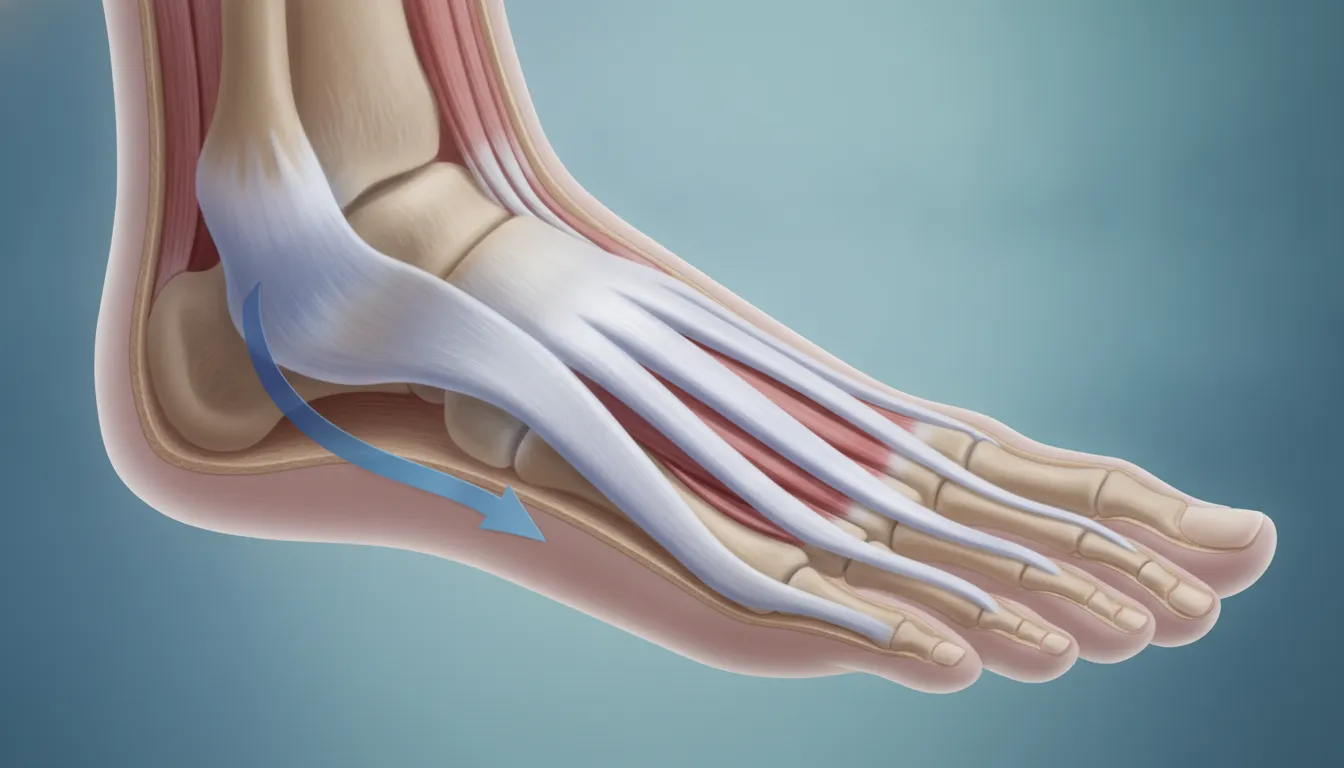
Plantar fasciitis involves irritation and degeneration of the strong band of tissue running along the bottom of the foot. When heel pain persists, the goal is not simply to make the pain quieter for a few hours or days. The goal is to evaluate the damaged tissue and determine whether a regenerative approach is appropriate. PRP for plantar fasciitis is intended to support healing at that site, rather than replace a careful diagnosis or guarantee a particular result.
How PRP Differs From a Steroid Injection
A corticosteroid or cortisone injection may reduce inflammation and pain, which can be useful in selected situations. However, symptom relief does not necessarily repair the underlying plantar fascia. Steroid injections are generally used to calm symptoms temporarily, while PRP is designed to stimulate the body’s regenerative processes in the injured tissue. The distinction matters for patients with chronic heel pain who want to discuss an approach focused on tissue recovery instead of repeated symptom masking. Research and treatment decisions should be reviewed with a qualified clinician because the right option depends on the individual’s examination, history, and goals.
At Comprehensive Foot and Ankle Institute, Dr. Sutpal Singh brings a regenerative-medicine focus to foot and ankle care. His approach is doctor-led and personalized, with the aim of helping patients return to the activities that matter to them. You can review the practice’s regenerative and minimally invasive services or learn more about Dr. Singh’s experience and credentials.
Key Point: PRP uses a patient’s own concentrated platelets and injects them into the affected plantar fascia to support the body’s natural healing response. Unlike a steroid injection, which primarily targets short-term symptom relief, PRP is intended to address the injured tissue itself. A consultation is needed to determine whether it fits your condition and treatment plan.
How PRP Compares to Cortisone and Steroid Injections
Patients with long-standing heel pain are often offered a cortisone or corticosteroid injection at some point in their care. Because those injections are common, many people wonder how PRP fits alongside them and whether one approach lasts longer than the other. The comparison matters because the choice can shape both the short-term experience and the longer-term outlook for the plantar fascia.
| Consideration | Corticosteroid / Cortisone | PRP Injection |
|---|---|---|
| Primary approach | Reduces inflammation and temporarily calms symptoms | Uses the patient’s own platelets to support tissue healing |
| Typical focus | Symptom relief, may not repair underlying tissue | Stimulates the body’s regenerative response in the injured plantar fascia |
| How it is given | Injection, often in the office | In-office injection, frequently under ultrasound guidance |
| Expected timing of benefit | Often fairly quick but can be temporary | May develop gradually over weeks as tissue responds |
| Repeat use | Frequent repeats are usually limited due to cumulative concerns | Determined by the treating physician and response to care |
Clinical research has compared PRP with corticosteroid injections for chronic plantar fasciitis. In a study published in the medical literature, patients treated with PRP reported notable reduction in heel pain and improved functional outcomes compared with those receiving corticosteroid injections. A separate body of evidence reviewed in an analysis of PRP versus corticosteroids found PRP may be more effective in the long term, with fewer side effects. Findings like these should not be read as a guarantee. They are reasons to discuss the evidence, your history, and the details of the plantar fascia condition with a qualified foot and ankle specialist.
In short: PRP is often framed as a regenerative alternative that addresses the tissue, while a cortisone injection is more commonly described as short-term symptom control. The right option depends on the individual condition and goals, which is exactly why a doctor-led consultation is valuable for chronic heel pain.
Who Is a Good Candidate for PRP for Plantar Fasciitis?
PRP is not the first treatment a patient tries. It is usually considered for chronic plantar fasciitis when appropriate conservative care, such as physical therapy, stretching, footwear changes, or orthotics, has not resolved the pain. A foot and ankle specialist first confirms the diagnosis and rules out other sources of heel pain before recommending any injection.
- Persistent symptoms: Heel pain has continued for weeks or months despite conservative management.
- No clear alternative diagnosis: The examination points to plantar fascia irritation rather than another cause of heel pain.
- Focus on tissue healing: The patient wants to discuss a regenerative approach rather than repeated symptom masking.
- Active or ambitious lifestyle: Athletes and active adults seeking a non-surgical path back to running, sports, or demanding work often explore PRP.
- Surgical avoidance: Patients who want to consider an in-office option before surgery may discuss PRP first.
PRP is not appropriate for everyone. Some health conditions, blood disorders, or individual circumstances may make an injection less suitable. During a consultation, Dr. Sutpal Singh reviews the patient’s history, symptoms, activity goals, and prior treatments before making a recommendation. The practice’s concierge, doctor-led model means the evaluation is personalized rather than a rushed, high-volume clinic experience.
Key Point: The best candidates are generally patients with chronic plantar fasciitis that has not improved with conservative care, who want a non-surgical, tissue-focused option. Candidacy is confirmed only after an individualized evaluation because every case differs.
What to Expect During a PRP Injection Appointment
Because PRP is performed in the office, the appointment is typically straightforward and does not require a hospital stay. The exact steps depend on the treating physician’s protocol and the findings from your examination, but patients can generally expect a clear, personalized process.
- Discussion and preparation: The care team explains the procedure, reviews risk factors, and addresses any questions before starting.
- Blood draw: A small sample of your blood is collected.
- Processing the sample: The sample is processed to concentrate the platelets and separate the platelet-rich plasma.
- Targeting the area: The physician identifies the appropriate spot on the plantar fascia, often using ultrasound guidance for precision.
- Injection: The platelet-rich plasma is injected under local anesthesia to help manage comfort during the procedure.
- Aftercare guidance: You receive instructions on walking, activity, and what to expect in the days after the injection.
Because the procedure is non-surgical and performed in the office under local anesthesia, most patients can walk as comfort allows afterward and typically do not need prolonged rest. The practice emphasizes minimal downtime and immediate mobilization when clinically appropriate. The doctor-led process at Comprehensive Foot and Ankle Institute is designed around personalized attention, clear communication, and a plan that supports your return to comfortable movement.
Key Point: A PRP appointment is an in-office procedure using ultrasound guidance and local anesthesia, with minimal downtime. Most patients can walk as comfort allows and receive individualized aftercare instructions.
Recovery Timeline and What PRP Results to Expect
PRP is designed to support the body’s healing response, so improvement is usually gradual rather than immediate. Instead of simply masking heel pain, the treatment is intended to address the stressed or degenerative plantar fascia over time. Many people begin to notice improvement within roughly four to six weeks. Although the pace and degree of change depend on the individual injury, activity level, and overall health.

Quick answer: After PRP for plantar fasciitis, most patients can walk as comfort allows and typically do not need prolonged rest or a hospital stay. Symptoms may change gradually, with early improvement often appearing around four to six weeks. Your treatment plan and results should be evaluated individually with a qualified foot and ankle physician.
Typical recovery milestones
- Immediately after treatment: PRP is performed in the office with local anesthesia. Once the appointment is complete, patients can generally begin walking as comfort allows, following the specific instructions provided by the care team.
- First several days: The heel may feel tender or temporarily more sensitive as the tissue responds to treatment. Gentle movement is often more appropriate than pushing through pain, and high-impact activity may need to be reduced.
- Weeks two to four: Daily comfort and walking tolerance may begin to improve for some patients. Progress can be uneven, so a quiet day does not necessarily mean treatment has failed, and a better day does not mean the tissue is fully recovered.
- Around four to six weeks: Many people begin to see meaningful improvement during this window. Activities can often be advanced gradually when symptoms and the treating physician’s guidance support that progression.
- Beyond six weeks: Healing and functional gains may continue to develop. Follow-up helps determine whether additional regenerative support, activity adjustments, or complementary care should be considered.
Why patience matters with regenerative care
Because PRP works through tissue-healing processes, it does not function like a numbing treatment that promises instant relief. The goal is to help the plantar fascia become more capable of tolerating normal movement, exercise, and daily demands. Patients seeking care in Hoffman Estates and throughout the northwest Chicago suburbs may benefit from a doctor-led plan that considers footwear. Activity, biomechanics, and other contributors to recurring heel pain alongside the injection.
Some patients return to active lifestyles as their pain and function improve, consistent with the practice philosophy that Life is Motion and Motion is Life. However, everyone heals differently. Results vary, and PRP is not a guarantee of complete symptom resolution. A personalized evaluation with Dr. Singh can help clarify a reasonable timeline and whether PRP fits your goals. Learn more about the practice’s regenerative services.
How PRP Fits a Broader Regenerative Care Plan
PRP is not always a stand-alone answer for persistent heel pain. At Comprehensive Foot and Ankle Institute, Dr. Sutpal Singh evaluates the condition, activity goals, and response to previous care before building a personalized plan. That plan may combine PRP with other regenerative approaches when clinically appropriate. With the goal of supporting healing and helping patients return to the activities that give life momentum.
Combining complementary therapies
Class IV laser therapy may complement PRP by supporting the body’s healing response and helping address inflammation in the heel. The practice describes combining regenerative techniques such as PRP and Class IV laser therapy as part of a tailored protocol for stubborn foot and ankle conditions. A patient may also discuss shockwave therapy, including regenerative treatments like PRP for plantar fasciitis, depending on the source of pain and examination findings.
For cases that remain especially persistent or complex, Dr. Singh may discuss additional options, including advanced PRP and stem cell injections. These treatments are not automatically appropriate for every patient. A careful evaluation helps determine whether a combination makes sense, what sequence to use, and what expectations are reasonable.
- PRP: Uses a concentration of the patient’s own platelets to support healing in injured tissue.
- Class IV laser therapy: May be used alongside PRP as part of a broader approach to heel tissue and inflammation.
- Shockwave therapy: May be considered when persistent plantar fascia symptoms need another non-surgical treatment strategy.
- Stem cell injections: May be discussed for selected stubborn or complex cases after an individualized assessment.
Keeping treatment connected to your life
The objective is not simply to make a treatment plan look advanced. It is to help you move more comfortably and participate in work, exercise, sports, and everyday activities. The practice’s philosophy, “Life is Motion and Motion is Life,” reflects that focus. Regenerative care may support a return to an active lifestyle, although timing and results vary with the condition, health history, and response to treatment. For related causes of heel pain, review these PRP options for chronic heel pain.
In short: PRP can serve as one part of a doctor-led regenerative plan. At a concierge practice, the next step may involve PRP alone or a combination with laser, shockwave, or other therapies based on your examination and goals.
Schedule a heel pain consultation
Frequently Asked Questions
Is PRP therapy considered surgery for plantar fasciitis?
No. PRP is a minimally invasive injection performed in the office, typically with local anesthesia. It does not require a hospital stay or the incisions, hardware, and extended recovery associated with traditional surgery. The injection can be precisely directed toward the injured plantar fascia with ultrasound guidance when clinically appropriate. Learn more about regenerative foot and ankle services.
How painful is PRP for plantar fasciitis?
Some patients feel pressure, a brief pinch, or temporary soreness at the injection site. Comfort varies based on the condition of the tissue and individual sensitivity. Your clinician can explain the numbing and aftercare options used during your appointment. Walking is generally allowed as comfort permits, but your recovery instructions should be individualized to your examination and response.
Who may be a candidate for a PRP injection?
PRP may be considered for people with chronic plantar fasciitis or heel pain that has not improved with appropriate conservative care, such as physical therapy or orthotics. A foot and ankle specialist should first confirm the diagnosis and review your symptoms, medical history, activity goals, and previous treatments. PRP is not appropriate for every patient, and a consultation is the best way to determine whether it fits your care plan. Mayo Clinic discusses PRP candidacy.
When should I expect improvement after PRP?
PRP is intended to support the body’s healing response, so improvement may develop gradually rather than immediately. Some patients notice changes over the weeks following treatment, while others need additional time or complementary care. Your clinician may recommend a broader regenerative plan, such as Class IV laser therapy, along with activity guidance and follow-up. Results vary, so avoid assuming that one timeline applies to everyone.
Ready to Explore PRP for Plantar Fasciitis?
A consultation can help clarify whether PRP fits your plantar fasciitis history, symptoms, and goals for returning to comfortable movement. Dr. Singh can discuss your options within a personalized, regenerative care plan and answer questions about the next step.