



Heel pain can make the first steps of the day feel harder than they should, especially when every walk, workout, or shift keeps irritating the same area. An X-ray may show a heel spur, but the spur is not always the source of the pain. Many people have heel spurs without symptoms, while irritation of the plantar fascia or nearby tissues is often the real problem.
Effective heel spur treatment starts with identifying what is causing the pain, then matching care to the condition. Depending on your evaluation, non-surgical options may include stretching, custom support, SoftWave shockwave therapy, and Class IV laser therapy to address pain and tissue irritation while preserving your activity.
Schedule heel spur treatment at Comprehensive Foot and Ankle Institute in Hoffman Estates today.
A careful examination, and imaging when appropriate, can clarify whether the spur is incidental or part of a broader heel pain pattern. Understanding that distinction makes the next treatment decision more precise.
What Is a Heel Spur and Why Does It Cause Pain?
A heel spur is a bony growth that develops on the heel bone. It may appear as a small piece of bone projecting from the heel on an X-ray. Although the image can look concerning, the spur itself is not always the source of pain. In fact, many people have heel spurs without experiencing any heel pain at all. Cleveland Clinic explains that many people with heel spurs have no heel pain.
The tissue around the spur often matters more
Heel pain more commonly involves irritation or inflammation of the plantar fascia, the thick band of tissue that connects the heel bone to the toes. This condition is called plantar fasciitis. Repeated stress on the plantar fascia can cause pain where the tissue attaches near the heel. The spur may develop in the same area over time, but it can be a sign of ongoing stress rather than the primary cause of discomfort.
That distinction matters when considering heel spur treatment. Removing a bony growth without identifying the condition affecting the surrounding tissue may not address the reason your heel hurts. A careful evaluation looks at the location and pattern of pain, foot mechanics, activity demands, and the condition of the plantar fascia before a treatment plan is recommended.
How a heel spur is diagnosed
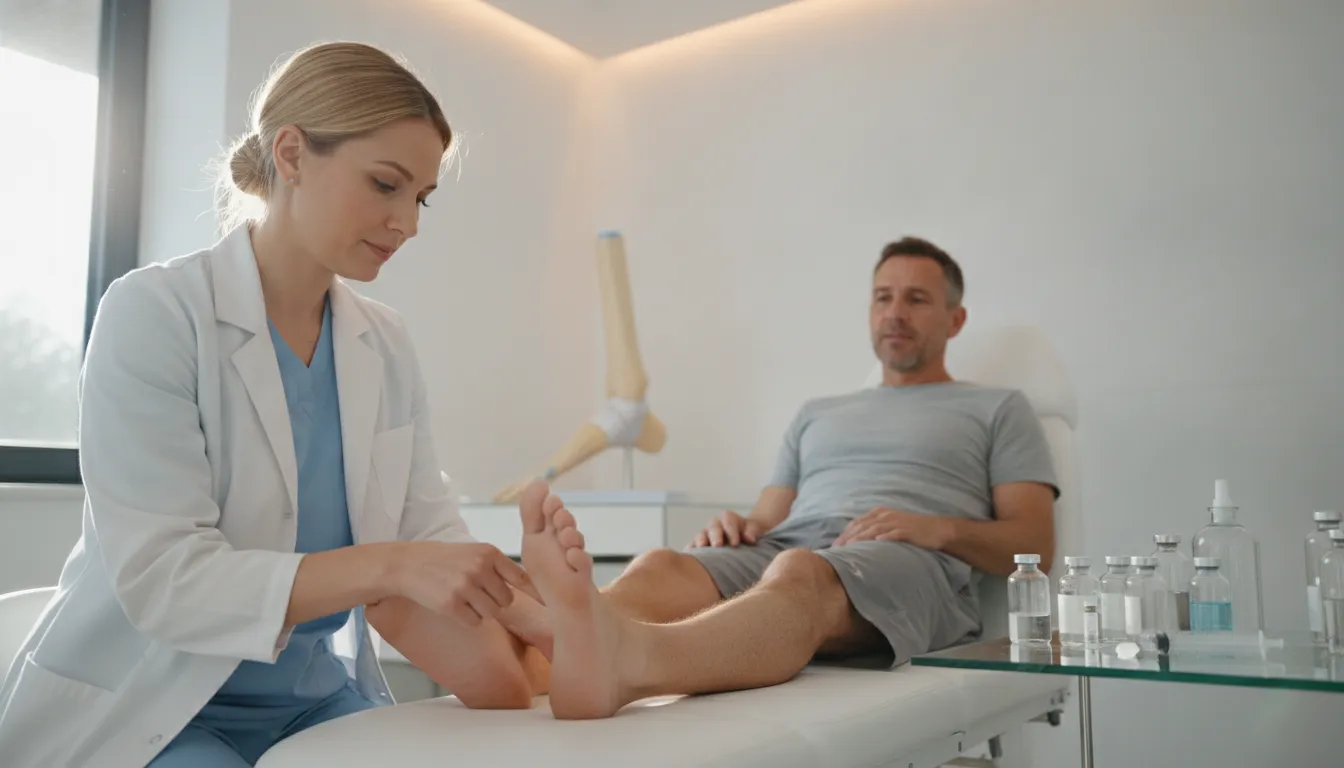
Diagnosis begins with your medical history and a focused physical examination. Dr. Sutpal Singh, DPM, FACFAS, FAPWCA, can assess where you feel tenderness, how your foot moves, and whether the pain pattern fits plantar fasciitis or another condition. An X-ray may be used to identify a heel spur or rule out other bone-related concerns. Depending on the findings, additional imaging may be considered.
In a concierge, doctor-led setting, this evaluation is designed around your goals and daily activities rather than an image alone. It clarifies whether the spur is incidental, whether the plantar fascia is involved, or whether another source of heel pain needs attention.
What This Means for You: A heel spur found on an X-ray does not automatically mean it must be treated. Effective heel spur treatment starts with identifying the true source of your pain, and a thorough evaluation is the best first step.
Heel Spur vs Plantar Fasciitis: How to Tell the Difference
Heel spurs and plantar fasciitis are often mentioned together, but they are not the same diagnosis. A heel spur is a bony outgrowth that may appear on an X-ray. Plantar fasciitis involves inflammation of the thick plantar fascia, the band of tissue that runs from the heel bone toward the toes. The distinction matters because the visible spur may not be the source of your discomfort.
In fact, many people have heel spurs without any pain. When heel pain is present, it often relates more closely to irritation of the plantar fascia and the surrounding tissues than to the bony growth itself. A careful examination considers your symptoms, foot mechanics, activity level, and imaging rather than assuming that every spur requires removal.
| Feature | Heel spur | Plantar fasciitis |
|---|---|---|
| What it is | A bony projection that develops on the heel bone, often in association with long-term stress around the plantar fascia. | Inflammation or irritation of the plantar fascia, the strong tissue band connecting the heel bone to the toes. |
| Main symptom | It may cause no symptoms at all. If discomfort is present, the spur may not be the primary pain generator. | Sharp or stabbing pain near the heel, commonly most noticeable with the first steps after waking or resting. |
| What shows on imaging | An X-ray can show the bony outgrowth. The image alone does not establish that it is causing pain. | The fascia may not be fully explained by a routine X-ray. Diagnosis commonly relies on the history and physical examination, with imaging used when appropriate. |
| Typical treatment focus | Address the painful tissues and contributing mechanics rather than treating an incidental spur automatically. A specialist may discuss non-surgical options before considering a procedure. | Reduce irritation and support tissue recovery through an individualized plan. Stretching, activity modification, orthotics, and advanced options may be considered based on the case. |
This is why effective heel spur treatment begins with identifying what is actually generating pain. If the clinical picture points to plantar fascia irritation, treatment may focus on the tissue rather than the bone. For a closer look at one drug-free approach, read about shockwave therapy for plantar fasciitis. Persistent pain, worsening symptoms, numbness, or difficulty walking warrants an evaluation rather than self-diagnosis based on an X-ray finding alone.
Modern Heel Spur Treatment: How SoftWave Shockwave Therapy Works
When heel pain persists after stretching, icing, activity changes, or other conservative measures, a modern evaluation helps identify the true source of the pain. If the clinical picture fits chronic plantar fascia-related heel pain, extracorporeal shock wave therapy, also called ESWT, may offer a non-surgical next step. Mayo Clinic describes ESWT as directing sound waves at the area of heel pain to stimulate healing when more-conservative treatment has not provided enough relief.
How sound-wave therapy supports healing
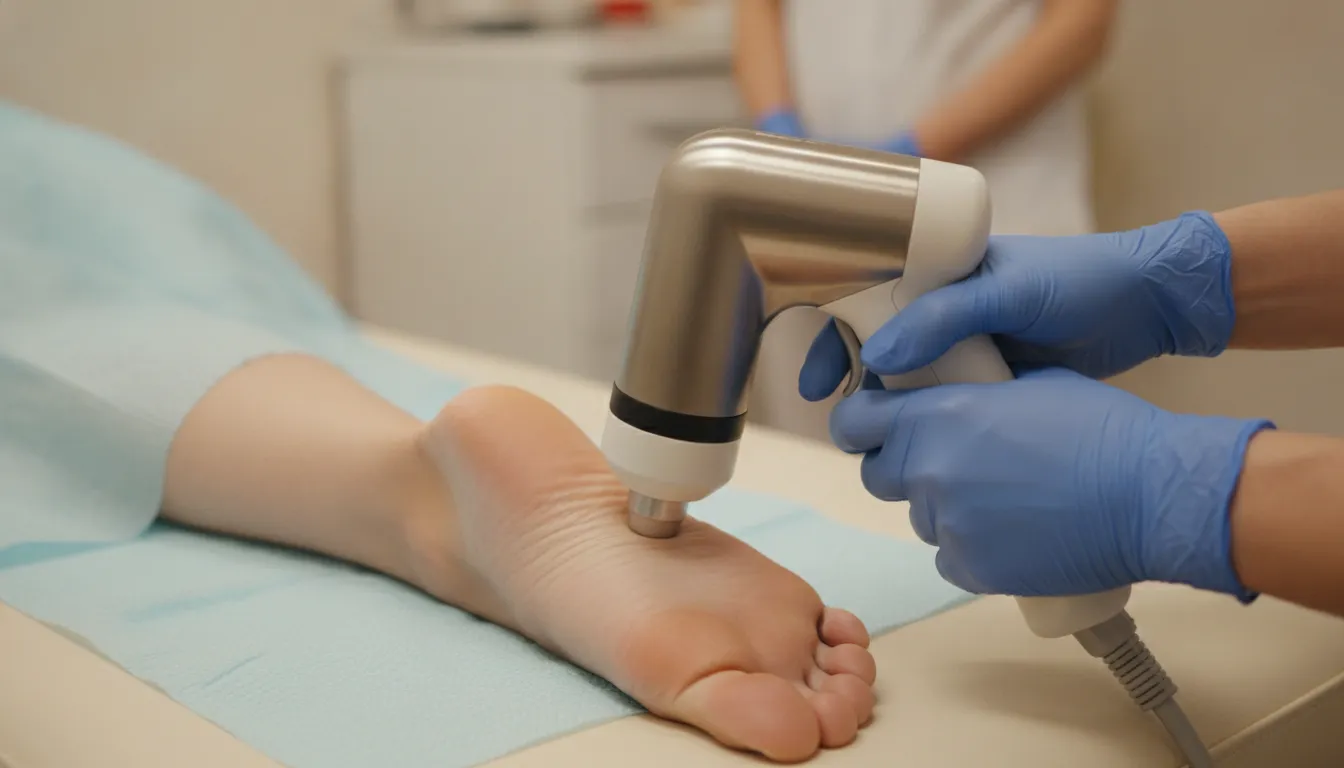
SoftWave shockwave therapy uses focused acoustic energy at the treatment area rather than a medication or incision. The sound waves are delivered through the skin to the tissues around the heel. This mechanical stimulus is intended to support the body’s healing response in an area that may have remained irritated over time. It does not physically dissolve or remove a bony spur. Instead, treatment is directed at the painful soft-tissue environment that may be contributing to symptoms.
That distinction matters because a heel spur is not always the true source of pain. A careful examination helps determine whether SoftWave is appropriate or whether a different plan is needed.
Why SoftWave is a drug-free, non-invasive option
SoftWave is drug-free because it uses acoustic energy rather than an oral medicine, steroid, or injection. It is non-invasive because energy is applied externally, with no incision, implant, or hardware. That makes it an option for patients seeking tissue-focused care while limiting medication or avoiding surgery when clinically reasonable.
A fit for active patients
Heel pain can interfere with walking, training, work, and everyday movement. A non-surgical approach appeals to active patients who want a plan centered on preserving mobility. At Comprehensive Foot and Ankle Institute, SoftWave shockwave therapy is part of an advanced, doctor-led regenerative treatment approach. Dr. Sutpal Singh can assess the source of your pain and discuss whether this therapy belongs in a broader plan for returning to comfortable activity.
Class IV Laser Therapy and Other Drug-Free Relief Options
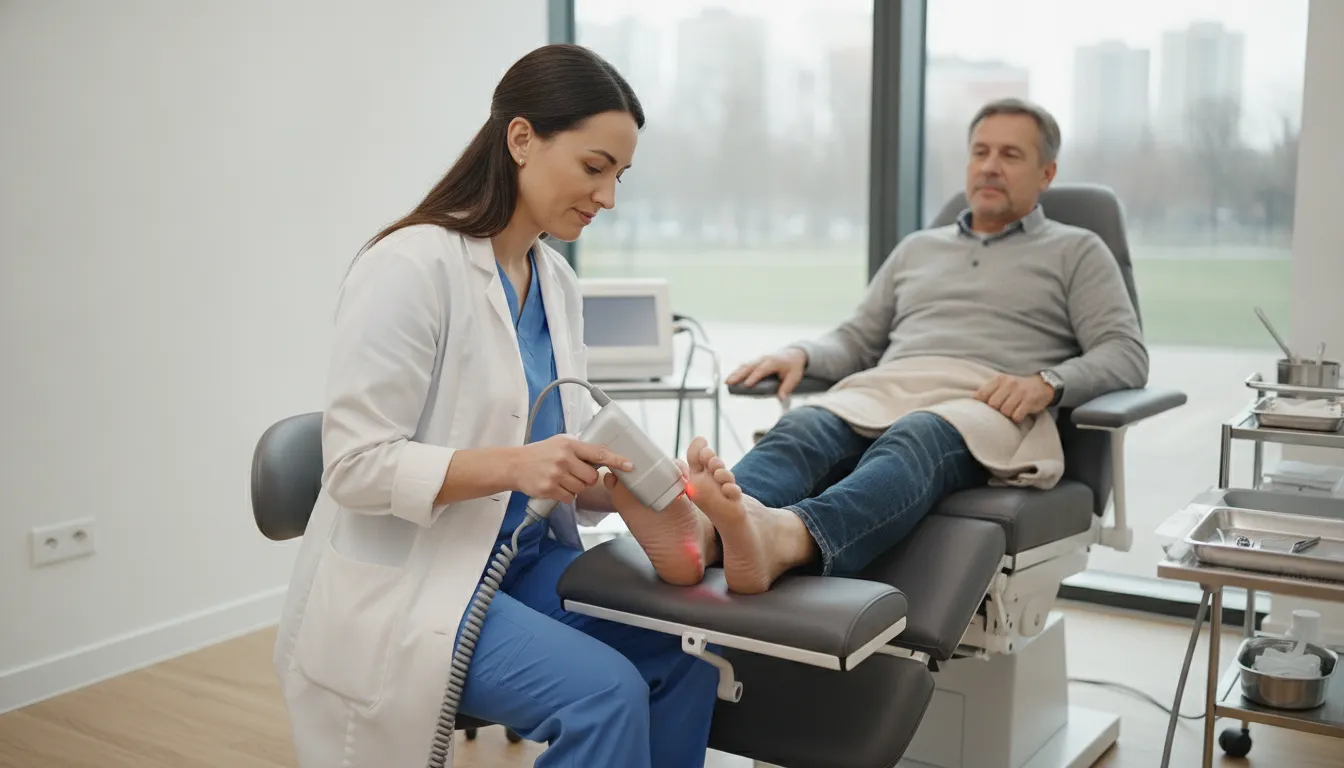
When persistent heel pain continues despite activity changes and supportive footwear, a doctor may consider non-invasive options without medication or surgery. Class IV laser therapy is one approach used in the office to address painful soft tissue around the heel. It delivers therapeutic light energy to the treatment area, with the goal of supporting circulation, reducing inflammation, and promoting the body’s healing response.
How Class IV laser therapy fits into care
Class IV laser therapy may be considered when heel pain is interfering with walking, exercise, or daily activities. Because heel pain can have several causes, treatment should follow an evaluation rather than assuming an X-ray finding is the source of symptoms.
At Comprehensive Foot and Ankle Institute, Class IV laser therapy is part of a broader regenerative treatment approach. Dr. Sutpal Singh can assess the location and pattern of pain to determine whether laser therapy fits an individualized plan. The treatment is non-invasive and does not require an incision, hospitalization, or a recovery period associated with traditional surgery. Results and timing vary by patient, so the goal is to support healing and function, not to promise a guaranteed cure.
Red light therapy as another supportive option
Red light therapy is another in-office regenerative option used to support recovery. Like laser-based treatment, it is intended to help create a more favorable environment for tissue healing without adding a prescription drug or surgical intervention. Its role depends on the diagnosis, symptom duration, activity demands, and other findings from the clinical examination.
To learn more about this treatment approach, read about Class IV laser therapy for foot and ankle conditions. A doctor-led plan may combine a drug-free modality with activity modification, stretching, orthotic support, or another appropriate treatment when needed. The goal is practical: reduce limitations from heel pain while preserving your ability to stay active.
Ready to explore non-surgical heel spur treatment? Schedule an appointment with Dr. Sutpal Singh.
When Home Care Is Not Enough: Seeing a Specialist for Heel Spur Treatment
Many cases of heel pain improve with consistent conservative care, especially when the irritation involves the plantar fascia. Begin by icing the painful area for short intervals, then use gentle stretches for the plantar fascia and Achilles tendon. Reducing or temporarily modifying activities that increase pain can give irritated tissue time to settle without requiring complete inactivity.
Practical measures to try first
- Stretch regularly: Gentle plantar fascia and calf stretches can reduce tension through the heel and ankle. Avoid forcing a stretch into sharp pain.
- Support the foot: Off-the-shelf or custom orthotics may redistribute pressure more evenly across the foot, depending on your structure and symptoms.
- Consider a night splint: A night splint holds the plantar fascia and Achilles tendon in a lengthened position overnight, which may help with pain during the first steps in the morning.
- Adjust painful activity: Temporarily reduce running, jumping, prolonged standing, or other activities that consistently reproduce symptoms.
These measures are reasonable first steps, but they should not become a substitute for diagnosis when pain persists. A heel spur seen on an X-ray does not necessarily identify the source of symptoms. For background on symptoms and possible causes, review this comprehensive heel pain assessment.
When to schedule an evaluation
Consider seeing a foot and ankle specialist when home care has not produced meaningful improvement, pain limits walking or exercise, symptoms repeatedly return, or the diagnosis remains uncertain. A complete evaluation can assess your walking mechanics, tenderness, range of motion, nerve function, and the relationship between the spur and surrounding tissues. The findings help determine whether continued conservative care, a doctor-guided regenerative option, or another treatment deserves consideration.
At Comprehensive Foot and Ankle Institute, Dr. Sutpal Singh takes a doctor-led, individualized approach rather than treating every heel complaint the same way. The goal is a clear explanation of what may be causing your pain and a treatment plan suited to your foot, activity level, and recovery priorities, without promising a particular outcome.
Beyond the Spur: Regenerative and Minimally Invasive Options
When stretching, activity changes, supportive footwear, and advanced non-surgical therapies have not provided enough relief, the next step is not automatically traditional surgery. A careful evaluation can identify whether the pain is coming from irritated plantar fascia, reduced heel cushioning, or another problem. Treatment should match the tissue involved, the duration of symptoms, and your activity goals.
Regenerative injections that support the affected tissue
Regenerative care may include platelet-rich plasma (PRP), which uses concentrated components from your own blood and is injected into a tender area to support tissue healing. PRP is not appropriate for every patient, and outcomes depend on the diagnosis and other health factors. A physician should explain the potential benefits, limitations, risks, and expected recovery before recommending it. The Mayo Clinic describes PRP as one option for plantar fasciitis that has not improved with more conservative care: learn more about heel spur symptoms, causes, and treatment.
Depending on the findings, Comprehensive Foot and Ankle Institute may also discuss fat pad injections using Liposona to address diminished cushioning beneath the heel. BPC-157 peptides are another regenerative option included in the practice’s treatment approach. These therapies should be considered as part of a personalized plan, not as guaranteed solutions or substitutes for diagnosis.
Corticosteroid injections may be discussed selectively, but repeated shots require caution. Multiple injections can weaken the plantar fascia and may increase the risk of rupture, according to the Mayo Clinic. That risk is one reason a doctor-led plan should consider tissue preservation rather than relying on repeated temporary interventions.
What This Means for You: Regenerative care at Comprehensive Foot and Ankle Institute is matched to the tissue involved and your personal goals, not a one-size-fits-all protocol. A doctor-led plan considers tissue preservation before considering surgery.
When minimal-incision surgery becomes reasonable
Surgery is generally reserved for persistent cases that remain unresponsive after appropriate conservative and regenerative measures. When clinically indicated, the practice’s minimal-incision approach uses precise instruments through a very small opening to address the bony prominence. Procedures are performed in-office under local anesthesia, without hospitalization, and may allow immediate walking when appropriate for the individual case.
For patients who need a procedural option, the approach is designed to avoid screws, plates, and other internal hardware when the procedure allows. Read more about minimally invasive spur removal, then discuss whether it fits your diagnosis and goals with Dr. Singh.
Still unsure what is driving your heel pain? Contact our office to get started.
Frequently Asked Questions
What is the best non-surgical treatment for heel spurs?
The right approach depends on what is causing your heel pain. A clinical evaluation may lead to a plan combining activity modification, stretching, icing, orthotics, or night splints with advanced options such as SoftWave shockwave therapy or Class IV laser therapy. Because many people have heel spurs without pain, treatment should address the irritated tissue rather than the X-ray finding alone. Cleveland Clinic notes that many people with heel spurs have no heel pain.
Does shockwave therapy work for heel spurs?
SoftWave shockwave therapy uses sound waves directed at the painful area to support the body’s healing response. It may be considered for persistent heel pain when more conservative measures have not provided enough relief. Results and suitability vary, so a specialist should assess whether the pain is related to plantar fascia irritation, the heel spur, or another condition before recommending treatment. Mayo Clinic describes extracorporeal shock wave therapy for chronic plantar fasciitis.
Can Class IV laser therapy help with heel spur pain?
Class IV laser therapy is a non-surgical, in-office option used to address inflammation and support healing in foot and ankle conditions. It may be part of a broader treatment plan, particularly for patients seeking a drug-free approach. Your provider can determine whether laser therapy fits your diagnosis, symptoms, activity level, and overall goals.
Are heel spurs permanent, and do they always need surgery?
A heel spur is a bony growth, but its presence does not automatically mean it must be removed. Pain may come from associated plantar fascia irritation rather than the spur itself. Conservative care and regenerative options are generally considered before surgery. If symptoms persist despite appropriate treatment, a specialist can discuss whether a minimally invasive procedure is clinically appropriate.
Ready to Schedule Heel Spur Treatment?
A consultation can clarify whether your heel pain comes from a spur, plantar fascia irritation, or another condition, and whether non-surgical options fit your needs. To schedule heel spur treatment, contact Comprehensive Foot and Ankle Institute.