


Sharp bony growths in your foot can turn every simple step into a trial of pain.
Schedule a consultation with Dr. Sutpal Singh today to explore how minimally invasive solutions can restore your pain-free mobility.
Minimally invasive foot osteophyte removal is a precise medical process that gets rid of painful bone spurs through a tiny cut. Instead of the large wounds used in old surgery styles, Dr. Sutpal Singh uses small tools to reach and smooth the bone growth. This method, often called the “poke hole” technique, is done right in the office while you are awake under local anesthesia. Patients often have less harm to the skin and soft tissue, which leads to a much faster recovery time. Research found in the National Library of Medicine shows that these precise methods can treat bony bumps with very low risk. Because the work does not need screws, plates, or metal parts, many people can walk and go home on the same day. This personal approach ensures that your path to pain-free motion is both safe and led by your doctor.
Living with constant foot pain can leave you searching for answers about why these growths appear in the first place. Finding the root cause of your discomfort is the first step toward reclaiming your active life. To start your journey toward relief, we must look closer at Understanding Foot Osteophytes: What Causes Chronic Bone Spurs? The path begins with
Understanding Foot Osteophytes: What Causes Chronic Bone Spurs?
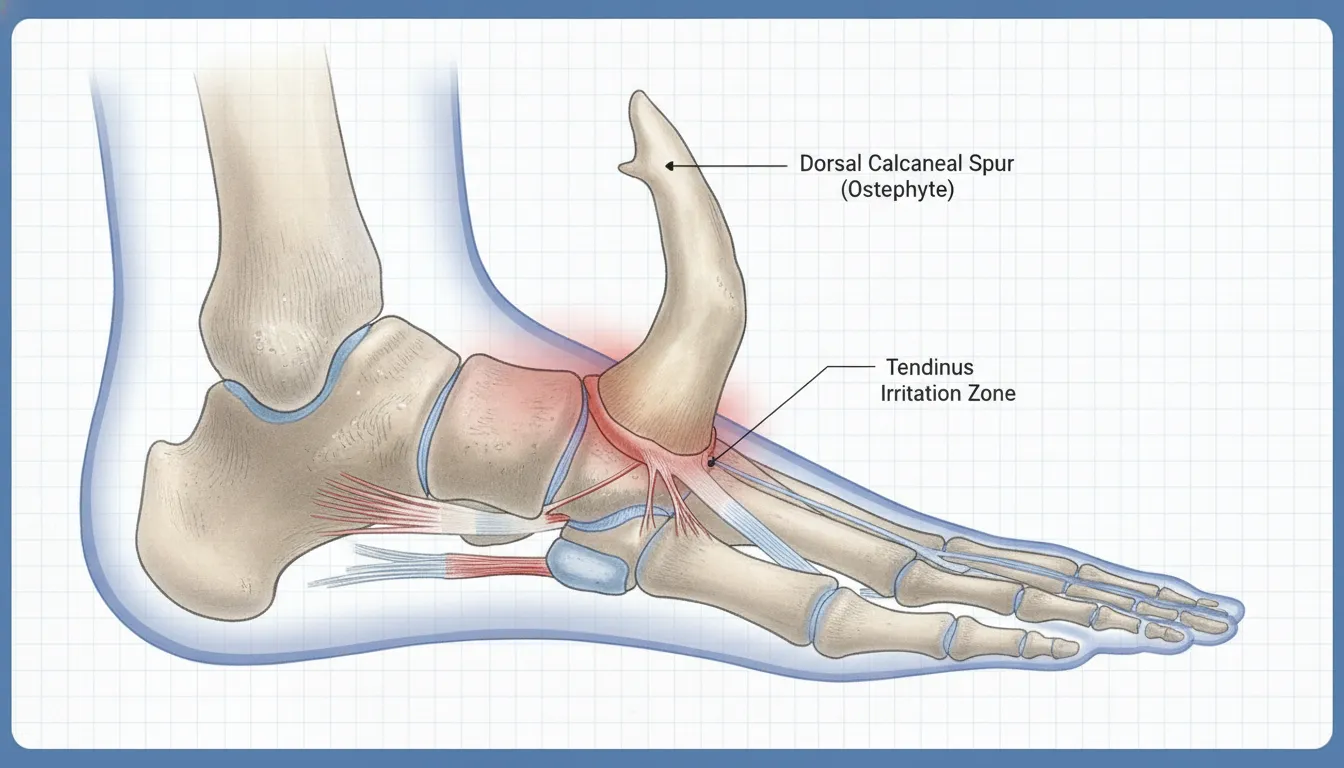
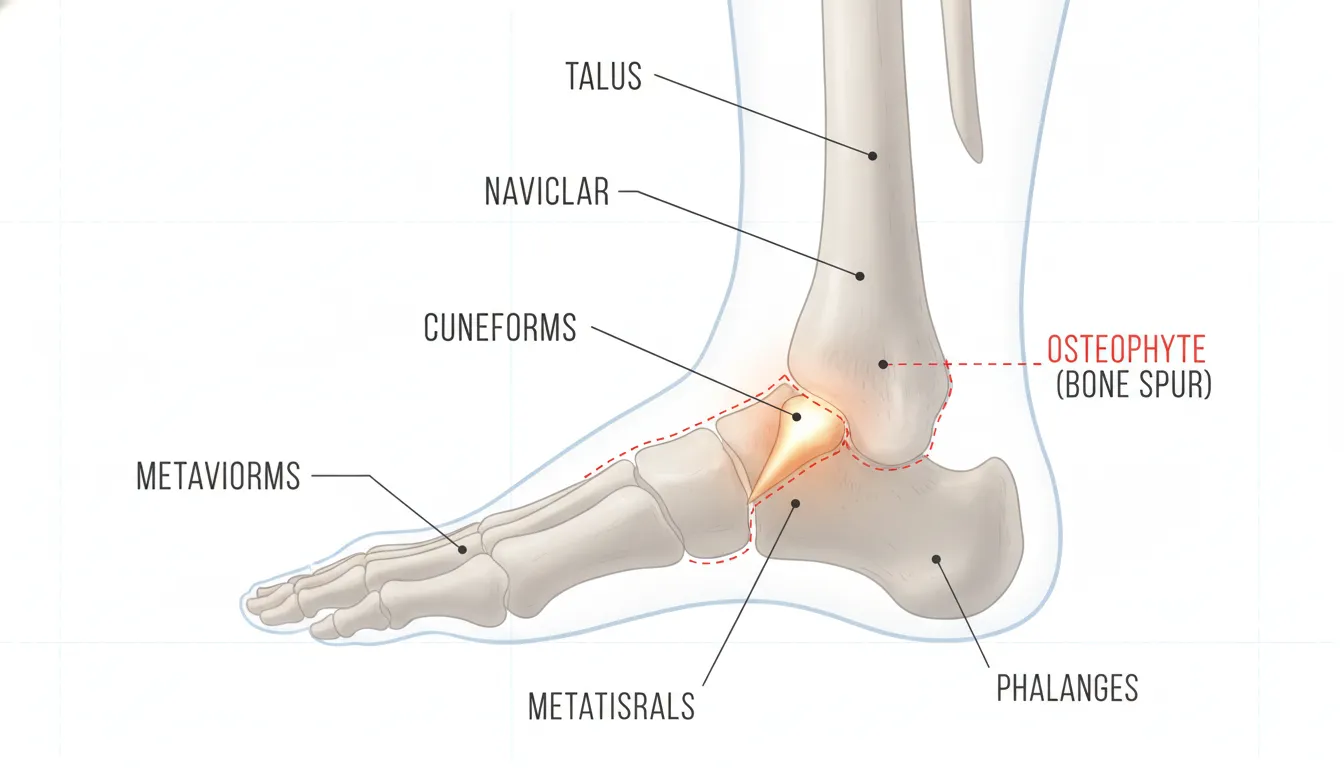
Learning about foot osteophytes, also known as bone spurs, is vital. These bony growths form over time on the top of the foot or the ankle joint. They happen when your body reacts to stress, pressure, or rubbing. The extra growth can cause real pain during your daily walk. Finding these spurs early is the first step toward minimally invasive foot osteophyte removal.
How Bone Spurs Form
Your body works hard to protect itself. When a joint faces stress for a long time, the body adds strength by growing more bone. This often happens near joints where the soft pads have worn thin. As bones rub together, the body builds small, hard bumps to fill the gap. Research on dorsal boss resection shows these growths are common. They can make it hard to move your foot without pain.
Tight shoes or sports can also lead to bone spurs. Shoes that do not fit well often press on the bones. Over time, this pressure tells your body to build more bone in that spot. This is why spurs often grow on the top of the foot where laces sit. These bumps are not just a sign of age. They show that your foot needs expert care and perhaps minimally invasive foot surgery to fix the issue.
Symptoms and Daily Impact
Common signs and symptoms of a bone spur on the top of the foot include:
- Persistent Pain: A continuous ache that does not go away with rest and worsens after being on your feet.
- Hard Bony Bump: A noticeable, firm protrusion under the skin that is tender or sore to the touch.
- Difficulty Wearing Shoes: Discomfort and rubbing when wearing closed shoes, especially those with laces.
- Joint Stiffness: Restricted range of motion as the spur grows and begins to interfere with natural joint movement.
- Localized Inflammation: Redness, swelling, and a burning sensation caused by friction against soft tissues.
For most people, the pain comes from the spur rubbing against soft tissue or nerves. This causes redness, swelling, and a burning feel. At our clinic, we believe “Life is Motion and Motion is Life.” When bone spurs stop you from moving, they hurt your quality of life. We focus on ways to help you get back to your active self. Finding these spurs early can help you avoid more joint stress later.
Expert Care with Dr. Singh
Dr. Sutpal Singh has 30 years of skill with complex foot problems. He knows that every foot is unique and needs a custom plan. Instead of large cuts that take weeks to heal, he uses a “poke hole” method. This technique uses small, exact tools to reach the spur and smooth it down. You do not have to deal with big scars or a stay in a big clinic. It is a modern way to treat foot pain that puts you first.
Our office serves patients from Hoffman Estates, Palatine, and Rolling Meadows. We use a concierge model, which means you get more time with the doctor. We do not treat patients like a “pack of cattle.” You get expert care in a calm and kind space. If you are tired of foot pain, it is time to see how small-cut methods can help you walk with ease again.
Minimally Invasive Foot Osteophyte Removal: The “Poke Hole” Technique
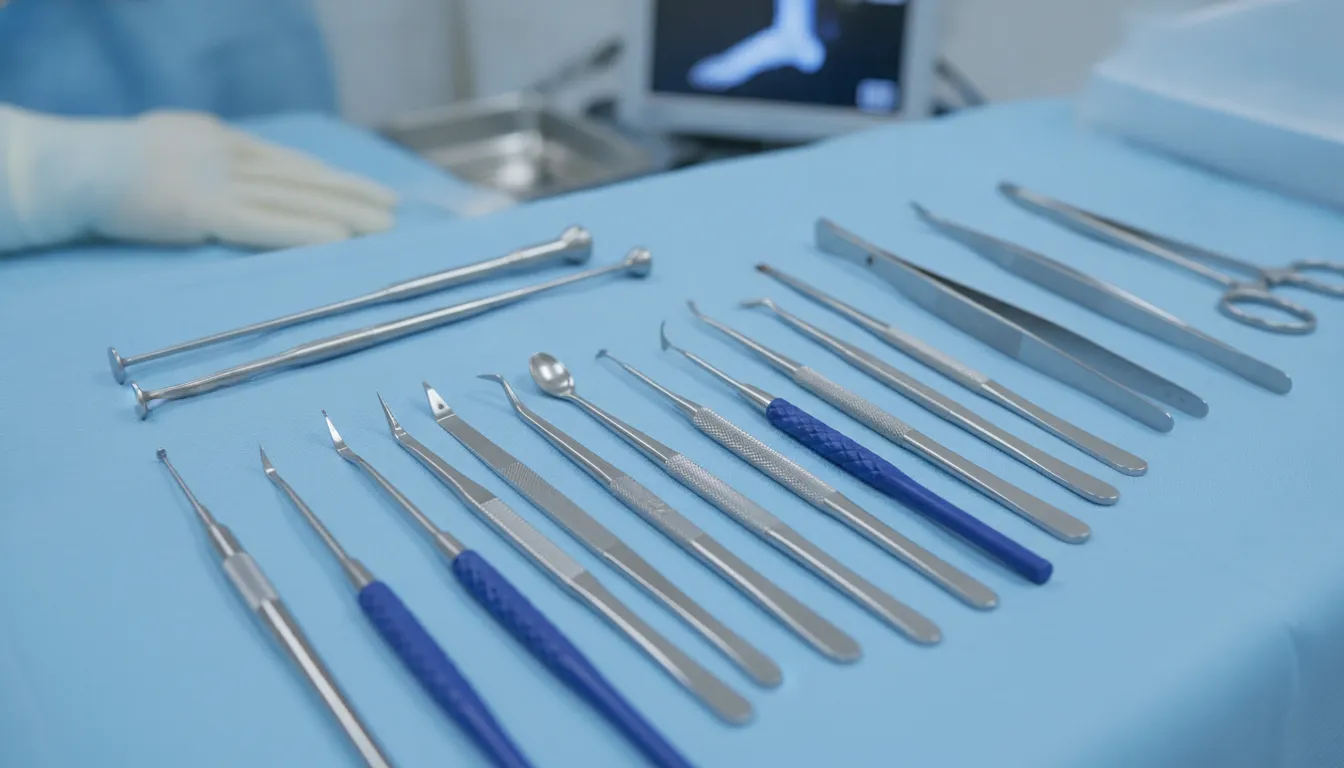
Precision tools for tiny incisions
Many people fear surgery because of big scars and long healing times. Dr. Singh uses a different way to help you. He makes a very small “poke hole” in the skin. This tiny cut is often less than a tenth of an inch wide.
He uses small tools that are very thin. These tools let him reach the bone spur without making a large opening. This method is a key part of his minimally invasive foot surgery plan.
The thin tools can shave down the bone spur with great care. Dr. Singh can see the bone through the small cut using live x-ray or a tiny camera. This means he does not have to cut through large areas of healthy skin.
It also protects the nerves and blood vessels in your foot. Most patients leave with just a small band-aid or one stitch. This small step makes a big change in how your foot feels after the work is done.
Care right in the office
In the past, removing a bone spur meant making a long cut. This often led to more pain and a slower healing time. Dr. Singh uses small tools made for tight spaces. These tools act like a small file to smooth out the bone.
He can fix the bone spur while leaving the rest of the foot alone. This path helps to keep your foot stable and strong. It also keeps the skin around the “poke hole” from getting thick scars.
You do not need to go to a hospital for this care. Dr. Singh performs this work right in his office. He uses local medicine to numb only your foot. You stay awake and can talk during the process.
This path avoids the risks that come with being put to sleep. It also saves you from the high costs of a hospital visit. You get the same high-level care in a quiet and calm setting.
Doing the work in the office is also much faster. Most people find they can go home right after the visit. Clinical data shows that needle arthroscopy in the office is a safe and good choice for bone spur removal.
Faster healing and less pain
Old styles of surgery can cause a lot of pain. This is because the doctor must cut through many layers of tissue. The “poke hole” technique avoids this damage. By keeping the soft tissue safe, your foot stays strong.
This path helps reduce swelling and bruising after the work. Studies on endoscopic bone spur removal show that patients have less pain and fewer scars. You can often walk right away in a special shoe.
Because the wound is so small, the risk of a germ problem is also low. Your body can focus on healing the bone instead of a large skin cut. This helps you get back to your active life in less time.
You can return to work and light tasks much sooner than with old methods. Dr. Singh wants to help you move without pain as fast as he can. This modern way of fixing bone spurs makes that possible for many people in our area.
Why Choose Bone Spur Surgery Without Hardware?
Many old foot surgeries use metal screws or plates to hold bones. These parts stay in your foot long after you heal. But now, you can choose a new path for your care. Dr. Singh uses hardware-free foot surgery to fix bone spurs without leaving metal behind. This method uses very small tools to remove the growth through a tiny opening. You get the fix you need without the risk of metal rubbing or hurting your skin later.
No metal parts to cause pain
Metal in the body can cause issues for some people. Some patients have a bad reaction to the alloys used in screws. Others find that the metal parts rub against their shoes or skin. This can cause new pain. By choosing a way without hardware, you cut these risks out of your life. You also save yourself from a second surgery to remove the parts if they bother you. Studies from the National Institutes of Health show that these small-cut tools work well in a simple office setting. This helps keep you safe and at ease during the whole process.
Quick healing in a private office
Standard surgery often takes place in a large hospital. This can be stressful and cost a lot. Dr. Singh performs minimally invasive foot osteophyte removal right in our private office. We use local numbing so you stay awake and feel no pain. This way saves time and keeps you away from hospital germs. Since the cut is tiny, your body has less work to do to mend the skin. You can often walk out of the office on your own two feet.
| Feature | Old-Style Surgery | Hardware-Free Approach |
|---|---|---|
| Incision Size | Large open cut | Small poke hole |
| Metal Support | Screws and plates | None used |
| Numbing | Put to sleep | Local numbing |
| Walking | Weeks of rest | Same-day walking |
| Future Risks | Metal rubbing | No metal issues |
| Setting | Big hospital | Private office |
Safe steps toward a fast recovery
Your recovery should be about getting back to your life. Most people find that their pain levels are much lower when they skip the metal parts. The small tools Dr. Singh uses do not hurt the muscle or nerves as much as a large blade. This means you will see less bruising and swelling in the days after the work is done. Our concierge care plan ensures you have all the help you need as you heal. We focus on one patient at a time to give you the best result.
Avoiding long-term foot problems
When you have metal in your foot, it can change how you move. This might lead to new aches in your ankle or knee over time. Surgery without hardware keeps your foot feeling natural. It allows your bones to heal in a way that fits your own body. This is a key part of our “Life is Motion” goal for every person we treat. By choosing a simple fix, you set yourself up for many years of healthy walking.
Immediate Walking and Rapid Recovery: What to Expect
Dr. Sutpal Singh believes that life is motion and motion is life. When you suffer from foot pain, every step feels like a chore. Standard bone spur surgery often needs big cuts and long weeks of rest. At Comprehensive Foot and Ankle Institute, we use a different way. Our minimally invasive foot osteophyte removal helps you get back on your feet fast.
Steps for your recovery
Most patients can walk the same day they have their surgery. You do not have to deal with a long hospital stay or heavy drugs. We perform these steps in our office to make sure you have a smooth path back to your active life.
- In-office surgery: Dr. Singh performs the work using local numbing medicine. You stay awake and relaxed while he uses small tools to fix the bone spur. Since the cut is tiny, you do not need stitches in most cases.
- Fast walking: After the work is done, you put on a special surgery shoe. You can walk out of the office and head home right away. There is no need for crutches or a wheelchair for most people.
- Quick home care: You will need to keep your foot up for a few days to stop swelling. But you can still move around your house for basic needs. Most people find they need much less pain medicine than they thought.
- Early return to shoes: In about a week or two, many patients can move back into wide shoes. You can start to do your daily tasks without the sharp pain of the bone spur.
- Full activity: Within a few weeks, you can return to the sports and hobbies you love. We check your progress to make sure your foot heals well and stays strong.
Why office-based care works
Choosing an in-office setting for your care has many perks. You avoid the stress of a big hospital and the high costs that come with it. Research shows that needle arthroscopy is a safe way to treat foot joints in an office. This method uses a tiny camera to help the doctor see inside without a large cut.
This type of care is part of our concierge model. We do not rush our patients or treat them like a “pack of cattle.” Instead, Dr. Singh gives you his full focus. He uses his 30 years of work to plan the best path for your unique needs. We focus on minimally invasive procedures that protect your natural foot bones.
Help for quick healing
To help you get better even faster, we may use healing therapies. These tools help your body fix itself after the surgery. We offer Class IV laser therapy and shock wave therapy to cut down on pain and swelling. These treatments help you keep moving so you can stay healthy and fit.
Dr. Singh works with you at every step. From the first visit to the final check, our goal is to get you back to the life you love. You can enjoy the Chicago suburbs again without the limits of foot pain.
Advanced Care From a Trusted Foot Bone Spur Podiatrist in the Chicago Suburbs
When you need a foot bone spur podiatrist, you want an expert who puts you first. Dr. Sutpal Singh, DPM, FACFAS, FAPWCA, brings 30 years of skill to the northwest Chicago suburbs. He leads the team at the clinic with a focus on your health. Dr. Singh uses minimally invasive foot osteophyte removal to help you stay active. This care is for patients in Hoffman Estates, Palatine, and Rolling Meadows.
Custom Care in the Northwest Chicago Suburbs
Finding a foot bone spur podiatrist is more than just finding a doctor. It means finding a partner who cares. Dr. Singh serves patients in Elk Grove Village and nearby towns. He treats every person with deep respect. You will not find double-booked slots or long waits here. Our private model ensures you get the time you need to talk about your pain. We treat you as a person, not like a pack of cattle.
Our office is easy to reach for people across the suburbs. We aim to give the best podiatry services in the area. Whether you live in Hoffman Estates or Palatine, you get top care. Dr. Singh is a third-generation doctor. He knows how to help people find relief from chronic pain using the best tools. You can see how we help by looking at patient reviews from others in our area.
Healing Treatments for Bone Spur Recovery
We do more than just surgery. Dr. Singh uses healing tools to help you mend faster. This includes Class IV laser care and needle arthroscopy in an office setting. These tools can help your body fix itself without big cuts. Many people find that minimal incision laser therapy helps them get well much quicker. It is a big part of our plan for your feet.
SoftWave therapy is another great choice we offer. It uses sound waves to start the healing process in your foot. This helps lower pain and swelling after your bone spur is gone. Our goal is to keep you moving. We use these tools to ensure your path to health is smooth and fast. This is the new way to treat foot pain in the Chicago area.
A Private Model for Your Health
Our team believes that “Life is Motion and Motion is Life.” This means we want to keep you on your feet. The concierge model we use helps us reach that goal. You work one-on-one with Dr. Singh. He listens to your needs and builds a plan just for you. This approach is rare today, but we think it is the best way to care for our neighbors.
We invite you to see the difference for yourself. If you are tired of being treated like a number, we can help. Our team is ready to help you walk without pain once more. We use precise tools to fix bone spurs with tiny cuts. This means less pain for you and a faster return to the things you love.
Frequently Asked Questions
Does bone spur surgery for feet require metal screws?
No, most new small-cut ways do not need metal screws or plates. This means you do not have to worry about metal staying in your foot for years. According to the Comprehensive Foot and Ankle Institute, these ways use tiny tools to fix the bone without inside parts. This helps the foot heal on its own while lowering the risk of metal pain or germs in the future.
How soon can I walk after foot osteophyte removal?
Most people can walk almost right away after a small-cut surgery. Since the cuts are so tiny and no metal parts are used, your foot stays more steady. You will likely wear a special boot to keep your foot safe as you move. This quick return to walking helps you stay active. It also lets you avoid the long weeks of rest often needed for old styles of open foot surgery.
When should I consider surgery for painful foot bone spurs?
You should think about surgery if your foot pain does not go away with rest, new shoes, or shots. Many doctors suggest trying these simple steps first. If your daily life is still hard and walking hurts, a small-cut surgery might be the right choice. A study on PMC shows that removing these spurs can help you move your toe better and stop the pain if basic care did not help.
Can bone spurs on top of the foot be removed without a large cut?
Yes, doctors can use a poke hole method to remove these bony bumps. Instead of one long cut, the surgeon makes a tiny opening and uses small tools to trim the spur. This way causes less harm to the skin and muscles near the bone. It also leaves very small scars and leads to less swelling than old surgery. This makes it a great pick for patients who want to heal fast and avoid hospital stays.
Ready to walk without foot osteophyte pain?
Leaving bone spurs alone often leads to more pain and stiffer joints as the growths get larger and more tender over the passing months. You do not have to wait for the pain to get worse because Dr. Singh uses small “poke hole” incisions for fast relief. This helps you stop the cycle of daily foot pain and return to your active life without a long hospital stay.
Ready to walk pain-free? Call 847-310-1600 to schedule a personalized consultation and learn how our minimally invasive methods can help you find relief today. Our team is ready to help you get back on your feet and enjoy your active life without the constant ache of bone and joint.