


Saving a limb after a major foot injury needs better ways to fix bones than basic care. Dr. Sutpal Singh uses the Russian Ilizarov method to gradually realign bones and grow new tissue in a round frame. This expert care helps people in the Chicago suburbs walk again and avoid metal parts inside the foot.
Russian Ilizarov method foot surgery is a specialized way to fix bones using a round outer frame and thin wires to slowly move them into place. By avoiding metal parts inside the body, this tool keeps the foot steady while letting bone and tissue grow through a controlled stretching process that builds bone strength. Research on PubMed shows the Ilizarov way helps fix deep foot issues by making the body grow new bone as bones are moved into place for better health. This expert care saves limbs and fixes bad injuries to help people stay active when other treatments have failed to provide relief for chronic foot and ankle pain.
Patients looking for this expert care often ask how a round frame works without large cuts. Learning about your choices is the first step, and we explain them in What Is the Russian Ilizarov Method for Foot Surgery? The path to walking again starts by asking,
Russian Ilizarov Method Foot Surgery: What Is the Russian Ilizarov Method for Foot Surgery?
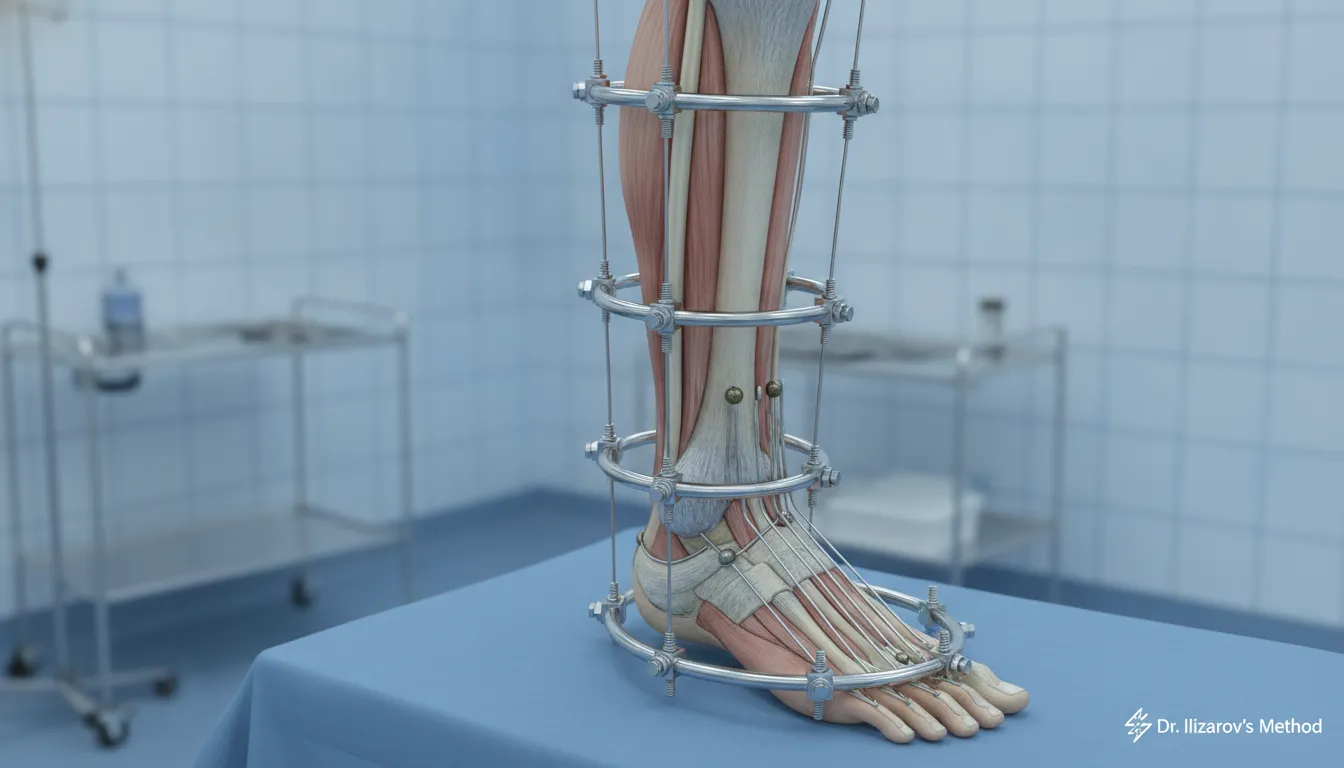
The Russian Ilizarov method is a specialized approach to fix complex foot and ankle problems. It uses a round frame that sits outside the leg. This frame connects to the bone with thin wires. The system lets a doctor move bone parts very slowly into the right place. This process is called distraction histogenesis. It is when the body grows new bone and soft tissue as they are pulled apart. You can learn more about this work from Dr. Sutpal Singh at our clinic.
The round external frame
The heart of this method is the round frame. It is also called an external fixator. Unlike a cast or a metal plate inside the leg, this device stays on the outside. It uses tight wires to hold the bone parts. This setup gives great strength while letting the doctor make small, exact changes. The Comprehensive Foot and Ankle Institute states that the frame keeps the foot steady while moving bones in a slow way. This makes it a great choice for cases that other surgeries cannot fix.
Gradual bone and tissue growth
This method uses the power of the body to heal itself. There are two main ways to fix a foot. One way is to slowly pull on soft tissues. The other way is to pull at a spot where the bone was cut, which is an osteotomy. Research from the National Institutes of Health shows that both ways are key to success. By moving the bone a tiny bit each day, the body fills the gap with new, strong tissue. This allows the doctor to fix deep, three-way shapes in the foot.
A history of saving limbs
Gavriil Ilizarov began this work in the 1950s in Kurgan, Siberia. His tools and ideas changed how surgeons fix big bone gaps and bad foot shapes. Today, the method is a vital tool to save limbs. It helps people keep their feet after a bad injury or if they were born with a foot problem. The National Library of Medicine notes that this way is unique because it grows both bone and soft tissue at the same time. This double growth is what makes big fixes possible for patients in need.
Complex Foot Deformities Treated with the Ilizarov Method
Standard podiatry often reaches its limits when dealing with severe structural issues. The Russian Ilizarov method foot surgery provides a path forward for people who have tried other ways to heal. This approach is not for simple aches or routine care. It is a specialized tool for fixing 3D bone problems that other surgeries cannot fix. By using a circular frame, Dr. Singh can guide the body to grow new tissue and bone into the right place.
Three-dimensional structural correction
Most foot surgeries try to fix a problem in one quick move. But some issues are too complex for that. The Ilizarov method uses a process called histogenesis to grow new soft tissue and bone. This allows for the correction of complex three-dimensional deformities that change how you walk. Instead of forcing a bone into place, the frame moves it slowly. This gradual change keeps the blood vessels and nerves safe while the new shape forms.
Our practice uses these advanced tools to help patients with chronic issues like bilateral calcaneovalgus deformities. These long-term problems often lead to deep pain and a loss of motion. We focus on advanced foot deformity correction to help you move without pain. This method is the best choice for cases where standard metal parts would fail.
Limb salvage and severe trauma
For patients facing bad injuries or long illnesses, the goal is often to save the foot. The Ilizarov method is a key part of our specialized surgical services for these high-stakes cases. It is used to treat complex foot deformities where saving the limb is the top goal. This is vital for people with diabetes or those with major crush injuries. The frame gives the stability needed for the body to heal itself over time.
Saving a foot takes a doctor with deep skill and a patient who is ready for a long path. We provide concierge podiatric care to support you through every step. Dr. Singh monitors your progress to ensure the best result. This personal touch is needed when managing the complex needs of a patient who needs new bone and tissue.
Severe pediatric foot disorders
Children with birth defects often need a unique way to have surgery. Their bones are still growing, so the fix must work with their natural growth. The Ilizarov technique is often used in severe pediatric foot disorders to fix big issues. It can fix clubfoot that has come back or other bone growth problems. Because the method is slow, the doctor can adjust it as the child grows.
Treating a child takes a gentle touch and precise tools. We aim for no-hardware deformity correction when we can to avoid long-term issues. While the Ilizarov frame is on the outside, it stops the need for large metal plates inside the foot. This keeps the child’s future options open and supports a life of motion.
The Science of Distraction Histogenesis in Ilizarov Correction
The Russian Ilizarov method foot surgery relies on a unique biological process called distraction histogenesis. This method uses a circular external fixator with tensioned fine wires to move bone segments slowly. By applying steady, gradual tension to the bone and soft tissues, the body is stimulated to grow new, healthy material. This natural growth allows for the correction of complex foot issues without needing large bone grafts.
How distraction stimulates new tissue growth
Distraction histogenesis is the hallmark of the Ilizarov technique because it creates both new bone and new soft tissue. When bone is slowly pulled apart, the gap fills with new growth. This process enables surgeons to fix three-dimensional foot deformities that were once thought to be permanent. Because the growth is gradual, nerves, skin, and blood vessels have time to adapt and lengthen alongside the bone. This approach is a core part of the no-hardware deformity correction strategies used for complex cases.
The two primary methods of correction
There are two main ways doctors apply this science during a procedure. The first is the distraction of soft tissues, which helps stretch tight ligaments or skin. The second is distraction at an osteotomy site, where a precise cut is made in the bone to start new growth. These methods allow for high precision when reshaping the foot. By choosing the right type of bone cut, or osteotomy, the surgeon can tailor the correction to your specific anatomy and needs.
Precision through controlled bone movement
Precision is vital for successful limb reconstruction and long-term mobility. The Ilizarov method offers more control than traditional surgery because the frame can be adjusted in small steps over several weeks. This controlled movement helps ensure that the foot is aligned perfectly for walking. Patients seeking fast recovery protocols benefit from this method because it avoids the risks of large, open incisions and heavy internal plates. It turns the body’s own healing power into a tool for rebuilding structure.
Dr. Sutpal Singh’s Unique Ilizarov Training at the Russian Scientific Centre
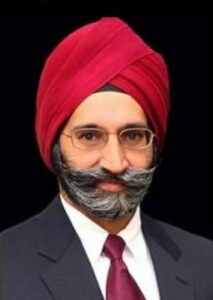
Dr. Sutpal Singh has rare skill in the Russian Ilizarov method foot surgery. He learned this through many fellowships at the Russian Ilizarov Scientific Centre in Kurgan, Russia. This hospital is the largest of its kind on earth. It treats more than 9,000 people each year and has 1,000 beds for patients. By learning at the source of this method, Dr. Singh can do complex repairs that few other US surgeons try. He brings this elite care to patients in the northwest Chicago suburbs.
A Global Hub for Bone Correction
The training in Kurgan focuses on the hardest cases of limb repair. Dr. Singh studied how to use round frames and fine wires to move bone and soft tissue slowly. This process, called distraction histogenesis, helps the body grow new, healthy tissue. Research from the National Institutes of Health shows that this method is key for treating complex foot deformities. It is often the best choice for saving limbs that might face the loss of a foot. His time spent in Russia lets him manage the frame with high care.
Specialized Training at Top Medical Centers
Dr. Singh did not stop with his studies in Russia. He also trained at Duke University for flap plastic surgery. This helps him repair the skin and soft tissue over bone. He studied microvascular surgery at Columbia Presbyterian and peripheral nerve surgery at Johns Hopkins. These skills help him treat nerve pain and blood flow along with bone issues. Few doctors have this mix of skills. You can read more about Dr. Sutpal Singh’s background to see how he plans his care.
Expertise in Complex Foot Reconstruction
This high level of training means patients get better care for bad trauma. Dr. Singh knows how to balance bone growth with the needs of the nerves and skin. He also guides patients through the long time it takes to heal. Good care during this phase is key to a good result. This needs advanced foot and ankle services and close checks. He makes sure each step is clear so patients can return to an active life. Dr. Singh uses a concierge model to give each person the time they need. He does not treat patients like a pack of cattle.
Limb Salvage and Severe Trauma Reconstruction with the Ilizarov Method
Severe foot trauma or deep bone infections often lead to a call for amputation. However, the Russian Ilizarov method foot surgery offers a way to save the limb and restore motion. This advanced tool uses a round frame to keep the foot steady while new bone and soft tissue grow. This helps fill gaps caused by a bad injury or disease. At our center, we use these methods to help people who have no other choice left.
Advanced training in wound and bone repair
Saving a limb needs more than just bone work. It needs expert care for the skin and blood vessels. Dr. Singh brings a rare set of skills to these tough cases. He has deep training in flap plastic surgery from Duke and microvascular work from Columbia Presbyterian. This lets him fix complex wounds and save limbs even when other doctors say to cut. Our concierge podiatric care means each person gets the close eye they need for these big changes.
A smart approach to foot reconstruction
Trauma often leaves the foot with complex bone shapes that simple plates cannot fix. The Ilizarov way is great for these cases because it lets new soft tissue and bone grow through a slow process. By moving bone parts bit by bit, we can fix the shape while the body heals. This precision is key for a natural walk and avoiding long term pain. We focus on minimally invasive foot reconstruction to lower the risk of infection and help you heal fast.
Proven results for tough cases
Limb salvage is about more than just saving a foot. It is about keeping you active. Our team has a strong record of helping people avoid limb loss through the Ilizarov way and new healing tools. You can read many patient success stories on our site. We know that life is motion, and our goal is to help you walk again after a bad hurt. If you face a hard choice about your foot health, a visit can help you see all the ways to save your limb.
What to Expect During Ilizarov Recovery and Rehabilitation
Recovery from the Russian Ilizarov method foot surgery is a steady path toward better motion. Old ways of surgery often keep you off your feet for a long time. This method lets you stay active while you heal. Dr. Singh provides concierge podiatric care to lead you through each phase in our Hoffman Estates office. This careful plan helps you balance the bone fix with your daily life. We serve patients from across the Chicago suburbs, like Schaumburg and Palatine, with this high level of care.
Phases of the Bone Fix
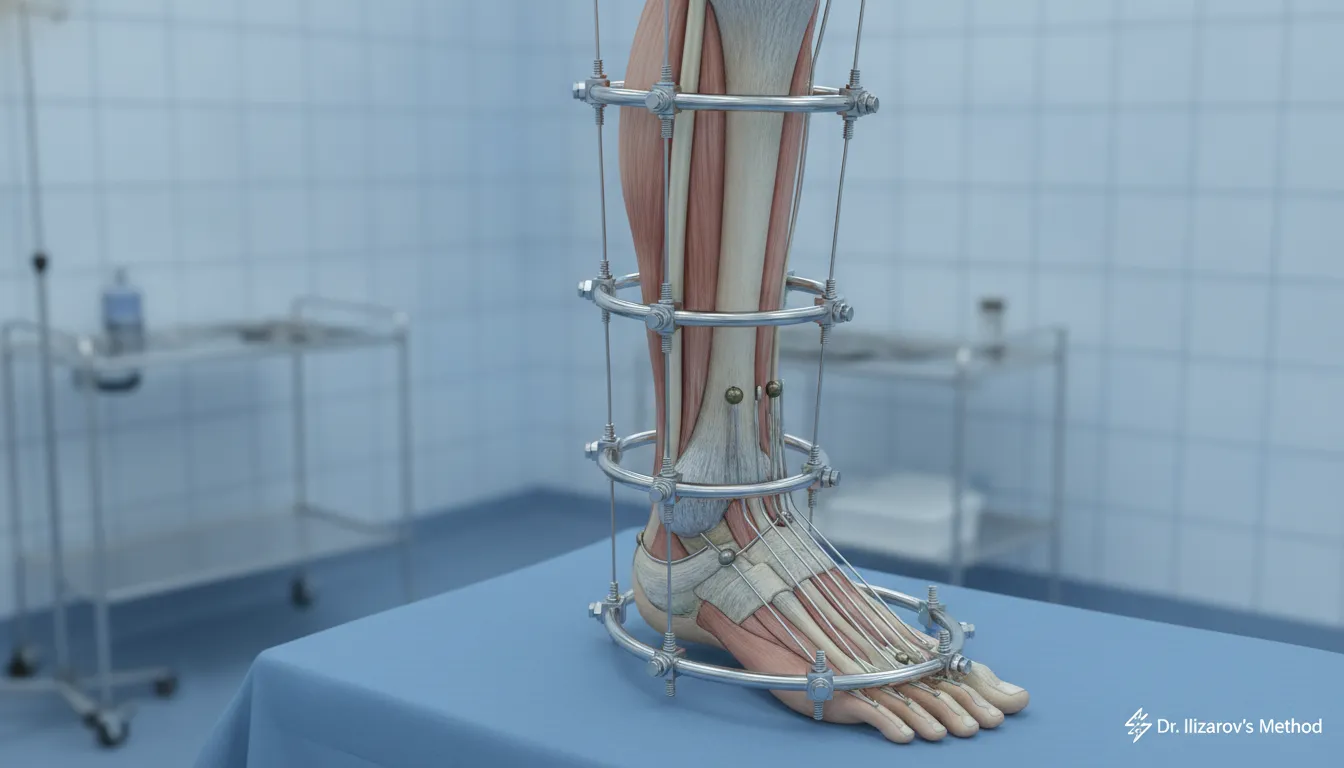
The first stage involves moving bone pieces slowly to fix your foot shape. You or your care team will change the frame daily to create a small gap. This gap is where new bone grows. This process needs very close checks to find and manage any bounds or issues early. Because the fix happens bit by bit, your soft tissues and nerves have time to adapt to the new spot. Dr. Singh uses his years of work to make sure this phase is safe and works well for you.
Steps for Active Healing
- First Change Period. After the frame is placed, the bone moving phase starts. This is often called distraction. You will make small changes to the frame tension each day or week to guide how the bone grows into its new shape.
- Weight-Bearing. A big plus of this method is that you can often walk on the foot. Putting weight on the limb sends signals to your body to build new bone faster. This keeps you moving during your long path to health.
- Movement and Therapy. You will start physical therapy soon after surgery to keep your joints from getting stiff. These motion drills make sure you can still use your foot while the frame holds your weight and protects the site.
- Bone Hardening. Once the foot is in the right spot, the frame stays on to let the bone get hard. This phase makes sure the new tissue is strong enough to hold you up without any help from the frame.
- Safe Frame Removal. Most patients wear the frame for 3 to 12 months. Dr. Singh removes the device in a quick surgery using a light sleep aid once he sees the bone is solid on an X-ray.
- Final Strength Training. The last step is to get back your full strength and balance. You will work on steady drills to return to sports, work, and your active life in the northwest Chicago suburbs.
Personal Clinical Support
A long recovery needs a doctor who knows your case well and cares about your goals. Dr. Singh does not treat his patients like a pack of cattle. He uses his deep fellowship training from the Russian Ilizarov Scientific Centre to watch your path at every turn. Frequent checks in our office make sure that the bone growth stays on track and the new tissue heals in the perfect spot. We are here to answer every question as you gain back your freedom to move.
Ilizarov Method vs. Traditional Surgical Approaches
The Ilizarov method is a specialized approach to fix hard bone issues. Standard surgery often uses big cuts and metal parts left inside. This Russian way uses a frame on the outside of the foot. It helps the body grow new bone and soft tissue slowly. This process is called distraction histogenesis. It is a great tool to save a limb when other ways fail.
| Feature | Ilizarov Method | Standard Surgery |
|---|---|---|
| Anesthesia | Local or light sedation | General anesthesia |
| Incision Size | Small “poke holes” | Large open cuts |
| Hardware | External frame (removed later) | Internal screws (permanent) |
| Hospital Stay | Outpatient or in-office | Inpatient hospital stay |
| Weight-Bearing | Immediate partial walking | No weight for many weeks |
| Recovery | Gradual bone growth | Cast and no movement |
Minimally Invasive Foot Options
Dr. Singh looks for the best way to heal your feet with less stress. Many patients do not need a large frame or big metal plates. He often uses minimally invasive foot reconstruction to fix bone spurs. These ways use small tools and tiny cuts to lower pain. This helps you get back to your life much faster than old ways of surgery.
For some, a no-hardware deformity correction is the best path. This fixes the bone without leaving any metal in your foot. It stops the risk of metal parts causing pain later. Dr. Singh makes a plan just for you to get the best results. He wants every patient to move freely without any pain.
Fellowship-Trained Special Care
Choosing a top doctor is vital for a good Russian Ilizarov method foot surgery. Dr. Singh has a special fellowship from the Russian Ilizarov Science Centre. This is the top place in the world for fixing bone issues. His deep training gives him the skill to handle very hard cases. Most other doctors near here do not have this level of skill with external frames.
This special care fits our concierge model. We treat you as a person and not just a number. Dr. Singh uses his 30 years of skill to lead your path to health. He knows that life is motion and motion is life. By using these new tools, he helps you find your way back to an active life.
Frequently Asked Questions
Can you walk with an Ilizarov frame?
Many patients can walk with an Ilizarov frame shortly after surgery. The circular fixator provides a stable base that supports your weight while your bones heal. The Comprehensive Foot and Ankle Institute states this device keeps the foot steady while bones move. Early walking helps keep muscles strong and improves blood flow to the healing area. Your doctor will give you a clear plan for how much weight you can safely carry.
What is the recovery time for Ilizarov surgery?
Recovery for this procedure often takes between three and twelve months. This time depends on the complexity of your foot problem. The process includes a phase for moving the bone and a phase for the new bone to get strong. Patients must follow a strict plan that balances slow bone growth with functional rehab. Regular checkups are needed to track your progress and ensure the bone is healing well at each stage.
What are the disadvantages of the Ilizarov technique?
The main downside is the size and weight of the frame. Patients must clean the pin sites daily to keep them free of germs. Some may also find it hard to sleep or find clothes that fit. However, research in PubMed shows the method helps grow bone in ways other surgeries cannot. This makes the frame a top choice for severe cases where standard metal plates and screws are not enough.
Who is a candidate for the Russian Ilizarov method?
This method is for patients with complex foot problems that standard surgery cannot fix. It is often used for severe bone infections, birth defects, or trauma where bone is missing. Surgeons also use it for three-dimensional bone shapes that need gradual change. If you have been told that your only option is amputation, this specialized technique may offer a way to save your foot and keep your mobility.
Ready to find the right care for your complex foot deformity?
If you wait to fix a deep foot problem, the pain will get much worse and make it hard to move. Acting now can help you avoid a long stay in the hospital and save your limb for the future. Our team can help you start to heal today with our foot and ankle services so you can stay active.
Are you ready to schedule your visit with our expert team and find the relief you need? Call (847) 310-1600 to schedule a consultation for complex foot deformity evaluation and start your recovery with us. You can start your own path toward better health and begin to walk without pain once more today.