


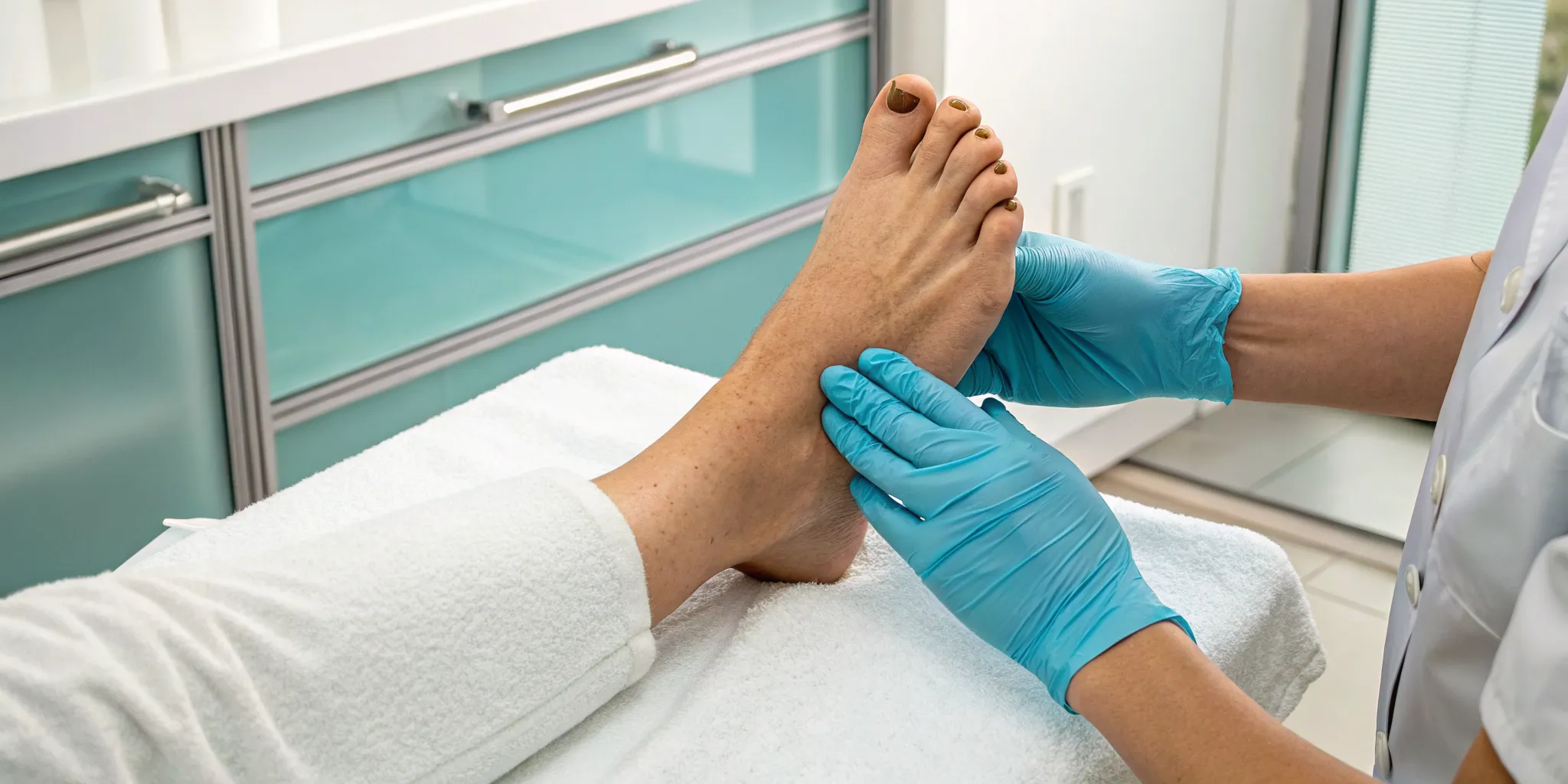

The word “surgery” can sound intimidating, often bringing to mind thoughts of long recoveries, scars, and significant pain. I want you to set that idea aside. When it comes to addressing discomfort or self-consciousness from a longer toe, modern medicine offers a much gentler path. Our specialized cosmetic foot surgery for long toes is a no-incision procedure performed right in our office. There are no hospital stays, no hardware, and no lengthy downtime. You can literally walk in and walk out on the same day, making it a simple solution to a problem that may have been bothering you for years.
Key Takeaways
- Solve Pain and Improve Appearance: Toe shortening is a cosmetic procedure that also offers practical benefits. It can resolve chronic pain from ill-fitting shoes and prevent issues like corns or hammertoes, all while creating a more balanced look for your feet.
- Recovery is Quick and Simple: Our no-incision technique completely changes the recovery process. You can walk out of the office immediately after the procedure, and there are no pins or hardware used, allowing you to return to your daily life with minimal disruption.
- Expect a Personalized, All-Inclusive Plan: As a cosmetic procedure, toe shortening is not covered by insurance. Our concierge approach means you receive a clear, all-inclusive cost after a private consultation where we design a treatment plan based entirely on your personal goals.
What Is Toe Shortening Surgery?
If you’ve ever felt self-conscious about a toe that seems just a little too long or struggled to find shoes that don’t pinch, you’re not alone. Toe shortening surgery is a cosmetic procedure that addresses this by reducing the length of one or more toes. The goal is simple: to create a more balanced, comfortable, and aesthetically pleasing look for your feet, so you can wear the shoes you love and feel confident in your own skin. It’s a straightforward solution for a problem that can cause both physical discomfort and frustration.
How the Procedure Works
So, how do we actually shorten a toe? It’s a very precise process. The procedure involves removing a tiny section of bone from the toe that is too long. This isn’t about drastic changes; it’s about making a small adjustment that allows the toe to settle into a shorter, more natural length. Think of it as expert tailoring for your feet. Over a few weeks, the toe heals into its new, more proportionate position. Our clinic uses advanced, minimally invasive techniques to perform our services, ensuring the procedure is as gentle as possible while delivering beautiful, functional results that look and feel completely natural.
Comparing Surgical Techniques
Not all toe shortening procedures are created equal. Some older methods involve removing an entire joint and fusing the bones together with a pin or screw. While this shortens the toe, it can also make it rigid and unable to bend, sometimes resulting in an unnatural, stick-straight appearance. We take a different approach. Dr. Singh uses modern techniques that preserve the toe’s joint and natural movement. This means you get the shorter length you want without sacrificing function or aesthetics. Your toe will still look and move like a toe, just a more proportionate version.
Are You a Good Candidate?
You might be a great candidate for toe shortening if you find yourself constantly struggling with shoes that rub or press on your longer toes. Many people also seek this procedure to create a more harmonious “staircase” look, where the toes descend in a gentle curve from the big toe. If you feel your long toes detract from the overall appearance of your feet, this surgery can make a significant difference in your confidence. Hearing from others who have made this choice can be helpful, and our patient testimonials show just how transformative this simple procedure can be for your comfort and self-esteem.
The No-Incision Advantage
Here’s where our approach truly stands out. We specialize in a no-incision technique for toe shortening. Using precise surgical instruments, the entire procedure is done through a tiny opening in the skin, so small that it doesn’t require stitches. This means no scarring, minimal discomfort, and an incredibly fast recovery. You can literally walk in and walk out of the office on the same day. There are no pins or hardware used, and you can return to your daily activities almost immediately. If you’re ready to learn more about this game-changing procedure, we invite you to contact us to schedule a personal consultation.
Why Consider Toe Shortening Surgery?
Deciding to change something about your body is a big step, and it’s often driven by a mix of practical and personal reasons. When it comes to toe shortening, the motivations are usually twofold: finding physical comfort and gaining personal confidence. Whether you’re tired of painful shoes or you simply want to feel better about the appearance of your feet, understanding the “why” is the first step. Let’s look at the most common reasons people choose this procedure.
Find Comfort in Your Favorite Shoes
If you have a toe that’s longer than the others, you know the frustration of shoe shopping. You might find the perfect pair, only to realize they pinch that one toe, forcing you to size up. This often leads to a poor fit elsewhere, like a slipping heel or a lack of arch support. Toe shortening surgery can put an end to this compromise. By creating a more uniform toe length, the procedure helps your feet fit comfortably and properly into the shoes you love. It’s about gaining the freedom to choose footwear based on style and preference, not just accommodation.
Love the Look of Your Feet
Feeling confident in your own skin extends all the way to your toes. For many, a toe that seems disproportionately long can be a source of self-consciousness, making them think twice about wearing open-toed shoes or going barefoot. The goal of cosmetic foot surgery is often to create a more harmonious and balanced look, where the toes have a gentle, cascading slope. It’s not about chasing an ideal of perfection, but about feeling happy with your appearance. Our patients often share how much relief they feel after seeing the positive results in their testimonials.
Alleviate Foot Pain and Pressure
A long toe isn’t just a cosmetic issue; it can be a source of chronic pain. When a toe is constantly pressed against the inside of your shoe, the persistent friction and pressure can lead to painful problems. You might develop hard corns on the top of the toe, stubborn calluses on the tip, or even a bent, rigid position known as a hammertoe. In some cases, the pressure can also cause nail damage. Toe shortening corrects the underlying structural issue, giving your toe the space it needs and providing lasting relief from these painful conditions. Our advanced services are designed to address these issues with minimal downtime.
What to Expect During Recovery
When you hear the word “recovery,” you probably picture weeks of rest, crutches, and time off from your life. I want you to set that image aside. Because our approach to toe shortening is so different, the recovery process is, too. We focus on regenerative medical therapies and no-incision techniques that are designed to get you back on your feet, literally, on the same day as your procedure.
The goal is to correct the issue causing you discomfort or self-consciousness without the long, painful healing period associated with traditional surgery. You won’t need to put your life on hold. Instead, recovery is about being mindful as your body heals while you continue with your daily activities. You can walk out of our office right after your procedure, which is a game-changer for anyone with a busy schedule, especially athletes who are eager to maintain their momentum. While your body still needs time to adjust, you’ll be doing it on your own terms and on your own two feet.
Your First Few Weeks Post-Op
Forget about casts and crutches. Immediately after your no-incision procedure, you will be able to walk out of the office. In the first couple of weeks, it’s normal to experience some mild swelling or tenderness, but this is typically managed easily. We’ll give you a detailed guide on how to care for your foot during this initial period. The most important thing is to listen to your body. Unlike traditional surgeries that require significant downtime, your main job is to simply let the natural healing process happen without the burden of being laid up.
Adjusting Your Footwear and Activities
While you can walk right away, you’ll want to be thoughtful about your shoes and activities for a few weeks. We usually recommend wearing supportive, comfortable athletic shoes to give your feet the best environment for healing. This isn’t the time to break in new heels or go for a five-mile run. You can continue with your low-impact daily activities, but we’ll advise you on when it’s safe to gradually reintroduce more strenuous exercise. For more tips on foot health, you can always check our blog. We’ll work with you to create a timeline that gets you back to your favorite activities safely and quickly.
Your Long-Term Results
The best part of this journey is the end result: feet that feel as good as they look. Long-term, you can expect to find more comfort in a wider variety of shoes, from sneakers to sandals. Many patients feel a renewed sense of confidence, no longer hiding their feet or struggling to find footwear that fits. The goal is to alleviate the pain and pressure that may have been holding you back, allowing you to move more freely and comfortably. You can see what our patients have to say by reading their patient testimonials.
Debunking Recovery Myths
There are a lot of misconceptions about foot surgery, mostly based on older, more invasive methods. Let’s clear a few things up. The biggest myth is that you’ll have significant downtime. With our no-incision technique, you walk in and walk out. Another myth is that you’ll need pins or hardware, which often require a second surgery to remove. We don’t use them. While any procedure involves a healing process, our approach is designed to minimize disruption to your life. If you have specific concerns, we’re always here to answer them; just contact us to start the conversation.
Understanding the Potential Risks
Deciding on any medical procedure, including a cosmetic one, means weighing the benefits against the potential risks. It’s all about making an informed choice that feels right for you. While modern, minimally invasive techniques have significantly lowered the chances of complications, it’s still important to have a clear picture of what to consider. Being aware of the possibilities empowers you to ask the right questions during your consultation and partner with your doctor to ensure the smoothest possible experience.
Our approach focuses on minimizing these risks from the very beginning. By using precise, no-incision methods, we can reduce tissue trauma, which naturally leads to a lower risk of complications and a faster recovery. This is a key part of our patient-first philosophy. We believe that a well-informed patient is a confident one, so let’s walk through the main considerations together. This transparency is the first step toward achieving the results you want, safely and effectively.
Infection and Healing Concerns
Any time the skin is broken, there’s a risk of infection or issues with healing. Traditional foot surgeries that require larger incisions and hardware like screws or plates can sometimes lead to longer healing times or noticeable scarring. While these risks are generally low with any skilled surgeon, our no-incision technique is specifically designed to minimize them.
Because we use tiny entry points instead of large cuts, the impact on your tissue is much smaller. This means less swelling, a lower chance of infection, and a quicker healing process. You can even walk immediately after the procedure. We provide detailed aftercare instructions to ensure your foot heals beautifully, but starting with a less invasive procedure gives you a significant head start.
Nerve Damage and Changes in Mobility
Your feet are complex, with an intricate network of nerves, bones, and ligaments. A common concern with foot surgery is the potential for nerve damage, which could lead to numbness or changes in sensation. There’s also the possibility of your foot’s mechanics shifting, which might affect your balance or gait. This is why the surgeon’s skill and technique are so incredibly important.
Choosing a specialist who uses precise instruments and a minimally invasive approach is key. These advanced tools allow the surgeon to work with incredible accuracy, carefully working around delicate nerves and tissues. The goal is to correct the specific issue without disrupting the surrounding structures. This meticulous method helps preserve normal function and feeling in your toes, so you can get back to your active life without any unwanted changes.
Why Realistic Expectations Matter
A successful outcome starts with a clear and honest conversation about what the surgery can achieve. The goal is improvement, not unattainable perfection. Having realistic expectations is one of the most important factors in your satisfaction with the final result. This is where choosing the right doctor makes all the difference. A great surgeon will not only have the technical skill but will also take the time to understand your goals and explain what is realistically possible for your unique anatomy.
During your one-on-one consultation, we’ll discuss your desired outcome in detail. Dr. Singh will assess your foot structure and explain how the procedure can help you achieve more comfort and a look you love. This personalized approach ensures your treatment plan is tailored specifically to you, setting the stage for a result that feels both beautiful and natural.
Breaking Down the Cost of Toe Shortening
Thinking about the cost of any medical procedure can feel overwhelming, but it’s an important part of your decision-making process. When it comes to cosmetic toe shortening, it’s helpful to view it as an investment in your comfort and confidence. The final price tag isn’t just a random number; it’s based on your specific needs and the personalized care you’ll receive. Understanding the components of the cost can help you plan accordingly and move forward with clarity.
Our clinic operates on a concierge model, which means we prioritize a direct, transparent relationship with you. We provide a clear, all-inclusive price for your procedure, so you won’t have to worry about surprise bills from different providers like an anesthesiologist or a separate facility. Everything is handled in-house to give you a seamless and stress-free experience.
What Factors Influence the Cost?
The total cost of your toe shortening procedure is tailored specifically to you. Several factors play a role in determining the final price. The most significant is the scope of the work; for example, correcting a single toe will cost less than addressing multiple toes. Similarly, the price will differ if you’re having the procedure on one foot versus both feet.
The complexity of your individual case is also a key factor. During your consultation, we’ll assess your foot structure to create a precise surgical plan. Because we use advanced, no-incision techniques performed right here in our office under local anesthesia, we avoid the hospital fees and general anesthesia costs associated with traditional surgery. This streamlined approach is designed for your safety, comfort, and convenience.
Will Insurance Cover Your Procedure?
This is one of the most common questions we get, and the answer is usually straightforward. Most insurance plans do not cover procedures that are considered cosmetic. Toe shortening surgery, when performed to improve the appearance of your feet, falls into this category. Insurance providers typically only cover surgery when it’s deemed “medically necessary” to alleviate pain that significantly impacts your ability to walk or function.
Because our practice focuses on cosmetic outcomes and providing a high-touch, personalized experience, our services are generally not covered by insurance. We believe this direct-pay model allows us to provide the highest level of care without the limitations and paperwork dictated by insurance companies. This ensures that all decisions about your treatment are made between you and your doctor, based entirely on what’s best for you.
Your Consultation Checklist
Your journey begins with a private consultation. This one-on-one meeting with our doctor is your opportunity to discuss your goals, ask questions, and receive a personalized treatment plan. To make the most of this appointment, come prepared. It’s helpful to write down your questions ahead of time so you don’t forget anything.
Consider asking things like:
- Based on my goals, am I a good candidate for this procedure?
- What will the total, all-inclusive cost be?
- What does the recovery process look like for me?
Once you decide to move forward, we will provide you with a detailed set of pre-procedure instructions. This typically includes guidance on what to wear on the day of your surgery and arranging for a ride home. Taking these simple steps will help ensure your experience is as smooth and comfortable as possible. Ready to get started? Contact us to schedule your personal consultation.
Related Articles
- Minimal incision Tailor’s Bunion without any internal hardware. Faster healing with Regenerative Medical Therapy
- Minimal incision surgery done with hideous screws. Why would you let this happen to you? Stay away from them
- blog Archives – Comprehensive Foot and Ankle Institute
Frequently Asked Questions
You say I can walk out right after, but what does recovery really look like? When can I get back to my workouts? It’s true, you will walk out of the office on your own two feet. Recovery isn’t about being laid up; it’s about being smart for a few weeks. You’ll wear a supportive athletic shoe to protect your foot, and while you can do all your normal daily activities, you’ll need to pause high-impact exercise like running. Most patients can gradually return to their full workout routines after a few weeks. We’ll create a personalized timeline for you based on your activities and how you’re healing.
How much pain should I expect during and after the procedure? We use local anesthesia, so you won’t feel any pain during the procedure itself. Afterward, most people describe the feeling as mild tenderness or swelling, not sharp pain. This discomfort is typically very manageable and doesn’t require strong pain medication. Our minimally invasive technique is designed to be gentle on your body, which makes the healing process much more comfortable than with traditional surgery.
Is there any way to get this covered by insurance if my long toe causes pain? This is a great question, and the honest answer is that it’s extremely unlikely. Even if a long toe causes issues like corns or shoe-fit problems, insurance companies almost always classify the corrective surgery as a cosmetic procedure. Our clinic operates outside of the insurance system to provide a higher level of personalized care, ensuring that your treatment plan is decided by you and your doctor, not a third party.
What exactly does “no-incision” mean? Is there really no scar? “No-incision” means we don’t make a long cut that requires stitches. Instead, we use a very precise instrument to work through a tiny opening in the skin, about the size of a pen tip. Because the entry point is so small, it heals on its own without stitches and leaves behind no visible scar. It’s a modern technique that allows us to achieve the results you want without the scarring and tissue damage of traditional surgery.
Will shortening my toe affect its function or my balance in the long run? No, it shouldn’t. Our surgical technique is specifically designed to preserve the toe’s joint and its ability to bend and move naturally. We are simply making a small adjustment to the bone’s length, not fusing the joint or changing the mechanics of your foot. Your toe will still function just like a toe, so you can expect your balance and overall foot function to remain unchanged.