



That nagging ache in your arch after a run, the stiffness in your ankles, the feeling that your own feet are holding you back from your fitness goals. If you’re an active person with flat feet, you know this frustration all too well. You’ve likely tried supportive shoes and custom orthotics, only to find they offer temporary relief without fixing the real problem. This cycle can feel discouraging, especially when you just want to move without pain. Instead of just propping up a weak arch, what if you could rebuild it from the inside out? This is where regenerative therapy for flat feet changes the game by targeting the weakened tendons and ligaments at the source.
Key Takeaways
- Focus on healing the source of your pain: Unlike traditional methods that only manage symptoms, regenerative therapy works to repair the weakened tendons and ligaments that cause flat feet, providing a more permanent solution.
- Choose a recovery that fits your lifestyle: Regenerative treatments are minimally invasive and avoid the lengthy downtime of surgery, helping you get back to your activities quickly without putting your life on hold.
- Use your body’s own power to rebuild: Regenerative options like stem cell and shock wave therapy stimulate your natural healing processes to strengthen damaged tissue from within, leading to more stable arches and long-term pain relief.
Why Do My Flat Feet Hurt?
If you have flat feet, you know the discomfort goes far beyond just the shape of your foot. Also known as fallen arches, this condition happens when the arch of your foot collapses, causing your entire sole to touch the ground when you stand. For many, this leads to a nagging ache or sharp pain in the heel, arch, and ankle. You might also notice swelling along the inside of your ankle, general stiffness in your feet, and muscles that feel tired and cramp up easily, especially after a long day or a workout. This persistent discomfort can make it tough to get through daily activities, let alone stay on top of your fitness goals.
The pain from flat feet is your body’s way of telling you that the structures supporting your foot are under strain. The tendons and ligaments that form your arch are designed to absorb shock and distribute your body weight evenly. When the arch flattens, this system gets thrown off balance. The stress is shifted to other parts of your feet and even up into your legs, which is why you might feel pain in your shins or calves. Understanding what’s causing this structural change is the first step toward finding a solution that gets you back to moving comfortably and confidently.
What Causes Adult-Acquired Flatfoot?
While some people are simply born with flat feet, many develop the condition later in life. This is known as adult-acquired flatfoot, and it often stems from an issue with the posterior tibial tendon, the main tendon that holds up your arch. An injury or overuse can cause this tendon to weaken or tear, leading the arch to slowly collapse. Age is another common factor; as we get older, the supportive tissues in our feet can lose their strength. This is why the condition is frequently seen in people over 40. Certain health conditions, like rheumatoid arthritis, diabetes, and obesity, can also put you at a higher risk by placing extra stress on your feet.
How Flat Feet Affect Your Active Lifestyle
For anyone who loves to stay active, flat feet can be a major roadblock. The pain and muscle fatigue can make running, hiking, or even standing for long periods feel impossible. It’s not just about foot pain, either. When your feet aren’t properly aligned, it creates a chain reaction that affects your entire body. This can lead to secondary pain in your knees, hips, and lower back as your body tries to compensate for the lack of support from your arches. This widespread discomfort can seriously limit your mobility and force you to scale back on the activities you enjoy. An expert like Dr. Singh understands how this can impact your performance and overall quality of life.
Comparing Flat Feet Treatments: Traditional vs. Regenerative
When you’re dealing with the pain and limitations of flat feet, you want a solution that truly works. For years, the go-to options have been what we call traditional treatments: things like custom orthotics, physical therapy, and, in more severe cases, surgery. These methods can certainly offer some relief, and they have a long history of use. However, they often focus on managing the symptoms, like pain and instability, rather than fixing the underlying problem. Think of them as a crutch for your arch; they provide support, but they don’t rebuild the weakened structures that are causing your foot to flatten in the first place. This approach can feel like a constant battle against your own body, especially when you’re trying to stay active.
This is where regenerative medicine changes the game. Instead of just propping up the arch or surgically forcing it into a new position, regenerative therapies aim to heal the root cause of adult-acquired flatfoot. The goal is to repair the damaged and stretched-out tendons and ligaments that are supposed to be holding your arch up. By stimulating your body’s own natural healing processes, this approach offers a path to not just manage your pain, but to restore function and strength from the inside out. It’s a fundamental shift from symptom management to true tissue restoration, helping your foot support itself correctly again.
Why Orthotics and Physical Therapy Aren’t Always Enough
If you’ve seen a doctor for flatfoot pain, you’ve likely been prescribed custom orthotics or sent to physical therapy. These are standard first steps, and for good reason. Orthotics can provide immediate support and redistribute pressure, making walking less painful. Physical therapy can help strengthen surrounding muscles. The problem is, for many active people, these feel like temporary fixes. They don’t repair the overstretched posterior tibial tendon, which is the primary issue. You might find that you’re completely dependent on your orthotics, and the pain returns the moment you take your shoes off. For an athlete, this isn’t an ideal long-term solution. While these methods can be part of a larger care plan, they often fall short of providing a permanent fix because they don’t address the weakened connective tissues at the core of the problem.
Weighing the Pros and Cons of Surgery
When conservative treatments fail, surgery is often presented as the final option. Procedures can range from tendon transfers to bone fusions, which involve permanently joining bones together to create a more stable arch. While surgery can be effective, it comes with significant downsides that are especially concerning for athletes. The recovery process is often long and demanding, requiring weeks or even months off your feet, followed by extensive rehabilitation. Furthermore, some surgical procedures, like foot fusions, can permanently limit your foot’s mobility and flexibility. This can alter your gait and potentially lead to new problems in other joints, like your ankle or knee. It’s a major decision with life-long implications. Before considering such an invasive step, it’s worth exploring less invasive regenerative services that can help your body heal without the long downtime and risks associated with traditional surgery.
How Does Regenerative Therapy Target the Cause of Flat Feet?
Unlike treatments that only manage symptoms, regenerative therapy gets to the heart of the problem. Instead of just providing external support with orthotics or temporarily reducing pain with injections, this approach focuses on healing the weakened tissues that cause your arches to fall in the first place. It’s about creating a lasting solution from the inside out.
The goal is to repair the strained tendons and ligaments that are no longer doing their job of supporting your foot’s structure. By addressing the underlying weakness, you can find more permanent relief and get back to your active life without being held back by pain. Our regenerative services are designed to kickstart this internal repair process, helping your body rebuild a stronger, more stable foundation. This method offers a path to recovery that works with your body, not against it.
Activating Your Body’s Natural Healing
The core idea behind regenerative medicine is simple: it helps your body heal itself. Your body already has powerful repair mechanisms, but sometimes an injury is too significant or chronic for it to handle on its own. Regenerative treatments give your natural healing abilities a concentrated push in the right direction. We use your body’s own cells and growth factors, so there’s no risk of rejection or harsh side effects from foreign substances. This approach is all about working in harmony with your biology to fix the real reasons for your flat feet, leading to more sustainable results. Dr. Singh specializes in guiding this natural process to restore function and relieve pain.
Rebuilding Damaged Tendons and Ligaments
When you have adult-acquired flatfoot, the tendons and ligaments supporting your arch have become stretched, torn, or damaged. Regenerative medicine directly targets these weak spots by helping to repair and grow new, healthy tissue. For example, with stem cell therapy, we can use your body’s own cells and inject them precisely into the injured area. These remarkable cells can develop into new tendon or ligament tissue, helping to rebuild and strengthen your arch from within. This process reinforces the structures that support your foot, improving stability and reducing pain so you can move with confidence again. You can see how this has helped other patients on our testimonials page.
What Regenerative Therapies Can Treat Flat Feet?
When you’re dealing with the pain and limitations of flat feet, the last thing you want is a temporary fix. You need a solution that addresses the real source of the problem: the weakened tendons and ligaments in your arches. This is where regenerative medicine comes in. Instead of just managing symptoms with orthotics or resorting to invasive surgery, regenerative therapies work with your body to heal and rebuild damaged tissue from the inside out. This approach is a game-changer for active people who want to get back on their feet without a long and difficult recovery.
These advanced treatments use your body’s own powerful healing agents to repair the structures that support your arch. By targeting the root cause of adult-acquired flatfoot, we can create a personalized treatment plan that reduces pain, improves function, and helps you return to the activities you love. The goal is not just to feel better for a little while, but to build a stronger, more stable foundation for the long term. We offer several cutting-edge regenerative therapies that can be used alone or in combination to give you the best possible outcome, all without the need for surgery.
Stem Cell Therapy: Regenerate Your Tissue
Imagine using a supply of your body’s own master cells to rebuild your arch. That’s the basic idea behind stem cell therapy. Your doctor carefully collects stem cells from your own body, usually from fat or bone marrow, and prepares a concentrated injection. When introduced to the injured area in your foot, these remarkable cells can transform into new tendon and ligament tissue. This process directly strengthens the structures that have become stretched or damaged, helping to restore your arch’s natural support system. It’s a targeted approach that uses your unique biological material to encourage genuine tissue regeneration and lasting stability.
Shock Wave Therapy: Find Lasting Pain Relief
If you’re struggling with chronic tendon pain from flat feet, Shock Wave Therapy can offer significant relief by kickstarting your body’s healing response. This non-invasive treatment uses high-energy acoustic waves to create micro-trauma in the affected tissue. While that might sound intense, it’s actually a good thing. This process stimulates blood flow, increases metabolic activity, and triggers the release of growth factors in the area. Essentially, it signals to your body that this is a priority area for repair. By prompting this natural healing cascade, shock wave therapy helps reduce pain and inflammation, offering a path to lasting relief by fixing the underlying problem.
Class IV Laser Therapy: Reduce Pain and Inflammation
Class IV Laser Therapy is a gentle, painless treatment that can make a big difference in your recovery. This therapy uses specific wavelengths of light energy to penetrate deep into the damaged tissues of your foot. Once absorbed by your cells, this light energy helps to reduce pain and inflammation while accelerating the healing process. It works by improving circulation, which brings more oxygen and vital nutrients to the injured tendons and ligaments. This creates an optimal environment for your body to repair itself more efficiently. It’s an excellent therapy for managing discomfort and can be easily combined with other regenerative treatments to support your overall recovery.
Peptide Therapy: Support Your Body’s Recovery
Think of peptides as tiny messengers that tell your cells what to do. These short chains of amino acids are the building blocks of proteins, and they play a crucial role in just about every bodily function, including healing. With Peptide Therapy, we can use specific peptides to direct and enhance your body’s natural repair mechanisms. These targeted signals can help reduce inflammation, protect tissues from further damage, and speed up the regeneration of tendons and ligaments. It’s a highly sophisticated way to support your recovery at the cellular level, ensuring your body has everything it needs to heal effectively and get you back in motion.
What to Expect From Your Regenerative Therapy Treatment
Thinking about a new treatment can feel like a big step, but the process is more straightforward than you might imagine. Regenerative therapy is designed to work with your body, and the treatment plan reflects that natural, patient-focused approach. From your first conversation to your recovery, the goal is to get you back on your feet and moving comfortably, without the long downtime of surgery. The entire process happens right in our office, ensuring you receive personalized, one-on-one care every step of the way. Let’s walk through what you can expect.
Your First Step: Consultation and Diagnosis
Your journey begins with a thorough consultation. This is where you’ll meet one-on-one with our doctor to discuss your pain, activity level, and goals. He will perform a detailed examination, which may include diagnostic imaging, to get a clear picture of what’s causing your flatfoot pain. This isn’t a rushed appointment; it’s a dedicated time to understand the root cause of your issue. Based on this comprehensive diagnosis, he will determine if you are a good candidate for regenerative therapy and create a personalized treatment plan tailored specifically to your body and your lifestyle.
What Happens During a Treatment Session?
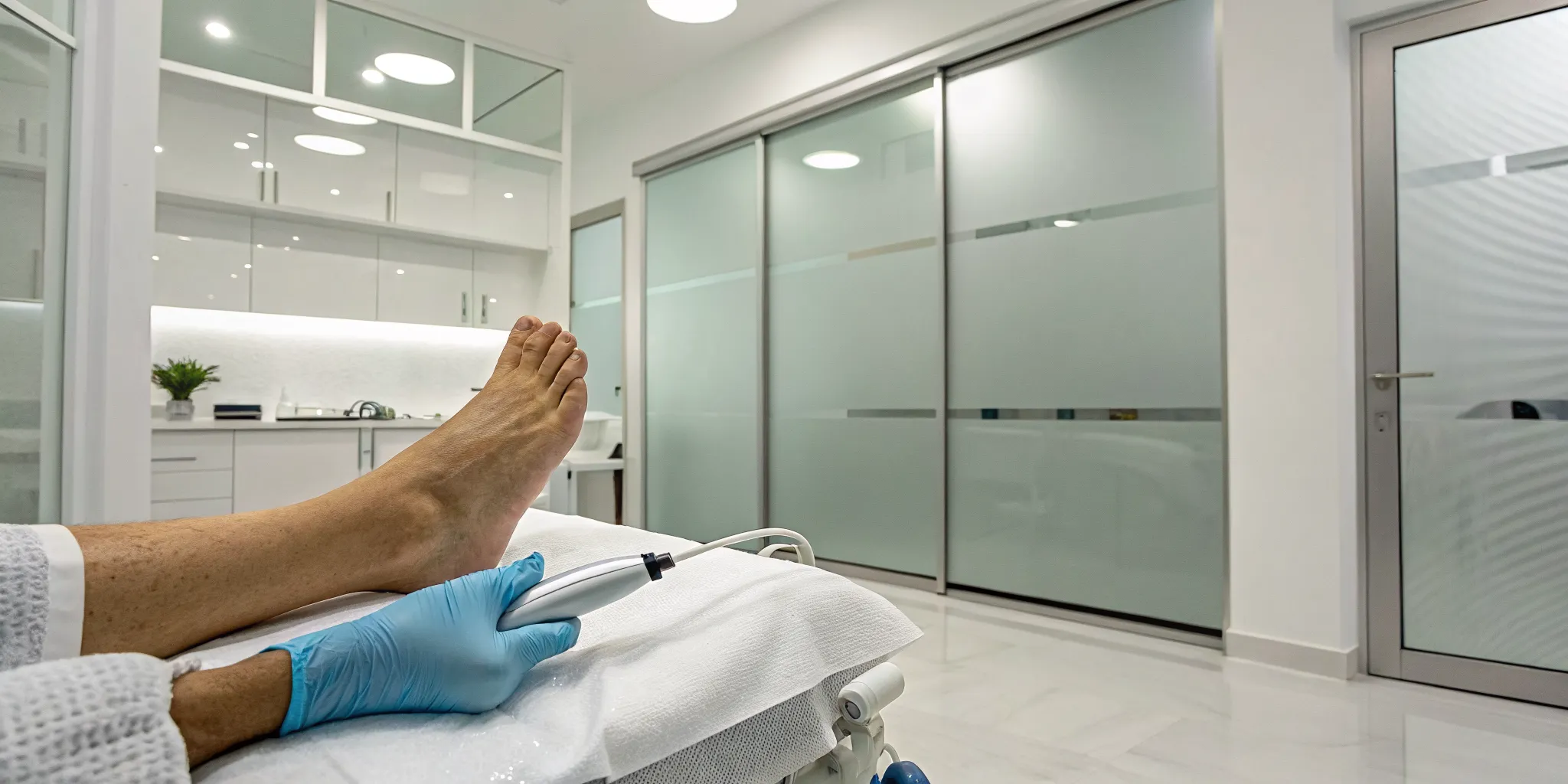
Once you have a treatment plan, your sessions will take place in our comfortable office setting. Depending on your specific needs, your treatment might involve Stem Cell Therapy, Shock Wave Therapy, or Class IV Laser Therapy. For example, if you’re receiving stem cell therapy, the process involves carefully taking stem cells from your own body, concentrating them, and precisely injecting them into the damaged tissue in your foot. These powerful cells then get to work rebuilding and strengthening your arch. Each of our regenerative services is minimally invasive, requires no general anesthesia, and is designed to activate your body’s own healing abilities.
Your Recovery: What to Expect After Treatment
One of the biggest advantages of regenerative therapy is the recovery. Because these treatments are injection-based and don’t involve incisions, the risks are lower and the healing process is much faster than with surgery. Most patients can walk immediately after their procedure and can return to their daily activities with very little interruption. The goal isn’t just to relieve pain temporarily but to strengthen the ligaments and tendons that support your arch for lasting stability. Over the following weeks, you’ll notice a gradual reduction in pain and an improvement in function as your body heals itself from the inside out. You can read about real patient stories to see how quickly others have returned to their active lives.
The Benefits and Risks of Regenerative Therapy
When you’re dealing with chronic foot pain, you want a solution that works with your active lifestyle, not against it. Regenerative therapy offers a powerful alternative to traditional treatments by focusing on healing from within. Like any medical procedure, it’s smart to weigh the advantages against the potential outcomes. Understanding the full picture helps you make an informed decision about your health and get back to the activities you love with confidence.
These treatments are designed to address the source of your flatfoot pain, helping your body repair the very tissues that support your arches. For many athletes and active individuals, this approach provides a path to recovery that aligns with their goals: minimal downtime and long-lasting results. Let’s look at what you can expect.
Enjoy a Faster, Minimally Invasive Recovery
One of the biggest advantages of regenerative therapy is that it helps you sidestep the long, disruptive recovery associated with traditional surgery. Instead of incisions, stitches, and hardware, these treatments involve precise injections that stimulate your body’s natural healing processes. This means you can avoid a lengthy period of immobilization and get back on your feet almost immediately.
Because our regenerative medical therapies are minimally invasive, the risks are significantly lower than with surgery. You won’t have to worry about the complications that can come with anesthesia or incisions. For athletes and anyone with a busy schedule, this is a game-changer. The goal is to get you moving again quickly and safely, without putting your life on hold for months of recovery.
Gain Long-Term Support for Your Active Life
Orthotics and pain medications can provide temporary relief, but they don’t fix the underlying problem. Regenerative therapy is different because it targets the root cause of adult-acquired flatfoot: weakened or damaged tendons and ligaments. By activating your body’s own repair mechanisms, these treatments help rebuild and strengthen the tissues that form your arch.
This isn’t just a quick fix. The goal is to create lasting stability and support for your feet. By repairing the damaged structures, you’re not just masking the pain; you’re restoring function. This approach provides a durable solution that can help you return to running, sports, and daily activities with less pain and more confidence for years to come.
A Look at Potential Risks and Side Effects
It’s important to have realistic expectations. Regenerative medicine is a powerful tool, but it’s not an instant miracle cure. Healing takes time, and results can vary from person to person. The process is gradual, as your body needs time to repair and regenerate tissue. Some patients may require multiple treatments to achieve their desired outcome.
The good news is that the side effects are typically minimal. You might experience some temporary soreness, swelling, or bruising at the injection site, but these issues usually resolve on their own within a few days. A thorough consultation with our doctor will help determine if you’re a good candidate and give you a clear understanding of the potential results and timeline for your specific situation.
Is Regenerative Therapy the Right Choice for You?
Deciding on a treatment plan for flat feet is a big step, and it’s smart to gather all the facts first. Regenerative therapy is an exciting field, but it’s important to have realistic expectations and understand if it aligns with your specific needs. This approach is all about working with your body, so the right treatment for you will depend on your unique condition, health, and activity goals. Let’s walk through what you should know to determine if this path is a good fit.
Clearing Up Common Myths About Regenerative Therapy
With any innovative medical treatment, myths can pop up. One common misconception is that regenerative therapy delivers instant, miraculous results. While these treatments are powerful, they work by stimulating your body’s own healing processes, which naturally takes time. Patience is part of the process as your tissues repair. Another myth is that these therapies are a one-size-fits-all solution. The truth is, your treatment plan is highly personalized. The effectiveness depends on your individual condition and overall health. That’s why we offer a range of regenerative services, ensuring your care is tailored directly to you.
Are You a Good Candidate for This Treatment?
Regenerative medicine offers incredible hope for people with flat feet, especially active individuals who want to avoid surgery. But is it right for you? A good candidate is typically someone dealing with pain or instability from adult-acquired flatfoot who wants to address the root cause, not just the symptoms. Your overall health also plays a role, as these therapies rely on your body’s ability to heal. Determining if you’re a suitable candidate starts with a conversation. During a consultation, Dr. Singh will assess your specific condition, discuss your lifestyle, and help you understand what results you can realistically expect.
What to Consider Before You Decide
Before you commit to a treatment plan, it’s helpful to think about your goals. Are you looking to get back to running without pain or simply walk more comfortably? Understanding what you want to achieve helps guide your decision. It’s also important to know that different regenerative therapies serve different purposes. For example, stem cell therapy focuses on rebuilding tissue, while shock wave therapy is excellent for reducing pain. These treatments are designed to address the orthopedic and soft tissue injuries common with flat feet. If you’re ready to explore your options, the next step is to ask questions and get personalized advice.
Related Articles
- Pain associated with peripheral neuropathy
- Fat Pad Injection Regenerated Medical Therapy: Cushioning for your feet
- Stem cell injections for severe nerve pain of the foot and ankle
Frequently Asked Questions
How quickly can I get back to my sport after regenerative therapy? This is one of the biggest advantages of this approach. Because these treatments are minimally invasive and don’t involve any incisions, the recovery is much faster than with surgery. Most patients are able to walk right after their procedure and can return to their daily routines almost immediately. Your specific timeline for returning to high-impact activities like running will depend on your personalized treatment plan, but the goal is always to get you back in motion safely and much more quickly than a surgical recovery would allow.
Is regenerative therapy for flat feet painful? Most patients report very little discomfort during the procedures. Treatments like Class IV Laser Therapy are completely painless. For injection-based therapies like stem cell or peptide therapy, you might feel a sensation similar to a standard shot. We take every measure to ensure you are comfortable throughout the session. Any minor soreness or swelling at the injection site afterward typically fades within a day or two.
Are the results from these treatments permanent? Regenerative therapy aims to create a long-lasting solution by healing the root cause of your flatfoot pain, which is the weakened tendon and ligament tissue. Unlike orthotics that only work when you wear them, this approach helps your body rebuild and strengthen your arch’s natural support structures. The goal is to restore your foot’s function from the inside out, providing durable, long-term stability and pain relief.
How many treatment sessions will I need? The number of sessions you’ll need is unique to you. It depends on the severity of your condition, your body’s individual healing response, and your personal activity goals. Some people achieve significant relief after just one treatment, while others may benefit from a series of sessions. We will create a clear and personalized treatment plan for you after your initial consultation and diagnosis.
Why should I try regenerative therapy before considering surgery? Regenerative therapy offers a way to heal the damaged tissue in your foot without the significant downsides of surgery. Surgical procedures often involve a long and demanding recovery, including weeks or months of immobilization. They can also permanently alter the mechanics of your foot. Our regenerative treatments are minimally invasive, allow you to walk immediately, and carry a much lower risk of complications, all while helping your body fix the underlying problem.