


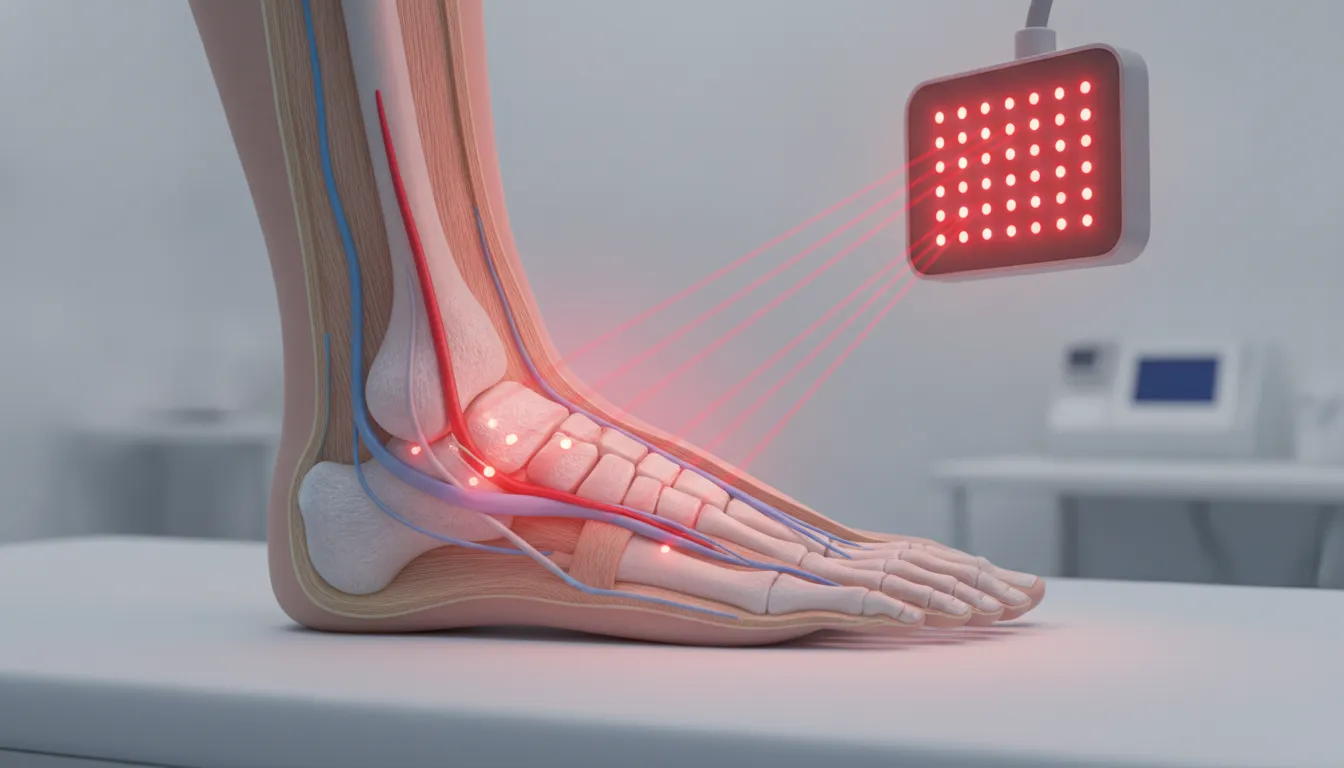

Tarsal tunnel syndrome can cause stabbing pain, burning, tingling, or numbness that may worsen at night or after time on your feet.
Request an appointment with Dr. Sutpal Singh to discuss persistent nerve-related foot pain.
Red light therapy for tarsal tunnel syndrome uses focused wavelengths of light in an effort to support cellular activity and ease symptoms as part of a clinician-guided plan. It does not release a physically compressed nerve or guarantee relief. Results depend on the cause, severity, and duration of symptoms. Dr. Sutpal Singh can evaluate whether this noninvasive option belongs alongside other treatment choices.
Before you try a new treatment, it is important to learn why your foot hurts. Dr. Sutpal Singh believes that life is motion, and his goal is to help patients keep moving. A careful evaluation starts by answering a basic question: what is tarsal tunnel syndrome?
Red Light Therapy For Tarsal Tunnel Syndrome: What is tarsal tunnel syndrome?
Tarsal tunnel syndrome is a type of nerve pain that hits the foot and ankle. It happens when a specific nerve gets squeezed or pinched. This nerve is the posterior tibial nerve. It runs through a narrow space on the inside of your ankle called the tarsal tunnel. This tunnel is made of bone and tough tissue. When the tunnel gets too tight, it puts pressure on the nerve. This nerve entrapment can cause pain that spreads from the ankle down into the foot and toes.
How foot nerve pressure starts
Many things can cause the tarsal tunnel to shrink or the nerve to swell. An old injury like a sprained ankle can lead to swelling that crowds the nerve. Some people have flat feet, which can tilt the heel and strain the tunnel. Other times, a small cyst or a swollen vein might take up too much room. Even simple things like shoes that are too tight can cause a flare up. Dr. Sutpal Singh often sees these cases in people who stay active but have hidden foot issues. Finding the root cause is the first step toward relief.
The squeezing of the nerve stops it from sending signals the right way. This can make your foot feel weak or strange. Many patients look for ways to heal without big surgeries. This is where regenerative red light therapy can help. It uses light to help cells fix themselves. It can also lower the swelling that causes the squeeze. Using red light therapy for tarsal tunnel syndrome is a gentle way to support your body while you recover.
Common signs and symptoms
The signs of this syndrome often feel like an electric shock. You might feel a sharp, shooting pain on the inside of the ankle. Some people say it feels like a burning feeling in the arch or the sole of the foot. Numbness and tingling are also very common. These symptoms often get worse after you spend a lot of time on your feet. You might even feel the pain at night when you are trying to rest. If you have these signs, do not ignore them.
It is easy to mix up this nerve pain with other foot problems. This issue can mimic plantar fasciitis or diabetic nerve damage. This is why a clear diagnosis is vital. Using Class IV laser therapy for tarsal tunnel can show how the nerve reacts. A pro like Dr. Singh can find out if your pain is from a tight tunnel or a different issue. Fixing the pressure early helps you get back to a life in motion.
Why early diagnosis matters
Ignoring the pain can lead to lasting nerve damage. Over time, the pressure can cause the muscles in your foot to get weak. This might change the way you walk or stand. In some cases, it can even cause the foot to change shape. The longer the nerve is squeezed, the harder it is to fix the problem without surgery. Getting help early gives you more options for healing. Non-surgical tools like light therapy work best when the damage is still fresh.
Can red light therapy help tarsal tunnel syndrome?
Red light therapy, also called photobiomodulation, uses selected wavelengths of light as a noninvasive treatment option. For someone with tarsal tunnel syndrome, it may be considered to support symptom management and tissue recovery. It does not remove every source of nerve compression, and it is not appropriate for every patient. A podiatric evaluation should come first.
How light waves help nerve pain
The light from these tools can reach deep into your foot. It helps by lowering swelling and boosting the way cells make energy. This process is key for nerve cell repair and better blood flow. In many cases, this can lead to less tingling and burning in the heel and arch. Studies show that this therapy can also help with nerve speed, which is how well your nerves send signals.
At our practice, Dr. Sutpal Singh often uses light as part of a full plan. We find that using it with other tools works best. For example, some patients see great results from Class IV laser therapy for tarsal tunnel. This high power light can act faster than home tools. Most people need about two to three visits per week for a few weeks to feel a big change.
Limits and getting a clear check
Red light therapy for tarsal tunnel syndrome has limits. It works best when the problem is new or caused by light swelling. If a bone spur or a cyst is pressing on the nerve, light alone may not fix it. This is why you need a clear check before you start any new tool. Tarsal tunnel can feel like other foot problems, such as diabetic neuropathy or heel pain. A doctor can make sure you are treating the right issue from the start.
Dr. Singh looks at each case to find why your nerve hurts. If light therapy is right for you, we set a clear path for your care. We focus on ways to keep you moving that do not need surgery. Our goal is to help you stay active without the need for metal parts or long rest times. If you have foot pain that will not go away, a check is the first step to find out if light can help.
Questions to ask your podiatrist before treatment
Dr. Sutpal Singh, DPM, FACFAS, believes that “Life is Motion and Motion is Life.” This means that every step of your care should focus on keeping you active. Before you start red light therapy for tarsal tunnel syndrome, you need a full checkup.
A doctor must find the cause of your nerve pain first. This helps make sure you get the right care for your needs. Dr. Singh provides a concierge model where he gives you his full focus and never double-books his time.
Why a clinical exam matters first
Tarsal tunnel syndrome happens when the posterior tibial nerve is pinched. This often causes burning, tingling, or numb feelings in the foot. But these signs can look like other foot problems.
For example, it can mimic diabetic neuropathy or plantar fasciitis. If a doctor gives you the wrong answer, it can lead to bigger issues. You might face foot shape changes or find it hard to walk if the nerve stays pinched for too long.
A detailed exam is the best way to start your path to relief. Dr. Singh looks at your foot, ankle, and how you walk. He will check how the nerve is acting and where the pressure comes from.
He avoids the use of internal hardware like screws or plates. Instead, he focuses on healing that lets you walk right away. Once he knows the cause, he can set up a plan with Dr. Singh’s doctor-led approach to help your body heal.
Key questions for your red light session
Asking the right questions helps you feel sure about your care. You should know how the light works on your nerves. Red light therapy uses specific light waves to help your cells make more energy.
This energy is needed for nerve repair and better blood flow. It is also helpful to know how this therapy fits with other choices like small-cut surgery. Knowing what to expect makes the whole process go much better.
- Ask about the light waves being used. Most good red light therapy uses waves near 660 and 850 nanometers to reach deep tissue.
- Find out how many sessions you will need. Many people start with two or three visits per week for about a month.
- Check if the therapy will be used with other treatments. Dr. Singh may use it with other tools to help you heal faster without a hospital stay.
- Ask how soon you might see results. Some patients feel less pain after only one to three sessions while others take more time.
- Confirm who will lead your care. At this practice, you get direct care from an expert doctor, not just a tech or staff.
Dr. Singh focuses on care that does not use big cuts or metal parts. This helps you get back to your life with less downtime. By asking these questions, you take charge of your foot health.
You also ensure that the therapy fits your goals for a fast and safe healing. This approach fits his goal of giving each patient high-end, personal care that works.
How red light therapy fits with other treatments
Red light therapy works best when you use it as part of a full care plan. Dr. Sutpal Singh often pairs it with other tools to help your nerves heal. It does not replace things like better shoes. But it helps your cells do their job. This tool fits well into a concierge model of care that looks at the whole foot. By using light, we can target the nerve while other tools fix how you walk.
Support for physical therapy and rest
Physical therapy helps move the nerve and stretch the foot. Red light therapy helps by giving your nerve cells more energy to heal. This can make your workout sessions feel better. It helps lower the pain while you work on your foot strength. Many patients find that they can do more in their therapy when they use light at the same time. It helps the body fix itself after a long day of movement.
Pairing with orthotics and footwear
Orthotics and new shoes fix how you walk and stand. They take the squeeze off the nerve in the ankle. While they stop the cause from the outside, red light therapy helps the nerve from the inside. This mix handles both the pressure and the pain of tarsal tunnel syndrome. It is a smart way to get back to an active life without needing surgery or strong drugs. You get the best of both worlds when you fix the path and help the nerve at the same time.
| Treatment Type | Main Focus | How it Helps Nerves | Healing Goal |
|---|---|---|---|
| Red Light Therapy | Cell energy | Speeds up repair | Lowers nerve pain |
| Orthotics | Foot alignment | Lowers pressure | Better foot path |
| Physical Therapy | Movement | Stretches tissue | Better range |
| Shoe Changes | Support | Stops rubbing | Daily comfort |
Mixing with other regenerative tools
Dr. Singh often uses red light therapy with other high-tech tools. For example, SoftWave therapy uses sound waves to start the healing process. While sound waves wake up the tissue, the red light gives the cells the fuel they need. This mix can help when your pain has been there for a long time. It is a full way to help your body heal without cuts or scars. Using regenerative treatment options can support your return to activity. Each plan is made just for you to get the best outcome.
Some people try to use one tool at a time. But Dr. Singh knows that the best results come from a full plan. Red light therapy for tarsal tunnel syndrome is most helpful when you also rest the foot. It works with your body to turn down the heat in the nerve. Most people see a change after just one to three visits. For the best result, we suggest two or three sessions each week for about a month. This timeline helps the nerve repair itself while you go back to your daily life. It is a safe choice that does not have the risks of steroid shots.
What to expect from a personalized treatment plan
A full plan for your foot pain starts with a meeting with Dr. Sutpal Singh. He looks at your symptoms and health history to find the cause of your nerve pain. This step is vital because a correct diagnosis keeps you safe from foot shape changes or loss of use. Dr. Singh uses a concierge model, so you get his full focus during each visit with no double-booking or long waits.
The first visit
During your first visit, the team will check if you need Class IV laser therapy for tarsal tunnel or other care. Dr. Singh checks the tibial nerve for signs of pressure or compression. He may use scans or tests to see how the nerve works. This personal touch ensures that red light therapy for tarsal tunnel syndrome is the right fit for your case. To get the most from your visit, you should come prepared with certain items:
- A list of your current medicines and vitamins.
- Past imaging like X-rays or MRI scans of your foot.
- A log of when your pain feels worst or what acts make it flare up.
- Soft shoes that are easy to take off for the exam.
Your light therapy sessions
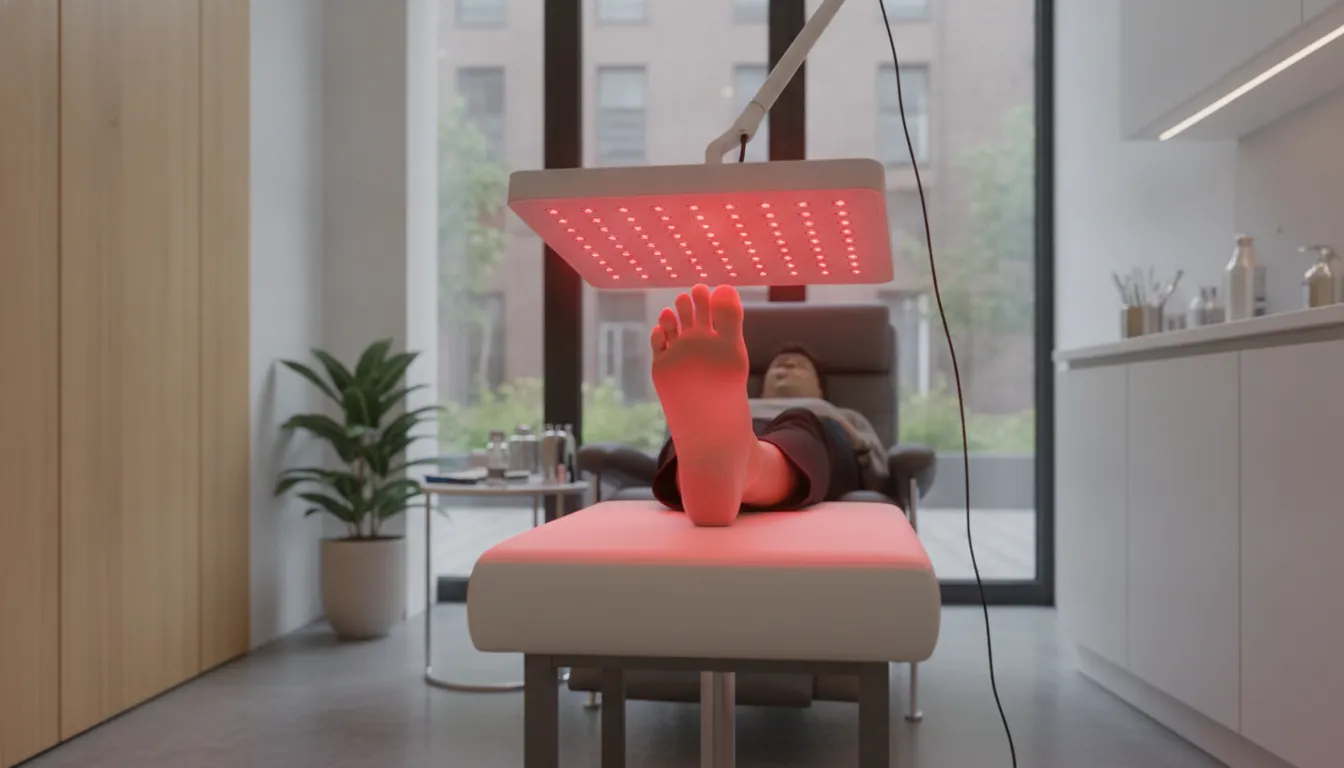
Each session usually takes about 10 to 20 minutes to complete. The care uses light at 660 and 850 nm to reach the deep tissues in your foot. You will often need to come in for two or three visits each week. A standard plan for regenerative red light therapy lasts about three to six weeks to get the best results. You will sit in a comfy chair while the device targets the painful spots on your ankle and foot.
The light works by helping your cells make more energy. This process is key for nerve repair and better nerve speed. Top studies show that this type of light care helps improve nerve pain by lowering swelling in the foot. Most people feel a change after just one to three visits. Dr. Singh’s goal is to help you move without pain, because he believes that life is motion and motion is life.
Tracking and safety
Dr. Singh will track your progress to make sure your pain goes down and your ability to move returns. Red light is safe and does not hurt. You will only feel a mild, soothing warmth on your skin. You should tell the staff if you feel any new heat or skin changes during the process. We want you to feel heard and cared for as you heal.
While many see quick gains, some cases of nerve pressure take more time to heal. If you have a sudden loss of feeling, cold toes, or a change in foot shape, you must call the office for an urgent check. These signs can mean a more serious issue that needs quick help. By staying with your plan, you give your body the best chance to repair and get back to your active life.
Why a doctor-led diagnosis matters
Getting the right answer about your foot pain is the first step to healing. In the northwest Chicago suburbs, many people try to fix their own pain with tools they buy online. But tarsal tunnel syndrome is a complex nerve issue. You need a specialist like Dr. Sutpal Singh, DPM, FACFAS, to find the root cause. His concierge model at the Comprehensive Foot and Ankle Institute in Hoffman Estates makes sure you get full care. This personal care helps him build a plan that fits your exact needs. He does not double-book patients, so you never feel like part of a pack.
The risk of a wrong diagnosis
Tarsal tunnel syndrome happens when the posterior tibial nerve gets squeezed inside the ankle. It is much less common than carpal tunnel, making it easy to miss. This issue can often mimic other foot problems like diabetic nerve pain or heel pain. If you treat the wrong issue, you could face bigger risks. A poor diagnosis may lead to foot deformities or lasting loss of function. Dr. Singh uses his deep skill to tell these issues apart. He makes sure your pain is not from a different nerve issue before you start any treatment.
Finding the root cause
A doctor-led diagnosis goes beyond just looking at the foot. Dr. Singh checks your walk, your medical history, and how you move. He looks for signs of nerve damage that a general doctor might miss. This is key because the tarsal tunnel is a tight space. Even small changes in your foot shape can press on the nerve. In his Hoffman Estates office, he uses modern tools to see how your nerves are working. This careful work means you get an answer based on facts, not guesses. You can trust that your plan will target the real problem from day one.
A safe plan for red light therapy
You might have heard about using personalized foot and ankle care for nerve pain. This method uses light waves to help cells make more energy. It can also improve how fast nerves send signals to the brain. While red light therapy for tarsal tunnel syndrome is a great tool, it works best when a doctor guides you. Dr. Singh looks at your whole health before adding light therapy to your plan. He may combine it with Class IV laser therapy for tarsal tunnel to help you heal. Most patients see results in as few as one to three sessions.
Dr. Singh believes that life is motion and motion is life. His goal is to keep you moving without using heavy hardware or major surgery. Most patients walk right away after his minimally invasive procedures. This concierge approach means he spends more time with you to track your progress. He serves patients in Hoffman Estates and across many counties like Cook, Kane, and DuPage. By choosing a doctor-led path, you avoid the traps of basic care. You get a plan designed to help you return to your active life in the suburbs.
Frequently Asked Questions
Can you reverse tarsal tunnel syndrome?
Yes, you can often reverse the pain from tarsal tunnel if you find the cause early. When you lower the stress on the nerve, it can start to heal. Tools like red light therapy help by reducing swelling and boosting cell energy. According to the National Institutes of Health, finding the problem fast prevents lasting nerve damage. Most people find relief with rest, better shoes, and care that avoids big surgery.
What aggravates tarsal tunnel syndrome?
Many things can make your tarsal tunnel pain feel worse. Standing for a long time or walking on hard ground puts extra stress on the ankle nerve. Shoes that are too tight or do not have enough arch support can also pinch the tunnel. Flat feet are a common cause of flare-ups because they tilt the heel in a way that pulls on the nerve. Staying active is good, but you must avoid moves that cause sharp, shooting pain in your arch.
Why don’t doctors recommend red light therapy?
A doctor may not recommend red light therapy when the diagnosis is unclear or a structure physically compresses the nerve. It may also be unsuitable when the available evidence does not fit a patient’s specific condition. Dr. Sutpal Singh first evaluates the cause of symptoms, then discusses whether clinician-guided light therapy belongs in a broader care plan.
How long does a red light therapy session last?
A single red light therapy session is very fast and easy. Most visits last about ten to twenty minutes. During this time, the doctor will place the light tool near your ankle to help the nerve heal. You will not feel any pain during the session. In fact, most people find the process very calm. According to experts, most patients see results in as few as one to three sessions when they use it for foot or ankle pain.
Ready to request an appointment and find relief?
Waiting to treat your foot pain can lead to more nerve damage and make it harder to walk or run as you get older. By starting red light care today, you can help your body heal faster and get back to your active life without the need for surgery. Our team at the Comprehensive Foot and Ankle Institute is here to help you find the best path to recovery with custom care plans today.
Request an appointment with Comprehensive Foot and Ankle Institute or call +1 331-444-6569 to discuss your symptoms and next steps with our team.