





Diabetic Foot Ulcer Specialist: Why Early Care Matters
Small wounds on the foot precede 85 percent of all diabetes-related amputations. Waiting for a minor ulcer to heal on its own puts your mobility at serious risk. Early intervention from a diabetic foot ulcer specialist can help protect your foot and mobility.
Request an appointment with Dr. Sutpal Singh for prompt, personalized diabetic foot ulcer care.
A diabetic foot ulcer specialist provides the expert care needed to prevent severe problems like infection and limb loss. These specialists use advanced tools to find early signs of nerve damage and poor blood flow that slow down healing. Because foot ulcers precede most diabetes-related amputations, getting professional help at the first sign of a wound is vital for your safety. A diabetic foot ulcer specialist creates a custom plan using regenerative therapies and minimally invasive procedures to close the wound quickly. This approach addresses both the surface wound and the basic blood flow issues that cause tissue breakdown. Working with a professional reduces your risk of long-term injury and protects your active lifestyle. Prompt care ensures that a small problem does not turn into a medical crisis.
Many patients do not know how fast a small skin break can become a deep infection. Understanding why early care from a diabetic foot ulcer specialist matters can help you act before a wound becomes a crisis. The path begins with prompt action.
Why early care from a diabetic foot ulcer specialist matters
A diabetic foot ulcer is a deep sore or wound on the skin. It most often forms on the bottom of the foot. These wounds are common for people with diabetes. In fact, about one-third of people with diabetes will face this issue in their life. These sores are the main cause of limb loss that does not come from an injury. When you find a sore, you must act fast. Seeing an experienced diabetic foot ulcer specialist can save your foot. Dr. Sutpal Singh at our office believes that life is motion. His goal is to keep you moving by stopping wounds from getting worse.
Why diabetic wounds are hard to feel
Many people with diabetes have nerve damage. This is a health issue called neuropathy. It can make your feet feel numb. Because of this, you may not feel a cut or a blister. You might even have a small rock in your shoe and not know it. Without pain to warn you, a tiny sore can turn into a deep hole quickly. This is why a daily foot check is vital. If you find a red spot or a break in the skin, you need expert help. A specialist looks for signs of poor blood flow and slow healing. They find problems before they lead to infection. Getting a professional diabetic foot ulcer treatment early is the best way to stay safe.
The risks of waiting for care
Delaying care can lead to big problems. Data shows that most limb loss cases start with a foot sore. About 14 to 24 percent of people with an ulcer will need a limb removed. But a foot ulcer is more than just a local wound. It is a sign of health issues in your whole body. It shows that your blood vessels may be weak. This can raise the risk of heart problems and death. Early care is not just about your foot. It is about your whole life. A specialist knows how to check your blood flow and nerve health. They use this data to create a plan that fits you. Fast action helps you avoid the hospital and stay in your home.
Special care for better healing
At our clinic, we offer a personal touch. Dr. Singh does not treat you like a pack of cattle. He gives you his full time and focus. We use advanced tools that regular clinics may not have. For example, we use Class IV laser therapy. We also use peptide shots to help your skin fix itself. If you need surgery, we use a method that needs no big cuts. We call this “poke hole” surgery. It uses small tools to fix bones or sores. This means you can often walk out of the office on the same day. You do not need a hospital stay or heavy drugs. This advanced diabetic foot care helps you get back to your life sooner. It protects your feet and your freedom.
Recognizing diabetic foot ulcer symptoms
Key warning signs to watch for
A diabetic foot ulcer looks like a red, deep wound or crater on the skin. It may have a clear liquid or blood around it. The wound can be on the ball of the foot, the heel, or under the big toe. Some key signs include warmth around the sore, swelling, redness, or a bad smell. The area may feel hard or callused at the edges. If you have neuropathy, you might not feel pain from the ulcer itself. Check your feet each day. If you see any of these signs, call a doctor right away.
When to contact a diabetic foot ulcer specialist
Even if a wound does not hurt, it still needs care. Many people with diabetes have nerve damage that stops them from feeling pain. This means a sore can grow deep before you even know it is there. You should see a skilled diabetic foot ulcer specialist right away if you find any of these changes.
How a diabetic foot ulcer specialist helps you heal
The specialist exam
Dr. Sutpal Singh and his team focus on the best ways to heal these wounds. They use tools like laser therapy and other new methods to help your skin mend. Do not let a small spot turn into a life-changing event. Reach out to a pro as soon as you see a sign of trouble.
What to expect at your visit
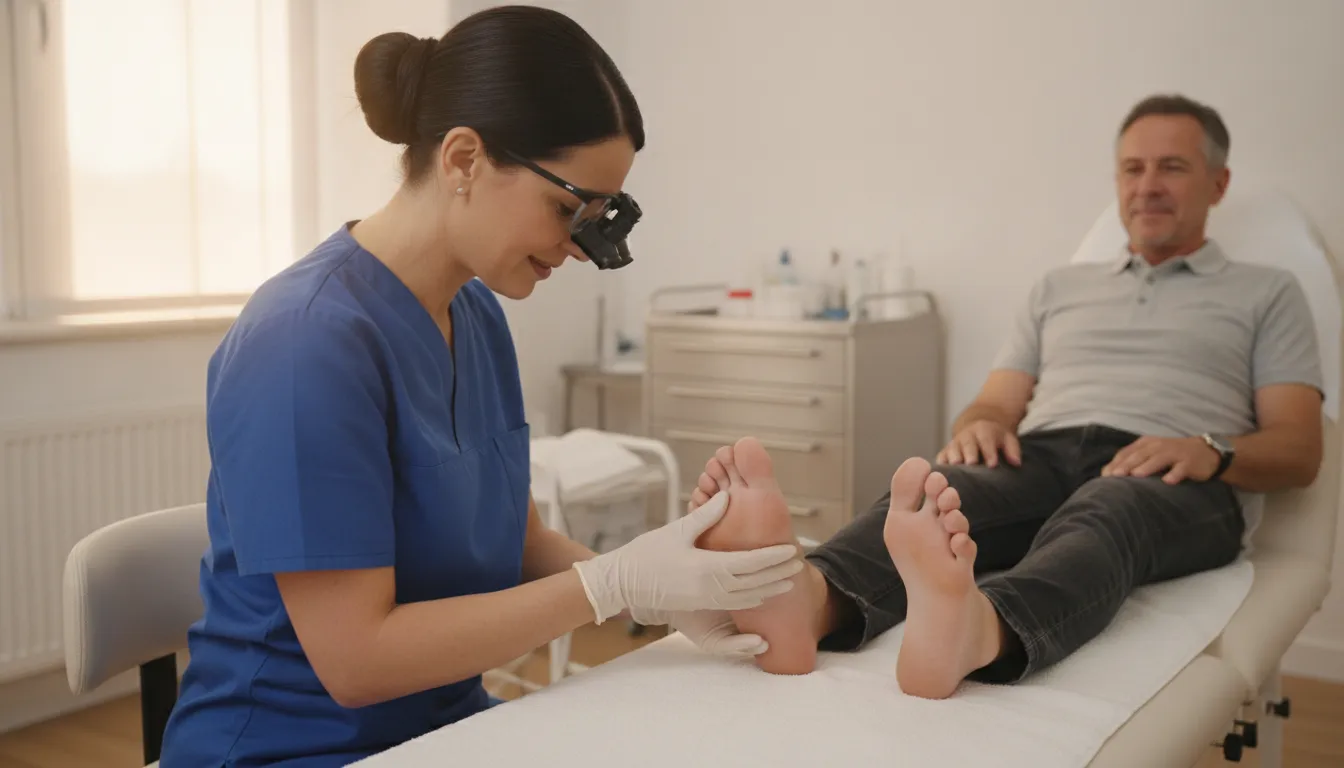
A visit to a diabetic foot ulcer specialist is very deep. You will not feel like a number in a busy clinic. Dr. Singh gives each person one-on-one time to find the best path to health. This visit is the first step to save your foot and keep you moving.
Diagnostic tools used
At your visit, the team will use some tests to see how deep the wound is. They may use a special tool to check the blood flow to the foot. The doctor may also do a nerve check. This is to see if you can sense touch, heat, or cold. The team may take a sample of the sore to test for germs. All these checks help the team create the best plan for you.
Treatment options for diabetic foot ulcers
Custom treatment planning at Comprehensive Foot and Ankle Institute
Every person gets a custom plan to fix a foot sore. At our clinic, Dr. Singh uses a concierge model to give you full care. A diabetic foot ulcer specialist will look at your health from many sides. The first goal is to find why the wound began. We check your nerves, blood flow, and how you walk. This deep look helps us pick the best tools to help you mend fast. We want to find the root cause so the sore does not come back.
Regenerative therapies for wound closure
Dr. Singh uses advanced therapies to bring life to a sore area. For example, he may use shock wave therapy to wake up cells and make them grow. This is a safe way to help small blood vessels form and bring oxygen to the wound. It can work when other types of wound care have failed.
Minimally invasive interventions
For some cases, a small procedure can help the wound close. Dr. Singh can cut away dead tissue under a local numbing drug. This helps new, fresh skin grow in its place. If the sore has reached the bone, he may need to take out a small piece of bone. He does this through a very small hole. These steps help stop the infection from moving deeper into your body.
These tools all help you get back to your life with less down time. So do not wait. Get help at the first sign of a wound. Your feet are the base of your life. Take care of them with expert help from Dr. Sutpal Singh.
How to prevent diabetic foot ulcers
Daily foot care habits
Taking care of your feet each day is the best way to stop ulcers. Wash your feet each day with gentle soap and warm water. Dry them softly. Put lotion on dry skin but not between the toes. Look at your feet each day for cuts, blisters, or red spots. Use a mirror to see the bottom of your feet if you need help. Tell your doctor right away if you find anything new.
Footwear and protection
Wear good shoes and socks that fit you well. Do not walk barefoot, even at home. Check inside your shoes for small rocks or rough spots before you put them on. Ask your doctor about special diabetes shoes if your feet have changed shape. These shoes can help stop pressure spots that cause ulcers.
Common questions about diabetic foot ulcers
What is the fastest way to heal a diabetic foot ulcer?
The fastest way is to see a specialist right away. Early care with the right treatment plan helps ulcers heal in weeks, not months. Each case is different. Your plan will depend on the size and depth of the wound and your blood sugar control. Using advanced tools like laser therapy and special wraps helps the wound close fast.
Can diabetic foot ulcers heal on their own?
No, diabetic foot ulcers do not heal well on their own. High blood sugar slows down the body’s normal repair process. Poor blood flow makes it even harder for the wound to get what it needs to mend. Without expert help, a small ulcer can grow and become infected. Infection can spread to the bone and lead to amputation. That is why you need the full care of a foot specialist who knows how to help these wounds heal.
What happens if a diabetic foot ulcer goes untreated?
If you do not treat a foot ulcer, it will get worse. The wound can grow deep into the tissue, reach the bone, and cause a bone infection. This is called osteomyelitis. An infection in the bone is very hard to treat. It may need long-term drugs or surgery. In the worst cases, the foot or leg must be removed to stop the infection from spreading to the whole body. Early care from a specialist can prevent this path.
How long does it take for a diabetic foot ulcer to heal?
Healing time depends on the size of the wound, your blood sugar, and blood flow. With good care, many ulcers heal in 4 to 8 weeks. Some complex wounds may take longer. Dr. Singh uses advanced treatments like laser therapy and special wraps to speed up healing. He also uses regenerative tools to help new tissue grow where the wound was.
Choosing a diabetic foot ulcer specialist near you
Finding a specialist in northwestern Chicago suburbs
You need a diabetic foot ulcer specialist who understands both basic health needs and complex wound care. A good specialist will look at all parts of your health to create a full plan. They should have the right tools and training to handle any type of wound. Look for a doctor with years of experience and good results from past patients.
Comprehensive Foot and Ankle Institute location
Our clinic is at 1555 Barrington Road, Medical Building 1, Suite 235, Hoffman Estates, IL 60169. We serve patients from Schaumburg, Palatine, Arlington Heights, Barrington, South Barrington, Rolling Meadows, Elk Grove Village, and all of the northwest Chicago suburbs. Contact our team to set up a visit.
Wound care takes a lot of time and close eyes to work well. In Hoffman Estates, Dr. Sutpal Singh uses this model to give each person the best care. He looks at the full picture, not just the sore. This means he can find and fix the root cause of the wound. His goal is to help you get back to your daily life with healthy feet.
Take the first step toward healing
Do not wait for a small sore to become a big problem. The best time to act is now. A dedicated diabetic foot care specialist can help you heal and protect your feet for the long term. Call us or book online to see Dr. Sutpal Singh. He will give you a deep check and create a plan to help you heal. Your feet carry you through life. Let us help you keep them healthy.