




Bunion Pain: When to See a Podiatric Surgeon
Bunion pain should be evaluated by a podiatric surgeon when it persists despite roomier shoes or padding, limits walking or daily activities, or comes with continuing swelling or joint stiffness. At Comprehensive Foot and Ankle Institute, Dr. Sutpal Singh provides doctor-led evaluations and personalized treatment recommendations, including regenerative and minimal-incision options when clinically appropriate.
Request an appointment for persistent bunion pain to get a personalized evaluation from Dr. Singh.
What does bunion pain feel like?
Direct answer: Bunion pain may feel like aching, throbbing, burning, or sharp pain at the base of the big toe. It often worsens with narrow shoes, standing, or walking and may come with redness, swelling, stiffness, or rubbing.
Many people notice a firm bump at the base of their big toe long before they feel any real pain. Over time, that bump can start to ache or throb, making even short walks feel like a chore. Bunion pain often starts as a dull soreness that comes and goes based on your footwear or how much you move.
Common feelings of bunion pain
For many, bunion pain feels like a constant ache deep within the joint of the big toe. You might feel a sharp, stabbing sensation when you wear tight shoes or stand for long periods. The skin over the bump often becomes red, warm, and swollen, which can lead to a burning feeling. This skin rubbing often gets worse if your shoes press against the bony bump while you walk.
Some patients also deal with numbness or a tingling sensation if the bump presses on nearby nerves. After a long day on your feet, you may find that icing the bunion helps to ease the heat and swelling. If the pain stays the same even when you rest, it may be a sign of deeper joint stress or swelling. The pain might even keep you awake at night or make it hard to put on any shoes at all.
Why bunions hurt
A bunion is more than just a bump on the side of your foot; it is a change in the bone structure. When the big toe leans toward the second toe, it forces the joint at the base out of place. This shift creates a lot of pressure on the joint when you walk or shift your weight. The joint must carry much of your body weight with every step you take.
When the bones are out of line, the joint cannot move smoothly as it should. This lack of alignment leads to friction and stress on the soft tissues and fluid sacs around the bone. Over time, this constant stress can lead to osteoarthritis or hammer toes in the affected foot. The pressure also causes the big toe to push against the other toes, which can cause pain across the entire ball of your foot.
When to seek expert care
You can often manage mild symptoms by switching to roomier shoes or using soft protective pads. These effective alternatives to bunion surgery can help slow the shift and lower your daily pain. Some people also find relief by using shoe inserts that help spread out pressure across the foot. But if the pain makes it hard for you to do daily tasks, you should talk to a foot specialist.
Pain that persists despite changes in your footwear or activity is a clear sign that you may need help. You should also watch for signs like a stiff big toe or a bump that is growing larger and more red. Ignoring severe pain can lead to permanent joint damage or changes in how you walk. Dr. Singh can help you find a path to relief that uses advanced tools to get you back on your feet quickly.
When should bunion pain be evaluated by a podiatric surgeon?
Direct answer: Schedule an evaluation when bunion pain limits walking or activities, persists despite shoe changes and padding, or is accompanied by increasing deformity, stiffness, numbness, redness, or swelling.
A bunion is a bony bump that forms on the joint at the base of your big toe. While many people think of them as a matter of looks, bunion pain can become a serious problem. It is vital to know when to seek expert care before the joint damage gets worse.
Chronic pain that limits daily life
You should see a surgeon if your foot pain lasts for a long time despite resting. Constant pain can make it hard to wear shoes or stand for more than a few minutes. If a bunion causes severe problems, surgery is often the only treatment that helps. Waiting too long can lead to more pain in other parts of your foot or even your back.
Our goal is to help you get back to the things you love. Dr. Singh uses a concierge model to give every patient the time and care they need. We focus on finding the right plan for your life so you can stay active without constant foot ache.
Changes in foot shape and function
Watch for changes in how your foot looks and works. If your big toe starts to lean toward your other toes, it can cause them to cross over each other. This shift can lead to sores, corns, or calluses that do not heal. You may also feel numbness or a burning feeling in your toes. These are signs that the joint is moving out of its proper spot.
For active people in places like Hoffman Estates and Schaumburg, these changes can stop you from playing sports. Foot strength is vital for a healthy life. Surgery for bunions aims to relieve pain and restore your ability to walk well again. Our regenerative medical therapy for bunions focuses on keeping you moving with minimal downtime.
When home care stops working
Many patients start by using wide shoes, pads, or ice to manage the ache. If these home steps no longer provide relief, it is time for an expert check. You should not have to change your whole life because of a bump on your foot. A podiatric surgeon can look at the bone shape and see how much the joint has changed.
At our office, we offer advanced care from Dr. Singh, who has over 30 years of experience. We use a minimal incision bunion surgery that does not require screws or plates. This method helps you recover faster so you can return to your daily life. Seeking help early can often lead to simpler options before the bunion becomes too severe.
What can you try before considering bunion correction?
Direct answer: Roomy shoes, protective padding, activity changes, ice, and supportive inserts may reduce mild bunion pain. These measures do not correct the underlying alignment, so persistent symptoms still warrant an evaluation.
Most people can manage early bunion pain by making small changes to their daily habits. These methods do not fix the bone, but they can help you stay active and comfortable. If your pain continues after trying these steps, it may be time to talk to a specialist about minimal incision bunion surgery or other advanced options.
Change your footwear
The first step in managing bunion pain is often as simple as checking your shoes. Narrow or tight shoes can put a lot of pressure on the big toe joint. Switching to shoes with a wide toe box gives your toes more room to move. This change reduces friction and helps stop the bump from getting worse. You should also avoid high heels, which push your weight forward and cramp your feet.
Add support and padding
You can use over-the-counter tools to protect the sore spot on your foot. Padded shoe inserts can help spread out pressure evenly when you move your feet. These shoe inserts may even slow the bunion from growing. Gel pads or moleskin can also act as a shield between the bunion and your shoe. This prevents the skin from becoming red or irritated during the day.
Follow these steps for home relief
If you have a flare-up of pain after a long day, you can follow a simple sequence to find relief at home. These steps help reduce swelling and calm the nerves in your foot.
- Rest your feet: Take a break from long walks or standing to let the joint recover from pressure.
- Apply ice: You can ice your bunion for 15 to 20 minutes to help relieve soreness and swelling.
- Use medicine: Talk to a doctor about using non-prescription pills like ibuprofen to help with inflammation.
- Try stretching: Gentle toe stretches can keep the joint flexible and reduce stiffness in the morning.
- Track your pain: Note which activities make the ache worse so you can share that data with your podiatrist.
When to seek expert help
While home care is a great start, bunions are progressive and will not go away on their own. If bunion pain persists despite these treatments, surgery is often the only thing that helps. At our practice, we focus on a concierge model. Dr. Singh uses his 30 years of experience to offer effective alternatives to bunion surgery that prioritize fast recovery and your active lifestyle.
What happens during a bunion evaluation?
Direct answer: A bunion evaluation reviews your symptoms, activity goals, foot alignment, gait, and imaging when needed. The goal is to identify why the joint hurts and match treatment to your specific foot and lifestyle.
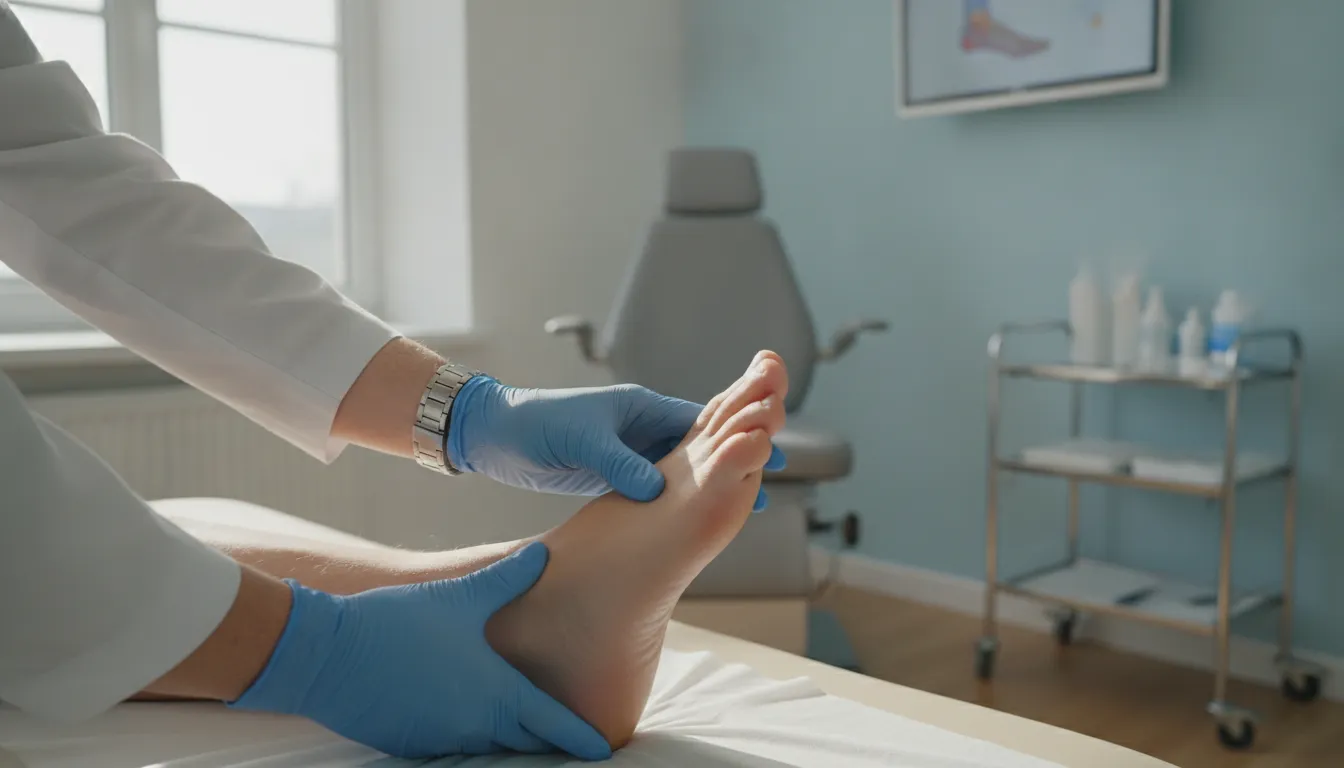
When you visit a specialist for bunion pain, the process starts with a full review of your foot health and daily habits. Dr. Singh uses a concierge approach to ensure he hears your concerns without any rush. This first step helps him find the best path for your unique needs and lifestyle.
Your health and activity goals
The first part of the checkup focuses on how your feet feel and how they affect your life. You will talk about where you feel pain and what activities make it worse. Whether you play pickleball or walk for work, your activity goals are key. Dr. Singh also looks at your shoes to see how they fit and if they add pressure to your big toe joint.
A full review of your health history is also part of this talk. This is helpful if you have other issues like diabetes that need careful foot care. You can find effective alternatives to bunion surgery if your pain is mild. But if the pain stays even after you change your shoes or use pads, it may be time for a more direct fix.
Physical exam and gait study
Next, Dr. Singh will check your foot while you sit and stand. He looks for swelling, redness, and how much your big toe can move. A bunion evaluation often includes a study of how you walk, which is called your gait. This shows how your weight shifts and if your foot flatly hits the ground.
He will check for other issues that bunions can cause, such as hammertoes or sore spots on the sole. Seeing how the bunion changes your foot shape helps him plan a fix that brings back balance. This exam is vital for choosing the right minimal incision bunion surgery if you need it.
Imaging and custom care plans
To see the bones clearly, Dr. Singh may use X-rays in the office. This shows the angle of the big toe joint and how much the bone has shifted. Clear images help him decide if surgery is the only path to help, especially if bunion pain persists after other care. These scans ensure the plan is precise and safe for your bones.
Once the checkup is done, you get a custom plan made just for you. This might include regenerative medical therapy for bunions like laser or stem cell therapy. The goal is to get you back to your active life with a plan that fits your needs. You will know exactly what to do next to stop the pain and move well again.
How can minimally invasive bunion correction differ?
Direct answer: Minimal-incision bunion correction uses precise instruments through a small poke-hole opening to realign the bone. For appropriate patients, Dr. Singh may perform treatment in the office under local anesthesia without screws, plates, or internal hardware.

When bunion pain stays after trying wide shoes or pads, many people think of big surgery. Traditional foot surgery often uses large cuts and long rest times. But modern care can offer another path. These methods focus on small openings and precise tools to correct the joint.
Ask whether a minimal-incision approach may fit your foot and activity goals.
The role of small incisions
In many cases, a doctor can use keyhole surgery to provide minimal incision bunion surgery. This way needs only tiny pokes or very small cuts in the skin. Because the openings are small, there is less harm to the soft tissue around the bone. This often leads to less swelling and lower risk of marks after healing. People with less severe joint shifts are often the best candidates for this approach according to the National Institutes of Health.
Hardware vs no-hardware techniques
Many standard surgeries use metal screws or plates to hold the bone in place. While helpful for some, these parts can stay in the body for life or may need more surgery if they cause pain. A expert practice may offer a no-hardware approach for some cases. This way uses exact tools to shift the bone through a small poke hole. The goal is steady alignment without adding metal parts to the foot.
Recovery and healing speed
Healing from a standard foot surgery can take weeks of rest. In contrast, many patients at a concierge practice can walk on the same day as their work. This is often because the doctor uses local numbing instead of full sleep. Some clinics also use regenerative medical therapy for bunions like laser or cell therapy to help the body heal. This aims to get people back to an active life with less downtime.
| Feature | Traditional Surgery | Minimally Invasive |
|---|---|---|
| Incision Size | Large open cut | Small poke hole |
| Internal Hardware | Screws and plates | None or very few |
| Anesthesia | General sedation | Local numbing |
| Walking Time | Often delayed weeks | Typically same day |
| Recovery Place | Hospital or center | In-office setting |
| Soft Tissue Harm | High impact | Low impact |
Every foot is unique, and not every bunion is the same. A full check by a expert is needed to find the best plan. Facts like bone health and how much the toe has shifted will change what is possible. While many seek fast fixes, the goal is always long-term foot health and ease.
Where can regenerative therapy fit into a bunion pain plan?
Direct answer: Regenerative therapies may be considered to manage inflammation, soft-tissue irritation, and discomfort around a bunion. They do not realign the bone, and suitability is determined through consultation.
Regenerative therapy uses the body’s own power to heal. It is often a key part of a plan for bunion pain. These options do not move the bone or fix the bump on your toe. But they can be very helpful for handling swelling and soreness. At our office, we use these tools to help you stay active without a long wait. We focus on finding the right fit for your foot health.
Help for bunion pain and swelling
Pain from a bunion often comes from swelling in the joint. High-power laser tools and shock wave therapy can help with this. These tools use light or sound waves to reach deep into the foot. This process can help ease the ache that makes it hard to walk. Many people find that non-surgical options like these provide good relief. They offer a way to manage symptoms without using harsh drugs.
Dr. Singh often uses Class IV laser therapy to treat pain. This laser sends energy into the foot to boost blood flow. This help can lower pain levels and make the area feel better. It is a quick and easy option done right in the office. It does not require any cuts or downtime. You can often return to your daily tasks right after the visit. The treatment is fast and does not cause pain.
Shock wave therapy is another great tool for foot care. It uses sound pulses to trigger the body’s repair system. This can be very helpful for chronic pain that does not go away. It works well for those who want to avoid shots or pills. This approach has many benefits for active patients:
- Boosts blood flow to the joint
- Reduces the need for pills
- Speeds up the repair process
- Can be done in a short visit
By boosting the natural healing process, it helps the joint feel more stable. Most patients see a change after just a few sessions.
Pairing therapy with surgery
If you choose to have a surgical step, regenerative therapies may support the healing plan when clinically appropriate. Surgery for bunions is aimed at relieving pain and giving the foot better support. We often combine regenerative medical therapy for bunions with our minimal incision surgery. This may include stem cell injections. These cells work to repair tissue and lower swelling after the bone is set. This helps the foot heal in a much shorter time.
This combined approach helps many patients walk again on the same day. It also leads to less swelling and no big scars. These care plans are not the same for every person. You will need a full meeting to see which options fit your needs. Some of these tools may require self-pay, as they are not always covered by insurance. We will talk about all costs before we start any work.
Expert care in Hoffman Estates
Dr. Singh has over 30 years of work as a foot expert. He serves patients in Hoffman Estates and the northwest Chicago suburbs. Our practice focus is on your specific health goals. We want to help you keep moving and get back to the life you love. “Life is Motion and Motion is Life” is a core value for us. We believe everyone should be able to walk without pain.
We offer a personal care model where you always see the doctor. You will never feel like a number in a busy clinic. Dr. Singh takes the time to listen to your concerns. He builds a plan that works for your life and your feet. This concierge style of care ensures you get the best help. We take pride in helping our neighbors stay on their feet and stay active.
Questions to ask before choosing bunion treatment
Direct answer: Ask what is causing your pain, whether conservative or regenerative care may help, how a proposed procedure works, whether hardware is used, when you may walk, and what risks and recovery expectations apply.
Choosing how to fix a bunion is a big step. Each foot is different. What works for one person might not work for you. You should get ready for your visit by listing clear questions for your doctor. This helps you find out about your choices. Options range from other ways to treat bunions to new ways to fix the bone.
Knowing your treatment path
Start by asking if you are a good fit for certain care. Many people try easy steps first. You might use wider shoes or padded shoe inserts that spread out pressure. If these do not help, you may need a more direct way to find relief. You can ask about using regenerative care for bunions to help your body heal.
Ask what the goals of the care are for your foot. Most care aims to stop bunion pain and make the foot stable. This helps you walk well again. You should also ask what happens if you do nothing. Waiting too long can lead to other issues like hammer toes or joint pain.
Healing and daily life
Next, ask about the steps of the work and the healing time. You should know if the doctor uses screws or plates. Modern ways to fix bunions often use no metal hardware at all. This can change how your foot feels as it heals. Ask if the work happens in a private office or a big hospital. In-office care with a local numbing drug is often a choice that saves time and stress.
You also need to know about walking and time away from work. Ask when you can stand on your foot again. Many patients can walk the same day they have their work done. It is also smart to ask if the doctor uses therapies such as laser treatment or biologic injections may fit the recovery plan. Ask what each option is intended to address, what evidence supports it, and what outcomes are realistic. You may want to ask how many times you will need to come back for check-ups. Knowing these facts helps you plan your life during the weeks of healing.
Setting clear goals
Last, talk about what you want to see after care. Ask how soon you can go back to sports or wear your normal shoes. No doctor can promise a perfect result for every person. But they can tell you what most people see. A good plan will focus on your needs and how much you move. This talk ensures you and your doctor agree on the plan before you start.
Frequently Asked Questions
Direct answer: Common bunion pain questions focus on whether bunions progress, which activities worsen symptoms, whether exercises help, and what walking may look like after a procedure. Individual answers depend on your examination and treatment plan.
Are bunions progressive and do they correct themselves?
Bunions are a worsening foot issue. They will not go away or fix themselves on their own. They tend to get worse over time if they are not treated. According to the National Center for Biotechnology Information, surgery may be considered when a bunion causes severe pain and conservative measures are not enough. Early care can help manage pain and may slow how fast the joint moves out of place.
What causes bunion pain to get worse?
Many things can make a bunion more painful as time goes on. Tight or narrow shoes put extra pressure on the big toe joint. This stress can cause the area to swell and become very tender. Constant rubbing against the inside of a shoe often leads to thick skin or sores. Too much use from high impact sports can also increase strain. Choosing shoes with a wide toe box can help reduce some of this daily pain and rubbing.
Can exercise help alleviate bunion pain?
Special foot moves and stretches can help keep the big toe joint loose and limber. While these moves will not fix the bone, they can reduce stiff feelings and muscle strain. Keeping the foot strong may help you walk with less pain each day. You can also use toe spacers to help keep the toes from rubbing together. If pain lasts, you should talk to an expert about long term care plans and other treatment paths.
Can I walk right after bunion surgery?
Most patients at our practice can walk on the same day as their bunion fix. We use a unique method that needs no large cuts or hardware like screws and plates. Because the approach uses local anesthesia and small instruments, appropriate patients may be allowed to walk the same day under Dr. Singh’s guidance. Your activity limits and healing timeline depend on the procedure and your individual recovery.
Request a personalized bunion pain evaluation
Direct answer: If bunion pain limits your daily activities or continues despite conservative care, a personalized evaluation can clarify your options. Treatment recommendations depend on your symptoms, examination, imaging, health, and goals.
At Comprehensive Foot and Ankle Institute in Hoffman Estates, Dr. Sutpal Singh, DPM, FACFAS, provides attentive, doctor-led care without a high-volume clinic experience. He can explain conservative care, regenerative therapy, and minimal-incision correction when clinically appropriate. Outcomes and recovery vary, and no treatment can be guaranteed.
Request an appointment online or call 331-444-6569 to discuss your bunion pain.