



Thinking about the laser plantar wart removal cost requires looking beyond the initial price per session. It’s about understanding the total value of the treatment, especially when your mobility is a top priority. What is the value of avoiding surgery? How much is a quick recovery with no downtime worth to your training schedule? Unlike other methods that can lead to repeated visits and frustrating results, laser therapy is a direct investment in a more permanent solution. This guide will walk you through the financial aspects, explaining how factors like wart size and the number of treatments determine your final bill. We’ll help you see the full picture, so you can weigh the cost against the significant benefits of getting back to your life faster.
Key Takeaways
- Cost is more than the per-session price: The final cost of laser wart removal depends on your wart’s size and the number of treatments needed. While it may seem more expensive upfront, its efficiency often means fewer appointments and a much faster recovery, providing better value in the long run.
- Your treatment plan is unique to you: Most patients need between one and four laser sessions to see complete results. Appointments are typically scheduled four weeks apart, giving your skin the time it needs to heal and ensuring the treatment is as effective as possible.
- Check for medical necessity to see if insurance will help: Insurance is more likely to cover the procedure if your wart causes pain or interferes with your daily activities. Our clinic can provide you with the detailed medical paperwork required to submit a claim directly to your provider.
How Much Does Laser Plantar Wart Removal Cost?
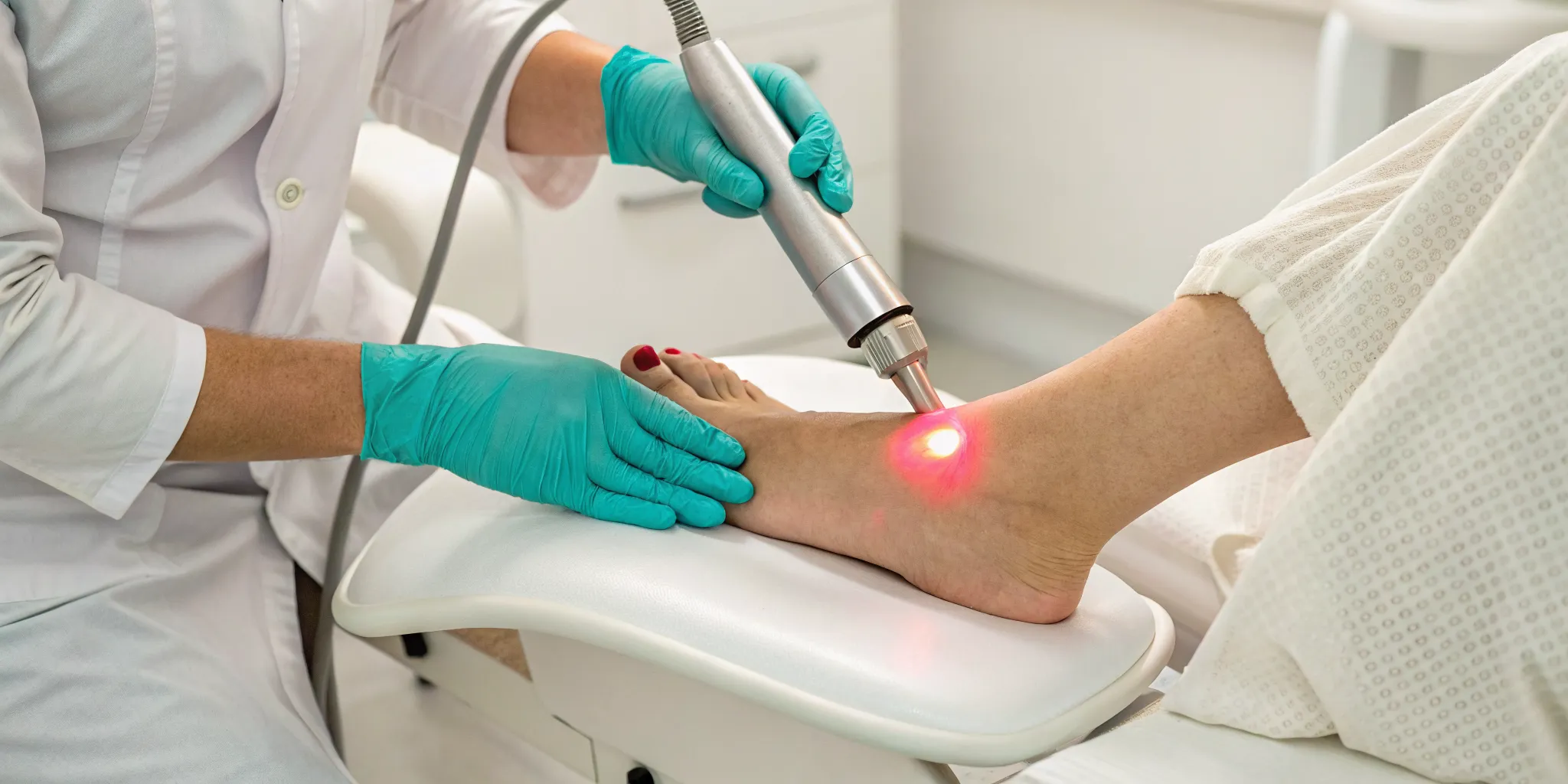
Let’s get right to it, because cost is a major factor when you’re deciding on any medical treatment. When it comes to laser plantar wart removal, there isn’t a single price tag. The final cost depends on several things, like the size of your wart and how many sessions you’ll need. Think of it as an investment in your health and mobility. Unlike older methods that can involve cutting or freezing, laser therapy is a modern approach that targets the wart directly without damaging the surrounding skin. This precision is why it’s such a great option for athletes and anyone who wants to get back on their feet quickly.
Our clinic specializes in advanced, non-invasive regenerative therapies that help your body heal itself. Laser treatment fits perfectly into this philosophy. It’s designed to be effective and efficient, helping you avoid the lengthy downtime that comes with more invasive procedures. While the upfront cost might seem different from other options, it’s important to consider the total value, including fewer visits, faster recovery, and a lower chance of the wart returning. We believe in transparent pricing and will walk you through a personalized treatment plan so you know exactly what to expect.
Comparing Laser vs. Traditional Removal Costs
When you start looking at prices, you’ll notice a difference between laser therapy and older methods. A single laser session can range from $250 to over $1,000, which is higher than traditional options. For comparison, freezing treatments (cryotherapy) often fall between $100 and $300 per session, while surgical removal might cost between $200 and $500.
However, the per-session price doesn’t tell the whole story. Laser treatments are highly targeted and can often resolve the issue in fewer visits than freezing, which may require multiple appointments. And unlike surgery, there are no incisions, which means a much smoother and faster recovery. For active people, less downtime is a huge benefit that makes laser wart removal a very attractive and often cost-effective choice in the long run.
How Location Affects the Price
Your geographic location plays a significant role in the cost of medical procedures, and laser wart removal is no exception. You’ll generally find that prices are higher in major metropolitan areas compared to smaller towns, reflecting differences in clinic overhead and the local cost of living. Here in the greater Chicago area, including communities like Schaumburg, Palatine, and Barrington, the cost is competitive for the high level of care and advanced technology provided.
The best way to get an accurate idea of what you’ll pay is to schedule a consultation. This allows a specialist to assess your specific situation and provide a detailed quote. If you’re in our service area, we encourage you to contact our office to discuss your treatment plan and get clear, upfront pricing.
What Factors Into Your Final Bill?
When you’re trying to budget for laser wart removal, you’ll find that there isn’t a single, flat fee. The final cost is a bit like a personalized prescription; it’s tailored to your specific situation. Several key elements play a role in determining what you’ll pay, and understanding them upfront can help you feel more prepared and confident in your treatment plan.
Think of it this way: a tiny, new wart on the surface of your skin is a much different challenge than a deep, stubborn cluster that has been there for months. The first might be a quick fix, while the second requires a more intensive approach. The technology used by the clinic and the expertise of the specialist also contribute to the overall investment. A clinic using the latest Class IV laser therapy offers a higher standard of care that often leads to better, faster results, which is especially important when you want to get back to your active lifestyle quickly. The goal is to create a treatment plan that is not only effective but also efficient, getting you the best outcome in the fewest number of visits. We’ll break down these main components so you can see exactly what goes into building your final bill and why a customized approach is so important for success.
Wart Size and Severity
The size, depth, and overall severity of your plantar wart are the biggest factors in the cost of removal. A small, single wart that hasn’t had much time to take root is relatively straightforward to treat. However, if you’re dealing with a large wart, a deep one that has burrowed into the thick skin of your foot, or a cluster of them (known as mosaic warts), the procedure becomes more complex. These more severe cases require more time, precision, and energy from the laser to effectively target and destroy the entire wart tissue. The type of wart and its location also influence the treatment strategy and, consequently, the price.
Number of Sessions Needed
Plantar warts can be incredibly stubborn. Because they live in the tough skin on the bottom of your feet, they often require multiple treatments to be fully eliminated. While some minor warts might be gone after just one or two sessions, it’s more common to need a series of appointments. Most patients need between one and four treatments to see complete resolution. Stubborn warts that have been present for a long time are more resilient and may require additional sessions. Each visit builds on the last, gradually breaking down the wart tissue until it’s gone for good. Your final bill will reflect the total number of treatments needed to get you back on your feet, wart-free.
Clinic Technology and Provider Experience
The quality of the tools and the skill of the person using them matter immensely. A clinic that invests in advanced laser technology provides a more precise and effective treatment, which often leads to higher success rates and a lower chance of the wart returning. While the upfront cost might be higher than older methods, it can save you money and frustration in the long run by requiring fewer sessions. Likewise, the experience of your provider is crucial. Seeing a specialist like our doctor, who has extensive experience in treating foot and ankle conditions, ensures you receive expert care tailored to your specific needs. This expertise helps create a more effective and efficient treatment plan.
Will Insurance Cover Your Treatment?
One of the first questions people ask about laser plantar wart removal is about insurance coverage. The answer isn’t always straightforward, as it depends heavily on your specific insurance plan and why you’re seeking treatment. Most insurance providers will only cover procedures they consider “medically necessary.” This means a simple cosmetic removal might not make the cut, but a wart that’s causing you real problems likely has a better chance.
The key is to understand your policy and get a professional medical opinion. During your consultation, we can assess your situation and determine the best course of action. While we can’t guarantee what your insurance will decide, we can provide you with the right information to help you make your case. We’ll walk you through what insurance companies typically look for and what documentation you’ll need to submit a claim. Our goal is to make this process as clear as possible so you can focus on getting back on your feet, pain-free. We understand that dealing with insurance can be a headache, which is why our team is committed to supporting you every step of the way. From the initial assessment to providing the final paperwork, we want you to feel confident and informed about your treatment options and potential costs.
What Qualifies as “Medically Necessary”?
So, what does “medically necessary” actually mean to an insurance company? Generally, it means the wart is more than just a cosmetic issue. If your plantar wart is causing significant pain when you walk, run, or stand, it often meets the criteria. The same goes for warts that are bleeding, showing signs of infection, or spreading to other parts of your foot.
According to some dermatologists, insurance might cover wart removal if a doctor confirms it’s causing these types of problems. A thorough evaluation from a specialist like our doctor is the first step. We will document the wart’s impact on your daily life and mobility, which is exactly the kind of evidence your insurance provider needs to see.
Getting Your Paperwork Ready for Approval
Dealing with insurance paperwork can feel overwhelming, but we’re here to help. While our clinic may not bill your insurance company directly for laser wart removal, we can equip you with all the necessary documentation to submit a claim on your own. This typically includes a detailed invoice with the correct medical codes and a letter explaining the medical necessity of the procedure.
Many specialty clinics operate this way, providing patients with the necessary paperwork to seek reimbursement. We’ll make sure you have a complete and accurate file to send to your provider. Just let our front desk staff know what you need, and they will prepare everything for you.
Your Out-of-Pocket and Financing Options
If your insurance provider denies coverage, you’ll need to consider the out-of-pocket cost. The price for laser wart removal can vary based on the size, location, and number of warts being treated. Generally, the cost to remove a wart with laser treatment can range from a few hundred to over a thousand dollars per session.
We believe that financial concerns shouldn’t stand in the way of effective treatment. We are always transparent about our pricing and will give you a clear estimate before we begin. If you have questions about payment, please don’t hesitate to contact us. Our team can discuss any available payment plans or financing options to help you manage the cost.
How Many Treatments Will You Actually Need?
One of the most common questions we hear is, “How many laser sessions will it take to get rid of this wart for good?” The honest answer is: it depends. While laser therapy is a powerful and effective tool, plantar warts can be notoriously stubborn. Think of your treatment plan as a personalized strategy we develop together. The goal is to completely remove the wart tissue so you can get back to your life without pain or discomfort. For most people, this involves a series of short appointments.
The number of sessions is tailored to your specific situation, considering factors like the wart’s size, depth, and how long you’ve had it. Your body’s own immune response also plays a big part in the healing process. We typically schedule treatments several weeks apart to give your skin ample time to heal and regenerate between visits. This careful timing is key to the treatment’s success. Our approach focuses on getting you the best results as efficiently as possible, ensuring you feel supported and informed every step of the way. We’ll map out a clear timeline during your initial consultation so you know exactly what to expect.
A Typical Treatment Timeline
Most patients find success with a series of one to four laser treatments. If you’re dealing with a particularly large wart or one that’s been around for a while, you might need a few more sessions to fully resolve it. We schedule these appointments about four weeks apart. This isn’t an arbitrary number; this spacing gives your body the time it needs to heal the treated area and push the destroyed wart tissue to the surface. This process is essential for effective removal and allows us to assess progress accurately at your next visit. This methodical approach ensures we’re not just treating the surface but are targeting the wart at its root for lasting results.
What Can Change Your Session Count?
Several factors can influence your personal treatment timeline. The size and depth of the plantar wart are the most significant variables. A small, newer wart will likely require fewer sessions than a large, deep-seated one that has been present for years. Some warts are simply more stubborn and have a stronger blood supply, requiring more persistence to fully eliminate. Your immune system’s health also contributes to how quickly your body can fight the virus and heal the skin. We will create a plan that is specific to your needs, adjusting as we see how your body responds to the laser therapy.
Recovery Time Between Appointments
For an athlete, recovery time is everything. The good news is that the downtime between laser sessions is minimal. Most people can walk out of the office and return to their daily activities right away. However, we do recommend avoiding strenuous exercise, like long-distance running or high-impact sports, for a few days to prevent irritation to the treated area. You might see initial improvement within a week or two, but the full healing process happens over several weeks. This gradual recovery is why we space your appointments out, ensuring the tissue is ready for the next session.
How to Know the Treatment Is Working
You’ll know the laser therapy is effective when you start to see changes in the wart. It may shrink, darken, or you might notice the tiny black dots (which are clotted blood vessels) disappearing. Over time, the healthy skin lines on your foot will start to return where the wart used to be. Once a wart is gone, it’s very rare for it to come back in the exact same spot. Because warts are caused by a virus, a new one could appear elsewhere, but the one we treated should be gone for good. We’ll monitor your progress at each follow-up to confirm the treatment is on track.
What to Expect During and After Your Procedure
Knowing what’s ahead can make the entire process feel much more manageable. Our goal is to get you back on your feet and back to your life with minimal downtime. Unlike invasive surgeries that require a long recovery, our regenerative therapies are designed for active individuals who can’t afford to be sidelined. From the moment you walk in for your procedure to your final follow-up, we focus on your comfort and a speedy, effective recovery. Here’s a straightforward look at what you can expect during your treatment and the simple care steps that follow.
Managing Discomfort
Let’s talk about comfort. It’s completely normal to wonder if the procedure will hurt. Most people describe the sensation during laser therapy as a mild warmth or a light snapping feeling, which is generally very tolerable. Our team prioritizes your comfort every step of the way, ensuring the treatment is as pain-free as possible. Because we use advanced Class IV Laser Therapy, there are no incisions or stitches involved. This means the discomfort is minimal compared to traditional surgical removal, which often involves a more painful recovery period. We’ll make sure you’re comfortable and informed throughout the short procedure.
Your Post-Treatment Care Plan
One of the biggest advantages of laser wart removal is the quick recovery. You’ll be able to walk out of the clinic immediately after your session. We’ll provide you with a simple, personalized care plan to follow at home. This usually involves keeping the area clean and dry and avoiding high-impact activities or soaking the foot for a few days. For most patients, this means you can return to your daily routine right away and ease back into your athletic training shortly after. Our regenerative medical therapies are specifically designed to support your body’s natural healing process for a faster, more efficient recovery.
Understanding Follow-Up Expenses
We believe in being completely transparent about costs. During your initial consultation, we will outline the full price of your recommended treatment plan. The final cost depends on factors like the size and number of warts being treated. Some stubborn warts may require more than one session to fully resolve, and any necessary follow-up visits will be discussed with you upfront. Our team will provide a clear breakdown so you know exactly what to expect before you begin treatment. If you have questions about your specific situation, feel free to contact us for a personalized assessment.
Common Myths About Laser Removal Results
You may have heard that plantar warts can disappear on their own, or that drugstore remedies are just as good as professional treatment. Unfortunately, these are common myths. Plantar warts are caused by a stubborn virus, and they rarely resolve without effective medical intervention. Over-the-counter kits often fail to penetrate deep enough to destroy the entire wart, leading to recurrence. Laser therapy is different because it targets the wart’s blood supply at the root, destroying the virus completely. This approach provides a more permanent and reliable solution, helping you avoid the frustrating cycle of ineffective home treatments.
Related Articles
- Laser Therapy and Healing of Wounds – Comprehensive Foot and Ankle Institute
- Laser Therapy and Ingrown Toenails – Comprehensive Foot and Ankle Institute
- Laser therapy works on the power house of the cell the mitochondria. – Comprehensive Foot and Ankle Institute
Ready to learn exactly what happens during treatment? Read our detailed guide on laser plantar wart removal procedure, recovery, and success rates to understand each step and what to expect.
Frequently Asked Questions
Why should I consider laser therapy when other options seem cheaper? While the per-session cost for laser therapy can be higher than for freezing or surgical options, it’s important to look at the total value. Laser treatment is incredibly precise, targeting only the wart tissue, which leads to a much faster recovery. For active people, less downtime is a huge advantage. It also often requires fewer sessions than freezing to fully resolve the problem, and since there are no incisions, you avoid the lengthy healing process associated with surgery.
How soon can I get back to my sport after a laser treatment? You can walk out of the office immediately after your procedure and resume most of your daily activities. We do recommend taking a short break from high-impact exercise, like running or jumping, for a few days to give the treated area a chance to heal without irritation. The recovery is significantly faster than with surgical removal, getting you back to your training schedule as quickly as possible.
Is the laser procedure painful? Most patients find the treatment very manageable. The sensation is often described as a quick, warm snap against the skin. Because the procedure is non-invasive (meaning no cutting), the discomfort is minimal and brief. We prioritize your comfort throughout the entire process, which is typically much more tolerable than the recovery from more traditional removal methods.
What makes a wart “medically necessary” for insurance purposes? Insurance companies typically consider a procedure medically necessary when the condition affects your daily function or health. For a plantar wart, this usually means it causes significant pain when you walk or stand, shows signs of bleeding or infection, or is actively spreading. A simple cosmetic concern is less likely to be covered, but a documented problem that impacts your mobility has a much better chance of approval.
What if my wart is really deep or I have a cluster of them? Even very stubborn, deep, or clustered warts (called mosaic warts) can be treated effectively with laser therapy. These more severe cases will likely require a more intensive treatment plan, which usually means a few additional sessions. During your consultation, we will assess the specific situation and create a personalized strategy to target the warts at their root for complete removal.