


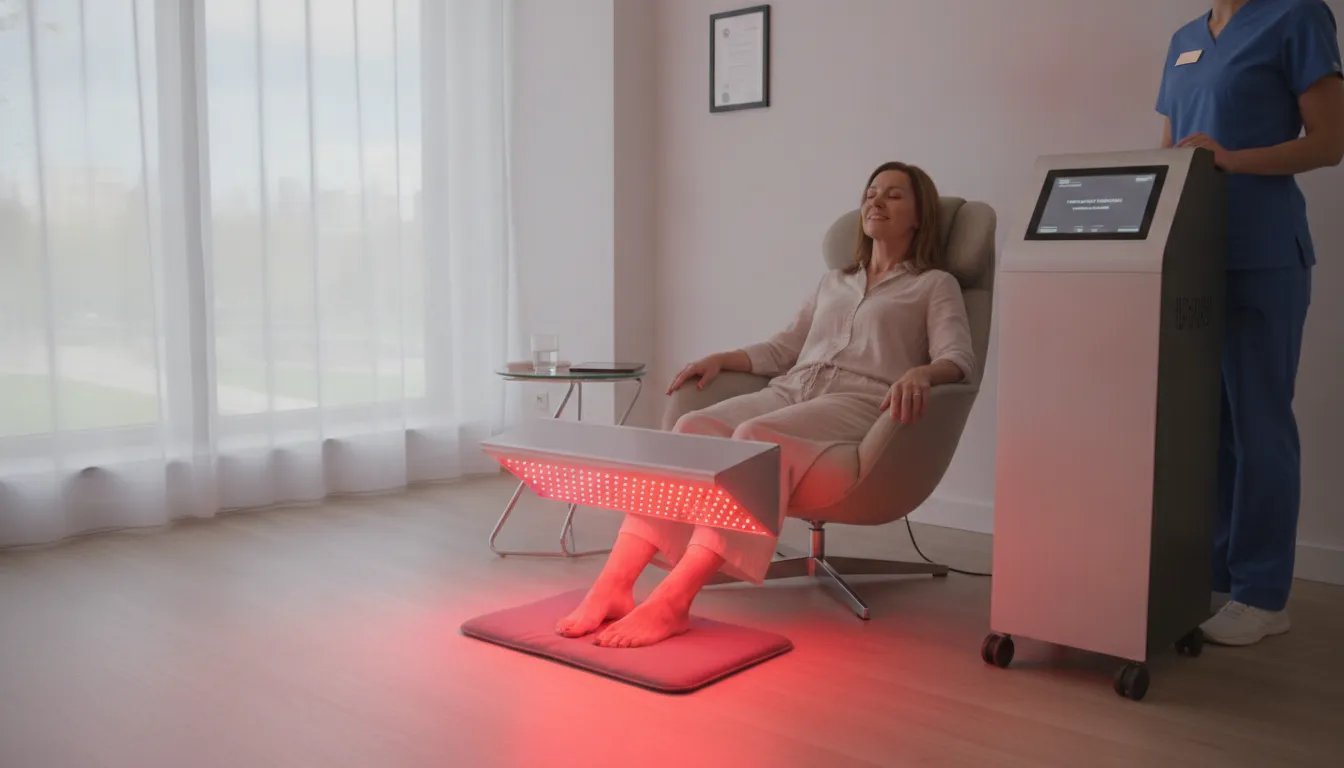

Numbness and burning nerve pain in your feet can make every step feel like torture. This constant discomfort steals sleep, limits movement, and disrupts daily life. Many patients search for red light therapy for neuropathy because they want real relief without addictive drugs or difficult recovery. Clinical research shows that specific wavelengths of red and near-infrared light can stimulate damaged nerve cells and promote natural healing. At Comprehensive Foot and Ankle Institute in Hoffman Estates, Dr. Sutpal Singh uses the clinical-grade RED:VIVE system as part of a drug-free, concierge approach to nerve health. Below, we explain how this advanced therapy targets the root causes of nerve pain at the cellular level.
Ready to find drug-free relief from neuropathy pain? Schedule your red light therapy consultation today and discover how our RED:VIVE system can help restore comfort to your feet.
Red Light Therapy For Neuropathy: What Is Peripheral Neuropathy and Why Does It Cause Nerve Pain?
Peripheral neuropathy is a term for damage to the nerves outside your brain and spinal cord. These peripheral nerves form a complex network that links your central nervous system to your limbs, skin, and internal organs. When these delicate paths suffer damage, they cannot send clear signals to and from the brain. Instead, they send mixed signals, fail to send signals, or send intense pain alerts when there is no actual cause. This dysfunction often starts in the feet, where the longest nerve fibers in the body are located.
The Main Causes of Nerve Damage in the Feet
Nerve damage can arise from several distinct health issues. The most common underlying causes include:
- Diabetic peripheral neuropathy — Chronic high blood sugar damages blood vessels that supply oxygen to nerves. This is the most frequent form and the most common complication for patients living with diabetes, according to the National Institutes of Health.
- Chemotherapy-induced neuropathy — Certain chemotherapy drugs used during cancer treatment can damage peripheral nerve fibers as a side effect.
- Idiopathic neuropathy — In many cases, doctors cannot identify a single clear cause despite thorough diagnostic testing.
Each cause leaves the same result: damaged nerves that misfire and create constant pain signals.
Common Symptoms of Foot Neuropathy
When nerves in your feet fail, the symptoms can range from mild discomfort to severe distress. Many people first notice a faint numbness or a constant feeling of tingling, like a foot has fallen asleep. Over time, this can turn into a burning sensation, sharp stabs, or the feeling that you are walking on glass or thick socks. In a clinical case study on chronic pain, patients often rated their daily foot pain at an eight out of ten on a standard pain scale. This constant discomfort can disrupt sleep, make walking difficult, and limit your daily movement. The search for relief without side effects is why many patients explore drug-free alternative treatments for foot neuropathy as a first step.
Why Drug-Free Treatments Matter
The standard way to treat nerve pain has long relied on oral drugs to mask the symptoms. But these drugs do not fix the damaged nerve paths, and they often cause unwanted side effects like brain fog, sleepiness, or stomach issues. To get real relief without these risks, patients need regenerative medicine treatments that help the body heal at the cellular level. This is where red light therapy for neuropathy offers a different path: instead of covering up the pain, it works to support the body’s own repair mechanisms.
How Does Red Light Therapy Work for Nerve Repair?
Red light therapy, also called photobiomodulation, uses specific wavelengths of red and near-infrared light to stimulate cellular repair in damaged tissue. This is not heat therapy or UV light. The light photons penetrate the skin and reach the underlying nerves and blood vessels, where they interact with the cells in a way that promotes healing and reduces pain signals.
Mitochondrial Stimulation and Energy Production
Every cell in your body contains mitochondria, often called the power plants of the cell. When red and near-infrared light hits these structures, they absorb the light energy and use it to produce more adenosine triphosphate, or ATP. This is the fuel that powers all cellular activity. Damaged nerve cells often have low energy levels, which limits their ability to repair themselves. By boosting ATP production, red light therapy for neuropathy gives your nerve cells the energy they need to heal. Research published by the National Institutes of Health confirms that this process stimulates cellular repair and supports tissue recovery. Our advanced regenerative therapies for nerve repair build on these principles to help restore nerve health.
Nitric Oxide Release and Blood Flow
The light also triggers the release of nitric oxide from cells, which causes blood vessels to widen and increase circulation to the treated area. Better blood flow brings oxygen and nutrients that nerves need to heal, while flushing away waste products that contribute to pain and inflammation. This vasodilation effect is immediate and helps explain why many patients feel relief even after their first few sessions.
Specific Wavelengths Used in Treatment
The RED:VIVE system used at our practice delivers precise wavelengths of 660 nanometers in the visible red range and 830 nanometers in the near-infrared spectrum. These wavelengths were chosen because they penetrate tissue at the optimal depth to reach damaged nerves in the feet. Clinical research shows that combining these wavelengths produces better results than either wavelength alone, as they target different depths and cellular structures.
Can Red Light Therapy Really Help Neuropathy Symptoms?
Living with nerve pain, burning sensations, or numbness can make simple daily activities feel impossible. Many people turn to laser therapy for foot neuropathy because they want a drug-free way to manage these issues. Clinical studies show that photobiomodulation can help support nerve repair and improve foot function.
Clinical Evidence for Pain Relief
Research published on PubMed demonstrates that low-level light therapy is a highly promising, non-invasive option for diabetic peripheral neuropathy. In clinical trials, patients who received light therapy three times a week for four weeks experienced significant improvements in foot sensation. Touch sensitivity in the right foot rose from 84.6% to 86.7% on standard monofilament tests. Patients also showed clear improvements on the Michigan Neuropathy Screening Instrument, proving that the light helps restore damaged nerve pathways.
What to Expect from Treatment
While some patients notice a change in a week or two, nerve tissue heals slowly. A standard clinical path usually takes four to eight weeks of consistent sessions to show lasting results. In one notable case study, patients using structured light therapy saw their average pain scores drop from an 8/10 down to a 3/10 after just two weeks. For the best outcome, doctors often combine light therapy with other drug-free neuropathy therapies to boost overall blood flow and speed up tissue repair.
Study Outcomes for Light Therapy
To help you understand what the scientific literature shows, here is a summary of key clinical study results for neuropathic symptoms:
| Source Study | Wavelengths Used | Key Outcome |
|---|---|---|
| Clinical Trial (PubMed 37583505) | 630 nm and 819 nm | Improved monofilament sensation from 84.6% to 86.7% in four weeks. |
| Clinical Research (PMC5537484) | Red and Near-Infrared | Stimulated cellular repair and increased ATP production in nerve tissue. |
| Clinical Case Study | 660 nm and 850 nm | Reduced average nerve pain scores from 8/10 to 3/10 within two weeks. |
Red Light Therapy at Comprehensive Foot and Ankle Institute
At Comprehensive Foot and Ankle Institute, red light therapy is not a standalone add-on. It is a core part of Dr. Sutpal Singh’s regenerative medicine approach, which includes Class IV laser therapy for foot and ankle pain, SoftWave therapy, stem cell injections, medical-grade peptides, and other advanced modalities. This integrated strategy means that patients receive a complete treatment plan designed around their specific condition, not a one-size-fits-all device protocol.
The RED:VIVE Clinical System
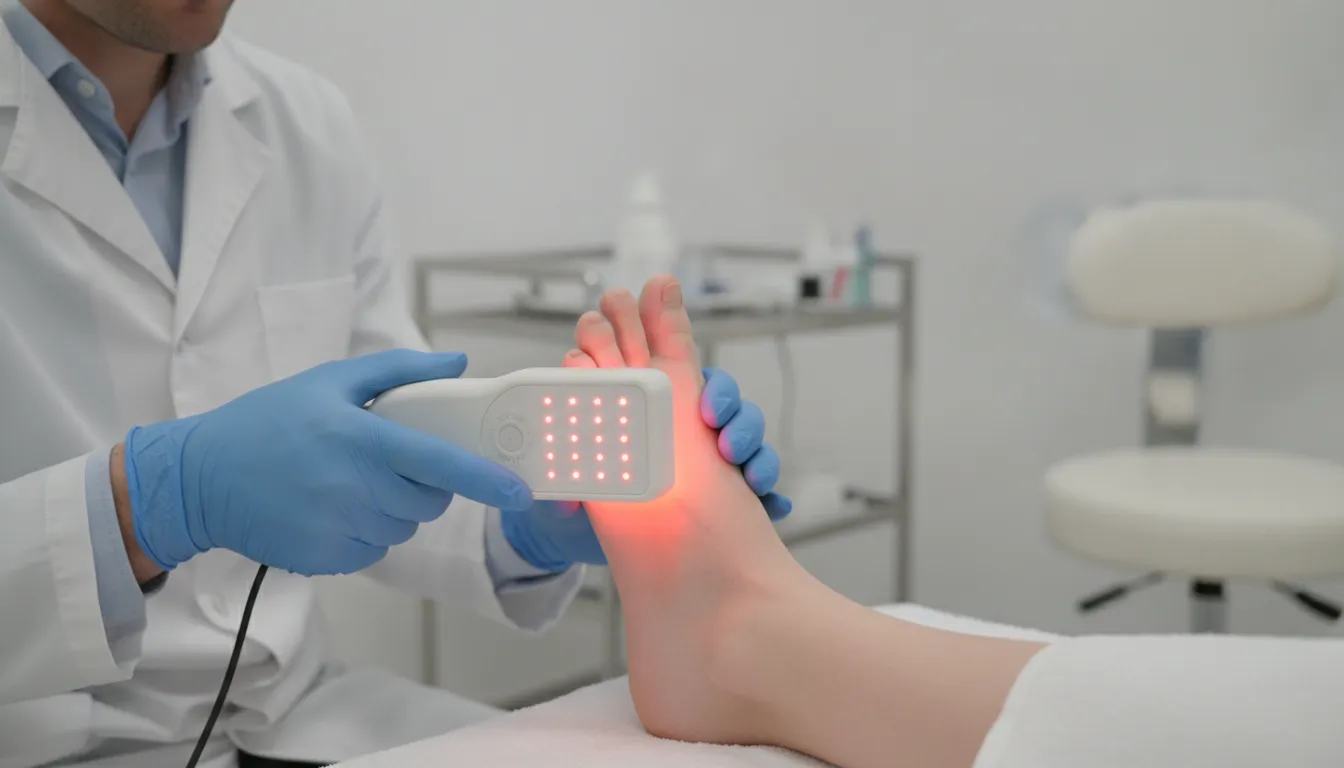
Our practice uses the RED:VIVE system, a medical-grade red light therapy device that delivers precise wavelengths at clinically effective power levels. This is not a consumer-grade device you buy online and use at home. The RED:VIVE system is calibrated to deliver the exact light dose needed to stimulate cellular repair in damaged nerve tissue. Under Dr. Singh’s supervision, each session is administered by trained medical staff who monitor your progress and adjust the protocol as needed. All post-operative patients at the practice receive RED:VIVE therapy as part of their recovery plan.
A Concierge Approach to Nerve Health
Dr. Sutpal Singh operates on a concierge model that prioritizes your time and comfort. There is no double-booking, no rushed appointments, and no feeling like you are just another patient in a high-volume clinic. Each visit includes personalized attention from a doctor with over 30 years of experience and advanced credentials from Duke University, Johns Hopkins, and Columbia Presbyterian. This level of care is especially important for neuropathy patients, who often need patience and individualized treatment to see progress.
Drug-Free Positioning
Our practice maintains a strong stance against routine cortisone and steroid injections. Instead, we emphasize regenerative therapies that work with the body rather than suppressing its natural responses. Red light therapy for neuropathy fits perfectly into this philosophy: it stimulates your cells to heal themselves, without drugs, without side effects, and without downtime.
What Conditions Does Red Light Therapy Treat at the Practice?
While peripheral neuropathy is the primary condition treated with red light therapy, the RED:VIVE system helps with a range of foot and ankle problems. Because the therapy works at the cellular level by boosting energy production and blood flow, it supports healing across many tissue types.
Peripheral Neuropathy and Diabetic Neuropathy
Patients with diabetic peripheral neuropathy are among the most common candidates for this therapy. The light helps restore sensation in numb feet, reduces painful burning, and supports the small nerve fibers that are often the first to suffer damage. For patients with non-diabetic neuropathy from chemotherapy or idiopathic causes, the same cellular repair mechanisms apply, offering relief without additional medications.
Ankle Sprains and Soft Tissue Injuries
Acute injuries like ankle sprains respond well to red light therapy because the increased ATP production and blood flow accelerate tissue repair. Athletes and active patients benefit from faster recovery times and reduced swelling without the need for anti-inflammatory drugs that can slow long-term healing.
Arthritis and Joint Stiffness
Chronic joint conditions like arthritis cause inflammation and stiffness that limit mobility. Red light therapy helps reduce inflammatory markers in the joint tissues while improving circulation, making it easier to move with less pain. This makes it a valuable option alongside other alternative treatments for foot neuropathy.
Post-Surgical Recovery
Every patient who undergoes foot or ankle surgery at our practice receives RED:VIVE therapy as part of their post-operative protocol. The light reduces swelling, minimizes scar tissue formation, and speeds up the return to normal walking. This is part of our commitment to fast, comfortable recovery without unnecessary delays.
How Often Should You Receive Red Light Therapy for Nerve Pain?
If you live with chronic nerve pain, finding a routine that fits into your life is a top priority. Unlike treatments that need long hospital stays, this in-office care is quick and simple. Under the guidance of Dr. Sutpal Singh, patients receive a personalized plan that targets the root of their discomfort.
Your Initial Care Schedule
To start your healing process, you will need a set number of visits each week. This initial phase helps to kickstart cell repair in your damaged nerves. Research in the National Institutes of Health database shows that a steady routine is key to getting real relief. In clinical trials, patients had light therapy sessions that lasted 15 minutes per foot area. These visits took place three times a week for a total of 12 sessions. This schedule helps to lower nerve pain and improve foot sensation over time.
A Simple Four-Step Treatment Path
At our practice, we design your care path to match your specific condition and pain level. Most patients follow these simple steps:
- First Assessment: Dr. Singh evaluates your feet and checks your level of nerve damage to plan your care.
- Active Therapy: You attend three to five short sessions each week, depending on your needs. Each session lasts 10 to 20 minutes.
- Progress Check: Our team checks your pain levels and sensation after two to four weeks of care.
- Maintenance Care: We lower your visits to once a week or once a month to keep your nerves healthy long-term.
What to Expect During and After Care
Each session is fast and pain-free, which makes it easy to fit into a busy day. The light feels warm and soothing, and there is no downtime after you finish. While home devices are common, they lack the power of our clinical RED:VIVE system. Most patients see a clear drop in burning and tingling within four to eight weeks of starting their care.
Is Red Light Therapy Safe for Neuropathy Treatment?
Red light therapy is a safe, non-invasive, and drug-free option to help manage nerve pain. Because it does not use oral drugs, this treatment has no risk of dependency, stomach upset, or sedation. It is also an excellent option for patients who want to avoid traditional steroid or cortisone injections.
A Risk-Free Option for Nerve Pain
Many patients seek drug-free shockwave therapy for plantar fasciitis and other regenerative options to find relief without side effects. Unlike common pain drugs, red light therapy has no known negative interactions with prescription medications. It does not cause drowsiness or affect your daily routine, which helps preserve active lifestyles.
FDA-Cleared Technology
The Food and Drug Administration has cleared these light devices for the temporary relief of muscle and joint pain. Clinical research published by the National Institutes of Health confirms that this method supports tissue repair by using specific light wavelengths. At our office, we use the clinical-grade RED:VIVE system under the care of trained medical experts to ensure patient safety.
When to Use Caution
While the therapy is safe for most people, some medical conditions require caution. Patients who are pregnant or have active cancer should consult their doctor before starting. Those with extreme light sensitivity or who take drugs that cause photosensitivity should also seek medical advice first.
Frequently Asked Questions
Does red light therapy really work for neuropathy?
Yes, medical research supports its use. A study published in PubMed shows that photobiomodulation therapy significantly improves foot sensation in patients with diabetic peripheral neuropathy. This drug-free care helps boost cellular energy, which aids natural healing in damaged nerves. For more on related approaches, explore our guide to nerve pain treatment without surgery.
Are there side effects of red light therapy for feet?
This therapy is safe and non-invasive. According to a review on the National Institutes of Health portal, red and near-infrared light stimulates cellular repair without the risks of drugs. Our in-office RED:VIVE system uses precise wavelengths that cause no harmful side effects.
How often should you do red light therapy for nerve pain?
Most clinical protocols suggest starting with three sessions per week. Dr. Sutpal Singh designs a custom plan for each patient at our office. Consistent care over four to eight weeks allows the light to help build cell energy and support nerve recovery.
Can red light therapy help with diabetic foot pain?
Yes, red light is very useful for diabetic foot pain. Research confirms that it improves local blood flow and increases protective sensation. This makes it an excellent, drug-free alternative to steroids and complex surgeries for diabetic nerve pain. Our practice also offers diabetic limb salvage services for patients with advanced complications.
Ready to Relieve Your Neuropathy Pain?
Ignoring constant nerve damage can lead to worse numbness, poor balance, and permanent tingling over time. Starting therapy early helps your nerves heal faster so you can get back to an active life. Our advanced drug-free therapy works to repair deep tissues and restore your natural comfort without hard recovery times. You do not have to live with daily foot discomfort when proven solutions exist right here in your local area.
Ready to relieve your neuropathy pain? Call (847) 310-1600 to schedule a consultation for red light therapy at Comprehensive Foot and Ankle Institute. Our team is here to help you take the first step toward lasting relief and better mobility today.